
Image Source: contentgrid.homedepot-static.com
How To Kill Dandelions In Your Yard Permanently
What is the best way to kill dandelions? The best way to kill dandelions permanently involves a multi-pronged approach combining manual removal, organic methods, and, if necessary, targeted herbicide use, followed by proactive prevention.
Dandelions, with their cheerful yellow heads and fluffy seed-bearing stages, are a familiar sight in many yards. While they might seem harmless, these persistent weeds can quickly take over, crowding out desirable grass and flowers. Fathoming how to achieve garden dandelion eradication is a common goal for many homeowners. Fortunately, there are numerous effective strategies to tackle these unwelcome guests, from simple hand-pulling to more advanced solutions. This guide will delve into the most effective methods for natural dandelion removal, organic dandelion control, and when and how to use dandelion herbicides for stubborn dandelion removal, ultimately leading to dandelion prevention.
Why Dandelions Are So Stubborn
Before we discuss how to get rid of them, let’s appreciate why dandelions are so resilient. Their success lies in a few key characteristics:
- Deep Taproots: Dandelions possess a substantial taproot that can grow up to 10 inches deep or more. If even a small portion of this root remains in the soil, the plant can regrow. This makes simply pulling the visible part of the plant often ineffective for permanent removal.
- Prolific Seed Production: A single dandelion plant can produce hundreds, even thousands, of seeds per season. These seeds are equipped with a “parachute” (the pappus) that allows them to travel long distances on the wind, easily spreading to new areas of your yard and your neighbors’.
- Early Blooming: Dandelions are often among the first plants to bloom in spring, giving them a head start in the competition for sunlight and nutrients.
- Adaptability: They can thrive in a wide range of soil conditions, from compacted clay to sandy loam, and tolerate various levels of sunlight.
Natural Dandelion Removal: The Foundation of Control
For many gardeners, the best way to kill dandelions starts with natural dandelion removal. These methods are environmentally friendly and pose no risk to children or pets.
1. Hand-Pulling and Digging
This is the most direct method, and when done correctly, it can be very effective.
The Art of the Pull
- Timing is Key: The ideal time to pull dandelions is after a good rain or watering. This softens the soil, making it easier to extract the entire taproot.
- Use the Right Tools: A dandelion digger or a sturdy trowel is essential. These tools are designed to get down alongside the taproot.
- Get the Whole Root: Aim to loosen the soil around the dandelion and pull the entire taproot out. Look for the white, fleshy root. If it breaks, you may have left a piece behind, and the dandelion could return.
- Dispose Properly: Do not compost dandelions that have gone to seed, as the seeds can survive the composting process and spread. Bag them and put them in the trash.
When is Hand-Pulling Most Effective?
- Young dandelions with smaller taproots.
- Areas where you can easily access the base of the plant.
- As a supplementary method to other control strategies.
2. Boiling Water
This is a simple, yet surprisingly effective, home remedy for dandelions.
- How it Works: Pouring boiling water directly onto the dandelion’s crown (the point where the leaves emerge from the root) will scald and kill the plant.
- Application: Use a kettle or pot of boiling water and pour it slowly and directly onto the dandelion. Be careful not to splash yourself or nearby desirable plants.
- Repeat if Necessary: For larger or more established dandelions, you might need to repeat the application a couple of times.
- Pros: Free, readily available, and environmentally safe.
- Cons: Can kill surrounding grass or plants if not applied carefully. Not practical for large infestations.
3. Vinegar Application
Vinegar, particularly horticultural vinegar with a higher acetic acid content, can act as a natural herbicide.
- How it Works: The acetic acid in vinegar burns the plant’s foliage, causing it to dehydrate and die.
- Application: Use a spray bottle and apply undiluted vinegar directly to the dandelion leaves, ideally on a sunny, dry day.
- Targeted Spraying: Aim to spray only the dandelion to avoid harming your lawn or garden plants.
- Pros: Natural and relatively inexpensive.
- Cons: Less effective on the taproot, so the plant may regrow. Can harm surrounding plants. Horticultural vinegar can be acidic and may require protective gear. Household vinegar (5% acetic acid) is less potent.
4. Corn Gluten Meal
This is a pre-emergent weed control solution, meaning it prevents seeds from germinating.
- How it Works: Corn gluten meal inhibits the formation of new roots during seed germination.
- Application: Apply a layer of corn gluten meal to your lawn in early spring, before dandelion seeds have a chance to sprout.
- Timing is Crucial: It needs to be applied before the dandelions themselves start to grow from seed.
- Pros: Organic, adds nitrogen to the soil, and acts as a natural fertilizer.
- Cons: Can be expensive for large areas. Less effective against established plants.
Organic Dandelion Control: Beyond the Basics
For those committed to organic dandelion control, several methods offer more targeted and sustainable solutions.
1. Smothering and Mulching
Depriving weeds of light and air can effectively kill them.
- Sheet Mulching: Cover dandelions with several layers of newspaper, cardboard, or landscape fabric. Then, top with a thick layer of mulch (wood chips, straw, compost). This will block sunlight, suffocating the plants.
- Cover Cropping: In garden beds, planting dense cover crops can outcompete dandelions for resources.
- Pros: Environmentally friendly, improves soil health (with organic mulches), and suppresses other weeds.
- Cons: Can be labor-intensive for large areas. May not be aesthetically pleasing in a lawn setting.
2. Salt Applications (Use with Caution!)
Salt can dehydrate and kill plants, but it must be used with extreme care.
- How it Works: Salt draws moisture out of plant cells, killing them.
- Application: Dissolve a tablespoon or two of salt in a cup of water and pour it directly onto the dandelion’s crown.
- Extreme Caution: Salt will kill any plant it touches and can remain in the soil for a long time, making it difficult for anything to grow there afterward. This method is best reserved for cracks in driveways or patios where you don’t want any plant life.
- Pros: Effective at killing the plant.
- Cons: Highly detrimental to soil health and surrounding desirable plants. Not recommended for use in lawns or gardens.
3. Introducing Beneficial Insects or Microbes
While not a direct kill method for established plants, this can help with long-term prevention. Some research suggests that certain beneficial nematodes or microbes might help suppress weed growth, though this is a more advanced and less common approach for the average homeowner.
When to Consider Dandelion Herbicides
While natural methods are often preferred, dandelion herbicides can be a necessary tool for severe infestations or when time is a factor. It’s crucial to use these products responsibly and according to label instructions.
Types of Dandelion Herbicides
- Broadleaf Herbicides: Dandelions are broadleaf weeds. Herbicides formulated to kill broadleaf plants are generally effective.
- Selective Herbicides: These are designed to kill weeds while leaving grass unharmed. They are ideal for lawn applications.
- Non-Selective Herbicides: These kill all plants they come into contact with, including your grass. Use these with extreme caution, only on dandelions in areas where you don’t mind killing everything.
Chemical Dandelion Killers: What to Know
- Active Ingredients: Common active ingredients in dandelion herbicides include 2,4-D, MCPP, and dicamba. Newer formulations often combine these for broader effectiveness.
- Application Timing: Herbicides are most effective when dandelions are actively growing. This typically means spring and fall. Avoid applying during extreme heat or drought.
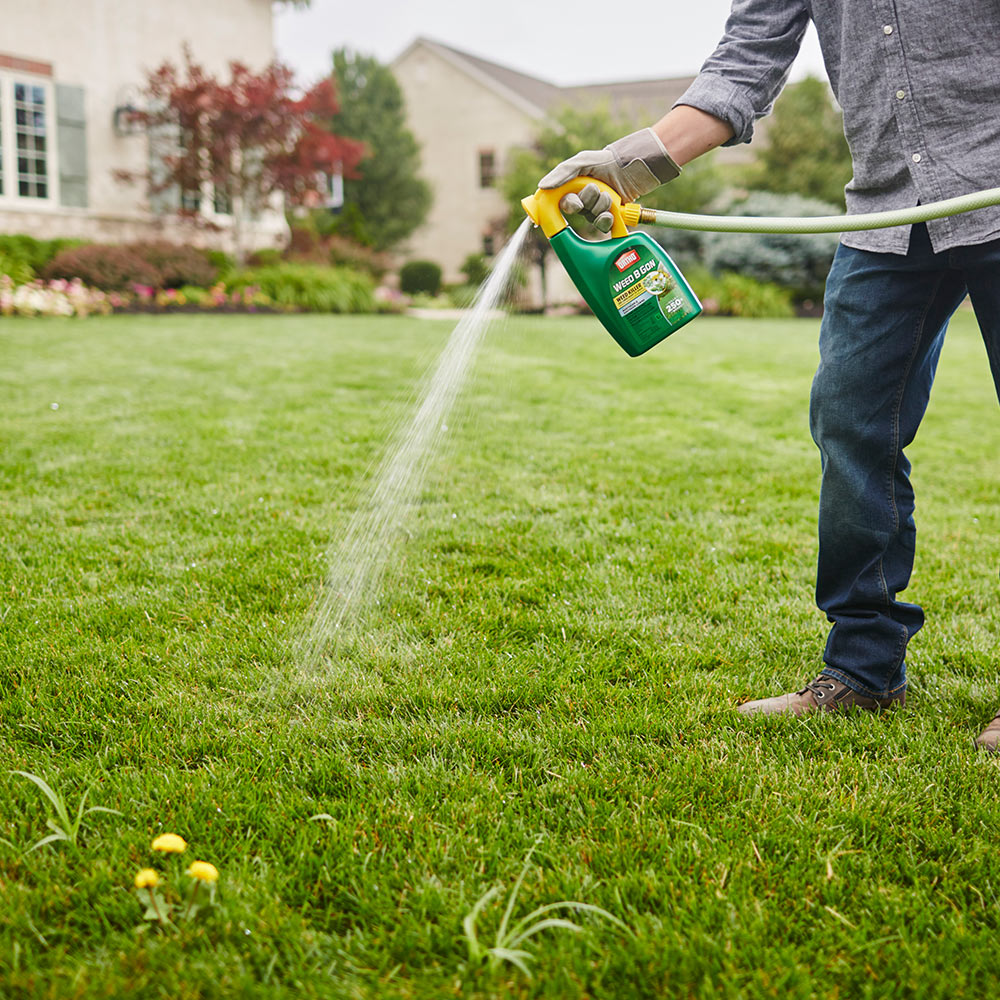
- Spot Treatment: For targeted stubborn dandelion removal, spot treating individual plants with a herbicide is more efficient and less impactful on the surrounding environment than broadcasting over your entire lawn.
- Read the Label: This cannot be stressed enough. Always read and follow the product label for safety precautions, application rates, and proper disposal.
- Safety Precautions: Wear protective gloves, long sleeves, and eye protection when applying herbicides. Keep children and pets away from the treated area until it is dry.
Choosing the Right Herbicide
| Herbicide Type | Best For | Considerations |
|---|---|---|
| Selective Broadleaf | Lawns with grass and dandelions | Targets broadleaf weeds without harming grass. Check the label for specific grass types it is safe for. |
| Non-Selective | Driveways, patios, or completely bare areas | Kills all vegetation. Use with extreme care to avoid damaging desired plants. |
| Pre-Emergent | Preventing new seedlings from sprouting | Applied before weeds appear. Effective for early spring treatment. |
| Post-Emergent | Killing existing, actively growing weeds | Applied directly to visible weeds. Most common type for tackling current infestations. |
Dandelion Prevention: The Long-Term Strategy
Killing existing dandelions is only half the battle. Dandelion prevention is crucial for maintaining a weed-free yard.
1. Cultivate a Healthy, Thick Lawn
A dense, healthy lawn is your best defense against weeds.
- Proper Mowing: Mow your grass at the higher end of the recommended height for your grass type. Taller grass shades the soil, making it harder for weed seeds to germinate.
- Regular Watering: Water deeply and less frequently to encourage deep root growth in your grass.
- Fertilize Appropriately: A well-fed lawn is a strong lawn. Follow a fertilization schedule based on your soil’s needs.
- Aerate and Dethatch: Compacted soil and excessive thatch can weaken your lawn, creating opportunities for weeds.
2. Manage Your Soil
Healthy soil promotes healthy plant growth, including your grass.
- Soil Testing: Get your soil tested to determine its pH and nutrient levels. This will help you amend the soil appropriately.
- Add Compost: Incorporating compost improves soil structure, drainage, and nutrient content, creating a more hospitable environment for grass.
3. Address Bare Spots Promptly
Bare patches in your lawn are prime real estate for weed seeds.
- Overseed: Fill in any bare or thin areas of your lawn with grass seed as soon as possible.
- Avoid Overcrowding: Ensure your garden beds have adequate spacing between plants to prevent open areas where weeds can establish.
4. Seed Selection
Choose grass varieties that are dense and resilient in your climate. Some grass types are naturally more resistant to weed invasion.
5. Manual Weed Removal as a Habit
Regularly walking through your yard and pulling any visible dandelions before they go to seed is a highly effective dandelion prevention tactic. This is a form of safe dandelion treatment that anyone can do.
Tackling Stubborn Dandelion Removal
Sometimes, despite your best efforts, dandelions prove particularly persistent. Here’s how to approach stubborn dandelion removal:
- Combination Approach: Don’t rely on a single method. Combine hand-digging with spot treatments of a selective herbicide for the toughest cases.
- Persistence: Stubborn dandelions might require multiple treatments over several seasons. Continue with your chosen methods consistently.
- Focus on the Taproot: For any method, always prioritize getting the entire taproot. If you see regrowth, it means a piece of the root was left behind.
- Consider Soil Health: Sometimes, stubborn weeds thrive in poor soil conditions that also stress your desirable plants. Improving your soil may indirectly help your lawn outcompete weeds.
Frequently Asked Questions about Dandelion Control
Q1: Can I really kill dandelions permanently?
A1: While complete permanent eradication is challenging due to their prolific seeding, a consistent, multi-faceted approach can significantly reduce and eventually control dandelion populations to a point where they are no longer a problem.
Q2: Is it safe to use herbicides on my lawn?
A2: It is safe when you choose selective dandelion herbicides designed for lawns and follow the product instructions precisely. Always wear protective gear and keep children and pets away from treated areas until dry.
Q3: What is the best time of year to kill dandelions?
A3: The best times are spring and fall when dandelions are actively growing and less stressed. Applying herbicides or digging during these periods is most effective.
Q4: Will vinegar kill the dandelion roots?
A4: Vinegar primarily burns the foliage. While it can weaken the plant and kill very young dandelions with shallow roots, it’s less effective at killing the deep taproot of established plants. Repeated applications might eventually weaken them.
Q5: How can I prevent dandelions from coming back next year?
A5: The most effective dandelion prevention involves cultivating a dense, healthy lawn, mowing at the correct height, watering deeply, and addressing bare spots quickly. Regularly removing young dandelions before they seed is also key.
Q6: Are there any truly natural, non-toxic ways to kill dandelions that work on the roots?
A6: Hand-digging with a tool that removes the entire taproot is the most effective natural dandelion removal method for the roots. For other organic dandelion control methods, persistent application of boiling water or very careful use of horticultural vinegar may weaken the plant over time, but the deep taproot remains the challenge.
Q7: My neighbor has dandelions all over their yard. How can I stop their seeds from spreading to mine?
A7: This is a common challenge. Maintaining a very healthy and dense lawn in your yard is the best defense. You can also physically remove dandelions in your yard before they go to seed. Consider a low-growing ground cover in border areas that might be susceptible.
By combining diligent manual removal with smart organic dandelion control practices and judicious use of targeted herbicides when necessary, you can effectively achieve garden dandelion eradication and enjoy a beautiful, weed-free yard. Remember, consistency and dandelion prevention are your most powerful allies in this ongoing battle.