
Can you have a yard sale if you don’t have a yard? Yes, absolutely! Having a yard sale without a traditional yard is not only possible, but it can also be a very effective way to declutter and sell your unwanted items. This guide will walk you through various creative solutions and strategies for selling your items without a dedicated yard.
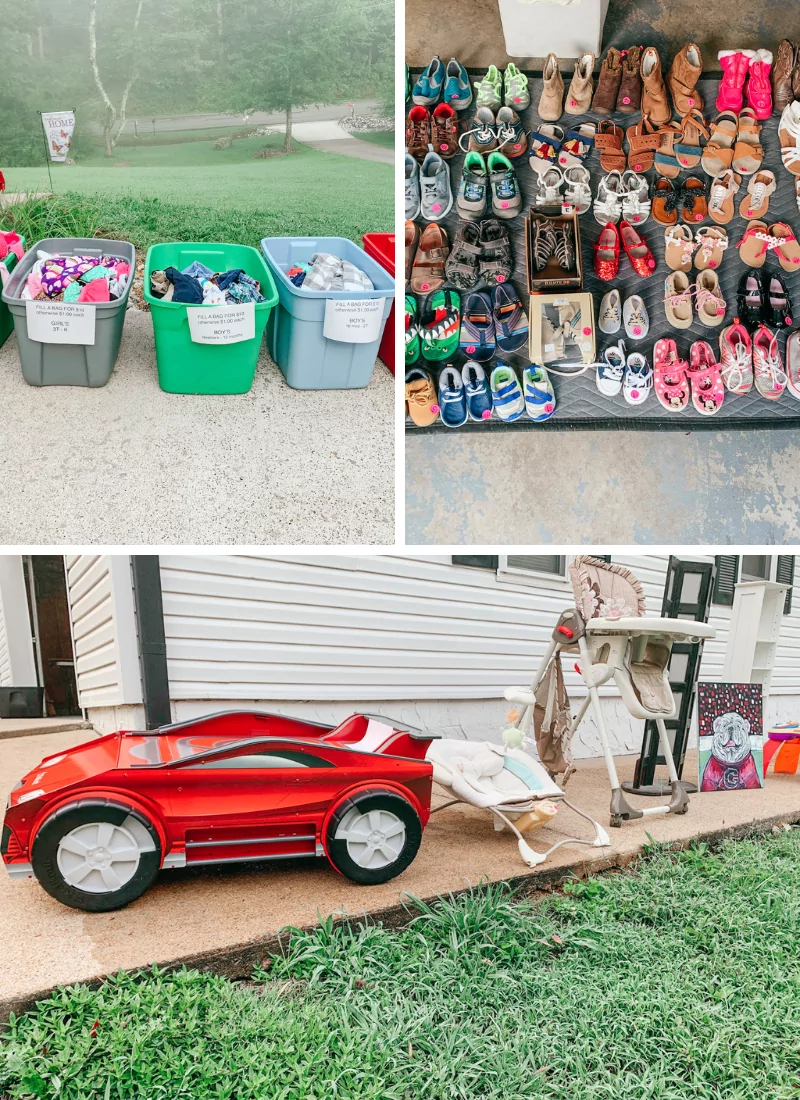
Image Source: everydaythrifty.com
Rethinking the “Yard” in Yard Sale
The traditional image of a yard sale conjures up images of tables spread across a grassy lawn, a clear sunny day, and neighbors browsing through pre-loved treasures. However, the core concept of a yard sale is simply selling used items directly to the public in a casual setting. This fundamental idea can be adapted to many different environments, even if you live in an apartment or a home with no outdoor space. Let’s explore how to achieve a successful sale without a traditional yard.
Creative Solutions for Selling Without a Yard
The key to a successful yard sale without a yard is adaptability and embracing alternative venues and methods. You don’t need a sprawling lawn to get rid of your clutter and make some cash.
The Apartment Yard Sale
Living in an apartment doesn’t mean you’re excluded from the joys of selling your unneeded belongings. An apartment yard sale can take many forms, from utilizing shared common areas to creative indoor displays.
Utilizing Common Areas
Many apartment complexes have common areas like courtyards, lobbies, or even parking lot spaces that might be available for resident use.
- Check Your Lease and HOA Rules: Before making any plans, it’s crucial to review your lease agreement and any homeowner association (HOA) or building management rules. Some complexes have specific policies regarding resident sales or gatherings.
- Get Permission: If common areas are a possibility, always seek explicit permission from your building management or HOA. Explain your plans clearly and assure them you will maintain a clean and orderly space.
- Strategic Placement: If approved, choose a high-traffic common area, like near the mailboxes or a main entrance, to maximize visibility. Ensure your setup doesn’t block pathways or fire exits.
- Time Your Sale: Consider holding your sale during peak resident activity times, such as weekend mornings when people are often home and out and about.
Indoor Sale Options
If outdoor common areas aren’t an option, or if the weather is uncooperative, consider an indoor sale.
- Open House Style: Announce an “Open House Sale” where people can come to your apartment (by appointment or during set hours) to browse items. This requires more personal interaction but can be very effective.
- Designated Area: If your apartment is spacious enough, designate a specific area for the sale. You can even create a “pop-up shop” feel within your living room or on your balcony.
- Balcony Bonanza: If you have a balcony, it can serve as a compact, inviting space for a small-scale sale. Arrange items attractively on tables or shelves.
The Sidewalk Sale
For those living in ground-floor apartments or townhouses with a bit of sidewalk frontage, a sidewalk sale can be a viable option. This requires checking local ordinances.
- Local Regulations: Crucially, research your city or town’s ordinances regarding sidewalk sales. Many areas have restrictions on how long items can be displayed on public walkways or if they are permitted at all.
- Visibility and Accessibility: A sidewalk sale offers great visibility to passersby. Ensure your display is organized, safe, and doesn’t impede pedestrian traffic.
- Weather Dependence: This method is highly weather-dependent. Have a backup plan or be prepared to move your sale indoors if the weather turns sour.
Community Sales
Participating in a community sale is an excellent way to leverage a larger event without needing your own yard. This is a fantastic alternative for those who want a yard sale experience without the individual setup hassle.
- Neighborhood Sales: Many neighborhoods organize annual or semi-annual garage sale events. You can rent a spot in a designated common area or in a neighbor’s yard who has space.
- Church or School Fundraisers: Local churches, schools, or community centers often hold multi-family sales as fundraisers. Renting a table or a small space at these events is a great way to reach a wider audience.
- Benefits: Community sales attract more shoppers who are specifically looking for bargains. You benefit from the collective advertising and increased foot traffic.
Pop-Up Shop Style Sales
Think of your sale as a temporary retail experience. This approach elevates the concept beyond just laying items on the ground.
- Reserved Space: Consider renting a small booth at a local flea market or farmers’ market for a day or weekend. This gives you a dedicated space with built-in foot traffic.
- Partnering with a Business: Approach a local friendly business (like a coffee shop or a small boutique) that might be willing to let you set up a small display of items for a day or two. Offer them a small percentage of your sales as a thank you.
- “Garage Sale Without Garage” Events: Organize a sale with a few friends or neighbors who also lack yards. You could pool resources to rent a small space or coordinate a sale across multiple apartments or condos.
Consignment Sale Participation
If you want to sell items but prefer a more hands-off approach, consignment is a great option.
- How it Works: You bring your items to a consignment shop, and they sell them for you. You receive a percentage of the sale price after the item sells.
- Benefits: This eliminates the need for customer interaction, pricing, and display management. It’s a convenient way to declutter without the direct selling effort.
- Types of Shops: Look for consignment shops that specialize in clothing, furniture, housewares, or even children’s items, depending on what you have to sell.
Leveraging Online Marketplaces
In today’s digital age, selling online is a powerful alternative to traditional yard sales. This is a highly effective method for selling items without a yard.
- Online Marketplace Selling: Platforms like Facebook Marketplace, Craigslist, eBay, Poshmark, Depop, and OfferUp are ideal for selling individual items or even coordinating a virtual yard sale.
- Virtual Yard Sale: Host a “virtual yard sale” on social media. Post photos of your items with prices and descriptions. Interested buyers can comment or message you to claim items. You can then arrange for local pickup or shipping.
- Benefits: You can reach a much wider audience, often nationwide or even internationally. You have more control over pricing and the selling process.
Planning Your Yard Sale Without a Yard: Key Steps
Regardless of the venue, successful selling requires careful planning.
Decluttering Without a Yard: The First Step
Before you can sell, you need to decide what to sell. The decluttering process remains the same, whether you have a yard or not.
Sorting and Organizing
- The Four-Box Method: Use four boxes or bins labeled: Keep, Sell, Donate, Trash. Go through your belongings room by room.
- Ask Key Questions: For each item, ask yourself:
- Have I used this in the last year?
- Do I truly love it or need it?
- Is it broken or in good condition?
- Could someone else get more use out of it?
- Categories: Group similar items together as you sort (e.g., clothing, books, kitchenware, electronics). This makes the selling process much more organized.
Item Assessment for Selling
- Condition is Key: Items in good to excellent condition will sell best. Clean anything that needs it. Test electronics to ensure they work.
- Repair Small Issues: If a minor repair can significantly increase an item’s value, consider fixing it.
- Be Realistic: Don’t expect to get retail price for used items. Research similar items online to gauge fair pricing.
Pricing Your Items
Accurate pricing is essential for moving inventory.
Pricing Strategies
- Bundle Deals: Offer discounts for buying multiple items (e.g., “3 books for $5,” “All t-shirts $2 each”).
- Tiered Pricing: Create price points based on item type and condition.
- Clear Labels: Use price tags or stickers that are easy to read. Consider using colored stickers for different price tiers (e.g., all red stickers are $1, all blue stickers are $3).
- Open to Offers: For some items, you might indicate “OBO” (Or Best Offer) to encourage negotiation.
Marketing and Promotion
Even without a yard to attract attention, you need to let people know about your sale.
Digital Promotion
- Social Media: Post on Facebook groups, neighborhood pages, and your own timeline. Create an event for your virtual yard sale. Use relevant hashtags like #yardsale, #garagesale, #declutter, #secondhand, #virtualyardsale.
- Online Marketplaces: List items on Facebook Marketplace, Craigslist, etc., with clear photos and descriptions. Mention the type of sale you’re having (e.g., “Apartment Sale – By Appointment” or “Virtual Declutter Sale”).
- Local Online Forums: Check if your city or community has online forums or bulletin boards where sales can be advertised.
Traditional (If Applicable)
- Flyers: If you’re using a common area or participating in a community sale, flyers posted in approved locations can still be effective.
Setting Up Your Display (Even Indoors or Small Spaces)
Presentation matters, even if you don’t have a yard.
Tips for Display
- Tables and Racks: Use folding tables, shelves, or even sturdy boxes to elevate items and make them more accessible. Garment racks are excellent for clothing.
- Clear Organization: Arrange items by category. Keep similar items together.
- Visibility: Ensure items are visible and easy to examine. Don’t overcrowd your display.
- Lighting: If your sale is indoors, ensure the area is well-lit. Natural light is best, but good artificial lighting is a must.
- Mirrors: If selling clothing or accessories, a mirror is a valuable addition.
- Comfort: If buyers are coming to your apartment, offer a comfortable space.
Handling Transactions
Be prepared for how you’ll accept payment.
Payment Methods
- Cash: The most traditional method. Have plenty of small bills and coins for change.
- Digital Payments: Apps like Venmo, PayPal, or Cash App can be convenient, especially for virtual sales or if you don’t want to carry a lot of cash. Always confirm payment receipt before handing over items.
- Portable Card Reader: If you have a significant amount of inventory and expect larger purchases, consider a Square or PayPal card reader.
The Day of the Sale
Execution is key to maximizing your sales.
During the Sale
- Be Available: If buyers are coming to your location, be present and approachable.
- Negotiation: Be prepared to negotiate prices, especially for larger items.
- Safety: If inviting people to your apartment, be mindful of your personal safety. Consider having a friend or family member present.
- Keep it Tidy: As items sell, tidy up your display to keep it appealing.
Post-Sale Strategy
What happens to the items that didn’t sell?
What to Do with Leftovers
- Donate: Gather unsold items and donate them to local charities, shelters, or thrift stores. This is a great way to continue decluttering responsibly.
- Recycle or Dispose: Properly recycle or dispose of any items that are no longer usable.
- List Online: For higher-value items that didn’t sell, consider listing them on online marketplaces for a longer period.
Alternative Selling Methods: A Comparative Look
Here’s a quick comparison of various methods for selling items without a yard:
| Method | Pros | Cons | Best For |
|---|---|---|---|
| Apartment Yard Sale | Utilizes existing space, controlled environment. | Limited visibility, depends on building rules, potential for low traffic. | Small to medium amounts of items, especially if common areas are allowed. |
| Sidewalk Sale | High visibility to passersby, easy access. | Highly weather-dependent, subject to local ordinances, limited space. | Ground-floor units with sidewalk frontage, good weather. |
| Community Sale | Increased foot traffic, shared advertising, social aspect. | May require rental fees, less control over setup, can be competitive. | Large amounts of items, wanting maximum exposure. |
| Virtual Yard Sale | Wide reach, convenience, no physical setup required. | Requires good photos and descriptions, potential shipping costs, trust. | Anyone with internet access, diverse item types, busy individuals. |
| Pop-Up Shop | Dedicated space, established foot traffic (markets). | Rental costs, requires business acumen, can be time-consuming. | Entrepreneurs, those with unique or high-value items. |
| Consignment Sale | Hands-off, professional handling, broader customer base. | Lower payout percentage, items must be accepted by the shop, takes time. | High-quality clothing, furniture, or specialty items. |
| Online Marketplace | Global reach, convenience, control over sales process. | Shipping logistics, competition, platform fees, potential scams. | Almost any item, especially niche or higher-value goods. |
Frequently Asked Questions (FAQ)
Q: Is it legal to have a sale on a public sidewalk?
A: It depends entirely on your local city or town ordinances. Many municipalities have regulations about displaying goods on public sidewalks, as they can obstruct pedestrian traffic or be considered a public nuisance. Always check with your local government or city hall before planning a sidewalk sale.
Q: How do I price items for a virtual yard sale?
A: For virtual sales, pricing is similar to an in-person sale. Research similar items on online marketplaces to get a sense of their market value. Consider the item’s condition, brand, and demand. It’s often best to price items slightly lower than you might in person to encourage quick sales and local pickup.
Q: What are the safest ways to handle a sale if people are coming to my apartment?
A:
* Schedule Appointments: Instead of an open house, schedule specific time slots for shoppers.
* Meet in a Neutral Area: If possible, arrange to meet buyers in a common area of your building (with permission) rather than your private living space.
* Bring a Friend: Have a friend or family member present with you during the sale.
* Trust Your Gut: If a buyer makes you feel uncomfortable, it’s okay to politely end the transaction and ask them to leave.
* Digital Payments: If you’re uncomfortable handling cash, encourage digital payment methods.
Q: How much should I expect to pay for a spot in a community sale?
A: The cost of a spot in a community sale can vary greatly. Some might charge a small flat fee (e.g., $10-$25), while others might take a percentage of your sales (e.g., 10-20%). It’s best to inquire with the event organizer about their specific fees and what’s included (e.g., a table, chairs, advertising).
Q: What’s the best way to advertise an apartment yard sale?
A: Leverage digital platforms! Post on local Facebook groups, Nextdoor, and any community forums for your building or neighborhood. If your building has an internal newsletter or bulletin board (and if permitted), use that too. For a virtual sale, social media is your primary advertising tool. Clear photos and attractive descriptions are key.
By embracing these alternative strategies and planning meticulously, you can successfully host a sale and clear out your clutter, even without a traditional yard. Happy selling!