
The cost of one yard of sand can range from $20 to $70, but this is a broad estimate. The final sand price per cubic yard you pay depends on several key factors. This guide will help you understand these elements and get a clearer picture of what to expect for your project.
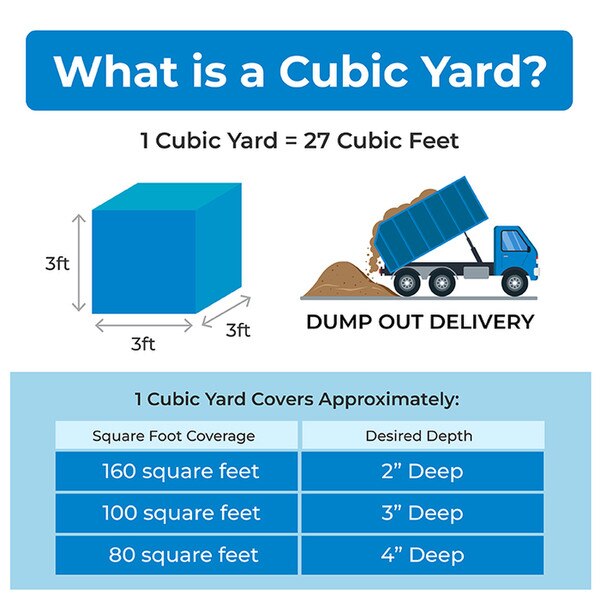
Image Source: www.cumminlandscapesupply.com
Factors Influencing Sand Costs
Several variables play a significant role in determining the price of sand. From the type of sand you need to where you are located, each aspect contributes to the overall cost.
Type of Sand
The most critical factor influencing sand price per cubic yard is the type of sand. Different sands have different uses and therefore different price points.
Construction Sand (All-Purpose Sand)
This is a common and versatile type of sand used in many building projects. It’s often coarse and can be mixed with cement to create mortar and concrete. Its widespread use and availability generally make it one of the more affordable options.
- Uses: Concrete mixes, mortar, bricklaying, backfill, base material for pavers.
- Characteristics: Gritty, angular grains, typically light brown or gray.
- Estimated Cost: $25 – $50 per cubic yard.
Play Sand (Child-Safe Sand)
Play sand is specially processed to be fine, clean, and free of sharp particles or impurities. This makes it safe for children’s sandboxes and other recreational areas. The extra processing and quality control mean it usually comes at a higher price than construction sand.
- Uses: Children’s sandboxes, sand volleyball courts, sand art.
- Characteristics: Fine grain, rounded particles, usually white or very light beige, washed and screened for safety.
- Estimated Cost: $30 – $60 per cubic yard.
Landscaping Sand
Landscaping sand is often used for improving soil drainage, filling gaps between pavers, or as a decorative element in gardens. It can vary in coarseness and color depending on the intended aesthetic and function.
- Uses: Improving soil aeration and drainage, filling joints in pavers, decorative top dressing, creating pathways.
- Characteristics: Can range from fine to medium grain, colors vary widely (tan, brown, red, white).
- Estimated Cost: $25 – $55 per cubic yard.
Decorative Sand
This category includes sands specifically chosen for their appearance. They come in a wide array of colors, textures, and sizes, from fine, brightly colored sands for crafts to coarser, natural-colored sands for landscaping features. The visual appeal and often specialized processing contribute to a higher price.
- Uses: Craft projects, terrariums, decorative arrangements, water features, high-end landscaping.
- Characteristics: Highly varied in color (natural and dyed), grain size, and texture.
- Estimated Cost: $40 – $70+ per cubic yard.
Driveway Sand (Pea Gravel or Crushed Stone often used)
While often referred to as “driveway sand,” this typically involves coarser materials like pea gravel or crushed stone, rather than fine sand. These materials provide better compaction and drainage for driveways. The price can fluctuate based on the specific aggregate used.
- Uses: Driveway base, drainage layers, pathways.
- Characteristics: Coarser than construction sand, typically rounded or angular stones.
- Estimated Cost: $30 – $60 per cubic yard.
Quantity Purchased (Bulk vs. Bagged)
The way you buy sand significantly impacts the bag of sand price versus bulk quantities. Buying in bulk is almost always more cost-effective per cubic yard.
- Bulk Sand: When you order a large quantity (typically 10 cubic yards or more), you are purchasing in bulk. This usually means a lower sand price per cubic yard because the supplier can deliver it more efficiently.
- Bagged Sand: Sand is often sold in bags ranging from 25 lbs to 100 lbs. While convenient for small projects, the price per cubic yard is considerably higher due to the packaging and handling involved. A single bag might cost $5-$15, but when calculated per cubic yard, it can easily double or triple the cost.
Location and Proximity to Source
Your geographical location and how far you are from a sand quarry or supplier are major cost drivers.
- Transportation Costs: The cost of sand delivery is a significant portion of the total price. The further the sand needs to be transported, the higher the delivery fee will be.
- Regional Availability: In areas with abundant natural sand deposits, prices might be lower. Conversely, in regions where sand is scarce and must be shipped in, costs will naturally be higher.
Delivery Costs
As mentioned, delivery is a key component of the overall expense.
- Distance: The mileage from the sand supplier pricing to your location.
- Delivery Vehicle: The type of truck used (e.g., dump truck vs. smaller delivery vehicle) can affect the rate.
- Minimum Order: Some suppliers may have minimum order quantities for delivery.
- Dump Fees: In some cases, there might be a separate fee for dumping the sand at your site.
Quality and Processing
The level of processing the sand undergoes impacts its price.
- Washing and Screening: Sand that is washed to remove dirt and clay, and screened to achieve a specific grain size, will cost more than raw, unscreened sand. This is especially true for play sand and decorative sands.
- Purity: The absence of contaminants like organic matter, debris, or sharp particles increases the value and price.
Supplier Pricing and Markup
Each sand supplier pricing structure will vary.
- Wholesale vs. Retail: Buying directly from a quarry or large distributor might offer lower rates than purchasing from a smaller landscape supply yard or hardware store.
- Overhead: Suppliers factor in their operating costs, labor, and profit margins, which will be reflected in the final price.
Estimating Your Sand Needs
Before you can figure out the cost, you need to know how much sand you require. Sand is sold by the cubic yard, so accurate measurement is crucial.
Calculating Cubic Yards
A cubic yard is a unit of volume equal to one yard in length, one yard in width, and one yard in height. To calculate the volume of sand needed for a rectangular area, use the following formula:
Volume (cubic yards) = (Length × Width × Depth) / 27
- Length, Width, and Depth should all be in feet.
- The number 27 is because there are 27 cubic feet in 1 cubic yard (3 ft x 3 ft x 3 ft = 27 cubic feet).
Example:
You need to cover a patio area that is 12 feet long, 10 feet wide, and you want a 4-inch layer of sand as a base.
- Convert depth to feet: 4 inches / 12 inches/foot = 0.33 feet
- Calculate volume in cubic feet: 12 ft × 10 ft × 0.33 ft = 39.6 cubic feet
- Convert to cubic yards: 39.6 cubic feet / 27 cubic feet/yard ≈ 1.47 cubic yards
It’s always a good idea to round up to the nearest half or full cubic yard to account for settling and potential errors in measurement. For this example, you’d likely order 1.5 to 2 cubic yards.
Common Project Sand Requirements
Here are some general estimates for common projects:
- Sandbox (6′ x 6′ x 1′): Approximately 0.44 cubic yards. It’s recommended to get 0.5 to 1 cubic yard to fill it properly and account for settling.
- Paver Base (100 sq ft at 4″ depth): Approximately 1.5 cubic yards.
- Small Driveway Patch: Varies greatly, but typically 0.5 to 2 cubic yards.
- Large Garden Bed Top Dressing: Varies by size and depth.
Average Sand Costs Table
Here’s a general overview of estimated costs per cubic yard, keeping in mind these are approximate and can fluctuate.
| Sand Type | Estimated Cost Per Cubic Yard | Typical Uses |
|---|---|---|
| Construction Sand | $25 – $50 | Concrete, mortar, general fill |
| Play Sand | $30 – $60 | Sandboxes, playgrounds |
| Landscaping Sand | $25 – $55 | Soil amendment, paver joints, pathways |
| Decorative Sand | $40 – $70+ | Crafts, visual landscaping, terrariums |
| Driveway Material | $30 – $60 | Driveway base, drainage |
Note: Delivery fees are typically separate and can add $50 to $200+ depending on distance and quantity.
Where to Buy Sand
There are several places you can purchase sand, each with its own pricing structure.
Local Landscape Supply Yards
These are often excellent sources for bulk sand. They typically have a wider variety of landscaping and construction sands and can deliver directly to your home. Sand supplier pricing here is often competitive for bulk orders.
Home Improvement Stores (e.g., Home Depot, Lowe’s)
These stores sell sand primarily in bags. This is convenient for small projects, but as discussed, the bag of sand price is significantly higher per cubic yard. They might offer some bulk options for delivery, but selection can be more limited than at specialized yards.
Material Suppliers and Quarries
For very large projects or if you’re a contractor, buying directly from a quarry or material supplier can be the most cost-effective option. They offer the best bulk sand prices but may have higher minimum order requirements.
Online Retailers
Some online platforms offer sand for sale, often specialized decorative sands or smaller quantities. Be sure to factor in shipping costs, which can be substantial for heavy materials like sand.
Additional Costs to Consider
Beyond the base price of the sand and delivery, other costs might apply.
Equipment Rental
If you need to move a large quantity of sand on-site and don’t have the appropriate equipment, you might need to rent a skid steer or a wheelbarrow.
Site Preparation
If the area where the sand will be delivered needs clearing or leveling, this is an additional labor or equipment cost.
Disposal of Old Material
If you are replacing existing material with sand, you’ll need to consider the cost of disposing of the old material.
Frequently Asked Questions (FAQ)
Q1: What is the cheapest type of sand to buy?
A1: Generally, construction sand or all-purpose sand is the cheapest per cubic yard because it requires less processing and is widely available.
Q2: Can I pick up sand myself instead of paying for delivery?
A2: Yes, if you are buying bagged sand or a small quantity from a landscape yard that allows customer pickups. For bulk quantities (cubic yards), you would need a truck with a trailer capable of hauling that weight. Check with your supplier about their pickup policies.
Q3: How much does a cubic yard of sand weigh?
A3: A cubic yard of sand typically weighs between 2,500 to 3,000 pounds (1.25 to 1.5 tons), depending on its moisture content and type.
Q4: What is the difference between play sand and construction sand?
A4: Play sand is specially washed and screened to be fine, clean, and free of sharp edges for safety. Construction sand is coarser and may contain small amounts of dirt or clay, making it suitable for building but not for direct contact with children.
Q5: How do I find a reliable sand supplier?
A5: Look for local landscape supply companies, check online reviews, ask for recommendations from contractors or neighbors, and compare prices and delivery options from a few different suppliers.
Conclusion
The cost of one yard of sand is not a fixed number. By considering the type of sand required, the quantity, your location, and delivery needs, you can accurately estimate your project’s sand expenses. Whether you’re working on a construction project, enhancing your garden, or creating a safe play area, knowing these factors will help you budget effectively and get the best value for your money. Always get quotes from multiple suppliers to ensure you’re getting a fair price for your chosen sand and the cost of sand delivery.