
The weight of 1 cubic yard of sand can vary, but it typically ranges from 2,000 to 3,000 pounds. This variation depends on the type of sand and its moisture content.
If you’re planning a project that involves sand, knowing its weight is crucial for several reasons. Whether you’re ordering sand for landscaping, construction, or even a beach-themed party, accurate weight estimations help you order the right amount, arrange for appropriate transportation, and ensure your project is built on a solid foundation. Let’s delve into the factors that influence sand’s weight and how to get a reliable answer for your specific needs.
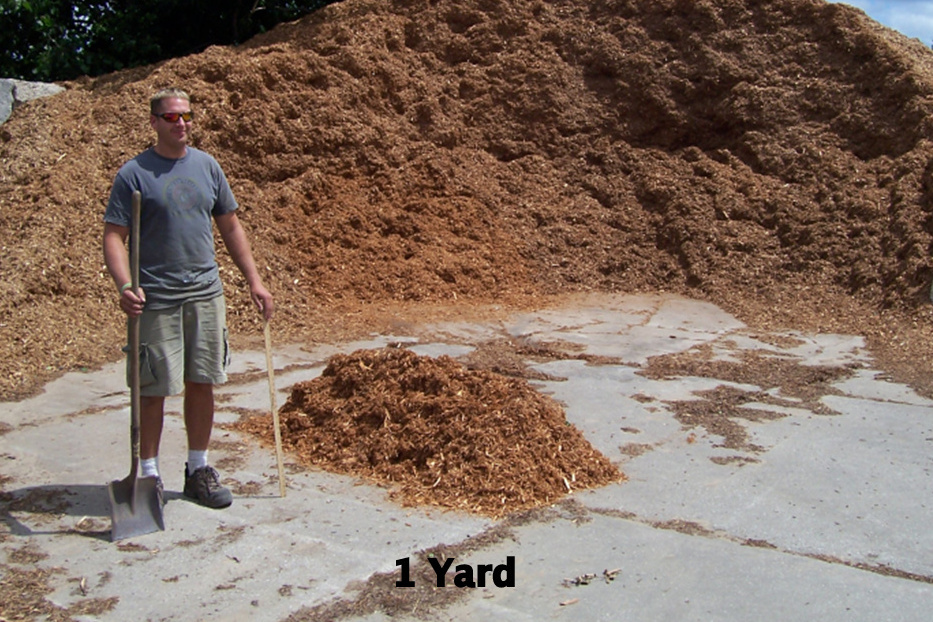
Image Source: klsupplies.com
Fathoming Sand Density: The Key to Weight
The core concept behind how much sand weighs is its sand density. Density is a measure of how much mass is packed into a given volume. For sand, this means how tightly the sand grains are packed together, as well as the space between them (known as pore space).
Factors Affecting Sand Density
Several elements play a role in the density of sand, directly impacting its weight per cubic yard:
- Type of Sand: Different minerals make up sand, and their inherent densities vary.
- Silica Sand: The most common type, often used in construction and glassmaking, is composed primarily of silicon dioxide (SiO2). Its density is relatively consistent.
- Limestone Sand (or Calcareous Sand): Made from ground-up shells and coral, this sand is generally lighter than silica sand due to its porous nature.
- Volcanic Sand: Can vary greatly depending on the type of volcanic rock it originated from. Some can be heavier than silica sand.
- Moisture Content: Wet sand is significantly heavier than dry sand. Water fills the pore spaces between the sand grains, adding a considerable amount of weight.
- Particle Size and Shape: While less impactful than type and moisture, the size and roundness of sand grains can slightly affect how tightly they pack. Finer, more angular sand might pack slightly tighter than coarser, rounder sand, but this is a secondary factor.
- Compaction: How the sand is settled or compacted also affects its density. Loose sand will weigh less than compacted sand in the same volume.
Deciphering the Weight of Sand Per Cubic Yard
When we talk about the weight of sand per cubic yard, we’re essentially asking for the density of a specific type of sand expressed in terms of weight over a cubic yard. A cubic yard is a standard unit of volume in the United States, measuring 3 feet in length, 3 feet in width, and 3 feet in height (3′ x 3′ x 3′).
Typical Sand Weights
To provide a clearer picture, here’s a general breakdown of how much does a cubic yard of sand weigh for common types:
| Type of Sand | Approximate Dry Weight (lbs/cubic yard) | Approximate Wet Weight (lbs/cubic yard) |
|---|---|---|
| Concrete Sand | 2,500 – 2,900 | 3,000 – 3,500 |
| Mason Sand | 2,400 – 2,800 | 2,900 – 3,300 |
| Play Sand | 2,300 – 2,700 | 2,800 – 3,200 |
| Pea Gravel/Sand | 2,600 – 3,000 | 3,100 – 3,600 |
| Coarse Builder’s Sand | 2,700 – 3,100 | 3,200 – 3,700 |
Note: These figures are estimates. Actual weights can vary based on the specific source and processing of the sand.
The Role of Bulk Sand Density
Bulk sand density refers to the weight of sand per unit volume, including the air spaces between the grains. This is the figure most commonly used when ordering bulk materials.
Why Bulk Density Matters
When you order sand in bulk, it’s not just solid mineral. There are small pockets of air trapped between the individual grains. Bulk density accounts for these air pockets. This is important because it’s the bulk weight that dictates how much a truck can carry or how much material you’ll need to order.
- Loose vs. Compacted: Bulk density can also be presented for loose sand or compacted sand. Loose sand will have a lower bulk density (and thus weigh less per cubic yard) than compacted sand because the grains are not packed as tightly, leaving more air space.
Comprehending Types of Sand Weight
The variation in types of sand weight is significant and directly tied to the mineral composition and processing.
Common Sand Types and Their Weight Characteristics
- Silica Sand (or Construction Sand): This is typically the densest of the common sands. Its primary component is quartz, which has a relatively high density. When used for concrete, mortar, or as a base layer, its consistent density is a desirable trait.
- Limestone Sand: Often derived from crushed shells or limestone rock, this sand can be lighter than silica sand due to a more porous structure and potentially a slightly lower mineral density. It’s frequently used in landscaping or decorative applications.
- Washed Sand: Sand that has been washed to remove fines (very small particles like silt and clay) can sometimes have a slightly different packing density. However, the primary driver of weight difference remains the mineral composition.
- Manufacturer-Specific Blends: Many companies offer specialized sand blends for specific purposes (e.g., golf course bunker sand, natural pool filter sand). Their weights will depend on the constituent materials.
Interpreting a Sand Density Chart
A sand density chart is a valuable tool for anyone needing precise information about sand weights. These charts will typically list various types of sand and their average densities in pounds per cubic foot or cubic yard.
What to Look for in a Sand Density Chart
- Dry vs. Wet Weight: A good chart will differentiate between the weight of dry sand and wet sand.
- Specific Sand Types: It should list common sand types like concrete sand, mason sand, or silica sand.
- Units of Measurement: Ensure the chart uses pounds per cubic yard or provides a conversion factor if it uses pounds per cubic foot. (1 cubic yard = 27 cubic feet).
A common reference point for dry silica sand is around 100 pounds per cubic foot. To convert this to pounds per cubic yard:
100 lbs/cubic foot * 27 cubic feet/cubic yard = 2,700 lbs/cubic yard
This gives us a baseline, but remember the variations we’ve discussed.
How to Calculate Sand Weight
If you have specific sand and need to calculate its weight, or if you want to estimate for a project, how to calculate sand weight is straightforward if you know its density.
The Basic Formula
The fundamental formula is:
Weight = Volume × Density
If you know the density in pounds per cubic foot and your volume is in cubic yards, you need to be consistent with units.
Steps for Calculation:
-
Determine the Volume: Measure the space you need to fill with sand in cubic yards. For example, if you have a rectangular area that is 10 feet long, 5 feet wide, and 0.5 feet deep:
- Volume (cubic feet) = Length × Width × Depth
- Volume = 10 ft × 5 ft × 0.5 ft = 25 cubic feet
- Convert to cubic yards: Volume (cubic yards) = Volume (cubic feet) / 27
- Volume = 25 cubic feet / 27 cubic feet/cubic yard ≈ 0.93 cubic yards
-
Find the Sand Density: Obtain the dry density of the specific type of sand you are using. This is often provided by the supplier. Let’s assume a typical dry concrete sand density of 2,700 lbs/cubic yard.
-
Calculate the Weight:
- Weight (lbs) = Volume (cubic yards) × Density (lbs/cubic yard)
- Weight = 0.93 cubic yards × 2,700 lbs/cubic yard ≈ 2,511 lbs
Using a Sand Weight Calculator
For convenience, many online resources offer a sand weight calculator. These tools simplify the process. You typically input the type of sand and the volume (in cubic yards), and the calculator provides an estimated weight. This is especially helpful when dealing with varying moisture content or less common sand types, as the calculators often have pre-programmed density figures.
Gravel vs. Sand Weight: A Comparison
It’s often useful to compare gravel vs. sand weight when planning projects that might use either or a combination.
Density Differences
Generally, gravel tends to be denser than sand. This is because:
- Larger Particles: Gravel consists of larger, more rounded stones. While there’s more space between these larger particles, the individual stone material (often crushed stone like granite or limestone) can be denser than the silicate minerals in sand.
- Packing: Larger, more irregular shapes can sometimes interlock in a way that reduces void space more effectively than fine sand grains, leading to a higher bulk density when compacted.
Typical Weight Comparisons (Dry)
- Crushed Gravel (e.g., 3/4 inch): Can range from 2,700 to 3,100 lbs per cubic yard.
- Sand (e.g., Concrete Sand): Ranges from 2,500 to 2,900 lbs per cubic yard.
So, while there’s overlap, gravel can often be slightly heavier than sand on a per-cubic-yard basis, especially when comparing similar levels of compaction and moisture.
The Impact of Loose Sand Weight
The distinction between loose sand weight and compacted sand weight is significant for project planning.
Why Loose Sand Weighs Less
When sand is delivered, it’s typically in a loose state. The grains are not packed together tightly, meaning there’s more air space (void space) within the cubic yard.
- Delivery: The weight you get from a supplier is usually based on the dry, loose weight of the sand.
- After Compaction: Once you spread and compact the sand for a project (like a paver base or foundation), the volume it occupies can decrease, and the weight per final cubic yard can effectively increase because the grains are packed more tightly.
If a supplier quotes a weight for a cubic yard, it’s most likely referring to the dry, loose weight. Always clarify this to avoid surprises.
Practical Applications and Considerations
Knowing the weight of a cubic yard of sand has direct implications for various applications.
Landscaping and Gardening
For garden beds or pathways, ordering the correct volume of sand or sand-based soil mixes is essential. You need to factor in the weight for delivery and the final settled density in your garden.
Construction Projects
- Concrete: Sand is a key aggregate in concrete. The precise weight of sand affects the concrete mix ratio and its strength.
- Paver Bases: A well-compacted layer of sand or gravel is crucial for stable paver installations. The weight and compaction of the sand base determine its load-bearing capacity.
- Drainage: Sand’s ability to drain water is dependent on its particle size and how it’s packed. The weight can be an indicator of its porosity.
Equestrian Arenas and Playgrounds
Sand for these applications needs specific properties, including particle size, shape, and drainage. The weight can be a secondary but still important factor for sourcing and transportation.
Transportation Logistics
- Truck Capacity: Knowing the weight of a cubic yard of sand is critical for ensuring your truck or trailer can safely and legally transport the material. Exceeding weight limits can lead to fines and safety hazards.
- Delivery Costs: Suppliers may charge based on volume or weight, and knowing the approximate weight helps in understanding pricing.
Frequently Asked Questions (FAQ)
Here are some common questions people have about the weight of sand:
Q1: How much does a cubic yard of dry play sand weigh?
A1: A cubic yard of dry play sand typically weighs between 2,300 to 2,700 pounds.
Q2: Is wet sand much heavier than dry sand?
A2: Yes, wet sand can be significantly heavier. Water fills the void spaces between sand grains, adding considerable weight. Wet sand can be 15-25% heavier than dry sand.
Q3: What is the average density of sand in pounds per cubic foot?
A3: The average dry density of common sand is around 90-110 pounds per cubic foot.
Q4: How do I convert pounds per cubic foot to pounds per cubic yard?
A4: Multiply the weight in pounds per cubic foot by 27 (since there are 27 cubic feet in a cubic yard).
Q5: Does the color of sand affect its weight?
A5: Generally, no. The color of sand is usually due to trace minerals or organic matter, which have a minimal impact on the overall weight compared to the primary mineral composition and moisture content.
Q6: If I order 3 cubic yards of sand, how much will it weigh?
A6: It depends on the type of sand. For example, 3 cubic yards of dry concrete sand (at 2,700 lbs/cubic yard) would weigh approximately 8,100 pounds (3 * 2,700).
Q7: Can I use a simple sand weight calculator for any type of sand?
A7: Most general sand weight calculators work well for common construction sands. For highly specialized sands, it’s best to consult the supplier for their specific density figures.
By considering the type of sand, its moisture content, and the density, you can accurately determine how much a cubic yard of sand weighs for your specific project needs.