
So, how much is 1/4 of a yard of fabric? A quarter of a yard of fabric is equal to 9 inches, which is the same as 22.86 centimeters. This guide will help you figure out fabric measurements and costs.
When you step into a fabric store or browse online, you’ll quickly notice that fabric is sold in various lengths. The most common unit of measurement is the yard, but often you’ll find yourself needing just a small piece. This is where the concept of buying fabric by the quarter yard comes in handy. Whether you’re a seasoned sewer working on a complex quilt or a beginner crafting a simple tote bag, knowing your fabric measurements is crucial. This guide will break down exactly what a quarter yard of fabric means and how it impacts your projects and your wallet.
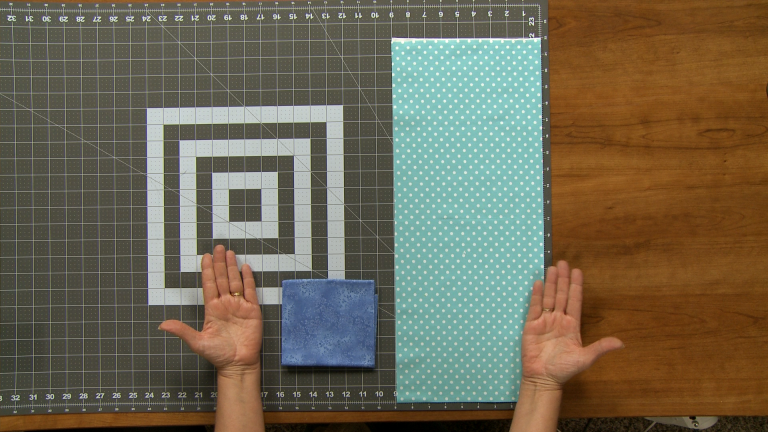
Image Source: d2culxnxbccemt.cloudfront.net
Deciphering Fabric Measurements: Yards and Beyond
Before we dive into the specifics of a quarter yard, let’s clarify how fabric is measured in general. Understanding basic fabric measurements yard is fundamental to any sewing project.
- The Yard: A yard is the standard unit of length for fabric in many parts of the world, especially in the United States. One yard is equivalent to 36 inches. Think of it as the length of a standard ruler.
- The Width: Fabric also has a width, which is usually consistent for a particular type of fabric. This width can vary greatly, from as narrow as 36 inches for some craft cottons to as wide as 108 inches or more for quilting cottons or home decor fabrics. The width is important because it determines how much fabric you can get from a single cut along the length.
The Fabric Quarter Yard Explained
Now, let’s get down to our main question: how much is a quarter of a yard?
As we established, one yard is 36 inches. To find out how much a quarter of a yard is, we simply divide the total length by four:
36 inches / 4 = 9 inches
So, a fabric quarter yard is exactly 9 inches in length.
However, it’s important to note that the width of the fabric remains the same. When you buy a quarter yard, you are purchasing a piece of fabric that is 9 inches long and the full width of the bolt. For example, if the fabric bolt is 44 inches wide, your quarter yard piece will measure 9 inches by 44 inches.
Visualizing a Quarter Yard
To help you visualize this, imagine a standard yardstick. A yardstick is 36 inches long. If you were to divide that yardstick into four equal sections, each section would be 9 inches long. That 9-inch section, when cut from the fabric bolt at its full width, is your quarter yard.
Think about it in terms of common items:
- A standard sheet of printer paper is about 11 inches long. A quarter yard is a little shorter than that.
- A typical paperback book might be around 7-8 inches tall. A quarter yard is slightly taller than most paperback books.
Calculating the Price: The Cost of a Quarter Yard
When you’re buying fabric by the quarter yard, the price is directly related to the overall price of the fabric per yard. This is where understanding 1/4 yard fabric price becomes important for budgeting your projects.
The cost per quarter yard fabric is calculated by taking the price per yard and dividing it by four.
Here’s the basic formula:
- Price of 1/4 yard fabric = Price per yard / 4
Let’s look at an example:
If a beautiful cotton print costs $12.00 per yard, then the quarter yard fabric cost would be:
$12.00 / 4 = $3.00
So, for that specific fabric, you would pay $3.00 for a 9-inch by the full width of the bolt piece.
Factors Affecting 1/4 Yard Fabric Price
The fabric yardage price itself can vary dramatically based on several factors:
- Material: Cotton, silk, linen, wool, polyester – each material has a different base cost. Natural fibers like silk and wool are generally more expensive than synthetics.
- Weave and Weight: Tightly woven fabrics or heavier weight fabrics might cost more per yard.
- Design and Print Quality: Intricate designs, licensed prints (like Disney or popular character fabrics), or high-quality digital prints can increase the price.
- Brand and Designer: Fabrics from well-known designers or premium brands often come with a higher price tag.
- Fabric Width: While we usually buy by length, sometimes wider fabrics might have a different pricing structure. However, for typical quilting cottons (44-45 inches wide), the price per yard is the standard.
- Sale and Discounts: Fabric stores often have sales, which can significantly reduce the price of 1/4 yard fabric.
Example Pricing Table
Let’s illustrate with a table showing different fabric prices per yard and their corresponding quarter yard costs:
| Fabric Type | Price Per Yard | 1/4 Yard Fabric Calculation | Price of 1/4 Yard Fabric |
|---|---|---|---|
| Quilting Cotton (Basic) | $8.00 | $8.00 / 4 | $2.00 |
| Designer Cotton | $12.00 | $12.00 / 4 | $3.00 |
| Specialty Print | $15.00 | $15.00 / 4 | $3.75 |
| Linen Blend | $18.00 | $18.00 / 4 | $4.50 |
| Flannel | $10.00 | $10.00 / 4 | $2.50 |
This table clearly shows how the cost per quarter yard fabric changes based on the initial price per yard.
Why Buy Fabric by the Quarter Yard?
The ability to buy fabric in smaller increments like a quarter yard is incredibly useful for a multitude of sewing and crafting endeavors.
Small Projects and Crafting
Many craft projects require only small amounts of fabric. For instance:
- Patchwork and Quilting: Quilters often need many different small pieces of fabric to create intricate patterns. Buying fabric by the quarter yard allows them to build a diverse stash without purchasing large quantities of each print. This is especially true when making small items like coasters, placemats, or mug rugs, or even just a few blocks for a larger quilt.
- Appliqué: Attaching decorative fabric shapes to a background fabric often calls for small scraps.
- Doll Clothes: Creating outfits for dolls typically uses very little fabric.
- Small Accessories: Hair bows, scrunchies, keychains, coin purses, and fabric-covered buttons are perfect for quarter-yard purchases.
- Sachets and Lavender Bags: These small items are ideal for using up fabric remnants.
- Fabric Decorations: Creating fabric flowers, pompoms, or bunting often involves cutting small strips or shapes.
Testing New Fabrics or Designs
If you’re curious about a new fabric type, a new designer, or a bold print you’re not sure you want a lot of, buying a quarter yard is a low-risk way to try it out. You can see how it feels, how it sews, and how it looks in your project before committing to a larger purchase.
Stash Building
Many sewers enjoy building a fabric stash. Buying a quarter yard of various fabrics is an economical way to accumulate a collection of colors, patterns, and textures to draw from for future projects. It’s a fantastic strategy for experimenting with different styles.
When You Only Need a Small Accent
Sometimes, a project calls for just a small strip of a contrasting fabric for a border, a pocket lining, or a decorative band. In these cases, a quarter yard is more than enough, and you avoid the waste of buying a full yard or even a half yard.
Common Misconceptions About Quarter Yards
There are a couple of common ways fabric is sold in smaller increments, and it’s good to know the difference:
The “Quarter Yard” Cut vs. The “Fat Quarter”
This is perhaps the most frequent point of confusion. When you ask for a quarter yard of fabric, you get a piece that is 9 inches along the selvedge edge (the finished edge of the fabric) by the full width of the bolt.
However, a fat quarter is different. A fat quarter is a half yard of fabric cut lengthwise, creating a piece that is 18 inches by approximately half the width of the bolt.
- Standard Quarter Yard: 9 inches (length) x Full Bolt Width (e.g., 44-45 inches)
- Fat Quarter: 18 inches (length) x Approx. 22-24 inches (half bolt width)
Fat quarters are extremely popular in the quilting community because they offer a larger usable area with more diverse cutting possibilities than a standard quarter yard, especially for projects that require wider pieces. However, they are also more expensive per yard than a standard quarter yard because you are purchasing half the length but still a significant portion of the width.
The 1/4 yard fabric calculation for price is straightforward for a standard quarter yard. For a fat quarter, you’d calculate the price of a half yard and then often pay a bit more for the convenience of the cut.
How to Buy Fabric by the Quarter Yard
The process of buying fabric by the quarter yard is simple once you know what to ask for.
- Locate the Fabric: Find the fabric you want on the bolt.
- Specify Your Cut: Go to the cutting counter and tell the staff, “I’d like a quarter yard of this fabric, please.”
- The Cut: The fabric will be cut from the bolt. The cut will be made 9 inches from the end of the fabric you’ve chosen along the selvedge. You will receive a piece measuring 9 inches long by the full width of the fabric.
- Payment: You will be charged based on the price per yard divided by four.
Some stores might have a minimum purchase quantity. For example, they might require you to buy at least a quarter yard, or they might sell in half-yard increments. It’s always a good idea to check the store’s policy.
Practical Applications and Projects
Let’s consider some specific scenarios where a fabric quarter yard is the perfect amount.
Project Example: A Simple Fabric Bookmark
- Fabric Needed: A small strip, perhaps 3 inches wide by 8 inches long.
- Why a Quarter Yard Works: A quarter yard (9 inches x 44 inches) provides plenty of fabric. You can cut multiple bookmark strips from a single quarter yard, and you’ll have plenty of width to work with. You could even make several different bookmarks from one purchase.
Project Example: Quilting a Small Baby Quilt (Accent Pieces)
- Fabric Needed: For a small baby quilt, you might need several different prints for squares or borders. Let’s say you want 12 different prints, each needing about a 9-inch by 9-inch square for the quilt top.
- Why a Quarter Yard Works: Each of your 12 prints can be purchased as a quarter yard. A 9-inch by 44-inch quarter yard piece is perfect for cutting multiple 9-inch squares. In fact, you can usually get four 9-inch squares from a single quarter yard, meaning one quarter yard is enough for the equivalent of 4 quilt squares. So, you’d need 3 quarter yards to get your 12 squares, with fabric left over.
Project Example: Creating a Small Zipper Pouch
- Fabric Needed: Typically, for a small 6-inch zipper pouch, you might need two pieces of fabric, each about 7 inches by 5 inches. You might also want a contrasting lining fabric.
- Why a Quarter Yard Works: A quarter yard (9 inches x 44 inches) is ample. You can easily cut two 7-inch by 5-inch pieces from one quarter yard for the exterior, and another quarter yard for the lining. You’ll have significant fabric left over from each purchase.
Maximizing Your Quarter Yard Purchase
To get the most out of your fabric quarter yard, consider these tips:
- Plan Your Cuts: Before you even buy the fabric, think about the pieces you’ll need to cut for your project. Lay out the dimensions on paper or visualize them on the bolt.
- Consider the Grainline: Fabric has a grainline that runs parallel to the selvedge. Most patterns require you to cut pieces with the grainline. Understand how your quarter yard piece is oriented to ensure your cuts align with the grain.
- Utilize the Full Width: Don’t just think about the 9-inch length. The full width of the fabric is available to you. This is especially helpful if your project requires narrower strips cut from the width.
- Combine with Fat Quarters: If you need larger pieces, fat quarters might be more economical. However, for very small pieces or a wide variety of colors, standard quarter yards are often ideal.
- Look for Sales: Keep an eye out for sales on fabrics. This can significantly lower the 1/4 yard fabric price and make it even more affordable to build your stash.
Frequently Asked Questions (FAQ)
Here are some common questions people have about quarter yards of fabric:
Q1: What is the difference between a quarter yard and a fat quarter?
A1: A standard quarter yard is a piece of fabric that measures 9 inches in length by the full width of the bolt (typically 44-45 inches). A fat quarter is a half yard of fabric cut lengthwise, resulting in a piece that measures 18 inches by approximately half the width of the bolt (around 22-24 inches).
Q2: Can I buy less than a quarter yard of fabric?
A2: Most fabric stores sell fabric in increments of a quarter yard or a half yard. Some stores might have a minimum purchase of a quarter yard. Buying less than a quarter yard is generally not possible unless it’s a very specific scrap bin or remnant sale.
Q3: How wide is a typical quarter yard of fabric?
A3: The width of a quarter yard of fabric is the same as the width of the fabric on the bolt. For most quilting cottons, this is around 44-45 inches. For other types of fabric, the width can vary.
Q4: How much fabric do I need for a small project?
A4: This depends entirely on the project. Small items like hair bows or coasters might only need a swatch of fabric. Items like small bags or placemats might require a quarter yard or a half yard. Always check your pattern for specific fabric requirements.
Q5: Why is the price of fabric per yard important for calculating the quarter yard cost?
A5: The fabric yardage price is the base cost. Since a quarter yard is exactly one-fourth of a yard in length, the cost per quarter yard fabric is simply the price per yard divided by four. This is a standard way to determine the 1/4 yard fabric price.
Q6: If a fabric is $16 per yard, what is the price of 1/4 yard fabric?
A6: The price of 1/4 yard fabric would be $16.00 / 4 = $4.00.
Q7: Are fat quarters more expensive per yard than regular quarter yards?
A7: Yes, generally. While you get more fabric with a fat quarter (18″ x ~22-24″), the 1/4 yard fabric calculation for cost means a standard quarter yard (9″ x 44-45″) is more economical if your project can utilize that shape. Fat quarters are priced for the convenience of their larger, more versatile cut.
Q8: Is 9 inches always the length when buying a quarter yard?
A8: Yes, when you request a “quarter yard” of fabric from a bolt, you are asking for 9 inches of length measured along the selvedge edge, at the full width of the fabric.
Conclusion
Navigating fabric purchases can seem complex, but understanding basic measurements like the quarter yard makes it much simpler. A fabric quarter yard is a versatile and essential purchase for crafters and sewers alike. It’s the perfect amount for countless small projects, for testing new materials, and for building a vibrant fabric stash without breaking the bank. By knowing that a quarter yard equals 9 inches in length and how to calculate its cost based on the fabric yardage price, you can confidently select and purchase the exact amount of fabric you need, ensuring your creative endeavors are both successful and budget-friendly. Happy sewing!