
The weight of a cubic yard of sand varies, but a common estimate is around 2,000 to 3,000 pounds. This means a cubic yard of sand can weigh as much as a small car! This blog post will delve into the factors that influence the weight of a cubic yard of sand, explain the sand density cubic yard relationship, and help you answer the crucial question: how much does a yard of sand weigh. We’ll explore the cubic yard sand weight and the conversion from sand volume to weight, so you can accurately plan your projects.
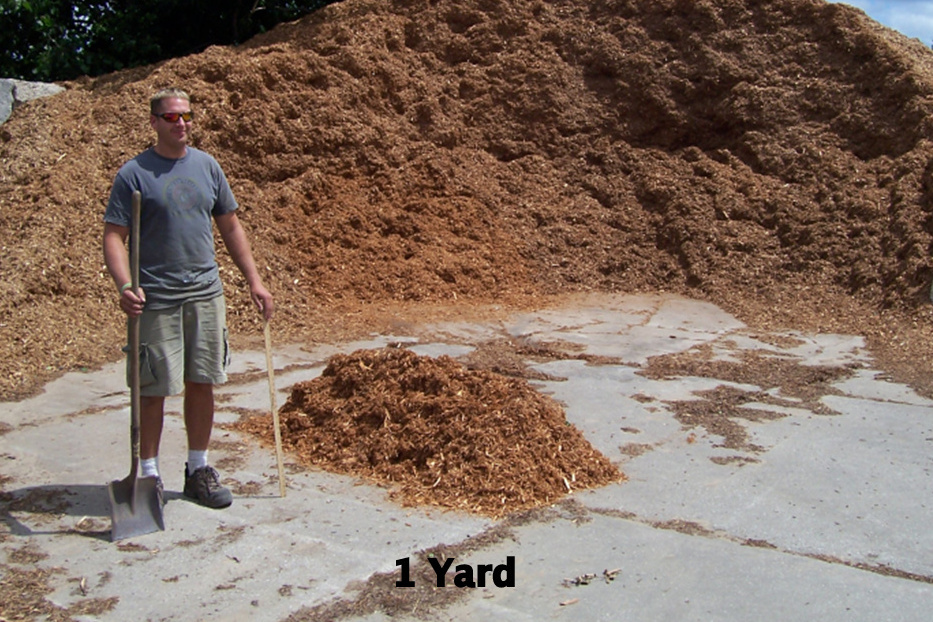
Image Source: klsupplies.com
Fathoming the Weight of a Cubic Yard of Sand
When you order sand for a project, you’re likely ordering it by volume – a cubic yard. But what you really need to know is the weight. Why? Because heavy materials can strain your vehicle, your back, and your budget if you’re not prepared. Knowing the weight of a cubic yard of sand is essential for logistics, planning, and safety.
What Determines How Much a Yard of Sand Weighs?
Several factors play a role in the final weight. It’s not a simple one-size-fits-all answer.
Sand Type and Its Impact
The type of sand is a primary determinant of its weight. Different geological formations and mineral compositions lead to variations in density.
- Construction Sand (All-Purpose Sand): This is a common type, often a mix of coarse and fine grains. It tends to be denser.
- Play Sand: This sand is usually finer and cleaner, often processed and washed. While it might seem lighter, its packing can influence its weight.
- Masonry Sand: This is a finer sand used for mortar. Its finer grain size can lead to different packing densities.
- Coarse Aggregate (Gravel): While not strictly sand, people often use the term loosely. Larger, coarser materials will weigh less per cubic yard than fine, well-packed sand due to more air space.
Moisture Content: The Hidden Weight
This is arguably the most significant variable. Sand, especially when purchased in bulk, is rarely bone dry.
- Dry Sand: This will be at the lower end of the weight spectrum.
- Damp Sand: Even a little moisture can add considerable weight. Think of how heavy wet beach towels are compared to dry ones. Sand is similar. Water is heavy!
- Saturated Sand: If the sand has been sitting in the rain or is waterlogged, its weight will be significantly higher.
Compaction: Loose vs. Packed
How the sand is handled before you measure it dramatically affects its weight.
- Loose Sand: Sand that has just been dumped or shoveled will have more air pockets between grains. This makes it less dense and therefore lighter per cubic yard.
- Compacted Sand: If sand has been subjected to pressure, vibration, or repeated movement, the grains settle closer together. This reduces the air space, making it denser and heavier. This is why you’ll often see different figures for loose sand weight per yard versus compact sand weight per yard.
Deciphering Sand Density Cubic Yard
The concept of density is key here. Density is mass per unit volume. For sand, we talk about its sand density cubic yard.
- Bulk Density: This is the most common measure for materials like sand. It accounts for the volume of the solid particles and the air spaces between them.
- Specific Gravity: This refers to the density of the sand particles themselves, without the air space. It’s a property of the mineral composition.
The bulk density is what matters for your practical needs. A higher bulk density means a heavier cubic yard of sand.
How Much Does a Yard of Sand Weigh? The Numbers Explained
So, let’s get down to brass tacks. How much does a yard of sand weigh?
Estimating the Cubic Yard Sand Weight
As a general rule of thumb, a cubic yard of sand typically weighs between 2,000 to 3,000 pounds. This is a broad range, and as we’ve discussed, the exact number depends on the factors above.
- Dry, Loose Sand: Might be closer to 2,000 – 2,500 pounds.
- Damp, Compacted Sand: Could easily reach 2,500 – 3,000 pounds or even more.
To get a better idea, let’s break down the sand volume to weight conversion with more specific figures.
Table: Estimated Weights of Sand per Cubic Yard
| Sand Type | Moisture Level | Compaction | Estimated Weight (lbs/cubic yard) |
|---|---|---|---|
| Construction Sand | Dry | Loose | 2,000 – 2,300 |
| Construction Sand | Damp | Loose | 2,300 – 2,600 |
| Construction Sand | Dry | Compacted | 2,500 – 2,800 |
| Construction Sand | Damp | Compacted | 2,800 – 3,200+ |
| Play Sand | Dry | Loose | 1,800 – 2,200 |
| Play Sand | Damp | Loose | 2,100 – 2,400 |
| Masonry Sand | Dry | Loose | 2,200 – 2,500 |
| Masonry Sand | Damp | Compacted | 2,600 – 2,900 |
Important Note: These are estimates. Always check with your supplier for their specific product’s weight, or conduct your own small-scale test if precision is critical.
How Many Pounds in a Cubic Yard of Sand?
To re-emphasize, the answer to how many pounds in a cubic yard of sand is typically between 2,000 and 3,000 pounds. This translates to roughly 1 to 1.5 tons per cubic yard.
The Weight of a Ton of Sand: A Different Perspective
You might also encounter sand being sold by the ton. This is a more direct measure of weight. If you know the weight of a ton of sand, you can better gauge how many cubic yards you’ll get.
- A ton is 2,000 pounds.
- If a cubic yard of sand weighs 2,500 pounds, then one ton of sand is less than a cubic yard (2000 / 2500 = 0.8 cubic yards).
- If a cubic yard of sand weighs 2,000 pounds, then one ton of sand is exactly one cubic yard.
This highlights why knowing the density and moisture content is crucial when converting between volume and weight.
Practical Implications for Your Projects
Knowing the weight of sand is more than just a trivia point; it directly impacts your project planning.
Planning Your Haulage
- Vehicle Capacity: Most pickup trucks have a payload capacity of around 1,000 to 2,000 pounds. This means you likely cannot haul a full cubic yard of sand in a standard pickup truck without exceeding its weight limit, especially if the sand is damp.
- Trailer Requirements: If you need to move more than a cubic yard, you’ll need a trailer with a sufficient weight rating. A small utility trailer might hold 0.5 cubic yards, while a larger dump trailer could handle 1-2 cubic yards or more.
- Delivery Services: For larger quantities, hiring a professional delivery service is often the safest and most practical option. They have the trucks and trailers designed for heavy loads.
Budgeting and Ordering
- Pricing: Sand is often priced by the cubic yard or by the ton. If you’re comparing prices, ensure you’re comparing apples to apples. A price per cubic yard for dry sand might seem cheaper than for damp sand, but you’re getting less weight.
- Estimating Needs: Over-ordering can lead to waste and extra hauling costs. Under-ordering means more trips and potentially delaying your project. A good estimate of weight helps you order the right amount.
Working with Sand Safely
- Lifting: Never attempt to lift a full wheelbarrow of sand on your own if it feels too heavy. Sand is dense and can easily exceed safe lifting limits. Distribute the load or get help.
- Storage: If you’re storing sand on your property, consider the weight and where you’re placing it. A large pile of damp sand can exert significant pressure on surfaces.
Comprehending Sand Volume to Weight Conversions
Let’s simplify the conversion process with a practical approach.
The Role of Density in Conversion
The core formula for converting volume to weight is:
Weight = Volume × Density
When dealing with sand, the “Density” here refers to the bulk density of the sand in question.
Example Calculation
Let’s say you have a specific type of construction sand with a known bulk density of 2,700 pounds per cubic yard.
- You need 0.5 cubic yards of this sand.
- Weight = 0.5 cubic yards × 2,700 pounds/cubic yard = 1,350 pounds.
This 1,350 pounds is a manageable load for many pickup trucks.
Tools and Resources
- Supplier Information: Always ask your sand supplier for the estimated weight per cubic yard of their specific product. They usually have this information readily available.
- Online Calculators: Many construction and landscaping websites offer calculators that can help you estimate the weight of sand based on volume and type.
- Weigh Stations: For absolute precision, you could weigh your vehicle with and without the sand, but this is usually overkill for most DIY projects.
Fathoming Different Sand Grains and Their Weights
The size and shape of sand grains also contribute to the overall density.
Fine Grains vs. Coarse Grains
- Fine Sand: Finer grains tend to pack more tightly, potentially leading to a higher weight per cubic yard, especially when damp and compacted. However, very fine, dry sand can also have more air pockets if not well-compacted.
- Coarse Sand: Coarser grains have more irregular shapes and larger particles. This can create more void space between grains, making it slightly lighter per cubic yard compared to fine sand under similar moisture and compaction conditions.
The Impact of Angularity
- Angular Grains: Sand with sharp, angular grains (like crushed stone fines) will interlock better than rounded grains. This interlocking can lead to denser packing and a higher weight.
- Rounded Grains: Rounded grains (like those found in riverbeds) tend to roll over each other and may not pack as tightly, potentially resulting in a slightly lower weight per cubic yard.
Frequently Asked Questions (FAQ)
Q1: Can I haul a cubic yard of sand in my pickup truck?
A1: It depends on your truck’s payload capacity and the moisture content and type of sand. A standard half-ton pickup truck typically has a payload capacity of around 1,000 to 2,000 pounds. Since a cubic yard of sand can weigh between 2,000 and 3,000 pounds, you will likely exceed your truck’s limit with a full cubic yard, especially if the sand is damp. It’s safer to assume you can only haul about half a cubic yard at a time in most standard pickups. Always check your truck’s owner’s manual for its specific payload capacity.
Q2: How much does a ton of sand fill in cubic yards?
A2: This depends on the density of the sand. If the sand weighs 2,000 pounds per cubic yard, then a ton of sand is exactly 1 cubic yard. However, if the sand weighs 2,500 pounds per cubic yard, then a ton of sand will fill less than a cubic yard (specifically, 2000 lbs / 2500 lbs/cubic yard = 0.8 cubic yards).
Q3: Does play sand weigh the same as construction sand?
A3: Not necessarily. Play sand is often processed to be finer and cleaner. While it might seem lighter due to its fine texture, its packing and moisture content can significantly influence its actual weight. Construction sand, often a mix of grain sizes, can be denser depending on its composition and how it’s compacted. It’s best to check with the supplier for specific weight estimates.
Q4: How can I reduce the weight of sand for hauling?
A4: The primary way to reduce the weight of sand is to ensure it is as dry as possible. Allowing sand to dry out will lower its weight considerably. However, for most projects, you’ll receive sand that is already at a typical moisture level. If you’re buying large quantities, consider buying in bulk by weight (tons) rather than volume (cubic yards) if your supplier offers it, as this avoids the variability of moisture and compaction in volume measurements.
Q5: What is the average weight of a cubic yard of concrete mix if it contains sand?
A5: A cubic yard of concrete typically weighs around 4,000 pounds. This weight includes cement, gravel, water, and sand. The sand component contributes significantly to this overall weight, as sand itself is quite dense.
Conclusion: Weighting Your Options
Precisely answering “How heavy is a yard of sand?” requires looking beyond a single number. The weight of a cubic yard of sand is a dynamic figure, influenced by the sand’s type, moisture content, and compaction. By grasping the concept of sand density cubic yard and understanding the variables affecting loose sand weight per yard versus compact sand weight per yard, you can confidently estimate how much does a yard of sand weigh. This knowledge empowers you to plan your projects efficiently, safely, and within budget, ensuring you order and transport the right amount of this essential material. Always consult your supplier for the most accurate weight information for their specific products.