
When can I water my yard after leveling? You should begin watering your yard immediately after leveling, especially if you are planting new grass seed or installing sod. The key is consistent moisture to help the soil settle and encourage root establishment.
Leveling your yard can be a game-changer, transforming bumpy, uneven terrain into a smooth, inviting space. However, the work isn’t done once the dirt is spread and raked. Proper watering is absolutely critical in the weeks and months following leveling to ensure your lawn thrives. This guide will walk you through the best watering practices for your yard after leveling, helping you achieve that lush, healthy look you desire.
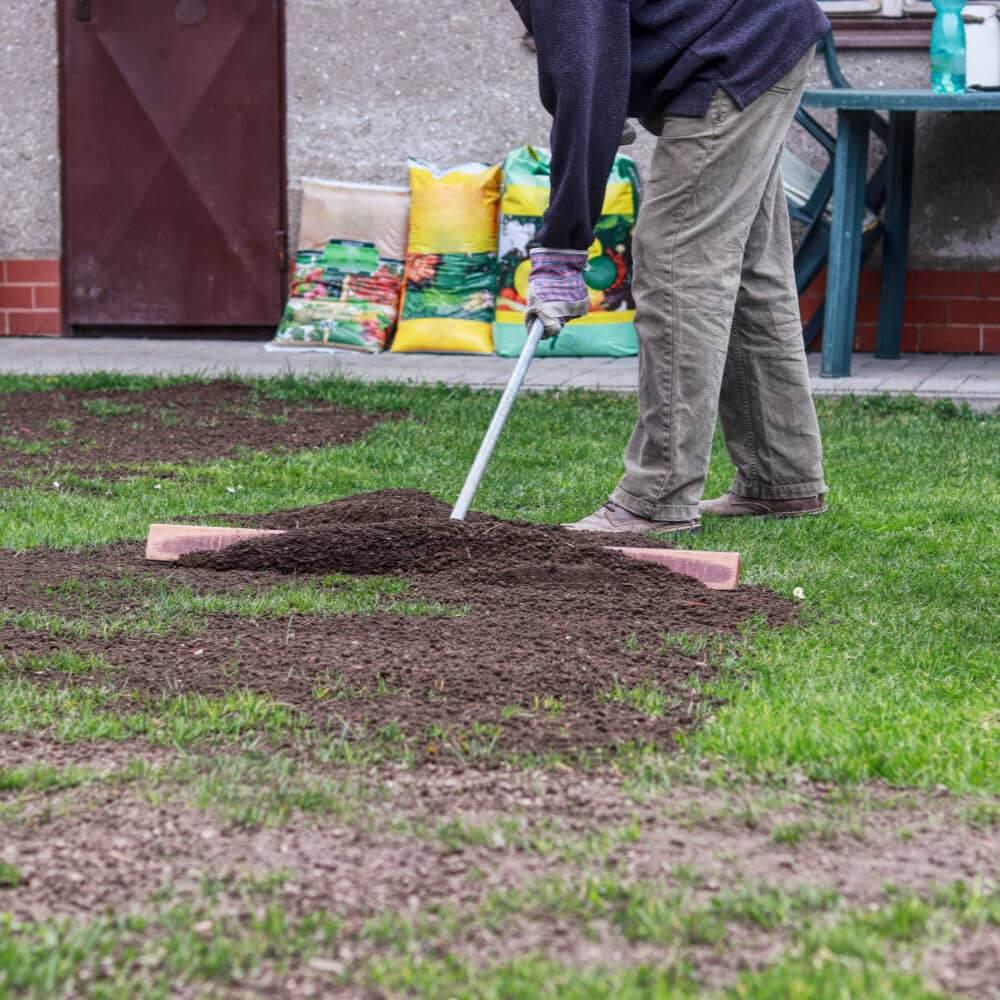
Image Source: dam.thdstatic.com
The Crucial Role of Watering Post-Leveling
Water is life for any lawn, but after the disruption of leveling, it plays an even more vital role. Leveling, by its nature, disturbs the existing soil structure and can expose new soil that dries out quickly. This makes a consistent watering schedule paramount.
Settling the Soil
Freshly leveled soil needs to settle. Watering helps the soil particles pack together, reducing air pockets and creating a more stable foundation. This is especially important for preventing erosion on any slight slopes.
Encouraging Root Establishment
Whether you’ve overseeded or laid new sod watering is your primary tool for success. Water encourages grass roots to grow downwards, anchoring the new grass and allowing it to draw moisture from deeper in the soil. Without adequate water, roots will struggle to establish, leaving your new lawn vulnerable.
Preventing Transplant Shock
If you’ve installed sod, proper watering is your defense against transplant shock. Sod is essentially a living organism that has been cut from its natural environment. It needs immediate and consistent moisture to help it adapt to its new home and prevent the grass blades from wilting and dying.
Factors Influencing Your Watering Schedule
There’s no one-size-fits-all answer to how often to water. Several factors will dictate your specific watering schedule after leveling.
Grass Type
Different types of grass have varying water needs. Cool-season grasses like fescues and ryegrass generally require more frequent watering than warm-season grasses like Bermuda and Zoysia, especially during hot weather.
Soil Type
- Sandy soils drain quickly. They need more frequent watering, but with shorter durations to avoid runoff.
- Clay soils hold moisture longer. They require less frequent watering, but with longer durations to allow water to penetrate deeply.
- Loam soils are ideal, offering a good balance of drainage and moisture retention.
Weather Conditions
- Temperature: Hotter temperatures mean more evaporation. You’ll need to water more frequently and deeply.
- Wind: Windy conditions also increase evaporation, requiring more attention to soil moisture levels.
- Rainfall: Natural rainfall can supplement your watering. Always check if recent rain has adequately moistened the soil before watering.
Time of Year
Your irrigation after yard leveling will change with the seasons.
* Spring: Moderate watering is usually sufficient.
* Summer: Increased watering is necessary due to heat and potential drought.
* Fall: Watering needs decrease as temperatures cool.
* Winter: Minimal to no watering is typically required, depending on your climate.
Watering New Seed vs. New Sod
The lawn care after leveling for newly seeded areas differs significantly from that for new sod.
New Sod Watering
Sod needs consistent moisture to help the roots make contact with the soil and begin to grow.
Initial Watering:
* Water immediately after installation.
* Soak the sod thoroughly – aim for about 1 inch of water. The goal is to moisten the sod and the soil beneath it.
* You should see water seeping a few inches down.
First Few Weeks (Root Establishment Phase):
* Daily Watering: Keep the sod consistently moist but not waterlogged. This might mean watering once or twice a day, depending on the weather.
* Check Soil Moisture: Gently lift a corner of the sod. If the soil underneath feels dry, it’s time to water.
* Duration: Shorter, more frequent watering sessions are best to prevent the sod from drying out.
After the First Few Weeks:
* Gradually reduce watering frequency.
* Increase the duration of each watering session. Aim for deeper watering to encourage roots to grow down.
* Water every 2-3 days, ensuring the soil is moist to a depth of 4-6 inches.
Seed Germination Watering
Watering newly seeded areas is all about keeping the top layer of soil consistently moist for seed germination watering.
Initial Watering:
* Water gently but thoroughly after seeding.
* The goal is to moisten the top inch or two of soil where the seeds are located.
* Avoid heavy watering that can wash the seeds away.
Germination and Early Growth Phase (First 2-3 Weeks):
* Frequent Light Watering: You’ll likely need to water lightly multiple times a day (e.g., morning, midday, and late afternoon) to keep the soil surface from drying out.
* Focus on the Surface: The aim is to keep the top 1/2 inch of soil moist at all times.
* Consistency is Key: Never let the seeded areas dry out completely. This will kill the emerging seedlings.
As Seedlings Grow:
* Once seedlings emerge and start to establish, gradually reduce watering frequency.
* Increase the duration of watering sessions to encourage deeper root growth.
* Aim to water every 2-3 days, allowing the soil surface to dry slightly between waterings, but ensuring moisture reaches 3-4 inches deep.
Developing Your Post-Leveling Lawn Maintenance Watering Plan
This section details how to create and adjust your watering plan.
Establishing a Baseline Watering Schedule
Start with a conservative approach and adjust as you observe your lawn’s response.
For New Sod:
* Days 1-7: Water 1-2 times daily, soaking the soil.
* Days 8-14: Water once daily, ensuring deep moisture.
* Weeks 3-4: Water every 2-3 days, watering deeply.
For New Seed:
* Days 1-14 (Germination): Water lightly 2-3 times daily, keeping the surface moist.
* Weeks 2-3 (Seedling Growth): Water once daily, ensuring moisture penetration.
* Weeks 3-4 onwards: Water every 2-3 days, watering deeply.
Monitoring Soil Moisture Levels
This is the most crucial aspect of successful irrigation after yard leveling.
How to Check:
* The Screwdriver Test: Push a long screwdriver or a metal stake into the ground. If it goes in easily, the soil is moist. If it’s difficult to push, the soil is dry and needs water.
* Visual Inspection: Look for wilting or color changes in the grass. Pale green or bluish-gray can indicate stress.
* Finger Test: Dig down a few inches with your finger. If the soil feels dry, it’s time to water.
Watering Techniques for Optimal Results
The “how” of watering is just as important as the “when.”
Deep and Infrequent Watering
Once your lawn is established (after the initial critical weeks), aim for deep and infrequent watering. This encourages roots to grow deeper into the soil, making the lawn more drought-tolerant.
- Goal Depth: Aim to moisten the soil to a depth of 4-6 inches.
- Frequency: This might mean watering once or twice a week, depending on the factors mentioned earlier.
Watering in the Morning
- Best Time: The best time to water is early morning, between 4 AM and 10 AM.
- Benefits: This allows the water to soak in before the heat of the day causes excessive evaporation. It also allows the grass blades to dry off during the day, reducing the risk of fungal diseases.
- Avoid Evening Watering: Watering in the evening can leave grass blades wet overnight, creating a perfect environment for fungal growth.
Using the Right Irrigation System
- Sprinklers: Ensure your sprinklers are evenly distributing water. Check for dry spots or areas that are receiving too much water. Adjust sprinkler heads as needed.
- Soaker Hoses/Drip Irrigation: For newly planted beds or specific areas, these methods deliver water directly to the root zone, minimizing evaporation and water waste.
Common Watering Mistakes to Avoid
Even with good intentions, some common mistakes can hinder your lawn’s recovery after leveling.
Overwatering
- Symptoms: Yellowing grass, a spongy feel to the turf, fungal growth.
- Problem: Overwatering suffocates the roots by leaving no air in the soil and can promote disease.
Underwatering
- Symptoms: Wilting, browning, thin patches, increased susceptibility to pests.
- Problem: Underwatering stresses the grass, hindering root development and overall health. For new seed, it can kill seedlings before they establish.
Shallow Watering
- Problem: This encourages shallow root growth, making the lawn more vulnerable to drought and heat.
Watering at the Wrong Time
- Problem: Watering in the heat of the day leads to significant water loss through evaporation. Watering at night increases the risk of fungal diseases.
Transitioning to Regular Lawn Care
Once your grass is well-established, you can transition to your regular post-leveling lawn maintenance routine.
What is “Established”?
- For Sod: Roots have penetrated the soil, and the sod can no longer be easily lifted. It typically takes 2-4 weeks.
- For Seed: Grass has reached a height of about 2-3 inches and is growing vigorously. This usually takes 4-6 weeks.
Adjusting Your Watering Schedule
- Observe Your Lawn: Continue to monitor your lawn’s needs.
- Seasonal Adjustments: Adjust watering frequency and duration based on the season and weather.
- Deep Watering is Key: Continue to water deeply and less frequently to promote strong root systems.
Frequently Asked Questions (FAQ)
How soon after leveling can I walk on my lawn?
It’s best to avoid walking on newly leveled areas as much as possible for the first week or two, especially if you’ve just seeded or sodded. If you must walk on it, do so lightly and avoid compacting the soil.
Can I use a sprinkler system after leveling?
Yes, if you have an existing sprinkler system, you can use it. However, you may need to adjust sprinkler head positions or run times to ensure even coverage over the newly leveled areas. For new seed, use a sprinkler with a fine spray to avoid displacing the seeds.
How do I know if my soil is too wet or too dry?
Use the screwdriver test (mentioned earlier) or the finger test. If the soil is muddy or water sits on the surface, it’s too wet. If it’s hard and dry, and the screwdriver won’t go in easily, it’s too dry.
How long does it take for grass seed to germinate after leveling?
Germination times vary by grass type, but most common lawn grasses will begin to germinate within 7 to 21 days, provided they have adequate moisture, temperature, and sunlight. Consistent moisture is the most critical factor during this period.
My new sod looks a little yellow. What should I do?
Yellowing sod can indicate a few things: it might be underwatered, overwatered, or experiencing transplant shock. Check the soil moisture beneath the sod. If it’s dry, increase watering. If it’s constantly soggy, reduce watering frequency. Ensure you’re not watering during the hottest part of the day.
Should I fertilize after leveling?
It’s often beneficial to apply a starter fertilizer when you seed or lay sod. This provides essential nutrients to help the new grass establish strong roots. Follow the product instructions carefully.
How do I deal with uneven watering from my sprinklers?
Check your sprinkler heads for clogs or damage. Adjust their position to ensure they are spraying effectively. You may also need to consider installing new sprinkler heads or a different type of irrigation system if coverage is consistently poor.
How much water is too much for new grass seed?
Too much water can wash away the seeds, create puddles, and lead to fungal diseases. For seed germination, focus on keeping the top inch of soil consistently moist with light, frequent watering rather than drenching it.
What are the signs of good root establishment?
Good root establishment is evident when the grass blades are firm and upright, and the sod is well-rooted to the ground. You shouldn’t be able to easily lift the sod. The grass will have a healthy green color and will recover quickly after being stepped on.
How does lawn care after leveling differ from general lawn care?
The main difference is the heightened need for meticulous watering and careful soil moisture management. The soil is disturbed, and new grass is vulnerable. Once established, the watering needs become more typical, but the initial period requires extra attention.
In conclusion, proper watering is the cornerstone of a successful lawn after leveling. By paying close attention to your soil’s needs, the type of grass you’ve planted, and the prevailing weather conditions, you can ensure your newly leveled yard transforms into a beautiful, healthy, and resilient green space. Consistent observation and timely adjustments to your watering schedule will pave the way for robust root establishment and a lawn you can be proud of.