
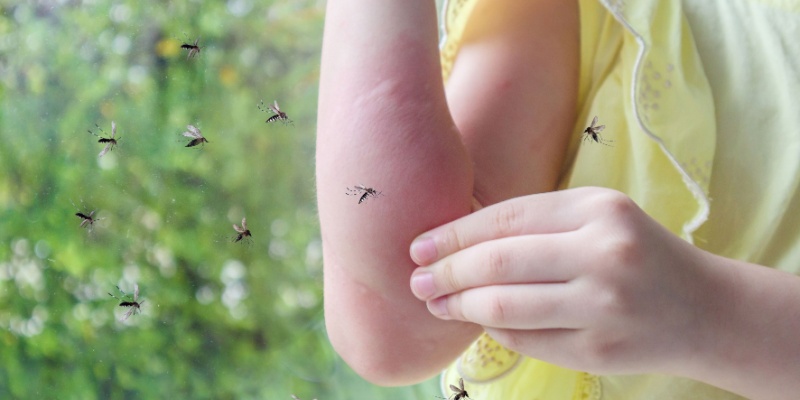
Image Source: triopestcontrol.com
Mosquito Problems? Why Do I Have So Many Mosquitoes In My Yard?
What is the primary reason for a high mosquito population in my yard? The most common culprit is the presence of stagnant water, which serves as mosquito breeding sites.
It’s a common frustration. You step outside for a pleasant evening, only to be swarmed by buzzing pests. Your yard, meant to be a sanctuary, feels more like a mosquito buffet. So, why are there so many mosquitoes in your yard? The answer usually boils down to a few key factors, all revolving around the needs of these pesky insects. Mosquitoes are more than just a nuisance; they can transmit diseases, making effective management crucial. Let’s delve into the reasons behind your mosquito surge and explore how to reclaim your outdoor space.
The Mosquito Life Cycle: A Foundation for Infestation
To truly grasp why mosquitoes are plaguing your yard, we need to look at their life cycle. This process, from egg to adult, dictates their needs and where they thrive.
- Eggs: Female mosquitoes lay their eggs in or near water. Some species prefer a film on the water’s surface, while others lay eggs in damp soil that will later flood.
- Larvae (Wrigglers): Once the eggs hatch, aquatic larvae emerge. They breathe air through a siphon tube that extends to the water’s surface. They feed on organic matter and microorganisms in the water. This stage is critical because it’s where many mosquito control methods focus.
- Pupae (Tumblers): Larvae then transform into pupae, which are also aquatic but do not feed. They continue to develop inside a protective casing.
- Adult Mosquitoes: Finally, the adult mosquito emerges from the pupal skin at the water’s surface. They are capable of flight and, for females, seeking blood meals to develop their eggs.
This cycle highlights the absolute necessity of water for mosquitoes to reproduce. If water is available, mosquitoes can breed.
Decoding Your Yard: Identifying Mosquito Breeding Sites
The most significant factor contributing to a high mosquito population in your yard is the availability of stagnant water. Mosquitoes are remarkably adaptable and can utilize even the smallest amounts of standing water to lay their eggs. Identifying these mosquito breeding sites is the first and most crucial step in tackling the problem.
Common Culprits: Where Water Gathers
Let’s walk through your yard and identify potential breeding grounds:
-
Containers and Vessels:
- Old Tires: Tires are notorious for collecting rainwater. Even a small amount of water trapped inside can support an entire mosquito generation.
- Buckets and Watering Cans: Left out in the open, these can quickly fill with rain.
- Plant Pots and Saucers: Excess water in pot saucers can become a breeding ground.
- Wheelbarrows: Similar to tires, these can trap water.
- Bird Baths: While beneficial for birds, if not cleaned and refilled regularly (at least twice a week), they become prime breeding spots.
- Pet Water Bowls: These need frequent cleaning and refilling.
- Children’s Toys: Small toys, wading pools, and even sandboxes can collect water.
- Trash Cans and Recycling Bins: Lids that don’t seal properly or containers that collect water in their base are problematic.
- Gutters: Clogged gutters can hold standing water, especially after rain.
- Decorative Items: Fountains without moving water, ornamental ponds, and even forgotten tarps can create stagnant pools.
-
Natural Water Accumulations:
- Low-Lying Areas and Puddles: Any depression in your yard that holds water after rain, even for a few days, can be a breeding site.
- Tree Holes: Rotting trees can develop cavities that collect water.
- Overgrown Vegetation: Thick, unkempt vegetation can trap moisture and create humid microclimates favorable to mosquitoes.
-
Man-Made Structures:
- Clogged Drains: Blocked drains can prevent water from flowing away.
- Leaky Outdoor Faucets: A constant drip can create a small puddle.
- Pool Covers: Water can collect on improperly drained pool covers.
- Unused Swimming Pools: Even small amounts of rainwater can accumulate and breed mosquitoes.
Beyond Stagnant Water: Other Contributing Factors
While stagnant water is the primary driver, other elements can exacerbate your mosquito problem.
1. Proximity to Water Sources:
- Nearby Ponds, Lakes, or Wetlands: If your property borders a natural body of water, you’re inherently more susceptible to mosquito populations from those areas.
2. Vegetation Density:
- Overgrown Shrubs and Tall Grass: Adult mosquitoes, during hot and humid weather, rest in shady, damp areas. Dense vegetation provides ideal resting places, offering shelter from the sun and wind. This can also make it harder for treatments to reach them effectively.
3. Climate and Weather Patterns:
- Rainfall: Consistent rainfall creates more opportunities for stagnant water to form.
- Humidity and Temperature: Mosquitoes are most active in warm, humid conditions. Extended periods of these weather patterns can lead to larger mosquito populations.
4. Time of Day and Mosquito Activity:
- Crepuscular Feeders: Many mosquito species are most active during dawn and dusk. This is when they seek blood meals. If you’re spending time outdoors during these periods, you’ll notice them more.
Effective Mosquito Control Methods: A Multi-Pronged Approach
Tackling a significant mosquito problem requires a comprehensive strategy. It’s not enough to just swat at them; you need to address the root causes. The goal is to disrupt their life cycle and reduce their presence around your home.
1. Eliminating Mosquito Larvae: The Most Critical Step
The most effective way to control mosquito populations is by targeting them at their larval stage. Eliminating mosquito larvae means removing or treating their breeding grounds.
-
Drain and Fill:
- Regularly empty containers that can hold water.
- Turn over buckets, wheelbarrows, and anything else that might collect water.
- Fill in low-lying areas in your yard that tend to puddle after rain.
-
Treat Water That Cannot Be Drained:
- Larvicides: For water sources that cannot be eliminated (like ornamental ponds or water features), consider using larvicides. These are products specifically designed to kill mosquito larvae. Look for products containing Bti (Bacillus thuringiensis israelensis) or methoprene. These are often available as dunks or granules. Always follow product instructions carefully.
- Introduce Mosquito-Eating Fish: In larger, permanent water features like ponds, introducing fish that feed on mosquito larvae (e.g., mosquitofish or guppies) can be an effective biological control.
-
Maintain Water Features:
- Bird Baths: Clean and refill them at least twice a week.
- Fountains and Ponds: Ensure water is circulating. Moving water makes it difficult for mosquitoes to lay eggs and for larvae to survive.
2. Managing Yard Waste and Vegetation:
- Regular Mowing and Trimming: Keep your lawn mowed and trim overgrown shrubs and bushes. This reduces resting spots for adult mosquitoes.
- Clear Debris: Remove leaf litter, grass clippings, and other yard debris that can trap moisture.
- Clean Gutters: Ensure your gutters are clear of leaves and debris to allow water to flow freely.
3. Physical Barriers:
- Screens on Windows and Doors: Ensure all screens are intact and free of holes to prevent mosquitoes from entering your home.
- Mosquito Nets: Consider using mosquito nets over beds or seating areas if you are particularly susceptible.
4. Chemical Control (Use with Caution):
- Insecticides: For adult mosquitoes, insecticides can provide temporary relief. These are often applied as sprays. However, indiscriminate use can harm beneficial insects and the environment. If you choose this route, opt for targeted applications and consider professional services.
Backyard Mosquito Solutions: From DIY to Professional Help
When faced with a persistent mosquito problem, you have several options for backyard mosquito solutions.
1. DIY Methods and Natural Approaches:
-
Mosquito Repelling Plants: While not a primary solution, certain plants are believed to have natural repellent qualities. These can create a pleasant scent for humans but may deter mosquitoes. Some popular choices include:
- Citronella: The oil from this grass is a common ingredient in candles and repellents.
- Marigolds: Their scent can deter mosquitoes.
- Basil: Its strong aroma is said to be off-putting to mosquitoes.
- Lavender: Known for its calming scent, it may also keep mosquitoes away.
- Rosemary: Another fragrant herb with potential repellent properties.
- Catnip: Studies have shown catnip oil can be effective.
It’s important to note that while these plants can offer some minor benefit, they are unlikely to solve a significant mosquito infestation on their own. Planting them around patios and seating areas might provide a small buffer.
-
Natural Mosquito Repellents: For personal protection, natural mosquito repellents are a safer alternative to chemical sprays. Look for repellents containing:
- Oil of Lemon Eucalyptus (OLE): Recommended by the CDC as an effective natural repellent.
- Citronella Oil: A classic, though often less long-lasting than OLE.
- Soybean Oil: Some studies suggest it can offer protection.
- Peppermint Oil: A strong scent that may deter mosquitoes.
-
DIY Traps:
- Yeast and Sugar Traps: These traps work by creating carbon dioxide, which attracts mosquitoes. A common recipe involves mixing yeast, sugar, and warm water in a plastic bottle. The CO2 produced attracts mosquitoes, and they become trapped inside. While they can catch some mosquitoes, their effectiveness is often debated and limited for large-scale problems.
2. Best Mosquito Traps:
When considering traps, look for those that target multiple mosquito attractants:
- CO2 Traps: These mimic human breath by releasing carbon dioxide, often combined with heat and other attractants like octenol. Mosquitoes are drawn to the CO2 and then captured. These can be very effective but require maintenance and a power source.
- UV Light Traps: These use UV light to attract mosquitoes and other flying insects, then zap them or trap them on a sticky surface. Their effectiveness for mosquitoes can vary, as not all species are strongly attracted to UV light.
- Propane-Powered Traps: These are generally more powerful and effective, using propane to create CO2, often with additional attractants. They are more of an investment but can significantly reduce mosquito populations in a larger area.
When choosing a trap, consider the size of your yard, your budget, and the type of mosquitoes prevalent in your area.
3. Professional Mosquito Spraying:
For severe infestations, professional mosquito spraying is often the most efficient and effective solution. Professionals have access to powerful insecticides and application equipment that can target adult mosquitoes and their resting sites.
-
Benefits of Professional Spraying:
- Targeted Application: Professionals know where mosquitoes are likely to rest and breed.
- Effective Products: They use EPA-approved insecticides that are more potent than DIY options.
- Reduced Nuisance: They can significantly reduce the mosquito population quickly, allowing you to enjoy your yard.
- Ongoing Protection: Many services offer seasonal treatments to keep mosquito populations down throughout the warmer months.
-
Considerations for Professional Spraying:
- Cost: It is a more significant financial investment than DIY methods.
- Environmental Impact: Discuss with the service provider their methods and the products they use to ensure they are as environmentally friendly as possible.
- Timing: Treatments are most effective when applied when mosquitoes are active but before they lay their eggs.
Mosquito Prevention Tips: A Proactive Approach
The best defense against a mosquito problem is a good offense. Implementing mosquito prevention tips can significantly reduce your yard’s attractiveness to these pests.
- Regularly Inspect Your Yard: Make it a habit to walk around your property weekly and look for potential mosquito breeding sites. Empty any standing water you find.
- Maintain Your Lawn and Garden: Keep grass short and trim back overgrown vegetation.
- Secure Your Home: Ensure window and door screens are in good repair.
- Use Fans Outdoors: Mosquitoes are weak fliers. Placing fans on your patio or deck can create enough airflow to make it difficult for them to land and bite.
- Dress Appropriately: When outdoors, wear long sleeves and pants, especially during peak mosquito activity times. Light-colored clothing may be less attractive to some mosquito species.
- Avoid Peak Activity Times: If possible, limit outdoor activities during dawn and dusk.
- Use Repellents: Apply EPA-approved insect repellents to exposed skin when outdoors.
Frequently Asked Questions About Mosquitoes in Your Yard
Q1: How often should I check for stagnant water?
A1: Ideally, you should check for and eliminate stagnant water at least once a week, and after every significant rainfall.
Q2: Can I get rid of mosquitoes completely?
A2: While complete eradication is extremely difficult, you can significantly reduce mosquito populations in your yard to a manageable level through consistent prevention and control methods.
Q3: Are all mosquito bites equally dangerous?
A3: No. While all mosquito bites can be itchy and irritating, some species are more likely to transmit diseases like West Nile virus, Zika virus, or Eastern Equine Encephalitis (EEE).
Q4: What is the difference between a larvicide and an adulticide?
A4: A larvicide targets mosquito larvae in their aquatic stage. An adulticide targets adult mosquitoes. For long-term control, targeting larvae is more effective.
Q5: Do mosquito repellents work on plants?
A5: Some plants release compounds that can deter mosquitoes, but their effectiveness is generally localized and less potent than personal repellents applied to skin.
Q6: What is the best time of year to start mosquito control?
A6: It’s best to start your mosquito prevention and control efforts in early spring, before mosquito populations have a chance to establish themselves as the weather warms.
By understanding the mosquito’s life cycle and diligently identifying and eliminating mosquito breeding sites, you can significantly reduce the number of mosquitoes in your yard. Combining these efforts with other mosquito control methods, smart prevention, and potentially targeted treatments will help you reclaim your outdoor space and enjoy it bite-free.