
Can you stop raccoons from pooping in your yard? Yes, you can! This guide will show you how to prevent raccoons from making your yard their personal restroom. Raccoons are intelligent and resourceful animals, which unfortunately can make them unwelcome guests in our homes and gardens. Their droppings can spread diseases and create an unpleasant odor. This article will delve into effective methods for raccoon prevention, focusing on deterrents, repellents, and proper sanitation to keep your yard clean and free of raccoon feces. We’ll also touch on humane removal if necessary and how to handle existing cleanup challenges from these persistent nuisance animals.
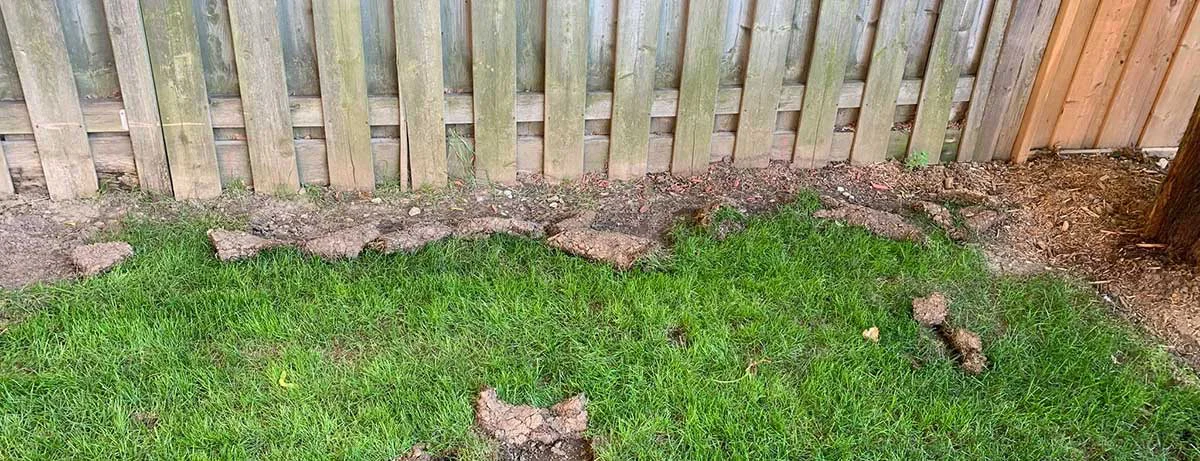
Image Source: www.hawkeye.ca
Why Raccoons Choose Your Yard
Raccoons are attracted to yards that offer them food, water, and shelter. They are opportunistic omnivores, meaning they eat a wide variety of things. If your yard provides these essentials, you’re likely to see them, and their droppings.
Food Sources
- Garbage Cans: Unsecured garbage cans are a smorgasbord for raccoons. The smell of food waste is a powerful attractant.
- Pet Food: Outdoor pet food bowls left overnight are an easy meal.
- Fruit Trees and Berry Bushes: Fallen fruits and berries are a natural draw.
- Gardens: Raccoons enjoy vegetables and fruits growing in gardens.
- Bird Feeders: Spilled seed and the feeders themselves can attract them.
- Compost Piles: Accessible compost can contain a wealth of food scraps.
Water Sources
- Bird Baths: These can provide drinking water.
- Pet Water Bowls: Similar to pet food, outdoor water bowls are an easy source.
- Puddles and Standing Water: Accumulated rainwater can also be a source.
- Drainage Areas: Low-lying areas that collect water.
Shelter
- Sheds and Garages: Openings can provide safe havens.
- Decks and Porches: The space underneath offers protection.
- Attics and Crawlspaces: If they can access your home, they will.
- Dense Shrubbery: Thick bushes can offer cover.
- Brush Piles: Unmanaged piles of debris.
Effective Raccoon Prevention Strategies
The best way to stop raccoons from pooping in your yard is to remove the things that attract them in the first place. This means securing food, eliminating water sources, and making your yard less appealing as a shelter.
Securing Food Sources
This is the most critical step. If raccoons can’t find food, they will move on to a more hospitable location.
Garbage Management
- Use Sturdy Bins: Invest in heavy-duty garbage cans made of metal or thick plastic. Raccoons cannot easily chew through or tip over these.
- Secure Lids: Ensure lids fit snugly. If they are loose, use bungee cords or latches to keep them shut.
- Wash Bins Regularly: A good scrub with soap and water can help remove residual smell that attracts raccoons.
- Store Bins Securely: If possible, keep garbage bins in a locked shed or garage until trash day.
- Rinse Food Scraps: Briefly rinsing food scraps before putting them in the bin can reduce odors.
Pet Food and Water
- Feed Pets Indoors: Avoid leaving pet food or water bowls outside, especially overnight.
- Clean Up Spills: Promptly clean up any spilled pet food.
Garden and Yard Maintenance
- Harvest Fruits and Vegetables: Pick ripe produce promptly and clean up any fallen fruit or vegetables.
- Protect Gardens: Consider fencing off vegetable gardens or using physical barriers.
- Bird Feeder Management:
- Choose feeders that are difficult for raccoons to access.
- Use baffles on poles to prevent climbing.
- Clean up spilled seed regularly.
- Consider bringing feeders in at night.
Compost Piles
- Cover Compost: Use a compost bin with a secure lid.
- Avoid Meat and Dairy: These items are highly attractive to raccoons. Stick to vegetable scraps, coffee grounds, and yard waste.
Eliminating Water Sources
While less common than food attractants, reducing water availability can also help.
- Empty Bird Baths: If you suspect they are a major draw, consider emptying bird baths overnight.
- Fix Leaky Faucets: Ensure no outdoor faucets are dripping.
- Drain Standing Water: Remove any containers that collect rainwater.
Making Your Yard Less Appealing
You can also make your yard less inviting by removing potential shelter and using deterrents.
Shelter Removal
- Secure Outdoor Structures: Seal any openings in sheds, garages, or decks that raccoons might use for shelter.
- Clear Brush Piles: Remove any large piles of debris, wood, or brush.
- Trim Dense Shrubs: Keep shrubbery trimmed back from your house foundation.
Raccoon Deterrents
Deterrents are substances or devices designed to make an area unpleasant for raccoons, encouraging them to go elsewhere.
Scent-Based Deterrents
Raccoons have a strong sense of smell. Certain scents can be highly irritating or repulsive to them.
- Ammonia: The pungent smell of ammonia can mimic predator urine and deter raccoons.
- How to Use: Soak rags in ammonia and place them in open areas where raccoons frequent, like near trash cans or garden entrances. You can also sprinkle household ammonia around the perimeter of your yard.
- Caution: Ammonia can be harmful to plants and pets. Use sparingly and keep away from children and animals. Reapply after rain.
- Predator Urine: Urine from predators like coyotes or bobcats can signal danger to raccoons.
- How to Use: Available in granular or liquid form. Sprinkle granules or spray liquid around the affected areas.
- Caution: Effectiveness can vary. Reapplication is needed, especially after rain.
- Peppermint Oil: The strong smell of peppermint oil can be unpleasant for raccoons.
- How to Use: Mix peppermint oil with water and spray it around your yard. You can also soak cotton balls in peppermint oil and place them strategically.
- Caution: Can be expensive for large areas. Reapplication is necessary.
- Cayenne Pepper/Chili Powder: Raccoons dislike the burning sensation caused by capsaicin.
- How to Use: Sprinkle liberally around garden plants, trash cans, or entry points.
- Caution: Can irritate your eyes and skin. Wear gloves when applying. It will wash away in the rain, requiring frequent reapplication.
Taste-Based Deterrents
These can make plants or other food sources unappealing.
- Bitter Apple Spray: This is commonly used for pets but can deter raccoons from plants.
- How to Use: Spray directly onto plants or garden items you want to protect.
- Caution: Test on a small area of the plant first to ensure it doesn’t cause damage.
Auditory and Visual Deterrents
These work by startling or frightening raccoons.
- Motion-Activated Sprinklers: A sudden burst of water can be a highly effective deterrent. Raccoons are generally startled by unexpected water.
- How to Use: Position sprinklers to cover areas where raccoons are active.
- Caution: Can be expensive for large yards. May also deter other desirable wildlife.
- Ultrasonic Devices: These devices emit high-frequency sounds that are supposedly unpleasant for animals like raccoons but inaudible to humans.
- How to Use: Place in areas where raccoons are seen.
- Caution: Scientific evidence for their effectiveness is mixed, and raccoons may become accustomed to them over time.
- Lights: Bright, flashing, or motion-activated lights can startle raccoons and make them feel exposed.
- How to Use: Install motion-sensor lights in areas where raccoons are most active.
- Caution: Raccoons are nocturnal and may simply avoid illuminated areas.
Humane Removal and Exclusion
If prevention measures aren’t enough, and raccoons have already established a presence, you might need to consider humane removal or exclusion.
Live Trapping
Live trapping is a method for capturing raccoons and relocating them.
- Legality: Check local laws and regulations regarding trapping and relocating wildlife. In many areas, it is illegal or requires a permit.
- Trap Placement: Place live traps baited with something appealing like marshmallows, cat food, or fruit. Place traps along known raccoon pathways.
- Baiting: Use effective baits. The smell of fish or meat can be tempting.
- Checking Traps: Check traps frequently (at least twice a day) to minimize stress on the animal.
- Relocation: If you do trap a raccoon, relocation is often not a permanent solution. They are territorial, and another raccoon may simply move into the vacated space. Also, displaced animals may struggle to survive in unfamiliar territory.
- Ethical Considerations: Ensure the trap is safe and escape-proof.
Exclusion
This involves physically preventing raccoons from accessing specific areas, such as under decks or in attics.
- Identify Entry Points: Find all possible entry points raccoons use.
- Seal Openings: Use sturdy materials like hardware cloth or metal sheeting to block all openings. Ensure there are no gaps.
- One-Way Doors: For structures like decks, you can install a one-way door. This allows the raccoon to exit but prevents it from re-entering. Once you are sure the animal has left, remove the door and permanently seal the opening.
Dealing with Raccoon Feces: Cleanup and Sanitation
Once you’ve addressed the attraction and deterrents, you’ll need to tackle the existing feces. Proper cleanup is crucial for health and hygiene. Raccoon feces can carry parasites, like the Baylisascaris procyonis roundworm, which can be dangerous to humans.
Safety Precautions
- Wear Gloves: Always wear thick rubber or disposable gloves when handling raccoon feces or contaminated materials.
- Wear a Mask: Consider wearing a dust mask or respirator to avoid inhaling any airborne parasite eggs.
- Avoid Direct Contact: Do not touch feces with bare hands.
Cleanup Methods
- Bagging and Disposal: Carefully scoop up the feces using a shovel or trowel. Place the feces and any contaminated soil or materials into heavy-duty plastic bags. Seal the bags tightly and dispose of them in your outdoor garbage bin, preferably one that is raccoon-proof.
- Disinfection:
- Boiling Water: For hard surfaces like patios or decks, you can pour boiling water over the area to kill parasite eggs.
- Bleach Solution: A solution of 1 part bleach to 10 parts water can also be used to disinfect surfaces. Allow the solution to sit on the surface for at least 10-15 minutes before rinsing. Be sure to ventilate the area well and avoid mixing bleach with ammonia or other cleaners.
- Caution: Bleach can damage certain materials and plants. Test in an inconspicuous area first.
- Yard Waste: If feces are found in garden beds, it’s best to remove the contaminated soil. You can then replenish the area with fresh soil. Avoid composting raccoon feces.
Sanitation is Key
Maintaining good sanitation practices in your yard is an ongoing process that reinforces your prevention efforts.
- Regular Inspections: Periodically check your yard for any new signs of raccoon activity, including feces.
- Address Attractants Promptly: Don’t let food scraps or accessible water sources linger.
- Maintain Secure Bins: Ensure your trash cans remain securely fastened.
- Educate Neighbors: Encourage neighbors to adopt similar sanitation and prevention practices, as raccoons don’t respect property lines.
What Not To Do
- Do Not Feed Raccoons: Intentionally or unintentionally feeding raccoons makes them dependent on your yard and harder to deter.
- Do Not Use Poisons: Poisons are inhumane and can harm non-target animals, including pets and beneficial wildlife. They can also pose a risk to human health.
- Do Not Underestimate Their Intelligence: Raccoons are highly adaptable. What works one day might not work the next. Be prepared to try multiple methods.
Table: Raccoon Deterrents At A Glance
| Deterrent Type | Example | How it Works | Pros | Cons |
|---|---|---|---|---|
| Scent-Based | Ammonia, Predator Urine | Mimics predators, unpleasant smell | Can be effective, relatively inexpensive | Needs frequent reapplication, can affect plants/pets |
| Scent-Based | Peppermint Oil | Strong, irritating smell | Natural, pleasant smell for humans | Can be expensive, needs frequent reapplication |
| Scent-Based | Cayenne Pepper | Irritant to smell and eyes | Readily available, inexpensive | Washes away easily, can irritate skin/eyes |
| Taste-Based | Bitter Apple Spray | Unpleasant taste | Safe for plants when tested | Can be costly, needs reapplication |
| Motion-Activated | Sprinklers | Startles with water | Highly effective, immediate | Expensive, can deter other animals |
| Motion-Activated | Lights | Startles and exposes | Simple installation | May only make them avoid illuminated areas |
| Ultrasonic Devices | Ultrasonic emitters | Unpleasant sound | Inaudible to humans | Effectiveness debated, animals may adapt |
| Physical Barriers | Fencing, Hardware Cloth | Blocks access to food/shelter/entry points | Very effective long-term | Can be labor-intensive, initial cost |
Frequently Asked Questions (FAQ)
Q1: How can I tell if it’s raccoon poop?
Raccoon droppings are typically tubular, about 2-4 inches long and 1/2 to 1 inch in diameter. They often have a blunt end and a tapered end and can contain undigested materials like seeds, fur, or insect exoskeletons. They might be found in groups, often in elevated or prominent locations like on decks, rooftops, or logs, which they use as latrines.
Q2: Can raccoon poop make my pets sick?
Yes, raccoon feces can carry parasites, most notably the Baylisascaris procyonis roundworm. While primarily a risk to raccoons, these roundworm eggs can cause serious illness in other animals, including dogs, if ingested. It’s crucial to prevent pets from sniffing or eating raccoon droppings.
Q3: Are raccoons dangerous?
While raccoons are generally not aggressive towards humans, they can bite if they feel threatened or cornered, especially if they have rabies. It’s important to maintain a safe distance and never attempt to feed or handle them. Their droppings are a more common health concern due to potential parasites.
Q4: How long does it take for raccoon deterrents to work?
The effectiveness of deterrents can vary. Scent-based repellents may require immediate reapplication, especially after rain. Motion-activated sprinklers offer instant results. For a lasting solution, a combination of prevention methods and consistent sanitation is usually most effective. Raccoons are smart, so it might take time for them to learn that your yard is no longer a desirable food source or shelter.
Q5: Can I use my own urine to deter raccoons?
While some anecdotal evidence suggests that human urine might act as a deterrent, it’s generally not recommended. The smell is inconsistent, and its effectiveness is highly questionable compared to commercially available repellents or proven methods. Furthermore, it can be unhygienic and may attract other animals or insects.
Q6: Is humane removal the best option?
Humane removal can be effective if done correctly and legally, but it’s often a short-term fix. Addressing the attractants in your yard through prevention and sanitation is a more sustainable, long-term solution to stop raccoons from pooping in your yard.
Conclusion
Keeping raccoons from making your yard their bathroom requires a multi-faceted approach. By focusing on removing attractants like food and shelter, employing effective deterrents and repellents, and maintaining strict sanitation for thorough cleanup of any existing feces, you can significantly reduce or eliminate raccoon activity. Remember that consistency is key when dealing with these intelligent nuisance animals. A clean, unappealing yard is the most powerful tool in your prevention arsenal.