
Are wild turkeys making your yard their personal buffet or strutting grounds? Yes, you can humanely get rid of turkeys in your yard using a combination of deterrents, habitat modification, and by understanding their behavior. This comprehensive guide will equip you with effective, humane strategies and expert advice for keeping turkeys away and ensuring your property is less appealing to these magnificent, yet sometimes inconvenient, birds. We’ll delve into various turkey control methods, focusing on ethical approaches to wild turkey management and humane turkey removal, ensuring a peaceful coexistence or a gentle redirection.
Wild turkeys, while a symbol of American wildlife and a fascinating sight, can become a nuisance when they frequent residential areas. Their presence can lead to damaged gardens, droppings on patios, and even aggression, especially during breeding season. The key to successful preventing turkeys in yard situations lies in making your yard less attractive to them and employing turkey deterrents that are both effective and kind.
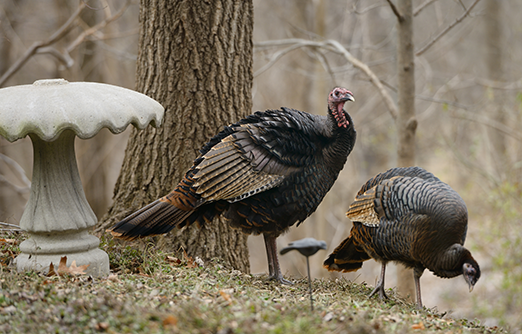
Image Source: varmentguard.com
Why Are Turkeys Visiting Your Yard?
Before we explore how to get rid of them, it’s important to grasp why turkeys might be choosing your yard. Understanding their motivations is the first step in developing a successful wild turkey harassment strategy that encourages them to move along.
Food Sources
Turkeys are opportunistic foragers. They are attracted to readily available food. This can include:
- Bird Feeders: Open bird feeders, especially those with seeds, grains, or cracked corn, are a major draw.
- Fallen Fruit: Fruits that have dropped from trees in your yard can be a tasty treat.
- Gardens and Crops: Tender vegetable plants, berries, and even decorative plants can be irresistible.
- Insects and Grubs: Turkeys will readily forage for insects and grubs found in well-maintained lawns and gardens.
- Pet Food: Outdoor pet food left out overnight can attract turkeys.
Shelter and Roosting Sites
Turkeys also look for safe places to rest and roost, particularly at night.
- Tall Trees: Mature trees with dense canopies provide excellent roosting spots, offering protection from predators.
- Thick Shrubbery: Dense bushes and shrubs can offer shelter and camouflage during the day or for younger birds.
- Buildings and Structures: Sometimes, turkeys might seek shelter under eaves, porches, or even in garages if they can gain access.
Water Sources
While not as critical as food and shelter, access to water can also play a role.
- Bird Baths: These can be attractive, especially during dry periods.
- Ponds and Water Features: Any accessible standing water can be appealing.
Lack of Perceived Threat
If your yard doesn’t present any deterrents or perceived threats, turkeys may feel safe and comfortable establishing a regular presence. This includes a lack of consistent human activity or unfamiliar stimuli.
Humane Turkey Deterrents and Repellents
The goal is not to harm the turkeys but to make your yard a less desirable place for them to visit. This involves a combination of turkey repellents and environmental modifications.
Modifying the Landscape for Turkey Proofing
Making your yard less inviting is a crucial aspect of turkey proofing.
Eliminating Food Sources
This is often the most effective strategy.
- Remove Bird Feeders: Take down all bird feeders, or switch to feeders designed to deter larger birds. If feeders are a must, place them away from your house and consider using baffles.
- Clean Up Fallen Fruit: Regularly collect any fallen fruits or nuts from trees and bushes.
- Protect Gardens:
- Fencing: Install fencing around vegetable gardens and fruit bushes. A fence at least 6 feet high is recommended. Chicken wire or hardware cloth can be effective for smaller areas.
- Netting: Cover vulnerable plants with bird netting. Ensure it’s installed securely so birds don’t get entangled.
- Planting: Consider planting native shrubs and plants that are less appealing to turkeys but still beneficial for local wildlife. Turkeys tend to prefer open areas with low-lying vegetation for foraging.
- Secure Pet Food: Never leave pet food outdoors, especially overnight.
Altering Shelter and Roosting Sites
Turkeys prefer certain types of cover. Making these less appealing can discourage them.
- Prune Low-Hanging Branches: Trim lower branches of large trees to make them less accessible for roosting.
- Remove Dense Undergrowth: Thin out thick, overgrown shrubbery that might provide shelter.
- Deter Roosting on Structures:
- Block Access: Seal off any openings into sheds, garages, or under decks where turkeys might be seeking shelter.
- Sensory Deterrents: Consider installing motion-activated sprinklers or lights near common roosting areas on buildings.
Managing Water Sources
- Empty Bird Baths: If bird baths are consistently attracting turkeys, consider emptying them or using them only during times when turkeys are not present.
Introducing Unpleasant Sensory Experiences
These methods aim to create an uncomfortable environment for turkeys without causing them harm.
Visual Deterrents
- Scare Tapes and Reflective Objects: Shiny, fluttering objects can startle turkeys.
- Mylar Tape: This reflective tape makes noise and flashes in the sunlight.
- Old CDs/DVDs: Hanging old CDs or DVDs from branches can create unpredictable flashes.
- Reflective Pinwheels: These spin and flash, creating movement that can deter birds.
- Predator Decoys:
- Owl or Hawk Decoys: Place realistic-looking decoys of natural predators in your yard. Move them regularly to prevent turkeys from becoming accustomed to them.
- Other Animal Decoys: Some people have found success with realistic-looking fox or coyote decoys.
- Flags and Banners: Brightly colored flags or streamers that move in the wind can be effective.
- Motion-Activated Sprinklers: These detect movement and spray a burst of water, startling the birds and making them move on. This is a highly effective turkey repellent.
Auditory Deterrents
- Noise Makers:
- Ultrasonic Devices: These emit high-frequency sounds that are unpleasant for birds but often inaudible to humans. Test different devices as their effectiveness can vary.
- Air Horns or Whistles: While effective for a quick deterrent, these are best used sparingly as they can disturb neighbors. Use them when you see turkeys approaching.
- Noise-Making Devices: Setting up radios or wind chimes can add auditory stimulation that might discourage them.
Olfactory and Taste Deterrents
While less common and often less effective for larger birds like turkeys, some methods exist:
- Chili Pepper Sprays: Some gardeners use a diluted chili pepper spray on plants to make them unpalatable. Ensure this is safe for your plants and the environment.
Direct Interaction and Harassment (Humane)
Sometimes, a more direct approach is needed to encourage turkeys to leave your yard. Remember, the goal is humane turkey removal, not harm.
Non-Aggressive Deterrence
- Visual Presence: Simply being visible in your yard can be a deterrent. If you see turkeys, make your presence known by stepping outside, waving your arms gently, or making noise.
- Gentle Herding: If turkeys are persistent, you can try to gently herd them away from areas you want to protect. Use a broom or a large piece of cardboard to guide them in a direction away from your house or garden. Do not chase them aggressively.
- Water Hose: A short burst of water from a hose can startle turkeys and encourage them to leave without causing harm.
Timing Your Deterrents
- Morning and Evening: Turkeys are most active in the morning and evening. This is often the best time to implement your turkey deterrents.
- Consistency is Key: Whichever methods you choose, consistency is crucial. Turkeys are creatures of habit, and it may take time for them to learn that your yard is no longer a safe or comfortable place.
Advanced Turkey Proofing Strategies
For persistent problems, more involved turkey proofing measures might be necessary.
Creating Barriers
- Strategic Fencing: Beyond garden protection, consider fencing off entire areas of your yard that attract turkeys, such as open lawns or areas near preferred roosting trees.
- Netting Over Large Areas: In some cases, large-scale netting might be used over fruit trees or gardens, although this can be labor-intensive.
Habitat Modification for Long-Term Solutions
- Reduce Open Spaces: Turkeys prefer open, grassy areas for foraging. Planting denser shrubs or ground cover can make these areas less appealing.
- Discourage Roosting: If turkeys are roosting in specific trees on your property, consider installing deterrents on those trees, such as anti-roosting spikes (used humanely) or specialized bird control netting. However, this is often a last resort and can be costly and labor-intensive.
Working with Wildlife Professionals
- Consultation: For severe or ongoing issues, consulting with local wildlife removal services or wildlife biologists specializing in wild turkey management can provide tailored solutions. They can assess your specific situation and recommend the most effective and humane turkey control methods.
What To Avoid When Deterring Turkeys
It’s vital to ensure your turkey control methods are humane and legal.
- Never Use Harmful Methods: Do not use poisons, traps that can injure, or any methods that could cause the turkeys harm. This is illegal and unethical.
- Avoid Aggressive Chasing: While you want to deter them, aggressively chasing or cornering turkeys can cause them stress and may even lead to defensive behavior from the birds.
- Don’t Feed Them: This may seem obvious, but even unintentionally leaving out food or allowing accessible feeders perpetuates the problem.
Frequently Asked Questions (FAQ) About Turkey Deterrents
Q1: Can I shoot wild turkeys in my yard?
Generally, no. It is illegal in most areas to shoot wild turkeys on private property, especially in residential areas, without proper permits and licenses. Even then, discharging firearms in residential areas is often prohibited due to safety concerns. Always check your local wildlife regulations.
Q2: What do turkeys eat?
Turkeys are omnivores and eat a varied diet. Their diet includes seeds, grains, berries, fruits, insects, slugs, and sometimes small vertebrates. They are particularly attracted to corn, sunflower seeds, and fallen acorns.
Q3: How can I stop turkeys from pooping everywhere?
The best way to stop turkeys from leaving droppings is to prevent them from visiting your yard in the first place. By removing food sources, eliminating attractive roosting spots, and using turkey deterrents, you can make your yard less appealing. Regular cleaning of patios and decks can help manage existing droppings.
Q4: Are turkeys dangerous?
While wild turkeys are generally not aggressive towards humans, they can become territorial, especially during mating season (spring). Toms (male turkeys) may display aggression by puffing up their feathers, gobbling loudly, strutting, and even charging or pecking at people, pets, or cars. Hens (female turkeys) can also be protective of their young. Maintain a safe distance and avoid provoking them.
Q5: What is the most effective turkey repellent?
The most effective turkey repellent is often a combination of methods that removes attractants and introduces sensory deterrents. Eliminating food sources is paramount. For sensory deterrents, motion-activated sprinklers and visual deterrents like Mylar tape or predator decoys (moved regularly) are frequently reported as effective.
Q6: Can I use a dog to scare turkeys away?
Dogs can be an effective deterrent if they are trained to bark at or chase away turkeys. However, you must supervise your dog and ensure they do not harm the turkeys. Some breeds are naturally inclined to herd or chase birds. It’s important to ensure your dog doesn’t get into a dangerous situation with the turkeys, as toms can defend themselves.
Q7: How do I prevent turkeys from roosting in my trees?
Preventing turkeys from roosting in trees involves making the trees less appealing. This can include pruning lower branches to create less comfortable perches, or installing specialized, humane bird deterrents on branches. Sometimes, increasing activity or noise around the roosting trees during their usual roosting times can also discourage them.
Q8: What if turkeys are damaging my garden?
If turkeys are damaging your garden, the most effective solutions are physical barriers. Installing a fence around your garden is highly recommended. Bird netting can also protect individual plants or fruit trees. Ensure any netting is securely attached and checked regularly to prevent birds from becoming entangled.
Q9: Are there any chemicals I can use as turkey repellents?
While there are some repellent sprays available, such as those made with chili pepper extracts, their effectiveness on wild turkeys can be limited, and they may require frequent reapplication. Always ensure any product used is safe for your plants, pets, and the environment, and check local regulations regarding chemical deterrents. Humane, non-chemical methods are generally preferred for wild turkey management.
Q10: How can I make my yard less attractive to turkeys in the long term?
Long-term preventing turkeys in yard scenarios involves consistent habitat management. This means continuing to remove attractants like fallen fruit and accessible food sources, maintaining your garden with protective measures, and keeping your property less open and more populated with natural deterrents or less appealing vegetation. Consistent use of turkey deterrents will reinforce the message that your yard is not a welcoming place.
Conclusion
Managing the presence of wild turkeys in your yard doesn’t have to be a battle. By employing a strategic and humane approach to wild turkey harassment and humane turkey removal, you can effectively deter them and reclaim your space. The key to successful turkey control methods lies in removing attractants, introducing gentle deterrents, and maintaining consistency. Remember that these birds are a part of the natural landscape, and our goal is to encourage them to find more suitable habitats while ensuring our own comfort and safety. With patience and the right techniques, you can achieve effective turkey proofing and enjoy a yard that is both welcoming to desirable wildlife and free from unwelcome guests.