
Are wasps buzzing around your yard, making outdoor activities a nerve-wracking experience? Yes, you can get rid of wasps in your yard safely and permanently by combining prevention, natural deterrents, targeted treatments, and professional help when needed. This comprehensive guide will walk you through effective strategies for wasp control, from preventing them in the first place to safely removing nests and implementing long-term solutions.
Wasps can be more than just a nuisance; they can pose a significant stinging risk, especially to children and pets. While they do play a role in controlling other insect populations, having them infest your personal space requires immediate attention. We’ll explore various methods for get rid of wasps naturally, discuss the pros and cons of commercial wasp spray, how to effectively use wasp traps, and the best approaches for wasp nest removal.
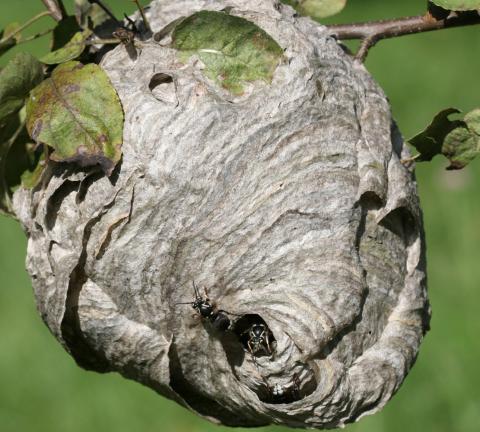
Image Source: extension.unh.edu
Fathoming the Wasp Problem: Identification and Behavior
Before you can effectively tackle wasp issues, it’s crucial to know what you’re dealing with. Different wasp species have different behaviors and nesting habits, which influence the best approach to wasp control.
Common Wasp Types in Yards
- Yellowjackets: These are perhaps the most common and aggressive wasps people encounter. They often nest in the ground or in cavities like wall voids. Yellowjackets are attracted to sweet foods and can be a problem during picnics.
- Paper Wasps: Easily recognizable by their open, umbrella-shaped nests often found under eaves or overhangs, paper wasps are generally less aggressive than yellowjackets unless their nest is threatened.
- Hornets: Like Bald-faced hornets and European hornets, these build large, enclosed, papery nests, often in trees or shrubs. They can be quite formidable and protective of their nests.
Wasp Life Cycle and Attraction
- Spring: A fertilized queen emerges from hibernation to build a new nest and lay the first batch of eggs.
- Summer: The colony grows rapidly, with thousands of worker wasps foraging for food and defending the nest. This is when wasp activity and potential for stings are at their peak.
- Fall: New queens are produced and mate. The old colony dies off, except for the fertilized queens who will overwinter.
Understanding what attracts wasps to your yard is key to effective wasp prevention. They are primarily drawn to:
- Food Sources: Sugary drinks, fallen fruit, exposed meats, and pet food.
- Water Sources: Stagnant water in bird baths, clogged gutters, or leaky hoses.
- Nesting Sites: Sheltered, undisturbed areas like wall voids, attics, sheds, eaves, and burrows in the ground.
DIY Wasp Control: Effective Strategies for Your Yard
There are several DIY wasp control methods you can employ to manage wasp populations in your yard. The key is to be strategic and safe.
Natural Deterrents: Keeping Wasps Away Without Harm
For those seeking to get rid of wasps naturally, several methods focus on repelling them rather than exterminating them.
Scent-Based Repellents
Wasps have a strong sense of smell, and certain scents are known to repel them.
- Peppermint Oil: Mix 10-15 drops of peppermint essential oil with water in a spray bottle. Spray around entry points, windows, doors, and outdoor seating areas. Reapply regularly, especially after rain.
- Cinnamon: Sprinkle cinnamon powder around your patio, garbage cans, and areas where you see a lot of wasp activity.
- Vinegar: A mixture of vinegar and water (50/50 ratio) can be sprayed in areas wasps frequent. It’s a mild deterrent and can also help clean surfaces.
- Cloves: Whole cloves or clove oil can be used similarly to peppermint oil. Placing cloves in sachets or mixing with water and spraying can help.
Plant-Based Deterrents
Certain plants are believed to repel wasps due to their natural scents.
- Citronella: Commonly used in candles and torches, citronella is a well-known insect repellent.
- Eucalyptus: The strong scent of eucalyptus can deter wasps.
- Spearmint and Peppermint: As mentioned with oils, the plants themselves can have a repellent effect.
- Pennyroyal: Known for its strong aroma, pennyroyal can be planted strategically.
- Marigolds: These bright flowers are often planted to deter various pests, including wasps.
Wasp Traps: Catching Them in the Act
Wasp traps are an effective way to reduce the number of wasps in your yard, particularly yellowjackets and paper wasps. They work by luring wasps into a container from which they cannot escape.
Types of Wasp Traps
- Commercial Wasp Traps: These often come with a special bait that attracts wasps. You assemble them and hang them away from your primary outdoor activity areas.
- DIY Wasp Traps: You can easily create effective traps using common household items.
Building a DIY Wasp Trap
Materials:
- Plastic soda bottle (2-liter works well)
- Scissors or utility knife
- Wire or string for hanging
- Sweet bait: jam, honey, sugary water, or a piece of fruit. You can also add a bit of vinegar to the mixture to attract yellowjackets specifically.
Instructions:
- Cut the top third of the plastic bottle off.
- Remove the cap.
- Invert the cut-off top section and insert it into the bottom section, creating a funnel. Ensure the opening is narrow enough for wasps to enter but difficult for them to exit. You can secure the two pieces together with tape or staples.
- Pour your chosen bait into the bottom of the bottle.
- Hang the trap in an area where you notice wasp activity, but not directly above seating areas to avoid attracting them to where you are.
Placement Tips for Wasp Traps:
- Hang traps away from patios, decks, and picnic areas to draw wasps to a less frequented part of your yard.
- Place them near known nesting areas or areas where you see a lot of wasp activity.
- Check and clean traps regularly, as they can become full and need refilling with bait.
Targeted Treatments: When to Use Wasp Spray
While natural methods are preferable, sometimes a more direct approach is needed, especially for active nests. Wasp spray can be effective, but it must be used with extreme caution.
Choosing the Right Wasp Spray
- Contact Sprays: These kill wasps on contact. They are fast-acting but only effective on wasps directly sprayed.
- Residual Sprays: These leave a residue that can kill wasps that land on the treated surface later.
- Foaming Sprays: Designed for ground nests or voids, these sprays expand to fill the entrance and incapacitate wasps.
Safe Application of Wasp Spray
- Timing is Crucial: The best time to spray a nest is at dusk or dawn when wasps are less active and more likely to be inside the nest.
- Protective Gear: Always wear long sleeves, long pants, gloves, eye protection, and a mask.
- Read the Label: Follow the manufacturer’s instructions precisely.
- Approach with Caution: Do not stand directly under a nest. Spray from a safe distance.
- Escape Route: Plan your escape route beforehand.
- Avoid Wind: Do not spray on windy days, as the spray can drift onto you or into unintended areas.
Important Note: Never use water or flammable liquids like gasoline to destroy wasp nests. This is extremely dangerous and ineffective.
Wasp Nest Removal: A Risky But Necessary Task
Wasp nest removal is often the most direct way to eliminate a wasp problem, but it carries the highest risk of stings.
Identifying Nest Locations
- Above Ground Nests: Look under eaves, in attics, sheds, garages, or on branches of trees and shrubs. These are often made of paper.
- Ground Nests: Yellowjackets often nest in abandoned rodent burrows, under rocks, or in mulch piles. These can be harder to spot.
Methods for Wasp Nest Removal
For Above-Ground Nests:
- Spray at Dusk/Dawn: As mentioned earlier, use a potent wasp spray designed for nests. Aim to thoroughly soak the nest opening and the entire structure.
- Bagging Method (for smaller, accessible nests):
- Wear full protective gear.
- Carefully approach the nest at dusk or dawn.
- Place a sturdy plastic bag over the nest and quickly seal it around the supporting branch or surface with tape.
- Gently detach the bagged nest and submerge it in a bucket of soapy water for at least 24 hours to kill any remaining wasps.
- Dispose of the bag and nest carefully.
For Ground Nests:
- Locate the Entrance: Observe wasp activity during the day to pinpoint the main entrance to the nest.
- Treat the Entrance: At dusk or dawn, apply a generous amount of insecticidal dust or spray specifically labeled for ground wasps directly into the entrance hole. The wasps will track the insecticide into the nest.
- Cover the Entrance: After treating, you can cover the hole with soil or a heavy object to trap them inside, but this is often unnecessary with effective insecticides.
- Monitor: Check the area for a few days to ensure all activity has ceased.
Safety First: If a nest is large, in a difficult-to-reach location, or you are uncomfortable performing the removal yourself, it’s always best to call a professional.
Professional Wasp Extermination: When to Call the Experts
For severe infestations, large nests, or if you are allergic to wasp stings, professional wasp extermination is the safest and most effective option.
Benefits of Professional Help
- Expertise: Professionals have the knowledge to identify wasp species, locate nests, and use the most appropriate and safest treatment methods.
- Safety: They are equipped with proper protective gear and know how to handle stinging insects without endangering themselves or others.
- Effectiveness: Professionals have access to stronger, more effective insecticides and techniques that can ensure permanent eradication.
- Guaranteed Results: Many pest control services offer guarantees on their wasp removal services.
Choosing a Professional Service
- Licensing and Insurance: Ensure the company is licensed and insured.
- Experience: Look for companies with a proven track record in wasp control.
- Services Offered: Do they offer treatment for the specific type of wasp you have? Do they offer wasp prevention strategies?
- Quotes: Get quotes from several different companies before making a decision.
- Reviews: Read online reviews to gauge customer satisfaction.
Wasp Prevention: Long-Term Strategies for a Wasp-Free Yard
Once you’ve dealt with an existing wasp problem, implementing wasp prevention measures is crucial to avoid future infestations.
Eliminating Attractants
- Food Security:
- Keep outdoor trash cans sealed and clean.
- Promptly clean up any spills of sugary drinks or food.
- Secure pet food and water bowls after your pet has eaten.
- Pick up fallen fruit from trees.
- Water Management:
- Fix leaky outdoor faucets and hoses.
- Empty and clean bird baths regularly, or consider using a bubbler to keep the water moving.
- Ensure gutters are clean and draining properly.
Sealing Entry Points
- Inspect your home’s exterior for cracks, crevices, or holes in walls, foundations, and roofs.
- Seal any openings with caulk or appropriate sealant to prevent wasps from nesting inside.
- Ensure window and door screens are intact and free of tears.
Regular Yard Maintenance
- Trim overhanging branches and bushes that could provide nesting sites.
- Keep your lawn mowed and remove any debris that could harbor ground nests.
- Regularly inspect areas where wasps are commonly found, such as eaves, decks, and sheds.
Companion Planting
As mentioned earlier, planting certain herbs like mint, rosemary, and eucalyptus around your patio and entrances can act as natural deterrents.
Frequently Asked Questions (FAQ)
Q: Can I get rid of wasps myself?
A: Yes, you can often manage wasp problems yourself using DIY methods like natural deterrents, traps, and carefully applied wasp sprays for accessible nests. However, for large or aggressive nests, or if you have allergies, professional help is recommended.
Q: What is the best time to remove a wasp nest?
A: The best time to remove or treat a wasp nest is at dusk or dawn when the wasps are least active and most likely to be inside the nest.
Q: Are natural wasp deterrents effective?
A: Natural deterrents like peppermint oil, vinegar, and certain plants can be effective in repelling wasps and making your yard less attractive to them. Their effectiveness can vary depending on the severity of the infestation and the specific wasp species.
Q: How do I safely remove a ground wasp nest?
A: To remove a ground wasp nest, locate the entrance at dusk or dawn, apply an insecticidal dust or spray directly into the hole, and then leave the area. Avoid standing directly over the nest.
Q: When should I call a professional for wasp control?
A: You should call a professional if you have a severe infestation, a very large nest, if the nest is in a hard-to-reach or dangerous location, if you are allergic to wasp stings, or if DIY methods have failed.
Q: How can I prevent wasps from returning after I’ve removed them?
A: Wasp prevention involves eliminating attractants like food and water sources, sealing potential entry points into your home, and maintaining your yard to remove nesting sites. Regularly inspecting your property is also key.
By understanding wasp behavior, implementing preventative measures, and choosing the right control methods, you can effectively manage and get rid of wasps in your yard safely and achieve a more peaceful outdoor environment. Remember, safety should always be your top priority when dealing with stinging insects.