
Can you get rid of parvo in a yard? Yes, you can, but it requires diligent and thorough cleaning and disinfection. The key is to understand how the virus survives and what kills it.
Canine parvovirus (CPV) is a highly contagious and often deadly viral disease that affects dogs, especially puppies. It’s notorious for its resilience in the environment, making a contaminated yard a significant risk for unvaccinated or vulnerable dogs. If your dog has had parvo, or if a parvo-infected dog has been in your yard, a comprehensive decontamination process is crucial to prevent further spread. This guide will walk you through how to get rid of parvo in a yard safely and effectively, covering everything from initial cleanup to long-term prevention.
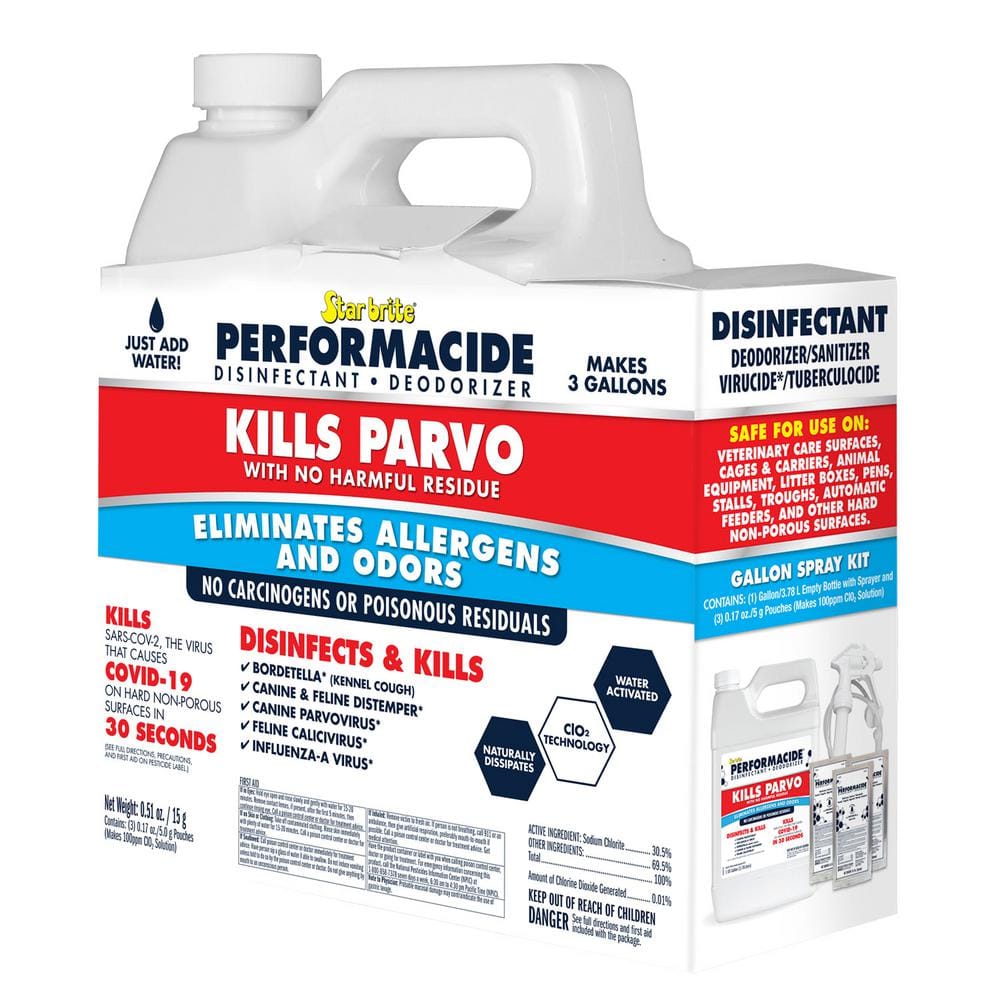
Image Source: images.thdstatic.com
The Persistent Threat of Parvovirus Outdoors
Parvovirus is a formidable foe in the outdoor environment. It’s incredibly stable, meaning it can survive for extended periods, sometimes up to a year or even longer, in soil, on surfaces, and in feces. This longevity is why a thorough parvovirus decontamination yard strategy is so important. Simply removing visible contamination isn’t enough; you need to neutralize the virus itself.
How Long Does Parvo Live in Soil?
This is a critical question for anyone dealing with a contaminated yard. How long does parvo live in soil? Parvovirus can survive in soil for 12 to 18 months, and in some cases, even longer, especially in cooler, shaded areas. The virus is protected from UV radiation and desiccation, allowing it to remain viable for an extended period. This means that even after a dog has recovered, the yard can remain a source of infection for many months.
The Essentials of Parvovirus Decontamination in Your Yard
Effectively dealing with parvovirus in your yard involves a multi-step process focusing on physical removal of contaminated material and thorough disinfection of all affected surfaces. This is not a task to be taken lightly, as incomplete disinfection can lead to reinfection.
Step 1: Initial Assessment and Containment
Before you begin any cleaning, it’s vital to assess the extent of the contamination and take steps to prevent further spread.
- Identify Contaminated Areas: Determine where the infected dog spent most of its time, particularly where it defecated or vomited. Look for any signs of illness, such as diarrhea or vomiting, in the yard.
- Restrict Access: Prevent all dogs, especially unvaccinated puppies and dogs with compromised immune systems, from entering the contaminated areas of the yard. Use temporary fencing or clear signage to mark off these zones.
- Gather Supplies: Assemble all necessary cleaning and disinfecting supplies before you start. This includes protective gear.
Step 2: Physical Removal of Contaminated Material
The first physical step in outdoor parvo virus removal is to meticulously remove any organic matter that could harbor the virus.
- Remove Feces and Vomit: Use shovels and scoops to carefully remove all feces, vomit, and any soiled soil or grass. Place these items in heavy-duty trash bags, seal them tightly, and dispose of them according to local regulations. It’s often best to double-bag these items.
- Dispose of Contaminated Items: Any grass, leaves, or soil that is heavily soiled and cannot be effectively disinfected should also be removed and disposed of properly.
Step 3: Cleaning and Scrubbing Surfaces
Once visible contamination is gone, the next step is to clean all non-porous surfaces.
- Wash with Soap and Water: For hard surfaces like concrete, wood, or plastic, a thorough scrubbing with soap and water is essential. This physically removes organic debris that disinfectants might not penetrate effectively.
- Scrub Brushes: Use stiff brushes to loosen any dried-on material.
Step 4: Disinfection – Choosing the Right Products
Disinfection is the most critical part of how to get rid of parvo in a yard. Not all disinfectants are effective against parvovirus. You need products specifically proven to kill CPV.
Effective Disinfectants for Parvovirus
Several disinfectants are known to be effective against canine parvovirus. The key is to use them correctly and at the right concentration.
- Potassium Monopersulfate: This is a broad-spectrum disinfectant that is highly effective against parvovirus. It’s often found in products like Virkon™ S. It’s generally considered safe for use around animals once dry.
- Application: Mix according to the manufacturer’s instructions. Apply liberally to the contaminated surfaces, ensuring complete coverage. Allow it to remain wet for the contact time specified by the manufacturer (often 10-30 minutes).
- Sodium Hypochlorite (Bleach): A 0.5% sodium hypochlorite solution is very effective. This typically means diluting household bleach (which is usually 5.25% to 8.25% sodium hypochlorite) with water.
- Dilution Ratio: For a 0.5% solution from 5.25% bleach, mix 1 part bleach to 9 parts water. For 8.25% bleach, mix 1 part bleach to 15 parts water. Always check the concentration of your bleach.
- Application: Apply the diluted bleach solution to the affected areas. Ensure the surface remains wet for at least 10-20 minutes. Important Note: Bleach can damage and discolor many surfaces, including fabrics, wood, and some plastics, and can be harmful to plants. Always test in an inconspicuous area first. It also emits strong fumes, so wear protective gear and ensure good ventilation if using in enclosed or semi-enclosed spaces.
- Enzymatic Cleaners: While primarily for breaking down organic matter, some specialized enzymatic cleaners may have antiviral properties. However, they are generally not considered sufficient on their own to kill parvovirus. They are best used as a pre-cleaning step.
Parvo Kill Spray Yard Options
When looking for a parvo kill spray yard solution, prioritize products specifically labeled for canine parvovirus or those containing the active ingredients mentioned above. Always follow the manufacturer’s instructions carefully for dilution, application, and contact time.
How to Disinfect Dog Yard Parvo Areas
The process of disinfect dog yard parvo zones requires patience and thoroughness.
-
Preparation:
- Wear personal protective equipment (PPE): gloves, eye protection, and old clothing.
- Ensure good ventilation if using bleach.
- Protect any desirable plants in the area with plastic sheeting.
-
Application:
- Apply the chosen disinfectant to all surfaces where the infected dog may have been present. This includes the ground, fences, outdoor furniture, toys, and any other objects.
- Ensure the disinfectant covers the entire surface and remains wet for the recommended contact time. This is crucial; the virus needs sustained contact with the disinfectant to be inactivated.
- For larger areas, a garden sprayer can be helpful.
-
Rinsing (Optional but Recommended for Some Disinfectants):
- After the contact time, you may need to rinse surfaces, especially if using bleach, to remove residue and minimize potential damage or odor. Use clean water.
-
Drying:
- Allow surfaces to air dry completely.
Parvovirus Decontamination Yard Checklist
- [ ] Identify and isolate contaminated areas.
- [ ] Gather PPE (gloves, eye protection, old clothes).
- [ ] Collect and double-bag all feces, vomit, and heavily soiled organic matter for disposal.
- [ ] Scrub all non-porous surfaces with soap and water.
- [ ] Select an approved parvovirus disinfectant (e.g., potassium monopersulfate or 0.5% bleach solution).
- [ ] Apply disinfectant thoroughly to all affected surfaces.
- [ ] Ensure disinfectant remains wet for the recommended contact time.
- [ ] Rinse surfaces if necessary (especially with bleach).
- [ ] Allow areas to dry completely.
- [ ] Consider repeating the disinfection process for heavily contaminated areas.
Specific Areas Requiring Attention
When tackling puppy parvovirus yard cleaning or adult dog yard cleaning after a parvo incident, certain areas need extra focus.
The Dog Run
A dog run parvovirus cleanup is often a concentrated area of contamination.
- Flooring: If the run has a solid floor (concrete, pavers), it needs the same disinfection as other hard surfaces. If it’s on soil, the soil will need to be treated or removed and replaced.
- Fencing and Walls: Disinfect all parts of the enclosure, including wire mesh, wood, or plastic.
- Toys and Bedding: Any toys or bedding left in the run must be thoroughly cleaned and disinfected, or more realistically, discarded if heavily contaminated and not easily disinfected. Washable items should be washed in hot water with detergent and then bleached (if the fabric allows).
Soil and Grass Areas
This is often the most challenging aspect of how to get rid of parvo in a yard, especially concerning how long does parvo live in soil.
- Heavy Contamination: For areas with heavy contamination (e.g., where the dog was actively sick), the most effective method is to remove the top few inches of soil and replace it with fresh, clean soil.
- Light Contamination: For less contaminated soil and grass areas, you can try to disinfect. However, it’s difficult to ensure complete penetration of the virus in the soil.
- Diluted Bleach Application: A diluted bleach solution can be applied to soil. However, be aware that bleach will kill grass and plants. It also poses risks to soil microorganisms.
- Potassium Monopersulfate: This may be a slightly safer option for soil than bleach, as it can be less damaging to plant life, but still requires careful application.
- Sunlight: While helpful for inactivating the virus, relying solely on sunlight is insufficient given its long survival period in soil. UV rays are most effective on surfaces exposed directly to sunlight, not deep in the soil.
- Reseeding: After disinfection or soil replacement, you may need to reseed or replant affected areas. Wait for a period after disinfection (at least a few weeks, if possible) before introducing new dogs, to allow any residual virus to degrade further.
Outdoor Furniture and Equipment
- Wipe Down: All outdoor furniture, water bowls, and equipment should be thoroughly cleaned and disinfected.
- Washable Items: Fabric cushions or dog beds should be washed in hot water with detergent and bleached if possible, then dried on high heat. If they cannot be adequately disinfected, they should be discarded.
Important Considerations and Safety Precautions
Parvo prevention in outdoor spaces is paramount. Once you have decontaminated your yard, preventing future contamination is key.
Protecting Yourself and Others
- Personal Protective Equipment (PPE): Always wear gloves, a mask (especially if using bleach or dealing with dried materials), and old clothing that you can wash or discard.
- Ventilation: Ensure good airflow, especially when using chemical disinfectants like bleach.
Protecting Your Plants and Environment
- Test Patches: Before applying any disinfectant to large areas, especially soil or plants, test it on a small, inconspicuous area to gauge its effect.
- Rinsing: Rinsing surfaces with clean water after the disinfectant’s contact time can help remove harmful residues.
- Environmental Impact: Be mindful that disinfectants, especially bleach, can harm plants, lawns, and beneficial soil organisms. Consider the trade-offs. In severely contaminated soil areas, removal and replacement might be the most environmentally responsible approach for the long term, albeit labor-intensive.
What About Unvaccinated Puppies?
If you have unvaccinated puppies, extreme caution is needed.
- Keep Them Indoors: Until they have completed their full vaccination series and have been cleared by your veterinarian, keep them strictly indoors or in a completely disinfected, safe outdoor area.
- Yard Rotation: If you have multiple outdoor spaces, only allow puppies in areas that have been thoroughly disinfected and are known to be parvo-free.
What Not to Do
- Don’t Use Ineffective Disinfectants: Products like vinegar, essential oils, or standard household cleaners are generally not effective against parvovirus.
- Don’t Rely Solely on Sunlight: While sunlight helps, it’s not a guaranteed method for inactivating the virus, especially in soil.
- Don’t Reintroduce Dogs Too Soon: Give the environment ample time to degrade any remaining viral particles, ideally several months, especially in soil. Consult your veterinarian for the recommended waiting period.
- Don’t Ignore Heavily Contaminated Areas: Soil removal is the most reliable method for heavily contaminated soil.
Long-Term Parvo Prevention in Outdoor Spaces
Once you’ve gone through the rigorous process of how to get rid of parvo in a yard, focus on parvo prevention in outdoor spaces.
- Vaccination: The most effective prevention is ensuring all dogs in your household are up-to-date on their vaccinations. Consult your veterinarian for the appropriate vaccination schedule.
- Cleanliness: Maintain good hygiene practices. Promptly clean up any feces or vomit from your yard.
- New Dog Introduction: Quarantine new dogs before introducing them to your existing pets and yard, and ensure they are vaccinated.
- Awareness: Be aware of your surroundings when walking your dog. Avoid areas where unvaccinated dogs may have been present.
When to Seek Professional Help
Dealing with a parvo-contaminated yard can be overwhelming. If you have a large property, extensive contamination, or are unsure about the process, consider hiring a professional pet waste removal or biohazard cleaning service that is experienced in parvovirus decontamination yard services.
Frequently Asked Questions (FAQ)
Q1: Can parvovirus survive on grass?
A1: Yes, parvovirus can survive on grass, especially in the blades and in the soil beneath. It requires thorough disinfection of the soil and removal of any contaminated organic matter.
Q2: Is bleach safe to use in my yard?
A2: Diluted bleach (0.5% solution) is effective but can harm plants and grass. Always test in a small area first and rinse thoroughly. Potassium monopersulfate-based disinfectants might be a less damaging alternative.
Q3: How soon can I let my puppy play in the yard after cleaning?
A3: It’s best to wait as long as possible. Ideally, wait several months after disinfection and soil treatment. Most importantly, ensure your puppy has completed its full vaccination series and your vet gives the all-clear.
Q4: What if my yard is mostly soil?
A4: For soil areas, especially where the sick dog spent significant time, removing the top few inches of soil and replacing it with fresh soil is the most effective outdoor parvo virus removal method. Disinfection of soil can be attempted, but penetration is difficult.
Q5: Do I need to disinfect toys and bowls left outside?
A5: Absolutely. Any outdoor items that the infected dog had contact with must be thoroughly cleaned and disinfected, or ideally, discarded if they cannot be reliably decontaminated. Washable items should be put through a hot wash with bleach (if safe for the material).
By following these comprehensive steps for how to get rid of parvo in a yard, you can significantly reduce the risk of parvovirus transmission and create a safer environment for your canine companions. Remember, diligence, the correct disinfectants, and patience are your greatest allies in this process.