
How much is a 10 yard dumpster? The 10 yard dumpster rental cost can range from $250 to $650, with the average price falling around $350. This cost is influenced by several factors, including your location, the type of debris you’re disposing of, and the rental duration.
Renting a dumpster is a crucial step for many home renovation projects, cleanouts, or even small construction jobs. Among the various dumpster sizes available, the 10-yard dumpster is a popular choice for its versatility and manageable footprint. But what exactly determines the 10 yard dumpster prices, and what should you expect to pay? This comprehensive guide will break down everything you need to know about renting a 10-yard dumpster, from what it is to how to get the best deal.
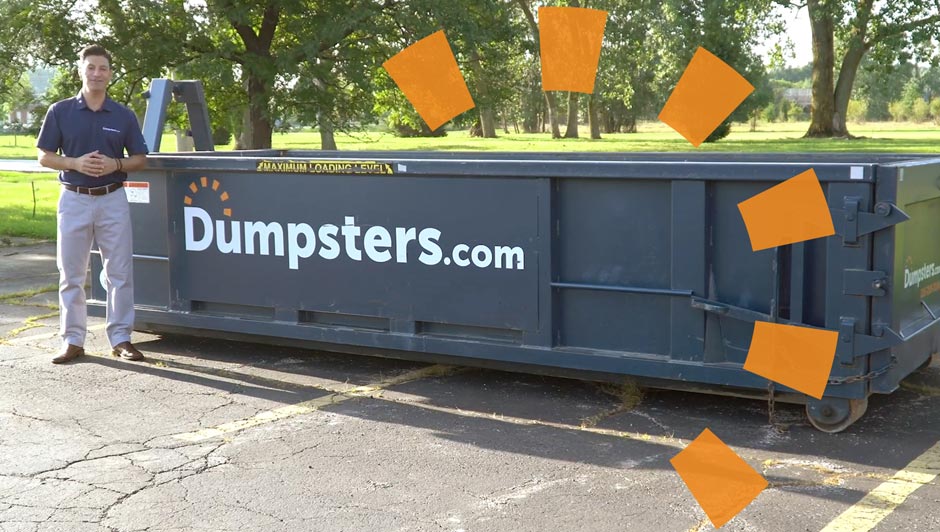
Image Source: www.dumpsters.com
What is a 10 Yard Dumpster?
A 10-yard dumpster is a common waste disposal container, measuring approximately 10 feet long, 8 feet wide, and 3.5 feet high. Its name comes from its capacity to hold roughly 10 cubic yards of material. To put this into perspective, this is equivalent to about 3 pickup truck loads of debris. This size makes it ideal for smaller to medium-sized projects.
Why Choose a 10 Yard Dumpster?
The dumpster rental 10 cubic yards size is often chosen for several key reasons:
- Project Size: It’s perfect for tasks like garage cleanouts, basement decluttering, bathroom remodels, small landscaping jobs, or minor demolition.
- Space Constraints: These dumpsters are generally smaller and can fit in driveways or tighter spaces where larger containers might not be suitable.
- Cost-Effectiveness: Compared to larger dumpsters, the cost of 10 yard dumpster rentals is typically lower, making it an economical choice for projects that don’t generate a massive amount of waste.
Factors Influencing 10 Yard Dumpster Rental Costs
The 10 yard dumpster rental cost isn’t a fixed number. Several variables come into play that can affect the final price you pay. Understanding these factors will help you budget effectively and avoid unexpected charges.
Location, Location, Location
Geographic location is a significant driver of 10 yard dumpster prices. Dumpster rental companies in major metropolitan areas or regions with a higher cost of living often charge more than those in rural or less densely populated areas. This is due to variations in operating costs, labor, fuel prices, and landfill tipping fees, which differ by state and even by county.
- Urban vs. Rural: Expect to pay more in larger cities due to higher operational overhead for rental companies.
- Regional Fuel Costs: Fuel surcharges can fluctuate based on prevailing gas prices in your area.
- Landfill Fees: Landfills charge a “tipping fee” to accept waste. These fees vary considerably depending on the landfill and its location.
Rental Duration
Most dumpster rental companies offer pricing based on a specific rental period, typically 7 to 14 days. If you need the dumpster for longer, you’ll likely incur daily or weekly extension fees. Always confirm the standard rental period with your provider to avoid surprises.
- Standard Rental Period: Usually 7-14 days.
- Extension Fees: Daily or weekly charges for keeping the dumpster beyond the agreed-upon period.
Type of Debris
The 10 yard container rental price can also depend on what you plan to put in it. Certain materials are more expensive to dispose of due to specific handling requirements or landfill restrictions.
- General Household Waste: Typically the cheapest to dispose of.
- Construction & Demolition (C&D) Debris: May incur higher fees depending on the mix of materials (wood, drywall, concrete, metal).
- Heavy Materials: Items like concrete, dirt, rock, or asphalt are often priced by weight rather than volume. A 10-yard dumpster filled with heavy materials could exceed weight limits and incur extra charges. Always check the provider’s weight limits for their 10-yard bins.
- Hazardous Materials: Prohibited items like chemicals, paints, batteries, or electronic waste cannot be placed in standard dumpsters and will result in significant fines or refusal of service.
Tipping Fees and Landfill Charges
As mentioned, landfills charge to accept waste. These “tipping fees” are often included in the dumpster rental quote, but sometimes they are itemized separately or calculated based on the weight of the debris. A 10-yard dumpster has a weight limit, and exceeding it will lead to overage charges.
Fuel Surcharges
Dumpster rental companies incur significant costs for fuel to deliver and pick up containers. Many will add a fuel surcharge to the total cost, which can fluctuate with market fuel prices.
Taxes and Other Fees
Don’t forget to factor in local sales taxes and any potential administrative or environmental fees that the rental company might charge. Always ask for a detailed breakdown of all costs.
What Can Fit in a 10 Yard Dumpster?
The dumpster size 10 yards is suitable for a variety of projects. Knowing what to put in it, and importantly, what not to put in it, is crucial.
Common Uses for a 10 Yard Dumpster
- Small Renovations: Bathroom or kitchen remodels, flooring removal, cabinet replacement.
- Spring Cleaning/Decluttering: Clearing out garages, attics, basements, or entire homes.
- Landscaping Projects: Yard waste, soil, branches, sod removal.
- Small Construction Projects: Minor demolition, deck removal, concrete slab removal.
- Roof Shingle Replacement: Generally, one 10-yard dumpster can hold the shingles from a typical-sized roof.
What NOT to Put in a 10 Yard Dumpster
It’s essential to be aware of prohibited items. These often include:
- Hazardous Waste: Paints, solvents, oils, chemicals, pesticides, batteries, asbestos.
- Electronics (E-waste): TVs, computers, monitors, refrigerators (unless special arrangements are made).
- Tires: Often require separate disposal and may incur additional fees.
- Large Appliances: Refrigerators, freezers, washing machines, dryers (some companies allow these with prior notification, others do not).
- Mattresses and Box Springs: Some municipalities or landfills charge extra for these.
- Liquids: Including flammable liquids, wet paint, or food waste that can leak.
- Items Requiring Special Handling: Batteries, medical waste, propane tanks.
Always ask your dumpster rental provider for their specific list of prohibited items to avoid penalties.
Getting the Best 10 Yard Dumpster Rental Price
To ensure you get the best value for your 10 yard bin price, consider these tips:
Compare Quotes from Multiple Providers
Don’t settle for the first quote you receive. Contact at least three different dumpster rental companies in your area to compare their 10 yard dumpster rental cost. Ask for a detailed quote that includes all potential fees.
Be Specific About Your Debris
When requesting quotes, accurately describe the type and amount of waste you plan to dispose of. This helps providers give you a more accurate estimate and avoid potential overage charges due to unexpected material types or weights.
Ask About Included Services
Inquire whether the 10 yard container rental includes delivery, pickup, and standard landfill fees. Some companies may have separate charges for these services.
Book in Advance
Especially during peak seasons (spring and summer), booking your dumpster in advance can sometimes secure better pricing and ensure availability.
Check for Weight Limits
If you’re disposing of heavy materials like concrete, dirt, or bricks, be sure to ask about the weight limit for the 10-yard dumpster. Exceeding this limit can lead to significant extra charges. The cost of 10 yard dumpster can increase substantially if you go over the weight allowance.
Consider Off-Peak Times
If your project schedule is flexible, renting a dumpster during slower periods might result in lower prices.
Ask About Discounts
Some companies offer discounts for certain types of customers (e.g., contractors) or for longer rental periods. It never hurts to ask!
Understanding the 10 Yard Dumpster Rental Process
Renting a 10-yard dumpster is generally a straightforward process. Here’s a typical breakdown:
- Contact Rental Companies: Reach out to local providers to discuss your project and request quotes.
- Provide Project Details: Specify the type of debris, estimated volume, and desired delivery and pickup dates.
- Receive and Compare Quotes: Review the quotes, ensuring they include all fees. Use a 10 yard dumpster cost estimator if available on their website.
- Book Your Rental: Once you’ve chosen a provider, book your dumpster. You’ll typically need to provide your contact information, delivery address, and payment details.
- Delivery: The rental company will deliver the dumpster to your specified location. Ensure you have a clear, accessible spot for delivery.
- Fill the Dumpster: Load your waste into the dumpster, adhering to weight limits and prohibited item guidelines. Ensure the debris does not extend above the rim for safe transport.
- Schedule Pickup: Contact the rental company when you’re ready for pickup.
- Final Billing: The company will pick up the dumpster and provide a final invoice.
Estimating Your 10 Yard Dumpster Needs
While a 10-yard dumpster is a common size, accurately estimating your waste volume is key to avoiding overspending or needing multiple rentals.
How to Estimate Volume
- Visual Estimate: Imagine filling pickup truck beds. A 10-yard dumpster holds roughly 3 to 4 standard pickup truck loads.
- Debris Measurement: For specific items, measure their dimensions (length x width x height) and calculate their volume. Sum these volumes to get an estimate.
- Project Scope: Consider the nature of your project. A full bathroom gutting will generate more debris than just replacing flooring.
When a 10 Yard Dumpster Might Be Too Small
If your project involves significant demolition, clearing out an entire large house, or extensive landscaping with large amounts of soil or concrete, a 10-yard dumpster might be insufficient. In such cases, consider a 15-yard or 20-yard dumpster. Always err on the side of slightly larger if you’re unsure, as the cost difference might be less than the cost of a second rental.
Common Scenarios for Renting a 10 Yard Dumpster
Let’s look at specific project examples and how the 10 yard waste bin fits:
Scenario 1: Garage or Basement Cleanout
- Debris: Old furniture, boxes of belongings, broken tools, general clutter, possibly some old paint cans (check regulations).
- Suitability: A 10-yard dumpster is often perfect for a thorough cleanout of a standard garage or basement. It can handle the accumulated junk from years of storage.
Scenario 2: Small Bathroom Remodel
- Debris: Old vanity, toilet, tiles, drywall, flooring, wood scraps.
- Suitability: This size is typically sufficient for removing the fixtures and materials from a single bathroom renovation.
Scenario 3: Residential Roof Shingle Replacement
- Debris: Old shingles, underlayment, nails.
- Suitability: A 10-yard dumpster can often hold the asphalt shingles from a standard-sized residential roof. However, it’s wise to confirm with the rental company, as shingle weight can vary.
Scenario 4: Small Landscaping Project
- Debris: Dirt, sod, rocks, branches, shrubbery.
- Suitability: For removing a small patch of lawn or clearing out garden beds, a 10-yard dumpster is a good option. If dealing with significant amounts of heavy soil or rock, pay close attention to weight limits.
Understanding Dumpster Sizing: Beyond the 10 Yard
While focusing on the 10-yard dumpster, it’s helpful to know how it compares to other common sizes:
- 5-Yard Dumpster: Smaller, suitable for very small projects like disposing of a few pieces of furniture or yard waste.
- 15-Yard Dumpster: A step up, good for medium-sized renovations, deck removals, or larger cleanouts.
- 20-Yard Dumpster: Commonly used for larger renovations, whole-house cleanouts, or small construction projects.
- 30-Yard and 40-Yard Dumpsters: Primarily for major construction projects, demolition, or large-scale commercial cleanups.
The dumpster size 10 yards offers a balance between capacity and maneuverability, making it a go-to for many homeowners and small businesses.
Frequently Asked Questions About 10 Yard Dumpster Rentals
Here are some common questions people have about renting a 10-yard dumpster:
Q1: How much weight can a 10 yard dumpster hold?
A1: The weight limit for a 10-yard dumpster typically ranges from 2,000 to 4,000 pounds (1 to 2 tons). However, this can vary by rental company and location. Always confirm the specific weight limit with your provider, especially if you’re disposing of heavy materials like concrete or dirt.
Q2: Can I place a 10 yard dumpster on the street?
A2: Placing a dumpster on a public street often requires a permit from your local municipality. Check with your city or town hall regarding regulations and permit requirements before arranging delivery. Some companies may handle the permit process for an additional fee.
Q3: What if I overfill the 10 yard dumpster?
A3: Overfilling a dumpster is a common issue that can lead to extra charges or refusal of pickup. Debris should not extend above the rim of the container for safety reasons. If you anticipate a large volume of waste, it’s better to rent a slightly larger dumpster to avoid overage fees.
Q4: How long can I keep a 10 yard dumpster?
A4: Most rental periods are 7 days. If you need it for longer, you’ll typically pay an additional daily or weekly fee. Discuss your timeline with the rental company when booking.
Q5: What are the exact dimensions of a 10 yard dumpster?
A5: While general dimensions are around 10 ft long x 8 ft wide x 3.5 ft high, exact dimensions can vary slightly between manufacturers and rental companies. It’s always a good idea to confirm specific measurements if you have tight space constraints.
Q6: Are there any hidden fees with a 10 yard dumpster rental?
A6: To avoid hidden fees, always ask for a detailed quote that outlines all costs, including delivery, pickup, landfill fees, fuel surcharges, and potential overage charges (for weight or exceeding the rental period).
Q7: Can I put electronics or appliances in a 10 yard dumpster?
A7: Generally, no. Most rental companies prohibit electronics (TVs, computers) and large appliances (refrigerators, washing machines) due to environmental regulations and special disposal requirements. You may need to arrange separate disposal for these items.
Q8: How do I find a reliable 10 yard dumpster rental company?
A8: Look for companies with good online reviews, ask for recommendations from friends or contractors, and ensure they are licensed and insured. A reputable company will be transparent about their pricing and services.
Conclusion: Making an Informed Decision for Your Project
The 10 yard dumpster rental cost is an investment in efficiently managing your project’s waste. By considering factors like location, debris type, rental duration, and by comparing quotes diligently, you can secure a 10-yard dumpster at a competitive price. Whether you’re decluttering your garage, tackling a small renovation, or clearing out yard waste, the 10-yard dumpster offers a practical and cost-effective solution. Using resources like a 10 yard dumpster cost estimator can further streamline your budgeting process. Remember to always communicate clearly with your chosen provider to ensure a smooth and hassle-free experience. With this knowledge, you’re well-equipped to make an informed decision for your waste removal needs.