
What is a septic tank, and can I locate it myself? A septic tank is an underground wastewater treatment structure. Yes, you can locate it yourself using various methods, but sometimes professional help is needed. Knowing your septic tank location is crucial for maintenance and preventing damage.
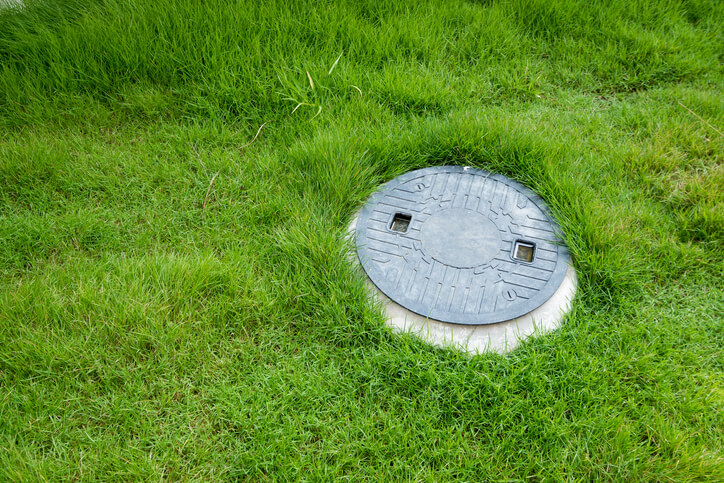
Image Source: www.jonessepticfl.com
Why Knowing Your Septic Tank Location Matters
Your septic system is a vital part of your home’s wastewater management. It works by collecting all household wastewater, separating solids from liquids, and treating the liquids before they are dispersed into the soil. Regular septic tank maintenance, like septic tank cleaning, is essential for its longevity and to prevent costly backups and environmental issues. If you’re planning a new construction project, gardening, or simply want to be prepared for potential issues, knowing exactly where your septic tank is buried is paramount. This guide will walk you through the process of finding your septic tank in your yard.
Common Signs of Septic Tank Location
Often, the best clues to your septic tank location are already present on your property, though they may not be obvious at first glance. These signs can include:
Visible Septic Tank Lids or Risers
- Septic Tank Lids: In older systems, or if the ground has settled significantly, you might see the top of the septic tank lid protruding slightly from the ground. These are usually circular or rectangular metal or concrete covers.
- Septic Tank Risers: Modern septic systems often have risers, which are vertical pipes extending from the tank to or near the surface. These make accessing the tank for pumping and inspection much easier. They typically have a plastic or metal lid. If you can find a riser, you’ve likely found your tank.
Lush or Soggy Patches of Grass
- Drain Field Clues: While not directly indicating the tank itself, unusually lush or persistently wet areas in your yard, especially in a pattern, could suggest a problem with the drain field, which is directly connected to the septic tank. A failing drain field might mean the tank is overfilled or there’s a blockage.
- Leakage: In rare cases, a leak in the tank or connecting pipes could cause localized, unusually green grass over the tank or drain field area.
Older Home Construction Features
- Well Location: Sometimes, the septic system was installed with consideration to the well’s location. If you know where your well is, the tank might be downhill from it, but never uphill.
- Property Maps: Older properties might have had more detailed site plans created during construction.
Methods to Locate Your Septic Tank
If visual cues aren’t enough, several methods can help you pinpoint your underground septic tank.
Method 1: Checking Property Records and Documentation
This is the most reliable first step.
Homeowner’s Manuals and Records
- Original Purchase Documents: When you bought your home, the septic system information might have been included in the disclosure documents or provided by the previous owner.
- Local Building Department: Your local building or health department often keeps records of permits issued for septic tank installation. These records may include site plans showing the tank and drain field location. You might need to visit in person or make a formal request.
- Septic Service Company Records: If you’ve had septic tank cleaning or maintenance performed in the past, the company you used may have records of the tank’s location. Contacting them is a good idea.
Method 2: Using a Probe or Shovel
This is a more hands-on approach.
The Probing Technique
- Gather Your Tools: You’ll need a metal probe rod (about 6 feet long), a shovel, and potentially a bucket of water.
- Identify Potential Areas: Based on your house’s plumbing and where your main sewer line exits the house, start looking in areas roughly 10-25 feet away from the foundation. Septic tanks are typically installed downhill from the house.
- Start Probing: Begin inserting the probe rod into the ground at regular intervals (e.g., every 2-3 feet).
- Feel for a Change: The goal is to feel a change in resistance. When you hit the concrete or plastic lid of the septic tank, the rod will stop abruptly or feel significantly harder to push.
- Mark the Spot: Once you locate the edge of the tank, mark it. Continue probing around the perimeter to define the tank’s shape and size. You might find multiple lids if your tank has multiple compartments.
- Confirm with a Shovel (Carefully!): If you’re reasonably sure, you can carefully use a shovel to scrape away a small amount of soil to confirm. Be extremely cautious not to damage the tank or any pipes.
Important Considerations for Probing:
- Soil Type: The ease of probing depends on your soil. Rocky soil can make it difficult to distinguish between rocks and the tank.
- Depth: Septic tanks are typically buried between 6 inches and 6 feet deep. If you probe and don’t find anything, you may need to probe deeper or in a different area.
- Safety First: Be aware of underground utilities like gas, water, and electrical lines before you start digging. Call 811 before you dig to have underground utilities marked.
Method 3: Observing Water Usage Patterns
This is a less direct method but can provide clues.
How Water Use Affects Surface Appearance
- Recent Pumping: If your septic tank was recently pumped, the ground above it might appear slightly depressed or unusually dry for a short period.
- Flow Patterns: Water from your home flows downhill. Consider the slope of your yard and where wastewater would naturally travel after leaving the house.
Method 4: Using a Septic Locating Service or Professional
When all else fails, or for peace of mind, hiring a professional is the best option.
Professional Septic Locating Services
- Electronic Locators: Professionals often use specialized electronic equipment that can detect the presence of underground structures. These devices can locate metal components (like some lids or access risers) and sometimes even plastic or concrete tanks by detecting changes in soil density or moisture.
- Sewer Camera Inspection: A plumber or septic technician can use a sewer camera to explore your pipes and potentially locate the entry point to the septic tank.
- Benefits of Professional Help:
- Accuracy: Professionals have the tools and expertise for precise location.
- Safety: They know how to avoid damaging the system or other underground utilities.
- Efficiency: They can often locate the tank much faster than DIY methods.
- System Health Check: While they’re there, they can often perform a basic septic system inspection.
What to Do Once You’ve Found Your Septic Tank
Once you’ve successfully located your septic tank, it’s important to take steps to ensure its long-term health and your property’s safety.
Mark the Location Clearly
- Permanent Markers: Use brightly colored, weather-resistant stakes or markers to clearly indicate the exact location of the septic tank and its access points (lids or risers).
- Inform Others: Make sure everyone in your household knows where the septic tank is located.
Plan for Septic Tank Maintenance
- Regular Pumping: Septic tanks typically need to be pumped every 3-5 years, depending on household size and water usage. Knowing the location makes scheduling this much easier.
- Routine Inspections: Schedule regular septic system inspections to check for any signs of damage or potential problems. This can prevent more serious issues and costly repairs.
- Avoid Driving Over It: Never drive heavy vehicles or machinery over the septic tank or drain field area, as this can damage the system.
Understanding Septic Tank Installation and Design
While this guide focuses on finding an existing tank, it’s worth noting that proper septic tank installation is crucial for efficient operation. Factors like tank size, material (concrete, plastic, fiberglass), and drain field design all play a role. If you are considering a new septic tank installation, consult with a qualified professional who can design and install a system appropriate for your property and needs.
Common Challenges and Solutions
Finding an underground septic tank can sometimes be tricky. Here are common challenges and how to overcome them:
Challenge: The Tank is Buried Very Deep
- Solution: If probing with a standard rod yields no results, you may need a longer probe or to consider professional locating services. Very deep tanks are less common but not impossible.
Challenge: Rocky Soil or Lots of Roots
- Solution: Rocky terrain can mimic the feel of a tank. Try probing in multiple spots around a suspected area. Tree roots can also interfere with probing. If you suspect roots are the issue, you might need to carefully expose a small area with a shovel to clear the path.
Challenge: The Tank is Plastic and Difficult to Detect Electronically
- Solution: Some electronic locators work better with metal components. If your tank is plastic, probing or professional services that use ground-penetrating radar (GPR) might be more effective.
Challenge: Multiple Lids or Access Points
- Solution: Some larger tanks have multiple access points or even multiple compartments. If you find one lid, continue probing to see if there are others. This might indicate a larger or multi-compartment tank.
Challenge: The Tank is Not Where You Expect It
- Solution: Don’t rely solely on assumptions about where the tank “should” be. Follow the systematic probing or documentation-checking methods. The original installation might not have followed typical patterns.
Septic System Inspection: What to Look For
Beyond just locating the tank, a basic understanding of what a septic system inspection entails can be helpful.
Key Components of a Septic System Inspection:
- Tank Condition: Checking for cracks, leaks, or damage to the tank itself.
- Lid and Riser Integrity: Ensuring lids and risers are secure, not damaged, and properly sealed.
- Baffle Check: Inspecting the baffles that separate solids and scum within the tank.
- Sludge and Scum Levels: Determining if the tank needs pumping. Typically, pumping is recommended when the sludge layer reaches 25% of the tank’s depth or the scum layer reaches 12 inches thick.
- Drain Field Condition: Looking for signs of waterlogging, pooling water, or unusually lush vegetation, which can indicate drain field failure.
- Odor: Strong sewage odors around the tank or drain field are a clear sign of a problem.
When to Call a Professional for Septic Tank Maintenance
- If you cannot locate your septic tank.
- If you suspect any damage to the tank or pipes.
- When the tank is due for pumping (typically every 3-5 years).
- If you notice any of the warning signs of a failing septic system, such as slow drains, sewage odors, or sewage backing up into your home.
Frequently Asked Questions (FAQ)
Q1: How often should I pump my septic tank?
A1: Most septic tanks need to be pumped every 3 to 5 years. However, this depends on the size of your tank, the number of people in your household, and your water usage habits. A professional septic service can advise you on the best pumping schedule for your specific system.
Q2: Can I dig up my septic tank myself?
A2: You can attempt to locate your septic tank using probing methods, but digging should be done with extreme caution. Always call 811 before you dig to mark underground utilities. If you are unsure or uncomfortable, it’s best to hire a professional septic locating service or plumber.
Q3: What happens if I don’t maintain my septic tank?
A3: Neglecting septic tank maintenance can lead to serious problems. These include sewage backups into your home, damage to your septic system and drain field, and potential environmental contamination. Regular septic tank cleaning and inspections are crucial for preventing these issues.
Q4: What is a drain field, and how is it related to my septic tank?
A4: The drain field (also known as a leach field or absorption field) is a critical part of your septic system. It’s a series of underground trenches or beds containing gravel or other materials where the liquid effluent from the septic tank is dispersed into the soil for further treatment and filtration. Finding your drain field location is often as important as finding the tank itself, especially for avoiding damage when digging or landscaping.
Q5: My yard has a soggy spot. Does this mean my septic tank is leaking?
A5: A soggy spot in your yard could indicate a problem with your septic system, but it’s not always a leak from the tank itself. It could be a sign of a blockage in the pipes leading to or from the tank, or more commonly, a failing drain field. The excess moisture means the drain field isn’t properly dispersing the liquid.
Q6: Can I install a septic tank myself?
A6: Septic tank installation is a complex process that requires specialized knowledge, permits, and adherence to local health and building codes. It’s strongly recommended to hire a licensed and experienced septic system installer for septic tank installation to ensure it’s done correctly and safely. Improper installation can lead to system failure and environmental hazards.
Q7: Are there different types of septic tanks?
A7: Yes, septic tanks can be made from various materials, including concrete, plastic (polyethylene), and fiberglass. Each material has its pros and cons regarding durability, cost, and ease of installation. The method for locating a septic tank might vary slightly depending on the material. For example, a metal detector might be more effective for older concrete tanks with metal reinforcement or older metal lids, but modern plastic tanks are harder to detect this way.
By following these steps and understanding the importance of your septic system, you can confidently locate your septic tank and ensure it receives the necessary care for years to come.