
Can you attract deer to your yard? Yes, you can attract deer to your yard by providing them with food, water, shelter, and minerals. This guide will walk you through the simple steps to make your yard a deer haven.
Attracting deer to your yard can be a rewarding experience, offering a chance to observe these magnificent creatures up close. Whether you’re a wildlife enthusiast, a gardener looking to manage deer browsing (or hoping to provide a safe haven), or simply enjoy the presence of nature, understanding what draws deer in is key. This comprehensive guide will explore various methods, from planting the right foods to using specific attractants, all while emphasizing responsible and ethical practices.
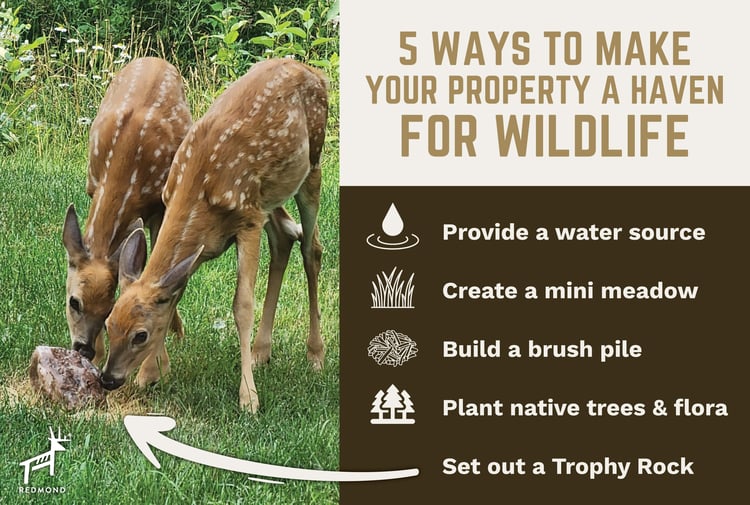
Image Source: blog.redmondhunt.com
Creating a Deer-Friendly Environment
Making your yard appealing to deer involves more than just putting out food. It’s about creating an ecosystem that meets their fundamental needs.
Providing Essential Deer Food Sources
Deer are herbivores with a varied diet. Offering them nutritious deer food can significantly increase your yard’s appeal.
Natural Forage: Planting for Deer
The most sustainable and natural way to attract deer is by planting for deer. This means incorporating plants that deer find palatable and nutritious into your landscaping.
- Forage Plants: Consider planting clover, alfalfa, soybeans, and winter wheat. These are highly nutritious and readily consumed by deer.
- Browse Plants: Shrubs like dogwood, willow, and hazelnut provide important browse, especially during winter months.
- Fruits and Nuts: Planting fruit trees like apple and pear, or nut-producing trees like oak and hickory, can be a major draw. Acorns are a staple for many deer populations.
- Vegetables: While tempting, be mindful of protecting your own garden if you plant vegetables like carrots, lettuce, or peas. Deer love these!
Table 1: Deer Food Preferences
| Food Type | Examples | Best Season for Availability |
|---|---|---|
| Grasses | Clover, Alfalfa, Fescue, Timothy | Spring through Fall |
| Forbs | Vetch, Peas, Soybeans, Wildflowers | Spring through Summer |
| Browse | Dogwood, Willow, Hazelnut, Maple twigs | Year-round, especially Winter |
| Fruits | Apples, Pears, Berries | Summer through Fall |
| Nuts | Acorns, Walnuts, Hazelnuts | Fall |
| Vegetables | Corn, Carrots, Lettuce, Pumpkins | Fall through Winter (if available) |
Supplemental Feeding: Deer Attractants
Beyond planting, supplemental feeding with deer attractants can quickly draw deer to your property. These products are specifically designed to entice deer with scent and taste.
- Corn for Deer: This is a classic and highly effective deer attractant. Deer are naturally drawn to corn. Spreading a small amount of corn for deer in a designated area can quickly attract them.
- Apple Slices for Deer: Many deer species love the sweetness of apples. Offering apple slices for deer is a healthy and appealing supplement. You can also use whole apples.
- Commercial Attractants: There are many commercially available deer attractants made from various ingredients like molasses, fruit essences, and plant-based nutrients. Read labels carefully to choose those suitable for your region and local regulations.
Natural Deer Attractants
For those who prefer to avoid processed products, there are many natural deer attractants you can use.
- Salt and Mineral Blocks: Deer need minerals for healthy growth and antler development. Placing deer minerals or salt blocks in a designated spot can be a powerful attractant, especially during certain times of the year.
- Fruit Scraps: Leftover fruit from your kitchen, like apple cores or pear peels, can be offered in moderation.
- Wild Berry Bushes: Planting native berry bushes like elderberries, serviceberries, and blackberries will provide natural food sources that also serve as attractants.
The Importance of Water Sources
Just like food, water is crucial for all wildlife. A reliable water source can make your yard a magnet for deer, especially during dry periods.
- Bird Baths: While small, a consistent water source from a bird bath can be used by deer, especially fawns.
- Ponds or Water Features: A small pond or even a large, shallow water trough can be a significant draw. Ensure it’s accessible and safe for deer to approach.
- Streams or Creeks: If your property has access to a natural water source, ensure it’s clean and accessible.
Shelter and Cover: Creating a Safe Haven
Deer need places to feel safe and secure. Providing adequate cover will not only attract them but also encourage them to linger.
- Dense Shrubs and Evergreens: Plant dense shrubs and evergreen trees that offer protection from predators and harsh weather. These also provide bedding areas.
- Brush Piles: Creating brush piles using fallen branches and brush can offer excellent hiding spots for fawns and a sense of security for adult deer.
- Undisturbed Areas: Leave certain areas of your yard wild and undisturbed. Tall grasses and natural vegetation offer a natural feel that deer appreciate.
Using Deer Scent Lures and Attractant Recipes
Beyond food and shelter, scent plays a critical role in attracting deer. Deer scent lure can mimic natural scents that draw deer in.
How Deer Scent Lures Work
Deer rely heavily on their sense of smell to navigate, find food, and detect danger. Deer scent lure typically mimics the scent of urine from bucks or does, or the smell of food sources.
- Buck Urine: This can attract bucks, especially during the rutting season, as it signals the presence of a potential mate.
- Doe Urine: This can attract both bucks and does, as it indicates a ready doe or simply the presence of other deer.
- Food Scents: Scents that mimic corn, apples, or other desirable food items can also be effective.
Creating Your Own Deer Attractant Recipes
For a more hands-on approach, you can create your own deer attractant recipes. These often involve common household ingredients that deer find irresistible.
Simple Deer Attractant Recipe: Apple & Molasses Mix
This is a popular and effective deer attractant recipe.
Ingredients:
- 1 gallon of sweet feed (oats, corn, barley)
- 1 cup of blackstrap molasses
- 1 cup of apple cider vinegar
- 1-2 cups of chopped apples (optional)
Instructions:
- In a large bucket, combine the sweet feed, molasses, and apple cider vinegar.
- Mix thoroughly until the feed is well coated.
- If using, stir in the chopped apples.
- Spread this mixture in a designated feeding area on your property.
- Refresh as needed.
Natural Deer Attractant Recipe: Fruit Mash
Another simple natural deer attractant recipe focuses on sweet fruits.
Ingredients:
- 1 gallon of overripe or windfall apples, pears, or berries
- 1/4 cup of brown sugar or molasses (optional, for extra sweetness)
Instructions:
- Mash the fruits thoroughly.
- If using, stir in the sugar or molasses.
- Place the mash in a shallow dish or spread it in a feeding area.
- This is best used fresh and may attract insects, so monitor its freshness.
Best Deer Attractants for Different Seasons
The best deer attractants can vary depending on the time of year and the deer’s current needs and behaviors.
- Spring: Young grasses and forbs are becoming available. Supplemental feeding with protein-rich feeds and high-quality grains can be beneficial.
- Summer: Deer are actively growing antlers and raising fawns. Continue with protein feeds and introduce fruit-based attractants.
- Fall (Rut): Scents like doe urine and buck urine become highly effective. Corn and acorns are also prime attractants.
- Winter: Deer face scarcity. Providing high-energy foods like corn, grains, and mineral supplements is crucial.
Strategic Placement and Considerations
Where and how you place your attractants matters.
Choosing the Right Location
- Visibility: Select a location where you can easily see the deer from a safe distance.
- Safety: Ensure the area is safe for deer to access, away from busy roads or potential hazards.
- Cover: Place feeding areas near natural cover so deer feel secure.
- Distance from Residence: Consider the proximity to your house and any potential nuisance concerns.
How Much to Feed
Less is often more. Overfeeding can lead to dependency and concentrate deer in one area, potentially spreading disease.
- Small, Consistent Amounts: A handful or two of corn, or a small portion of a homemade mix, is usually sufficient.
- Monitor Consumption: Observe how quickly the attractant is consumed and adjust accordingly.
- Local Regulations: Be aware of and adhere to any local laws regarding feeding wildlife.
Ethical Feeding Practices
It’s important to feed wildlife responsibly.
- Avoid Dependency: Don’t create a situation where deer become overly reliant on artificial food sources.
- Disease Prevention: Avoid feeding deer that appear sick. Clean feeding areas regularly to prevent disease transmission.
- Native Plants First: Prioritize native plants that provide natural food and habitat. Supplemental feeding should complement, not replace, natural food sources.
Attracting Deer Naturally: The Long-Term Approach
While attractants can provide quick results, building a sustainable, natural environment is the most rewarding long-term strategy.
Habitat Improvement
- Plant Native Species: Focus on planting native trees, shrubs, and wildflowers that provide food and shelter year-round.
- Create Edge Habitat: Deer thrive in edge habitats – the transition zones between forests and open fields.
- Water Management: Maintaining or creating water sources is vital.
Minimizing Disturbance
- Quiet Zones: Designate areas of your yard as quiet zones where deer can rest undisturbed.
- Limit Human Activity: Reduce foot traffic and noise in areas where you want deer to feel comfortable.
- Pet Control: Keep pets, especially dogs, supervised and leashed when deer are present.
Frequently Asked Questions (FAQ)
Q1: Is it legal to feed deer in my yard?
A1: Legality varies by state and local municipality. Always check your local wildlife regulations before feeding deer. Some areas prohibit feeding to prevent disease spread and unnatural concentrations.
Q2: What is the best time of year to attract deer?
A2: While deer are present year-round, fall and winter are often the easiest times to attract them due to natural food scarcity. However, with the right attractants and habitat, you can draw them in any season.
Q3: Can I use commercial deer attractants all year round?
A3: While many commercial attractants can be used year-round, some are specifically formulated for certain seasons, like the rut. It’s best to follow the product’s instructions and consider the deer’s nutritional needs throughout the year.
Q4: What are the best natural deer attractants?
A4: Natural attractants include native plants that provide browse and berries, fallen fruits like apples and pears, and mineral blocks specifically designed for deer. Planting clover, alfalfa, and acorns are excellent natural strategies.
Q5: How do I prevent deer from eating my garden if I’m trying to attract them to another area?
A5: This is a common challenge. You can try creating a barrier around your garden (e.g., fencing, deer-resistant plants) while establishing a separate, appealing feeding area for them. Using specific deer scent lure away from your garden might also help redirect their attention.
Q6: Are deer attractants safe for other wildlife?
A6: Most common deer attractants, like corn and apples, are also consumed by other animals like squirrels, birds, and raccoons. If your goal is solely to attract deer, you might need to implement measures to deter other wildlife from the feeding area or accept that other animals will also visit.
Q7: How can I make my yard more appealing without using commercial products?
A7: Focus on creating a welcoming habitat. Plant a variety of native plants that offer food and cover throughout the year. Provide a clean water source. Minimize disturbances and create a sense of security. This is the core of planting for deer and creating a natural habitat.
By implementing these simple tips, you can transform your yard into a welcoming haven for deer, offering opportunities for observation and connection with nature. Remember to always prioritize ethical and responsible practices.