
Can you stop raccoons from pooping in your yard? Yes, you can effectively stop raccoons from pooping in your yard by implementing a combination of deterrents, habitat modification, and proper cleanup. This involves making your yard less attractive and accessible to them, and thoroughly removing existing raccoon feces removal.
Raccoons are opportunistic and adaptable creatures. When they find a steady food source and a safe place to rest, they often decide to make your yard their personal restroom. Dealing with their waste can be unpleasant and unhygienic, leading to concerns about health and property damage. This guide provides a comprehensive approach to deterring raccoons from yard activities, including their unwelcome defecation.
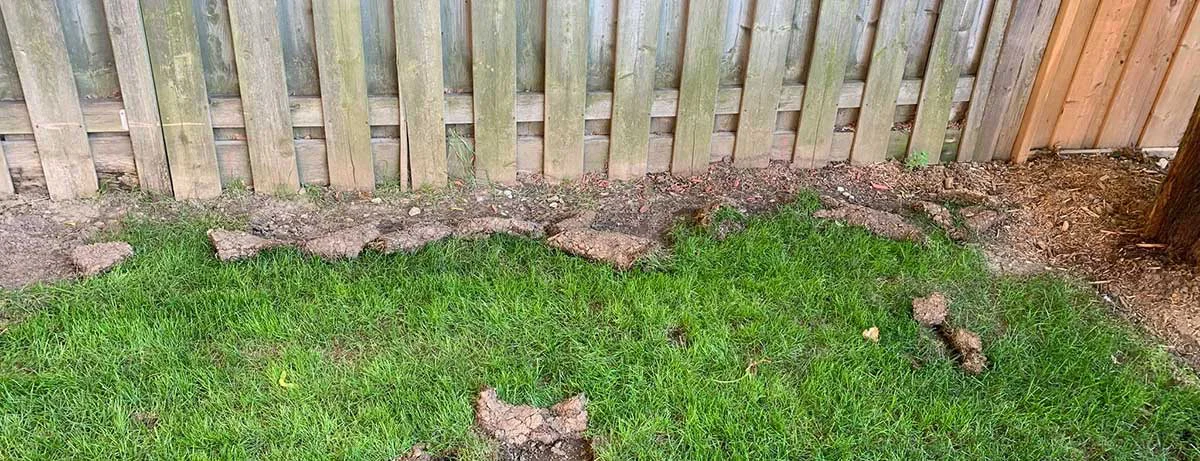
Image Source: www.hawkeye.ca
Why Raccoons Choose Your Yard
Before we dive into solutions, it’s helpful to understand why raccoons are drawn to your yard in the first place. They aren’t intentionally trying to annoy you; they’re simply seeking resources.
Common Attractants:
- Food Sources: This is the biggest draw.
- Pet food left outdoors, even for a short time.
- Unsecured garbage cans.
- Compost piles that contain food scraps.
- Bird feeders that spill seeds or nuts.
- Fallen fruit from trees.
- Grub infestations in lawns.
- Shelter: Raccoons look for safe, sheltered places to sleep and raise their young.
- Access to attics, crawl spaces, or sheds.
- Thick bushes or overgrown vegetation.
- Woodpiles.
- Densely vegetated areas along fences or boundaries.
- Water Sources: Ponds, bird baths, or even leaky faucets can attract them.
By identifying and removing these attractants, you significantly reduce the likelihood of raccoons choosing your yard as their preferred spot for toileting.
Effective Strategies for Raccoon Poop Prevention
Stopping raccoons from pooping in your yard requires a multi-pronged approach. It’s not just about cleaning up; it’s about making your yard an unwelcoming environment.
1. Secure Your Garbage: The First Line of Defense
Garbage cans are a raccoon’s buffet. If they can easily access your trash, they will, and often will defecate nearby.
Secure Trash Cans
- Use Heavy-Duty, Animal-Resistant Cans: Opt for metal cans or heavy plastic bins with tight-fitting lids. Raccoons have strong paws and can pry open weaker lids.
- Lock Lids: Many cans have latches or locking mechanisms. Use them! You can also secure lids with bungee cords or straps.
- Store Cans Securely: Keep garbage cans in a garage, shed, or a sturdy enclosure until trash day. This is one of the most effective ways to prevent preventing raccoon entry and foraging.
- Rinse Cans: Regularly rinse your garbage cans to remove residual food odors that attract raccoons.
2. Eliminate Outdoor Food Sources
Be vigilant about anything that might be considered a meal for a raccoon.
- Bring Pet Food Inside: Never leave pet food or water bowls outside overnight. If you feed pets outdoors, do so during daylight hours and remove any uneaten food promptly.
- Manage Bird Feeders: While birds are lovely, their feeders can be a significant raccoon attractant.
- Choose feeders that are squirrel and raccoon-proof.
- Clean up spilled seeds regularly.
- Consider removing feeders temporarily if raccoon activity is high.
- Harvest Fallen Fruit: If you have fruit trees, pick up fallen fruit daily.
- Compost Smartly: Avoid composting meat, dairy, or oily foods, which are highly attractive to raccoons. Bury food scraps deep within the compost pile or use a secure compost bin.
3. Make Your Yard Less Appealing as Shelter
Raccoons look for safe havens. Denying them these spots can help.
- Trim Overhanging Branches: Raccoons can use tree branches to access roofs or decks. Trim branches that extend over your house.
- Seal Entry Points: Inspect your attic, crawl spaces, sheds, and garages for any potential entry points. Seal gaps and holes with sturdy materials like metal flashing or hardware cloth. This is crucial for preventing raccoon entry.
- Clear Debris: Remove woodpiles, dense undergrowth, and other debris where raccoons might seek shelter. Keep your yard tidy.
Raccoon Repellents: What Works and What Doesn’t
There are many products marketed as raccoon repellent. Their effectiveness can vary, and often a combination of methods is best.
Odor-Based Repellents
Raccoons have a strong sense of smell. Certain strong odors can be off-putting.
- Ammonia-Soaked Rags: Place rags soaked in ammonia near areas where raccoons frequent. The strong fumes can deter them. Re-soak regularly as the smell dissipates.
- Cayenne Pepper or Chili Powder: Sprinkle cayenne pepper around affected areas. While it might irritate them, it’s not a long-term solution as it washes away easily and may need frequent reapplication.
- Predator Urine: Urine from predators like coyotes or foxes can signal danger to raccoons. Look for commercial products containing these.
- Peppermint Oil or Eucalyptus Oil: Some people find that strong essential oils can deter raccoons. Soak cotton balls and place them in strategic locations.
Important Note: Always use these repellents responsibly and according to product instructions. Be mindful of pets and children, as some substances can be harmful if ingested.
Visual and Auditory Deterrents
These methods aim to startle or disorient raccoons.
- Motion-Activated Sprinklers: These devices detect movement and release a burst of water, which can effectively startle raccoons and encourage them to move along. They are a safe raccoon deterrent.
- Ultrasonic Devices: These emit high-frequency sounds that are inaudible to humans but supposedly bothersome to animals. Reviews on their effectiveness are mixed.
- Lights: Bright, motion-activated lights can disrupt a raccoon’s nocturnal activity and make them feel exposed.
Commercial Repellents
There are many commercial raccoon repellent sprays and granules available. When choosing one, look for products specifically designed for raccoons and follow the application instructions carefully. Some are designed to create an unpleasant taste or smell.
Cleaning Up Raccoon Droppings Safely and Effectively
Once you’ve started deterring them, it’s essential to clean up existing raccoon feces removal and minimize health risks. The raccoon urine smell can also linger.
Why Proper Cleanup is Crucial
- Health Risks: Raccoon droppings can contain harmful bacteria, viruses, and parasites, most notably Baylisascaris procyonis (raccoon roundworm). Ingesting or inhaling the microscopic eggs of this parasite can lead to serious illness in humans, especially children.
- Odor and Stains: Uncleaned droppings contribute to unpleasant odors and can stain surfaces.
- Attracting More Raccoons: Raccoons often return to areas where they have previously defecated, as the scent can serve as a territorial marker.
Step-by-Step Cleanup Process
The process of cleaning raccoon droppings requires caution.
Materials You’ll Need:
- Heavy-duty rubber gloves
- Disposable masks (N95 recommended)
- Disposable coveralls or old clothing you don’t mind discarding
- Shovel or scraper
- Plastic bags (heavy-duty trash bags)
- Disinfectant solution (e.g., 1 part bleach to 10 parts water, or a commercial disinfectant effective against parasites)
- Hose with water
- Broom or stiff brush
The Cleanup Procedure:
- Gear Up: Put on your gloves, mask, and coveralls to protect yourself from potential contaminants.
- Dry Removal (If Possible): If the droppings are dry and crumbly, gently sweep or scoop them into a plastic bag. Avoid stirring up dust. For larger accumulations, a shovel is useful. This is part of effective animal waste cleanup.
- Bagging: Seal the plastic bags tightly to prevent the release of any airborne contaminants.
- Disinfection:
- Spray the affected area thoroughly with your chosen disinfectant solution.
- Allow the disinfectant to sit for the recommended contact time (check product labels, typically 10-30 minutes). This is crucial for killing any remaining pathogens and reducing the raccoon urine smell.
- Scrub stubborn stains with a stiff brush.
- Rinsing: Rinse the area thoroughly with water.
- Disposal: Dispose of the sealed bags containing the droppings, used gloves, masks, and disposable clothing in an outdoor trash receptacle. Wash any reusable tools thoroughly with disinfectant.
- Personal Hygiene: After cleanup, remove your coveralls carefully, wash your hands and any exposed skin thoroughly with soap and water, and wash the clothing you wore separately.
Important: Never use a dry broom or vacuum cleaner on raccoon droppings, as this can aerosolize the roundworm eggs, posing a significant inhalation risk. For extensive or inaccessible contamination, consider professional animal waste cleanup services.
Humane Raccoon Control: Ethical Considerations
When dealing with wildlife, humane raccoon control is paramount. The goal is to deter them, not to harm them.
- Avoid Trapping and Relocation (Unless Professional): While trapping seems like a solution, improperly handled relocation can be detrimental to the animal and may not solve the problem long-term, as other raccoons may move in. If trapping is necessary, consult with wildlife professionals.
- Focus on Prevention: The most humane and effective approach is preventing raccoon entry and making your property unattractive to them through the methods described above.
- Respect Wildlife: Raccoons are part of the ecosystem. The aim is peaceful coexistence, managed through responsible property maintenance and deterrents.
Long-Term Raccoon Scat Management
Consistent raccoon scat management is key to keeping them away.
- Regular Yard Maintenance: Keep your lawn mowed, trim bushes, and remove any debris that could provide shelter or attract food.
- Consistent Securement: Make sure garbage cans are always secured, and outdoor food sources are managed daily.
- Monitor for Re-entry: Keep an eye out for new droppings or signs of raccoon activity. Early detection allows for quicker intervention.
- Inform Neighbors: If raccoons are a neighborhood issue, discuss strategies with your neighbors. Collective efforts can be more effective.
Creating a Raccoon-Unfriendly Environment
Think like a raccoon. What would make your yard seem like a difficult or unappealing place to hang out?
- Bright Lighting: Well-lit yards at night can deter nocturnal animals.
- Water Management: Ensure no standing water sources are readily available, such as clogged gutters or leaky spigots.
- Natural Barriers: Consider planting dense, thorny bushes around the perimeter of your property, as these can act as natural deterrents.
Frequently Asked Questions (FAQ)
Q1: How often do raccoons poop?
A1: Raccoons typically defecate once or twice a day, often at dawn and dusk. They tend to choose specific communal latrine areas within their territory.
Q2: Can raccoons damage my property?
A2: Yes, raccoons can cause damage by tearing through garbage bags, digging in lawns for grubs, chewing on wires, and gaining access to attics or crawl spaces, which can lead to insulation damage and structural issues. The acidity in their urine can also damage surfaces over time.
Q3: What natural repellents are effective for raccoons?
A3: Natural repellents often rely on strong scents. Ammonia-soaked rags, cayenne pepper sprinkled around affected areas, and predator urine are commonly cited. Peppermint oil is also sometimes used. However, their effectiveness can be temporary and requires frequent reapplication.
Q4: Is it safe to remove raccoon poop myself?
A4: Yes, it can be safe if you take proper precautions. Always wear protective gear like gloves, a mask (N95 recommended), and coveralls. Avoid creating dust by not sweeping dry droppings. Disinfect the area thoroughly afterward, and wash your hands and clothing. If you are concerned about the amount or location, consider professional help.
Q5: How do I stop raccoons from coming into my attic?
A5: The best way is to prevent preventing raccoon entry by sealing all potential entry points in your roofline, eaves, and vents. Trim tree branches that offer access. If they are already in your attic, humane deterrents or professional removal may be necessary, followed by sealing entry points.
Q6: What are the signs of raccoon infestation?
A6: Signs include hearing noises in the attic or walls (especially at night), finding droppings, discovering damaged garbage cans, seeing claw marks on trees or structures, and noticing unusual odors.
By implementing these strategies, you can effectively manage and prevent raccoons from using your yard as their toilet, ensuring a cleaner, healthier, and more pleasant outdoor space. Remember that persistence and a consistent approach are key to long-term success in raccoon scat management.