
So, how much does it cost to till a yard? The cost of tilling a yard can range from $75 to $300 or more, depending on several factors like the size of your yard, the condition of the soil, and whether you hire a professional or go the DIY route. This price often covers basic tilling, but adding services like soil amendment or debris removal can increase the tilling lawn cost.
Tilling your yard is a crucial step for healthy plant growth, whether you’re starting a new garden, laying down sod, or revitalizing an existing lawn. It breaks up compacted soil, improves drainage, and mixes in nutrients. But what goes into the final bill? This guide will help you figure out the yard tilling prices and what to expect.
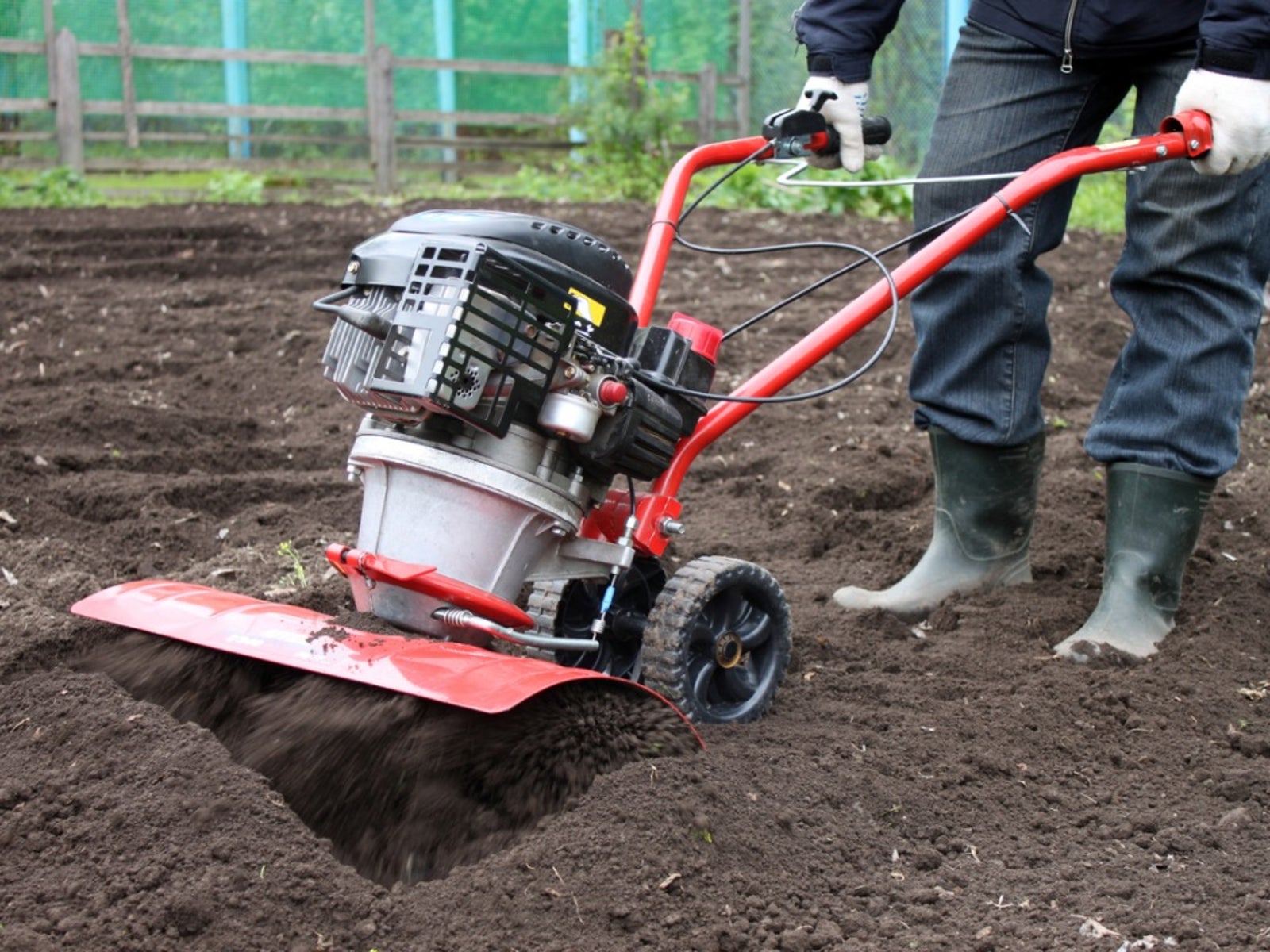
Image Source: cdn.mos.cms.futurecdn.net
Deciphering Yard Tilling Costs
The average tilling cost varies significantly based on several key elements. When you’re looking at professional tilling prices, remember that these professionals are factoring in their expertise, equipment, fuel, and time. Here’s a breakdown of what influences how much you’ll pay for a tilling service cost:
Yard Size Matters
The most obvious factor affecting the price is the size of your yard. Tilling a small 500-square-foot garden plot will naturally cost less than tilling a large 5,000-square-foot backyard. Service providers often charge by the square foot or by the hour, and larger areas mean more work.
- Small Yards (Under 1,000 sq ft): Expect to pay between $75 and $150.
- Medium Yards (1,000 – 2,500 sq ft): Prices can range from $150 to $250.
- Large Yards (Over 2,500 sq ft): Costs can easily exceed $250, potentially reaching $400 or more.
Soil Condition and Type
The state of your soil plays a significant role in the lawn preparation cost.
- Compacted Soil: If your soil is heavily compacted, it will require more effort and time to break up. This can increase the hourly rate or per-square-foot cost.
- Rocky or Root-Filled Soil: Yards with lots of rocks, large roots, or debris will also take longer to till and may incur extra charges for debris removal or for using specialized equipment.
- Soil Type: Heavy clay soils can be harder to work with than sandy soils, potentially affecting the time and effort needed.
Service Provider vs. DIY
The decision between hiring a professional and doing it yourself significantly impacts the cost of tilling.
DIY Tilling Cost
If you opt for DIY tilling cost, your main expenses will be the rental of a tiller and your time.
-
Tiller Rental:
- Rear-tine tillers (more powerful, better for hard soil) typically cost more to rent, around $70-$100 per day.
- Front-tine tillers (lighter, good for already loosened soil) are usually cheaper, around $50-$75 per day.
- Weekly rentals are also an option and can offer savings if you need more time.
-
Your Time and Effort: Don’t forget to factor in the physical labor involved. Tilling can be demanding work, especially on larger or tougher plots.
-
Other Potential Costs: You might need to purchase or rent a wheelbarrow for moving soil or debris, gloves, and possibly soil amendments.
Professional Tilling Prices
Hiring a professional means paying for their equipment, labor, insurance, and expertise. The tilling service cost usually includes:
- Equipment: Access to powerful, well-maintained tillers suitable for various soil conditions.
- Labor: The time and effort of skilled operators.
- Fuel and Maintenance: Costs associated with running and maintaining the machinery.
- Insurance and Liability: Protection for both you and the service provider.
When comparing professional tilling prices, it’s wise to get quotes from a few different companies. Ask what is included in their price.
Additional Services
Often, tilling is just one part of lawn preparation cost. You might need or want additional services, which will add to the overall expense:
- Soil Amendment: Adding compost, manure, or other organic matter to improve soil structure and fertility. This is highly recommended after tilling. The cost of tilling can increase by $50-$200 or more for adding amendments, depending on the type and quantity.
- Debris Removal: If your yard has significant rocks, roots, old sod, or other debris, you may need to pay extra for their removal.
- Grading: Leveling the ground after tilling can be an extra service.
- Soil Aeration: While tilling itself loosens the soil, aeration is a separate process that creates small holes in the soil to improve air and water penetration. Sometimes, this is offered as part of a comprehensive lawn care package. The soil aeration cost can add another $100-$300 to your project, depending on yard size.
Factors Affecting Yard Tilling Prices
Let’s delve deeper into the specific elements that shape the yard tilling prices you’ll encounter.
Depth of Tilling
How deep do you need to till? This is a critical question that influences the time and effort required.
- Shallow Tilling (4-6 inches): This is usually sufficient for preparing a new flower bed or a shallow vegetable garden. It’s quicker and less demanding.
- Deep Tilling (8-12 inches): For larger garden areas, establishing a new lawn, or breaking up very hard soil, deeper tilling is necessary. This takes longer and requires more power from the tiller.
Most professional services will till to a depth of 6-8 inches unless you specify otherwise. If you need deeper tilling, be sure to discuss this when getting quotes, as it will likely increase the cost of tilling.
Tiller Type and Power
The type of tiller used by a professional service can also impact the tilling service cost.
- Rototillers (Front-Tine): These are common for home use and smaller jobs. They are generally less expensive to rent but can struggle with very hard or compacted soil.
- Tractor-Pulled Tillers: For very large areas or extremely tough conditions, professionals might use larger tillers attached to tractors. This type of equipment and the associated labor will command higher prices.
- Heavy-Duty Tillers: Some companies invest in high-powered, commercial-grade tillers that can handle challenging soil conditions more efficiently, which might be reflected in their professional tilling prices.
Location and Season
Your geographic location can influence labor costs and the availability of services. In areas with a higher cost of living, you’ll likely see higher yard tilling prices.
The season also plays a role. During peak gardening seasons (spring and early fall), demand for tilling services is high, which might lead to slightly higher prices or longer wait times. Booking in advance is always recommended.
Getting Quotes for Tilling Services
To get the best cost of tilling, you should always obtain multiple quotes from different companies. Here’s how to approach it:
What to Ask When Getting Quotes:
- What is the total cost, and is it per hour or per square foot? Get a clear understanding of the pricing structure.
- What is included in the price? Does it cover just tilling, or does it include any soil amendment or debris removal?
- What is the depth they typically till to?
- Are there any extra charges? Ask about potential fees for rocky soil, large roots, or difficult access.
- What is the estimated time the job will take?
- Do they require a deposit, and what is their payment policy?
- Are they insured and licensed? This is crucial for your protection.
- Can they provide references or show you examples of their work?
Creating a Tilling Project Checklist:
To help you prepare and communicate effectively with service providers, create a checklist for your tilling project:
- Mark the Area: Clearly outline the boundaries of the area you want tilled.
- Clear Debris: Remove any large rocks, branches, toys, furniture, or other obstructions from the tilling area. The less the service provider has to do, the better.
- Identify Utilities: If you plan to dig deeply or are unsure about underground lines, contact your local utility companies to have them marked before tilling.
- Soil Condition Assessment: Note the current state of your soil – is it hard, sandy, clay-heavy, or full of weeds?
- Desired Depth: Decide on the tilling depth needed for your project.
- Soil Amendment Needs: Consider if you need to add compost or other nutrients.
Comparing DIY vs. Professional Tilling
Let’s weigh the pros and cons of each approach when considering how much to till a yard.
DIY Tilling:
Pros:
- Cost Savings: Generally cheaper if you have a small area and can rent equipment affordably.
- Flexibility: You can do the work on your own schedule.
- Physical Activity: Can be a good workout.
Cons:
- Labor Intensive: Tilling can be physically demanding and time-consuming.
- Equipment Limitations: Rental tillers may not be as powerful or efficient as professional equipment for tough jobs.
- Learning Curve: Operating a tiller requires some skill to avoid injury or damaging the equipment.
- Time Commitment: You need to dedicate significant time to the task.
Professional Tilling:
Pros:
- Efficiency and Speed: Professionals have powerful equipment and experience to complete the job quickly.
- Expertise: They know how to handle different soil types and conditions.
- Less Physical Strain: You don’t have to do the heavy lifting or hard work.
- Better Results: Often achieve a more thorough and even till.
Cons:
- Higher Cost: More expensive than doing it yourself, especially for larger areas.
- Scheduling: You need to coordinate with the service provider’s availability.
- Less Control: You have less direct control over the process once the work begins.
When to Till Your Yard
The best time to till your yard depends on your climate and what you plan to do with the area.
- Spring: This is a popular time to till, especially for starting new gardens or preparing for summer planting. Ensure the soil is not too wet, as this can lead to compaction.
- Fall: Tilling in the fall can be beneficial as it helps break up soil, mix in organic matter, and expose overwintering pests to the cold. This allows soil to settle and improve over the winter.
Avoid tilling when the soil is waterlogged. You can check this by taking a handful of soil and squeezing it. If it forms a tight ball that doesn’t crumble easily, it’s too wet.
Alternatives to Tilling
While tilling is a common practice, there are alternatives that can also improve soil health, often with less disruption.
No-Till Gardening
This method avoids disturbing the soil structure as much as possible. Instead of tilling, you can:
- Layer Organic Matter: Apply compost, shredded leaves, or grass clippings directly to the soil surface.
- Use Cover Crops: Plant cover crops like clover or rye, and then chop them down and leave them on the surface as mulch.
No-till gardening helps build healthy soil over time, improves water retention, and reduces erosion. However, it’s not ideal for breaking up severely compacted soil initially, which is where traditional tilling might be necessary.
Double Digging
This is a more labor-intensive method for preparing garden beds, but it can be very effective for loosening soil without a tiller. It involves digging a trench, loosening the soil at the bottom, and then filling the trench with the soil from the next section.
Frequently Asked Questions (FAQ)
Q: What is the average cost to till a 1/4 acre yard?
A: For a 1/4 acre yard (approximately 10,890 sq ft), you can expect the average tilling cost to be anywhere from $300 to $600 or more, depending on soil conditions and the service provider’s rates.
Q: Can I till my lawn myself?
A: Yes, you can DIY tilling cost by renting a tiller. However, be prepared for a physically demanding job, especially if your soil is compacted or you have a large area.
Q: How much does a tilling service charge per hour?
A: Professional tilling prices can vary, but an hourly rate for a tilling service might range from $50 to $100 per hour, not including equipment rental if you were to rent yourself.
Q: Is soil aeration the same as tilling?
A: No, soil aeration cost is for a different process. Tilling breaks up and turns over the soil, while aeration creates small holes to improve air and water circulation. They serve different purposes for soil health.
Q: How deep should I till my garden?
A: For most garden purposes, tilling 6-8 inches deep is sufficient. For very compacted soil or establishing new lawns, you might need to go deeper, up to 12 inches. Always check with your service provider about their capabilities.
Q: What if my yard has a lot of rocks?
A: Yards with rocks will typically cost more to till. Professionals may charge an additional fee for moving rocks or for the extra wear and tear on their equipment. Be sure to mention this when getting quotes.
Q: When is the best time to till?
A: Spring and fall are generally the best times to till. Ensure the soil is not too wet to prevent compaction.
Q: Should I add compost after tilling?
A: Yes, adding compost or other organic matter after tilling is highly recommended. It helps improve soil structure and fertility, making the tilling effort more beneficial for plant growth. This is a key part of lawn preparation cost that yields great results.
By gathering detailed quotes and considering all these factors, you can accurately estimate the cost of tilling your yard and ensure you’re getting the best value for your money, whether you choose a tilling service cost or a DIY tilling cost.