
The typical concrete yard cost in Florida can range from $125 to $200 per cubic yard, but this price can fluctuate based on several factors. This includes the type of concrete mix, delivery distance, any added admixtures, and the specific region within Florida.
When planning any construction or home improvement project in the Sunshine State, knowing the costs involved is crucial. Concrete is a fundamental building material, and its price can significantly impact your overall budget. This guide dives deep into Florida concrete prices, helping you navigate the market and get an accurate estimate for your needs. We’ll explore what influences these costs and break down the expenses you can expect.
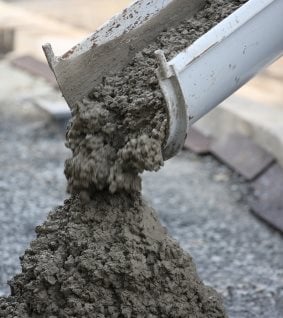
Image Source: static.concretenetwork.com
Factors Affecting Concrete Prices in Florida
Several elements contribute to the final price you’ll pay for concrete in Florida. Let’s break them down to help you make informed decisions.
Type of Concrete Mix
Not all concrete is created equal. The strength, durability, and specific properties required for your project will dictate the type of mix you need, and therefore, its cost.
- Standard Concrete Mix (e.g., 3000-4000 PSI): This is the most common type used for general-purpose applications like driveways, sidewalks, and patios. It offers a good balance of strength and cost-effectiveness.
- High-Strength Concrete: For projects requiring greater load-bearing capacity, such as foundations for commercial buildings or structures exposed to heavy traffic, higher PSI (pounds per square inch) concrete is necessary. This typically uses more cement and can be more expensive.
- Decorative Concrete: If you’re looking for stamped, colored, or exposed aggregate finishes, these specialized mixes will carry a higher price tag due to the added pigments, additives, or aggregate treatments.
- Lightweight Concrete: Used for specific applications where weight is a concern, this mix often includes lightweight aggregates and can be priced differently.
- Self-Consolidating Concrete (SCC): This advanced mix flows easily into place without vibration, making it ideal for complex forms. Its specialized admixtures and manufacturing process increase its cost.
Concrete Delivery Cost in Florida
The cost of transporting concrete from the batch plant to your job site is a significant component of the overall expense. This is influenced by:
- Distance: The further the batch plant is from your location, the higher the delivery fees will be due to fuel and driver time.
- Quantity: Many suppliers have a minimum order quantity, and delivery fees might be a flat rate or can be absorbed into the per-yard price for larger orders.
- Accessibility: Difficult-to-access job sites, such as those with narrow roads, steep inclines, or limited space for the truck, might incur additional charges.
- Time of Delivery: While less common, some suppliers might charge extra for deliveries outside of standard business hours.
Additives and Admixtures
To enhance specific properties of the concrete, various admixtures can be added at the batch plant. These can increase the concrete cost per cubic yard Florida families pay.
- Accelerators: Speed up the setting time of concrete, useful in cooler weather or when a quick turnaround is needed.
- Retarders: Slow down the setting time, beneficial in hot weather to prevent premature hardening.
- Water Reducers: Allow for a lower water-cement ratio, leading to stronger, more durable concrete without sacrificing workability.
- Air Entrainers: Create tiny air bubbles in the concrete, improving its resistance to freeze-thaw cycles and de-icing salts. While less critical in much of Florida, they can be beneficial in certain coastal areas.
- Fibers (e.g., synthetic or steel): Added to improve tensile strength, reduce cracking, and increase impact resistance.
- Coloring Agents: Pigments added to achieve specific aesthetic looks for decorative concrete projects.
Regional Price Variations Across Florida
Florida concrete prices are not uniform across the entire state. Major metropolitan areas like Miami, Orlando, Tampa, and Jacksonville often have slightly higher prices due to higher operational costs and demand. Conversely, rural areas might offer more competitive pricing. It’s always a good idea to get quotes from local suppliers in your specific region.
Project Scope and Complexity
The sheer volume of concrete needed for a project will affect the per-yard cost. Larger projects may benefit from volume discounts. The complexity of the pour also plays a role.
- Simple Pours: A flat driveway or a sidewalk are generally straightforward.
- Complex Pours: Pouring concrete for intricate foundations, walls with many corners, or areas requiring specific finishing techniques can increase labor and potentially material costs if specialized mixes are needed.
Residential Concrete Pricing in Florida
For homeowners, concrete is essential for a variety of projects, from patios and walkways to driveways and pool decks. Residential concrete pricing Florida is generally more accessible and often involves smaller quantities compared to commercial projects.
Common Residential Concrete Applications and Costs
- Driveways: A typical two-car driveway might require 8-10 cubic yards of concrete. The cost would include the concrete itself, delivery, and installation.
- Patios: A 12×15 foot patio might need around 2 cubic yards. Prices can vary significantly if decorative finishes are chosen.
- Sidewalks: Standard sidewalks are relatively cost-effective, usually requiring less concrete per linear foot.
- Pool Decks: These often involve decorative finishes like stamped or colored concrete, which will increase the poured concrete prices Florida homeowners can expect.
Factors Specific to Residential Projects
- DIY vs. Professional Installation: Doing it yourself can save on labor costs, but requires proper tools, knowledge, and the ability to handle heavy materials. Professional installation adds labor costs but ensures a quality finish and can be more efficient.
- Site Preparation: The cost of preparing the area – including excavation, grading, and forming – is usually separate from the concrete material cost but is a crucial part of the overall project expense.
- Finishing: Standard broom finishes are the most economical. Exposed aggregate, stamped, or polished finishes will add to the final price.
Commercial Concrete Pricing in Florida
Commercial projects in Florida often involve larger volumes of concrete and may require more specialized mixes and stringent specifications, influencing the overall concrete cost per cubic yard Florida businesses face.
Larger Volumes and Specialized Needs
- Foundations: Commercial building foundations require robust, high-strength concrete to support significant structural loads.
- Slabs: Large industrial floors, parking lots, and plazas use substantial amounts of concrete.
- Roadways and Infrastructure: Public works projects like bridges, overpasses, and roads utilize specialized concrete mixes designed for extreme durability and resistance to traffic and environmental conditions.
Commercial Project Considerations
- Project Scale: The sheer volume of concrete needed for commercial projects can sometimes lead to better per-yard pricing due to bulk purchasing power.
- Specifications and Testing: Commercial projects often have strict engineering specifications and require rigorous testing of the concrete mix to ensure it meets all performance requirements. This can add to the cost.
- Permitting and Inspections: Commercial construction involves more extensive permitting and inspection processes, which contribute to the overall project cost.
Concrete Contractor Rates in Florida
Beyond the material cost of the concrete itself, the concrete contractor rates Florida professionals charge are a major part of the expense. These rates cover labor, equipment, insurance, and overhead.
What’s Included in Contractor Rates?
- Labor: The skilled workforce involved in site preparation, forming, pouring, finishing, and curing the concrete.
- Equipment: Rental or ownership of concrete mixers, pumps, vibrators, finishing tools, and safety equipment.
- Site Preparation: This can include excavation, grading, formwork installation, and reinforcement placement.
- Finishing: Applying the desired surface finish, such as troweling, broom finishing, or decorative techniques.
- Curing: The process of ensuring the concrete hardens properly to achieve its designed strength and durability.
- Cleanup: Removing excess materials and leaving the site tidy.
- Insurance and Licensing: Reputable contractors carry liability insurance and hold the necessary licenses to operate legally.
Factors Influencing Contractor Rates
- Experience and Reputation: Highly experienced and reputable contractors may command higher rates.
- Project Complexity: More intricate jobs requiring specialized skills or equipment will likely have higher labor costs.
- Time of Year: Demand can fluctuate, potentially influencing rates during peak construction seasons.
- Location: Labor costs can vary geographically within Florida.
A good estimate for Florida concrete installation cost often includes both the material and labor. For a basic pour and finish, you might expect labor costs to be comparable to, or even exceed, the material cost per cubic yard.
Calculating Your Concrete Needs
Accurately calculating the amount of concrete you need is essential to avoid over-ordering (wasted material and money) or under-ordering (delays and extra delivery charges).
Measuring for Cubic Yards
The volume of concrete is measured in cubic yards. To calculate this, you need the length, width, and depth of the area you want to fill with concrete. Ensure all measurements are in feet.
- Formula: Volume (cubic feet) = Length (ft) × Width (ft) × Depth (ft)
- Conversion to Cubic Yards: Since there are 27 cubic feet in 1 cubic yard (3 ft × 3 ft × 3 ft), divide your cubic feet measurement by 27.
- Volume (cubic yards) = Volume (cubic feet) / 27
Example:
You want to pour a concrete patio that is 20 feet long, 15 feet wide, and 4 inches deep (0.33 feet).
- Convert depth to feet: 4 inches / 12 inches/foot = 0.33 feet
- Calculate volume in cubic feet: 20 ft × 15 ft × 0.33 ft = 99 cubic feet
- Convert to cubic yards: 99 cubic feet / 27 cubic feet/yard ≈ 3.67 cubic yards
Important Tip: Always add a buffer of 5-10% to your calculation. This accounts for uneven subgrades, spillage, and variations in the pour. For the example above, adding 10% would bring your required amount to approximately 4.04 cubic yards, meaning you’d likely order 4.25 or 4.5 cubic yards.
Typical Concrete Yard Cost in Florida: A Breakdown
Let’s put together a general range for the typical concrete yard cost in Florida, keeping in mind these are estimates.
| Component | Estimated Cost Per Cubic Yard (Low) | Estimated Cost Per Cubic Yard (High) | Notes |
|---|---|---|---|
| Concrete Material | $125 | $175 | Based on standard mixes; higher for specialized ones |
| Delivery | $15 | $40 | Varies greatly by distance and supplier |
| Additives/Admixtures | $5 | $20 | Depends on type and quantity |
| Subtotal (Material + Delivery + Additives) | $145 | $235 | This is the material cost range |
| Installation Labor | $50 | $150+ | Varies by complexity, contractor rates, finishing |
| Total Estimated Cost (Material + Installation) | $195 | $385+ | This is the total project cost range per yard |
Please Note: These figures are approximate. Getting multiple quotes from local concrete suppliers and contractors is the best way to determine exact pricing for your specific project in Florida. The construction material costs Florida faces can also fluctuate based on market conditions.
Frequently Asked Questions (FAQ)
What is the average cost of a concrete driveway in Florida?
The average cost for a concrete driveway in Florida can range from $4 to $10 per square foot. This includes the cost of materials, delivery, and installation. A typical 20 ft x 40 ft (800 sq ft) driveway could cost between $3,200 and $8,000.
How much does concrete delivery cost in Florida?
Concrete delivery cost Florida typically ranges from $15 to $40 per cubic yard, but this can be included in the overall price from the supplier. Some suppliers may have a minimum delivery fee or offer free delivery for very large orders.
Can I buy concrete by the bag in Florida?
Yes, you can buy concrete by the bag from home improvement stores. However, bags are for very small projects (like setting a fence post) and are significantly more expensive per cubic yard than ordering from a ready-mix supplier. A 60 lb bag typically yields about 0.45 cubic feet, meaning you’d need over 60 bags to make one cubic yard, costing much more than a professional delivery.
Who is the best concrete contractor in Florida?
There isn’t one single “best” contractor for everyone, as needs and locations vary. The best approach is to research local, reputable concrete contractors in your area, check reviews, ask for references, and obtain multiple bids. Look for licensed and insured professionals.
What is the cost per cubic yard for concrete in Miami, Florida?
While prices vary, you might find the concrete cost per cubic yard Florida residents in Miami pay to be on the higher end of the spectrum, possibly between $150 and $220 per cubic yard for the material alone, due to higher demand and operational costs in the metropolitan area.
How much does stamped concrete cost per square foot in Florida?
Stamped concrete typically costs between $8 and $15 per square foot in Florida. This price includes the concrete material, installation, and the stamping process, which is more labor-intensive and requires specialized skills.
What is the Florida concrete installation cost for a standard sidewalk?
For a standard sidewalk, the Florida concrete installation cost might range from $50 to $100 per linear foot, depending on the width and thickness of the slab, as well as the contractor’s rates. This usually includes basic finishing.
How do construction material costs in Florida affect concrete prices?
General increases in construction material costs Florida experiences, such as the price of cement, aggregate (sand and gravel), and fuel for transportation, will directly lead to higher concrete prices. Supply chain issues can also impact availability and cost.
By carefully considering these factors and doing your homework, you can accurately estimate the poured concrete prices Florida projects will entail and ensure your budget is well-prepared for the concrete elements of your next construction endeavor.