
The cost of one cubic yard of gravel can range from $20 to $70 or more, depending on the type of gravel, where you buy it, and whether delivery is included. This price can fluctuate based on factors like your location, the specific gravel material chosen, and the quantity purchased.
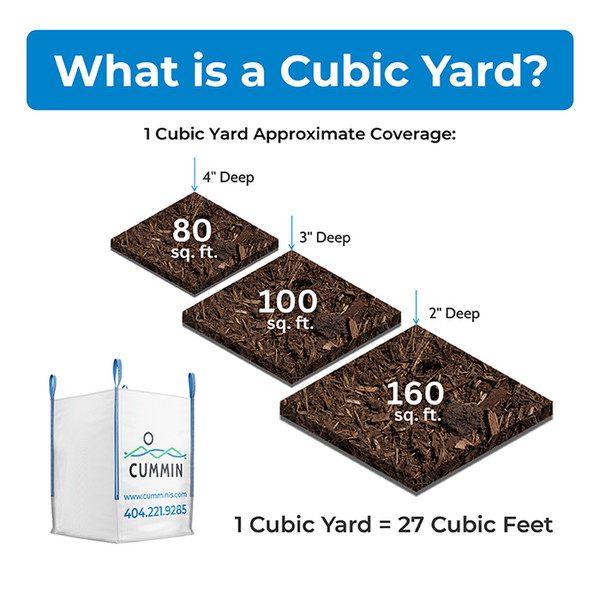
Image Source: www.cumminlandscapesupply.com
Deciphering the Cost of Gravel by the Yard
When planning a project that requires gravel, one of the most common questions is about the gravel price per cubic yard. This is the standard unit of measurement for bulk gravel, and knowing this helps you budget effectively for your landscaping, construction, or driveway needs. The cost of gravel by the yard is not a one-size-fits-all figure. It’s influenced by several key elements, from the raw material itself to the logistics of getting it to your doorstep.
Factors Influencing Gravel Pricing
Several factors contribute to the final price you’ll pay for a cubic yard of gravel. It’s crucial to consider these when comparing quotes and making your purchasing decisions.
Types of Gravel Prices
The type of gravel you choose is a primary driver of its cost. Different materials have different origins, processing requirements, and aesthetic qualities, all of which impact their price.
- Pea Gravel: This is small, rounded gravel, often used for decorative purposes, playgrounds, and drainage. It’s generally one of the more affordable options.
- Crushed Stone (e.g., #57 Stone, #3 Stone): These are angular crushed rocks, popular for driveways, pathways, and drainage bases due to their interlocking properties. Prices can vary based on the type of stone (limestone, granite, etc.) and the crushing process.
- River Rock: Larger, smooth, rounded stones often used for landscaping beds, water features, and decorative accents. Their natural formation and cleaning process can make them slightly more expensive.
- Decomposed Granite (DG): This is fine, powdery granite used for pathways and patios. It compacts well, creating a stable surface. The cost can depend on the color and the source.
- Recycled Concrete or Asphalt: Often a budget-friendly option, these materials are processed from demolition waste. They provide a functional base but may not be as aesthetically pleasing for all applications.
Here’s a general idea of how types of gravel prices might compare:
| Gravel Type | Approximate Price Per Cubic Yard (Material Only) | Common Uses |
|---|---|---|
| Pea Gravel | $25 – $50 | Landscaping, play areas, drainage |
| Crushed Stone (#57) | $20 – $45 | Driveways, paths, drainage base |
| River Rock (Small) | $40 – $70 | Landscaping, garden beds, water features |
| Decomposed Granite | $30 – $60 | Pathways, patios, garden borders |
| Recycled Asphalt/Concrete | $15 – $35 | Driveway bases, fill material |
Note: These prices are estimates and can vary significantly by region.
Quantity and Bulk Purchases
Buying in bulk usually leads to a lower gravel price per cubic yard. When you purchase gravel by the truckload (often referred to as “bulk gravel pricing”), you typically get a better rate than buying it in bags. Many suppliers offer tiered pricing, where the more you buy, the less you pay per unit.
Location and Accessibility
Your geographic location plays a significant role. Gravel is a heavy material, and transportation costs are a major factor. Areas closer to quarries or gravel pits will generally have lower prices than regions further away. The accessibility of your project site also matters. If a large delivery truck can easily reach your location, delivery costs might be lower.
Seasonal Demand
Like many goods and services, the demand for gravel can fluctuate with the seasons. Spring and summer are typically peak seasons for landscaping and construction projects, which can sometimes drive up prices due to increased demand.
Calculating Your Gravel Needs: The Cubic Yard Gravel Calculator
One of the most critical steps in budgeting for a gravel project is accurately determining how much gravel you need. This is where a cubic yard gravel calculator becomes invaluable. Overestimating can lead to wasted material and extra cost, while underestimating means a trip back to the supplier and potential delays.
How to Use a Cubic Yard Gravel Calculator
Most calculators work by asking for three dimensions of the area you need to cover: length, width, and depth.
- Measure Length and Width: Measure the length and width of your project area in feet.
- Determine Depth: Decide on the desired depth of the gravel. This is often expressed in inches. For driveways, 4-6 inches is common. For landscaping, 2-4 inches might suffice.
- Convert Depth to Feet: To use the calculator, you’ll need to convert your depth measurement from inches to feet. Divide the number of inches by 12. For example, 4 inches is 4/12 = 0.33 feet.
-
Input into Calculator: Enter your measurements into the calculator. The formula typically used is:
Volume (cubic feet) = Length (ft) × Width (ft) × Depth (ft)
Then, to convert cubic feet to cubic yards, you divide by 27 (since there are 27 cubic feet in one cubic yard):
Volume (cubic yards) = Volume (cubic feet) / 27
Many online suppliers and landscaping resources offer free cubic yard gravel calculators.
How Many Bags in a Cubic Yard of Gravel?
If you’re buying gravel in bags from a retail store, it’s helpful to know how many bags in a cubic yard of gravel you’ll need. Most bags of gravel are sold in 0.5 cubic foot or 0.75 cubic foot increments.
- For 0.5 cubic foot bags: You would need 54 bags (27 cubic feet / 0.5 cubic feet/bag = 54 bags) to equal one cubic yard.
- For 0.75 cubic foot bags: You would need 36 bags (27 cubic feet / 0.75 cubic feet/bag = 36 bags) to equal one cubic yard.
Keep in mind that bagged gravel is often more expensive per cubic yard than bulk gravel due to the packaging and smaller quantity handling.
Gravel Delivery Cost: Bringing the Bulk to You
One of the significant additional costs associated with buying gravel is delivery. The gravel delivery cost can vary widely based on distance and the quantity being delivered.
Factors Affecting Delivery Fees
- Distance: The further your project site is from the gravel supplier, the higher the delivery fee will likely be. Suppliers often have a base delivery charge and an additional fee for every mile beyond a certain radius.
- Delivery Truck Size and Type: The type of truck used for delivery can impact the cost. A smaller truck might be cheaper but may require multiple trips for larger quantities. Larger dump trucks can carry more material at once, potentially making the per-cubic-yard cost of delivery lower for substantial orders.
- Site Accessibility: If the delivery location is difficult to access (e.g., narrow driveways, steep slopes, obstacles), the delivery company may charge extra for the added difficulty or refuse delivery if it’s deemed unsafe.
- Unloading Requirements: Some companies charge extra if they need to use a specific type of unloading equipment or if the unloading process is complex.
It’s always best to get a delivery quote upfront when ordering your gravel to avoid surprises. Sometimes, purchasing enough gravel to fill a full truckload can make the delivery cost more economical per cubic yard.
Gravel for Landscaping Cost: Enhancing Your Outdoor Space
The gravel for landscaping cost is a popular consideration for homeowners looking to improve their yards. Gravel offers a versatile and attractive alternative to mulch or grass in various landscaping applications.
Popular Landscaping Gravel Uses and Costs
- Pathway Gravel: For garden paths or walking trails, smaller, smooth gravel like pea gravel or decomposed granite is often used. These are generally in the mid-price range.
- Decorative Gravel/Mulch: Larger decorative stones, river rocks, or colored gravel are used to create visual interest in garden beds, around trees, or in dry creek beds. These tend to be on the higher end of the price spectrum due to aesthetic appeal and processing.
- Base Layer for Patios or Paving Stones: Underneath pavers or flagstones, a crushed stone base is essential for stability. This is typically a less expensive, functional gravel.
The cost for landscaping gravel will, therefore, depend heavily on the specific type chosen for its aesthetic and functional qualities.
Driveway Gravel Price: Building a Functional Surface
The driveway gravel price is a significant factor for anyone considering a new gravel driveway or a refresh of an existing one. A well-installed gravel driveway is durable and can be cost-effective compared to asphalt or concrete.
Key Considerations for Driveway Gravel
- Base Material: The foundation of a good gravel driveway is crucial. This often involves a layer of larger, coarser crushed stone (like #3 or #4 stone) for stability and drainage. This material is usually less expensive.
- Surface Material: The top layer of a driveway is typically a finer crushed stone (like #57 stone) or a specific driveway mix that compacts well and provides a smoother riding surface. This layer might be slightly more costly.
- Thickness: A typical gravel driveway might require 4 to 8 inches of gravel, spread in layers. The thicker the layer, the more cubic yards you’ll need.
When budgeting for a driveway, remember to factor in the cost of both the base and surface layers, as well as the potential for ongoing maintenance like adding more gravel periodically.
Bulk Gravel Pricing: Maximizing Value
Opting for bulk gravel pricing is almost always the most economical way to purchase gravel. When you buy gravel by the cubic yard in large quantities, you bypass the costs associated with bagging, handling smaller quantities, and retail markups.
Benefits of Buying in Bulk
- Lower Per-Unit Cost: As mentioned, the more you buy, the less you typically pay per cubic yard.
- Efficiency: Delivery of bulk gravel by a dump truck is efficient for larger projects, reducing the number of trips required.
- Less Waste: Bulk purchases often mean less packaging waste compared to buying many small bags.
When inquiring about bulk pricing, be prepared to provide the estimated quantity you need and your delivery location.
Gravel Installation Cost: Beyond the Material Price
The gravel installation cost is an often-overlooked expense that can significantly add to the total project budget. While the gravel itself might be affordable, the labor and equipment required to move, spread, and compact it can be substantial.
Components of Installation Costs
- Labor: Hiring professionals to spread and compact the gravel is the most common way to ensure a quality installation. The hourly rate for landscaping or construction crews will depend on your region and the complexity of the job.
- Equipment Rental: If you plan to do the installation yourself, you might need to rent equipment like wheelbarrows, shovels, rakes, and potentially a plate compactor to ensure the gravel is properly settled and stable.
- Site Preparation: Before the gravel is delivered, the area may need preparation. This could involve clearing vegetation, grading the land, or excavating the existing surface. These preparatory steps can add to the overall cost.
- Geotextile Fabric: For driveways and pathways, installing a layer of geotextile fabric (landscape fabric) beneath the gravel is highly recommended. This fabric prevents weeds from growing through the gravel and stops the gravel from mixing with the subsoil, which helps maintain the integrity of the gravel layer over time. The cost of this fabric is an additional expense.
- Edging and Borders: If your project requires edging to contain the gravel (e.g., for pathways or garden beds), the cost of edging materials and their installation will be separate.
DIY vs. Professional Installation
- DIY Installation: Can save significantly on labor costs, but requires your time, physical effort, and potentially equipment rental. It’s best suited for smaller, simpler projects.
- Professional Installation: Offers convenience, expertise, and often a guarantee on the work. It’s ideal for larger projects or when you want a professionally finished look and long-lasting durability. Professional installation can often double or even triple the cost of the gravel material alone.
Frequently Asked Questions About Gravel Costs
Q1: How do I estimate the amount of gravel I need for my project?
A1: Use a gravel calculator! Measure the length, width, and desired depth of your project area. Convert all measurements to feet (divide inches by 12) and multiply them together. Then, divide the total cubic feet by 27 to get the cubic yards needed. Always add a small buffer (5-10%) for settling and unforeseen needs.
Q2: Is bagged gravel more expensive than bulk gravel?
A2: Yes, generally bagged gravel is significantly more expensive per cubic yard than bulk gravel. This is due to the costs of packaging, smaller-scale handling, and retail markups. Bulk gravel is the more economical choice for larger projects.
Q3: What is the cheapest type of gravel?
A3: Recycled materials like crushed concrete or asphalt tend to be the cheapest options. For natural gravel, basic crushed stone or aggregate mixes are usually more affordable than decorative river rocks or specialty stones.
Q4: What is the best gravel for a driveway?
A4: A common and effective driveway gravel consists of a base layer of larger, angular crushed stone (like #3 or #4) for stability and drainage, topped with a layer of finer crushed stone (like #57) that compacts well for a smoother surface.
Q5: Does the cost of gravel include installation?
A5: Typically, no. The price you get for gravel is usually for the material only. Gravel installation cost is a separate charge, whether you hire professionals or rent equipment and do it yourself. Always clarify this when getting quotes.
Q6: How much does gravel delivery cost per cubic yard?
A6: Delivery costs vary greatly by distance and supplier, but can range from $50 to $150 or more for a single delivery. This cost is often spread across the cubic yards delivered, making larger orders more cost-effective per cubic yard for delivery.
Q7: What is a good depth for gravel in a garden bed?
A7: For most garden beds and landscaping, a depth of 2 to 4 inches of gravel is usually sufficient to suppress weeds and provide a decorative finish. Always check specific recommendations for the type of gravel and plant you are using.
By carefully considering these factors – the type of gravel, the quantity needed, delivery charges, and installation costs – you can accurately budget and plan for your gravel project, ensuring a successful and cost-effective outcome.