
The cost of a yard of wood chips can range from $20 to $60, depending on the type of wood, quality, and whether delivery is included. This guide will help you understand the factors influencing the wood chip cost, how to estimate your needs, and where to find the best deals. Whether you’re planning a garden, a playground, or simply want to improve your landscape’s appearance, knowing the price per cubic yard wood chips is crucial for budgeting.
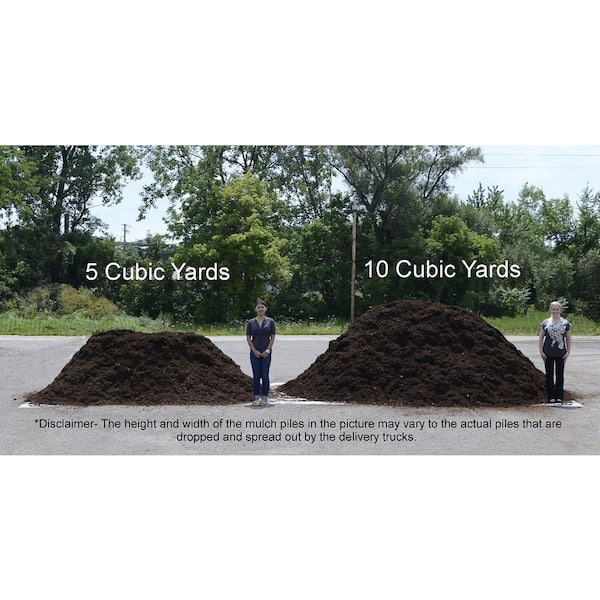
Image Source: images.thdstatic.com
Deciphering Wood Chip Pricing
Several elements contribute to the final wood chip cost. These include the type of wood used, the processing method, the quantity purchased, and the location. Understanding these variables will help you make an informed decision and find the most cost-effective solution for your project.
Types of Wood Chips and Their Impact on Cost
Different wood species have varying availability and processing requirements, which directly affects their price.
- Hardwood Chips: Generally more expensive due to slower growth rates and denser wood. Examples include oak, maple, and walnut. They are known for their durability and aesthetic appeal.
- Softwood Chips: Typically less expensive. Examples include pine, fir, and cedar. They decompose faster and are often used for bulk applications where long-term aesthetics are less critical.
- Arborist Chips: These are often a mix of various tree species, usually a byproduct of tree trimming services. They can be a very cost-effective option, but their composition can vary.
Quality and Processing
The way wood chips are processed also influences their price.
- Screened Chips: Chips that have been screened to remove fines (small particles) and oversized pieces. These are often preferred for aesthetic landscaping and playgrounds, as they offer a more uniform appearance and better drainage. Screened chips will generally cost more.
- Unscreened Chips: These are sold as they are produced and may contain a mix of sizes and some fines. They are usually cheaper and suitable for functional uses like pathways or erosion control.
Quantity and Bulk Purchases
Bulk wood chip pricing often comes with discounts for larger orders. Buying in bulk can significantly reduce the per-yard cost, making it an attractive option for larger landscaping projects. Many suppliers offer tiered pricing, where the price per cubic yard decreases as the quantity increases.
Geographic Location and Wood Chip Supplier Prices
The cost of wood chips can vary significantly based on your geographic location. Local availability of raw materials and the number of wood chip supplier prices in your area will play a role. In regions with abundant tree services or forestry operations, you might find lower prices. Conversely, areas with limited local supply might experience higher costs due to transportation expenses.
How Many Cubic Yards of Mulch Needed: Estimating Your Requirements
Accurately estimating the amount of wood chips you need is essential to avoid overspending or running out mid-project. A common mistake is underestimating the volume required, especially when dealing with compressed mulch.
Using a Wood Chip Calculator
A wood chip calculator is an invaluable tool for this process. These calculators typically ask for the dimensions of the area you want to cover (length, width, and desired depth).
How to Use a Wood Chip Calculator:
- Measure the Area: Measure the length and width of your garden bed, pathway, or play area in feet.
- Determine Desired Depth: Decide on the depth you want the wood chips to be. For landscaping, 2-4 inches is common. For playgrounds, safety regulations might dictate a specific depth (often 6-12 inches).
- Input Dimensions: Enter these measurements into the calculator.
- Calculate Volume: The calculator will output the required volume in cubic feet or cubic yards.
Formula for Calculating Volume:
Volume (cubic feet) = Length (ft) × Width (ft) × Depth (ft)
To convert cubic feet to cubic yards, divide by 27 (since there are 27 cubic feet in one cubic yard).
Example:
You have a garden bed that is 10 feet long and 5 feet wide, and you want a depth of 3 inches (0.25 feet).
Volume = 10 ft × 5 ft × 0.25 ft = 12.5 cubic feet
Volume in cubic yards = 12.5 cubic feet / 27 cubic feet/cubic yard ≈ 0.46 cubic yards
It’s often wise to order a little extra to account for settling and uneven distribution.
Common Depths for Different Applications
- Flower beds and garden borders: 2-3 inches
- Tree bases: 3-4 inches, keeping the mulch a few inches away from the trunk
- Playgrounds: 6-12 inches (check safety standards for specific equipment)
- Pathways: 3-4 inches, potentially more if it’s a high-traffic area
The Cost of Wood Chips for Garden and Landscape Projects
The cost of wood chips for garden and landscape projects can vary widely. Understanding the average landscape wood chips price will help you set a realistic budget.
Average Price Ranges
| Type of Wood Chips | Price Per Cubic Yard (Undelivered) | Price Per Cubic Yard (Delivered) |
|---|---|---|
| Softwood (Pine, Fir) | $15 – $30 | $30 – $50 |
| Hardwood (Oak, Maple) | $25 – $40 | $40 – $60 |
| Mixed/Arborist Chips | $10 – $25 | $25 – $45 |
| Premium/Screened Chips | $30 – $50 | $50 – $70+ |
Note: These are approximate ranges and can vary significantly based on the factors mentioned earlier.
Factors Affecting Your Specific Mulch Yard Cost
When you get a quote from a mulch yard cost, consider these points:
- Delivery Fees: This is often a significant portion of the total cost. Many suppliers charge a flat fee or a fee based on distance.
- Minimum Order Quantities: Some suppliers have minimum order requirements for delivery.
- Bagged vs. Bulk: Buying in bags from a garden center is usually more expensive per cubic yard than buying in bulk from a landscape supplier. A typical bag contains about 2 cubic feet, so you’d need 13.5 bags for one cubic yard. If bags cost $5 each, that’s $67.50 per cubic yard, not including potential delivery costs.
Understanding Wood Chip Delivery Cost
Delivery is a critical factor in the overall wood chip delivery cost. If you’re buying a small quantity or live far from a supplier, delivery fees can dramatically increase the price per cubic yard.
When Delivery Makes Sense
- Large Quantities: If you need more than 5-10 cubic yards, delivery is almost always more cost-effective than trying to transport it yourself.
- Limited Transportation: If you don’t have a truck capable of hauling bulky materials, delivery is essential.
- Convenience: Having bulk materials delivered directly to your property saves time and labor.
Factors Influencing Delivery Fees
- Distance from Supplier: The further you are from the supplier’s yard, the higher the delivery fee.
- Delivery Volume: Some suppliers might offer better rates for larger deliveries.
- Time of Delivery: Rush deliveries or specific time slot requests might incur extra charges.
- Site Accessibility: If your property is difficult to access (narrow driveways, steep slopes), there might be additional charges.
Finding Affordable Wood Chip Suppliers
The key to getting the best wood chip cost is to research and compare prices from multiple wood chip supplier prices.
Where to Look for Wood Chips
- Local Landscape Supply Yards: These are often the best source for bulk wood chips. They cater to both homeowners and landscaping professionals.
- Arborists and Tree Removal Services: Many tree companies chip their debris and sell the wood chips. This can be a very economical source, and sometimes they even offer free chips if you can pick them up yourself.
- Municipalities and Public Works Departments: Some cities offer free wood chips to residents as a way to recycle yard waste. Check your local government’s website or call their public works department.
- Online Marketplaces: Websites like Craigslist or local Facebook groups can sometimes have individuals selling or giving away wood chips. Be cautious and inspect the quality before committing.
Tips for Getting the Best Price
- Buy in Bulk: Whenever possible, aim for bulk purchases to take advantage of lower per-unit pricing.
- Compare Quotes: Contact several suppliers and compare their prices, including delivery fees.
- Consider Off-Season Purchases: Sometimes you can get better deals during slower periods, though availability might be limited.
- Ask About “Unscreened” or “Utility Grade”: If aesthetics aren’t paramount, these options are usually cheaper.
Calculating the Total Cost: A Step-by-Step Approach
Let’s walk through a scenario to illustrate the total cost calculation.
Scenario:
A homeowner wants to mulch a backyard garden that is 20 feet by 30 feet with a desired depth of 3 inches.
-
Calculate the Area:
Area = 20 ft × 30 ft = 600 sq ft -
Determine Desired Depth:
Depth = 3 inches = 0.25 ft -
Calculate Volume Needed:
Volume (cubic feet) = 600 sq ft × 0.25 ft = 150 cubic feet -
Convert to Cubic Yards:
Volume (cubic yards) = 150 cubic feet / 27 cubic feet/yard ≈ 5.56 cubic yards
It’s best to round up to 6 cubic yards to ensure enough material. -
Get Quotes from Suppliers:
-
Supplier A (Bulk Hardwood): $45 per cubic yard + $50 delivery fee.
- Material Cost = 6 yards × $45/yard = $270
- Total Cost = $270 + $50 = $320
-
Supplier B (Bulk Softwood Mix): $35 per cubic yard + $40 delivery fee.
- Material Cost = 6 yards × $35/yard = $210
- Total Cost = $210 + $40 = $250
-
Arborist (Mixed Chips): $30 per cubic yard + $35 delivery fee.
- Material Cost = 6 yards × $30/yard = $180
- Total Cost = $180 + $35 = $215
-
-
Decision: In this scenario, the arborist offers the most cost-effective option at $215 for 6 cubic yards of wood chips delivered.
Alternatives to Wood Chips
While wood chips are a popular and effective choice, other mulching materials are available, each with its own cost implications.
Organic Mulches
- Bark Mulch: Similar to wood chips but often finer and more uniform in appearance. Prices can be comparable or slightly higher than wood chips, especially for premium types.
- Shredded Bark: Often more expensive due to the processing involved but offers a very refined look.
- Compost: Excellent for soil improvement but can be more expensive than wood chips for large areas.
- Straw or Hay: Inexpensive and readily available, but can blow away easily and may contain weed seeds.
Inorganic Mulches
- Gravel or Pebbles: Higher initial cost but long-lasting and require no replacement. Can heat up the soil and aren’t beneficial for soil health.
- Rubber Mulch: Made from recycled tires. Durable and long-lasting, but concerns exist about potential chemical leaching and flammability. Prices are often higher than wood chips.
Frequently Asked Questions (FAQ)
Q: What is the average cost of wood chips per cubic yard?
A: The average cost for wood chips typically ranges from $20 to $60 per cubic yard, with the price varying based on wood type, quality, and whether delivery is included.
Q: Can I get free wood chips?
A: Yes, sometimes you can get free wood chips from local municipalities, public works departments, or by contacting arborists and tree removal services directly. Often, you’ll need to arrange for pickup or pay a delivery fee.
Q: How much mulch do I need for my garden?
A: To calculate how many cubic yards of mulch you need, measure your garden area’s length and width and decide on your desired depth (usually 2-3 inches for gardens). Use a wood chip calculator or the formula: Volume (cubic yards) = [Length (ft) × Width (ft) × Depth (ft)] / 27.
Q: What is the difference between bulk wood chips and bagged mulch?
A: Bulk wood chips are sold by the cubic yard and are typically purchased from landscape supply yards or arborists. Bagged mulch is pre-packaged, often in 2-cubic-foot bags, and usually found at garden centers. Bulk is almost always more cost-effective for larger projects.
Q: Does wood chip delivery cost vary?
A: Yes, wood chip delivery cost is influenced by factors like the distance from the supplier, the quantity being delivered, and site accessibility. Always ask for a total price including delivery before ordering.
Q: What is considered a good price for wood chips?
A: A good price for wood chips is typically at the lower end of the average range, especially if you can find mixed or softwood chips and secure affordable delivery. Getting quotes from multiple suppliers is the best way to determine what’s considered good in your area.
By carefully considering these factors and doing your research, you can effectively manage the cost of wood chips for your next project and achieve the desired results for your landscape.