
The cost of a cubic yard of sand can range significantly, typically from $20 to $70 or more, depending on the type of sand, its intended use, quality, and whether delivery is included. Factors like location, supplier, and purchase volume also play a crucial role in the final sand price per yard.
When you’re planning a project, whether it’s a new patio, a sandbox for the kids, or a foundation for a small shed, you’ll quickly encounter the need for sand. But how much does sand cost, and specifically, how much is a cubic yard of sand? This guide aims to shed light on the pricing of sand, breaking down the costs and factors that influence the final bill. We’ll delve into different types of sand, understand the cost of sand delivery, explore bulk sand prices, and even touch upon the cubic yard of gravel cost for comparison.
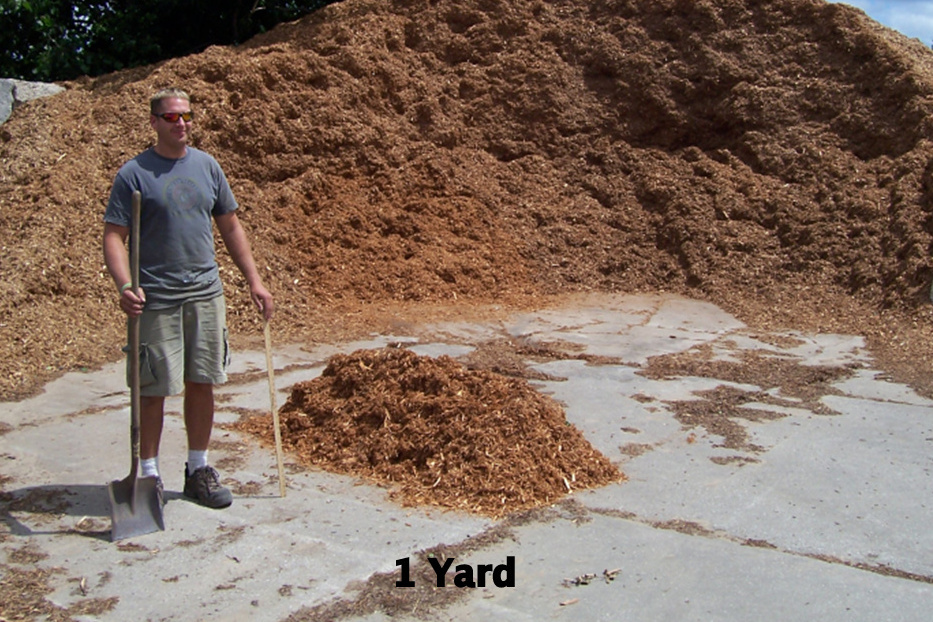
Image Source: klsupplies.com
Deciphering Sand Pricing: What Influences the Cost?
The price of sand isn’t a one-size-fits-all figure. Several elements contribute to the overall cost you’ll pay for this essential material. Understanding these components can help you budget more effectively and make informed purchasing decisions.
Type of Sand Matters
Different projects require different types of sand, and each comes with its own price tag. The processing, sourcing, and intended application all impact the cost.
- Play Sand: This is a highly processed, fine-grained sand, often washed and screened to remove impurities and sharp edges. Its softness makes it ideal and safe for children’s sandboxes. Because of the extra processing, play sand price is generally higher than other types.
- Landscaping Sand: Used for various landscaping applications like creating pathways, leveling garden beds, or as a base for pavers. Landscaping sand cost can vary based on its grain size and composition. Some landscaping sand might be mixed with soil or other materials.
- Concrete Sand: This is a coarser sand with a wider range of grain sizes. It’s a crucial component in concrete mixes, providing strength and structure. Concrete sand price is often competitive due to its widespread use in construction.
- Builder’s Sand/Mason Sand: Similar to concrete sand but typically finer. It’s used in mortar mixes for bricklaying and masonry work.
- Decorative Sand: This category includes colored sand or sand with specific textures and appearances for ornamental purposes. It’s often the most expensive due to its specialized nature.
- Fill Sand: A coarser, less processed sand often used for bulk filling of trenches or areas requiring elevation. It’s generally the most affordable option.
Quality and Purity
The cleanliness and consistency of the sand are significant price drivers. Washed and screened sand, free from debris, organic matter, and impurities, will command a higher price. For applications where purity is critical, like in some construction or special landscaping projects, you’ll pay a premium.
Sourcing and Location
Where the sand comes from and where you are located will affect the price. Sand quarries closer to your location will generally have lower transportation costs factored into their prices. Regional supply and demand can also influence the sand price per yard.
Bulk vs. Bagged Sand
Buying sand in bulk, typically by the cubic yard or ton, is almost always more cost-effective than purchasing it in bags.
- Bagged Sand: Convenient for small projects, but you pay a premium for the packaging and smaller quantities.
- Bulk Sand: Ideal for larger projects, offering a lower sand price per yard. This is where you’ll see the best value.
The Cost of Sand Delivery
Unless you have a truck and trailer capable of hauling several cubic yards of sand, you’ll likely need to factor in the cost of sand delivery. This can be a significant portion of your total expense.
- Delivery Fees: Suppliers typically charge a flat fee or a per-mile rate for delivery. This fee often covers the fuel, labor, and wear-and-tear on the delivery truck.
- Minimum Order Requirements: Some suppliers may have a minimum order quantity for delivery.
- Delivery Location Accessibility: Difficult-to-access locations might incur additional delivery charges.
Gauging Your Sand Needs: How to Calculate Sand Needed
Before you even look at prices, you need to determine how much sand your project requires. An accurate calculation prevents overspending or running short halfway through. The key is to convert your project’s dimensions into cubic yards.
The Cubic Yard: What It Is
A cubic yard is a unit of volume. It represents a cube with sides measuring one yard (or three feet) on each end.
1 cubic yard = 3 feet x 3 feet x 3 feet = 27 cubic feet
Calculating Sand Volume for Your Project
The basic formula for volume is Length x Width x Height. You’ll need to measure your project area in feet.
Formula:
Volume (in cubic feet) = Length (ft) x Width (ft) x Depth (ft)
To convert cubic feet to cubic yards, divide by 27:
Volume (in cubic yards) = [Length (ft) x Width (ft) x Depth (ft)] / 27
Example Calculation:
Let’s say you need to cover a rectangular area for a sandbox that is 6 feet long and 4 feet wide, and you want the sand to be 1 foot deep.
-
Calculate Volume in Cubic Feet:
6 ft (Length) x 4 ft (Width) x 1 ft (Depth) = 24 cubic feet -
Convert to Cubic Yards:
24 cubic feet / 27 = 0.89 cubic yards
You would then round up to ensure you have enough, so you would likely order 1 cubic yard of sand.
Considering Compaction
It’s important to note that sand can compact when it’s laid down, especially when wet or heavily trafficked. While it’s difficult to predict exact compaction rates, it’s often wise to add a small buffer (around 10-15%) to your calculated amount to account for this. For critical applications like concrete, specific mix designs will dictate the exact sand quantity needed.
Price Breakdown: Cubic Yard Sand Cost by Type
Let’s look at estimated price ranges for different types of sand per cubic yard. Remember, these are general estimates, and actual prices can vary widely.
Play Sand Price Per Cubic Yard
- Estimated Range: $30 – $70 per cubic yard
- Reasoning: The extensive washing, screening, and quality control involved in making play sand safe and soft for children drives up its cost. You’re paying for purity and safety.
Landscaping Sand Cost Per Cubic Yard
- Estimated Range: $25 – $50 per cubic yard
- Reasoning: This is a broad category. Simple, coarse landscaping sand will be on the lower end, while finer, specially graded sands for specific aesthetic purposes might be more.
Concrete Sand Price Per Cubic Yard
- Estimated Range: $20 – $45 per cubic yard
- Reasoning: This is a widely used construction material, so availability and production scale keep prices relatively competitive. The focus is on aggregate size and cleanliness for concrete mixes.
Topsoil vs. Sand Cost
It’s worth noting the difference in cost between topsoil and sand.
- Topsoil: Generally priced between $20 – $50 per cubic yard. Topsoil is richer in organic matter and nutrients.
- Sand: As discussed, costs vary by type.
- Key Difference: While prices can overlap, sand is primarily an aggregate, while topsoil is a growing medium. For projects requiring drainage or a base material, sand is the choice. For planting, topsoil is essential. The topsoil vs. sand cost comparison highlights that you’re paying for different properties and functions.
Factors Influencing Bagged Sand vs. Bulk Sand Price
The decision between buying bagged sand or bulk sand often comes down to project size and convenience.
Bagged Sand: The Convenience Premium
- Bag Size: Typically sold in 40-50 lb bags.
- Cost Per Cubic Yard (Estimated): $70 – $150+ per cubic yard. This is calculated by figuring out how many bags make up a cubic yard (which can be tricky as bag volumes vary) and multiplying by the price per bag.
- Pros: Easy to transport in a standard car, convenient for very small projects, readily available at home improvement stores.
- Cons: Significantly more expensive per unit volume, generates more waste (plastic bags), less environmentally friendly for larger projects.
Bulk Sand: The Value Proposition
- Purchase Unit: Typically sold by the cubic yard or ton.
- Cost Per Cubic Yard (Estimated): $20 – $70 (depending on sand type and delivery).
- Pros: Much more cost-effective for larger projects, less packaging waste, often includes delivery.
- Cons: Requires a suitable vehicle (truck with a trailer) for self-pickup or requires delivery fees, need to order larger quantities.
When to Choose Which:
- Bagged Sand: For filling a small bird bath, a single planter box, or a small section of a garden path.
- Bulk Sand: For large landscaping projects, patios, driveways, concrete work, or filling a large sandbox. If your project requires more than 5-10 bags, bulk sand is almost always the economical choice.
Comparing Sand and Gravel Costs
It’s common to consider sand and gravel for similar projects, like patios or pathways. Knowing the cubic yard of gravel cost can help with comparisons.
Gravel Pricing Factors
Similar to sand, gravel prices depend on:
- Type of Gravel: Crushed stone (e.g., granite, limestone), pea gravel, decorative gravel.
- Size and Screening: Finer gravels or specific sizes can cost more.
- Source and Location: Proximity to quarries.
- Bulk vs. Bagged: Bulk is cheaper per cubic yard.
- Delivery Costs: Always a factor for bulk purchases.
Estimated Cubic Yard of Gravel Cost
- General Gravel (Crushed Stone/Fill Gravel): $30 – $60 per cubic yard
- Decorative Gravel/Specialty Stone: $50 – $100+ per cubic yard
Sand vs. Gravel: When to Use Which
- Sand: Provides a smooth, stable base for pavers, ideal for drainage in garden beds, used in concrete mixes, and for play areas. It’s finer and compacts well.
- Gravel: Offers better drainage than sand, provides a more textured surface, and is often used as a decorative element or for paths where a looser surface is acceptable. Crushed gravel can interlock, providing good stability.
The sand price per yard versus the cubic yard of gravel cost often shows gravel being slightly more expensive for basic fill types, but decorative gravel can easily surpass the cost of most sands.
Where to Buy Sand and Get Quotes
Finding the best price for sand involves shopping around and understanding where to look.
Local Landscape Supply Yards
- Pros: Often the best source for bulk sand, competitive pricing, knowledgeable staff, can often arrange delivery. They specialize in bulk materials.
- Cons: May require you to have a truck or trailer for pickup, may have minimum order requirements for delivery.
Home Improvement Stores (e.g., Home Depot, Lowe’s)
- Pros: Convenient for small projects, carry bagged sand, readily accessible.
- Cons: Significantly more expensive for bulk purchases (if available), limited selection of sand types, prices per unit volume are much higher.
Garden Centers
- Pros: May carry specialized landscaping or play sand, can be good for smaller, more decorative needs.
- Cons: Prices can be higher than dedicated supply yards, selection for bulk materials might be limited.
Online Retailers
- Pros: Can offer competitive pricing and convenient delivery options.
- Cons: You can’t see or feel the sand before purchasing, delivery costs can add up, make sure you’re ordering from a reputable supplier.
Getting Quotes
When contacting suppliers, be prepared to provide:
- Type of Sand: (e.g., concrete sand, play sand, fill sand)
- Quantity Needed: (in cubic yards)
- Delivery Address: (to get an accurate delivery quote)
- Desired Delivery Date:
Always ask for a total price, including the sand and delivery, to avoid surprises.
Frequently Asked Questions (FAQ)
Q1: What is the average cost of a cubic yard of sand?
A1: The average cost of a cubic yard of sand typically ranges from $20 to $70, but this can vary significantly based on the type of sand, its quality, your location, and delivery charges.
Q2: How much does sand cost per pound?
A2: Sand density varies, but a common estimate is around 2,700-3,000 pounds per cubic yard. If a cubic yard costs $40, the cost per pound would be roughly $40 / 2700 lbs = $0.015 per pound.
Q3: Can I get sand delivered for a small project?
A3: Yes, most suppliers offer delivery, but they often have minimum order quantities or higher per-yard costs for small deliveries to make it economically viable. Bagged sand is a better option for very small projects where delivery isn’t feasible.
Q4: How do I calculate how much sand I need for my patio?
A4: Measure the length, width, and desired depth of your patio area in feet. Multiply these numbers together to get the volume in cubic feet. Then, divide by 27 to convert cubic feet to cubic yards. For example, a 10 ft x 10 ft patio with a 4-inch (0.33 ft) sand base would need (10 x 10 x 0.33) / 27 = 1.22 cubic yards. It’s wise to round up to the nearest half or full yard.
Q5: Is play sand more expensive than concrete sand?
A5: Yes, play sand is generally more expensive than concrete sand. This is due to the additional processing, washing, and screening required to make it soft, clean, and free of sharp particles for safety and comfort in children’s play areas.
Q6: What’s the difference between sand and gravel in terms of cost?
A6: Generally, basic fill gravel can be priced similarly to or slightly higher than basic fill sand per cubic yard. However, decorative gravels or specialty stones can be significantly more expensive than most types of sand. The price comparison depends heavily on the specific type and quality of both materials.
Q7: Should I buy bagged sand or bulk sand?
A7: For larger projects (requiring more than about 5-10 bags), bulk sand is almost always more cost-effective per cubic yard. Bagged sand is convenient for very small projects and easier to transport yourself, but you pay a premium for the packaging and smaller quantities.
Q8: How is sand typically priced?
A8: Sand is most commonly priced by the cubic yard or by the ton. Some suppliers may also offer it by the bag for smaller quantities. The sand price per yard is the most common metric for bulk purchases.
By arming yourself with this information on sand prices, types, and calculation methods, you’re well-equipped to budget for your next project and secure the right materials at the best possible value.