
So, you’re wondering, “How much does a 30 yard dumpster weight empty?” The empty 30 yard dumpster weight, also known as the 30 cubic yard dumpster tare weight, typically ranges from 3,000 to 6,000 pounds. This weight can vary depending on the dumpster’s material, design, and thickness. When you consider renting a dumpster for a project, knowing the weight of an empty roll off dumpster is crucial for planning your project, especially when it comes to transportation and disposal site regulations. This guide will dive deep into the factors affecting the weight of an empty 30 yard dumpster, helping you make informed decisions.
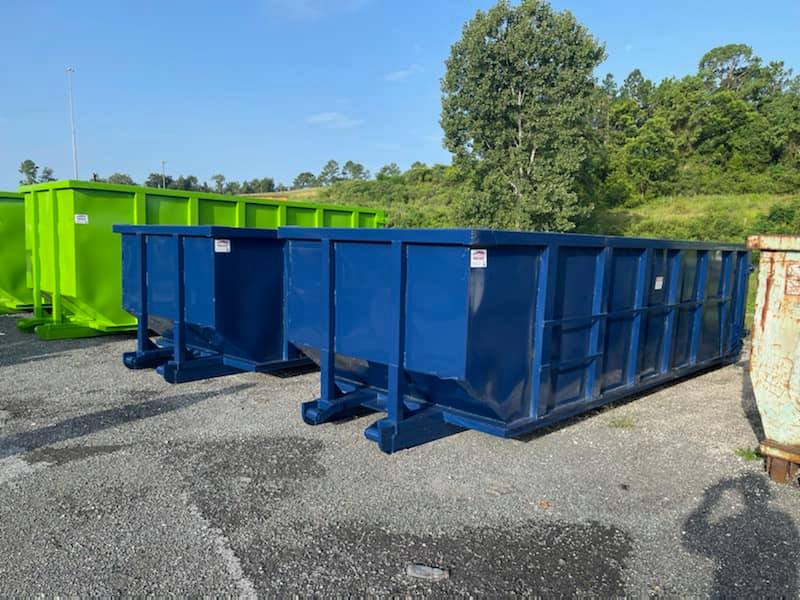
Image Source: americanmadedumpsters.com
Deciphering the Tare Weight: What Influences an Empty 30 Yard Dumpster’s Weight?
The tare weight 30 yard dumpster isn’t a fixed number. It’s a variable that depends on several key aspects of the dumpster’s construction and design. Think of it like a car; some are built lighter with more basic features, while others are heavier due to reinforced frames and extra plating.
Material Composition: The Backbone of Weight
The primary determinant of an empty dumpster’s weight is the material used in its construction.
Steel Gauges and Thickness
Most roll-off dumpsters, especially those in the 30-yard size, are made from steel. The thickness of this steel, measured in gauge, plays a significant role.
- Heavier Gauge Steel: A dumpster built with thicker steel (lower gauge number) will inherently be heavier. This increased durability is often preferred for heavy-duty demolition or construction projects where sharp debris is common.
- Lighter Gauge Steel: Conversely, dumpsters made with thinner steel (higher gauge number) will be lighter. These might be suitable for less demanding waste removal tasks.
Structural Reinforcements
Beyond the main body, dumpsters often have reinforced areas to withstand the rigors of loading and transport.
- Floor Support: Extra steel beams or bracing on the floor can add considerable weight.
- Side Walls: Some designs incorporate additional reinforcement along the sides.
- Lid Mechanisms (if applicable): While many 30-yard dumpsters are open-top, some may have lids, which, if made of steel, add to the overall empty weight.
Design Variations: Form Follows Function (and Weight)
The way a dumpster is designed also impacts its empty dumpster weight capacity and its own empty weight.
Open-Top vs. Covered Designs
As mentioned, the presence or absence of a lid is a factor. An open-top design will generally be lighter than a comparable covered unit.
Door Styles and Hinges
Some dumpsters feature swinging doors at the back for easier loading of heavier items. The metal used for the door, hinges, and locking mechanisms contributes to the 30 cubic yard dumpster tare weight.
Welds and Seams
The quality and quantity of welding used to assemble the dumpster can also subtly influence its weight. More robust welding might mean more material.
Manufacturers and Branding
Different manufacturers have their own specifications and manufacturing processes. This means that a 30-yard dumpster from one company might weigh slightly more or less than a 30-yard dumpster from another, even if they appear similar. When you ask how much does a 30 yard container weigh, always consider the specific provider.
Estimating the Empty 30 Yard Dumpster Weight: A Closer Look
To give you a clearer picture, let’s break down the typical weight range. Remember, these are estimates, and the actual 30 yard dumpster empty weight can fall outside these ranges.
Typical Weight Ranges
- Standard Duty: A lighter-duty 30-yard dumpster, perhaps made with thinner gauge steel and fewer reinforcements, might weigh around 3,000 to 4,000 pounds.
- Heavy Duty: A robust, heavy-duty 30-yard dumpster built with thicker steel and enhanced structural integrity could easily weigh between 4,500 and 6,000 pounds, or even a bit more.
Visualizing the Weight
To put this into perspective:
- Small Car: A typical compact car weighs around 2,500 to 3,000 pounds. So, an empty 30-yard dumpster can be as heavy as or heavier than a small car!
- Motorcycle: A large motorcycle can weigh between 400 to 900 pounds. An empty dumpster is many times heavier.
Why Does the Empty Weight Matter?
Knowing the weight of empty dumpster 30 cubic yards is not just a trivia point; it has practical implications for your project.
Transportation and Logistics
- Vehicle Capacity: The truck used to deliver and pick up the dumpster needs to be able to handle its weight, especially when loaded. While the rental company typically handles this, knowing the empty weight can help you understand their equipment needs.
- Permitting: In some areas, special permits might be required for transporting overweight loads. While unlikely for a standard delivery by a professional company, it’s good to be aware of.
Disposal Site Regulations
- Weight Limits: Many landfills and transfer stations have weight limits for vehicles and containers entering their facilities. Understanding the empty 30 cubic yard roll off container weight helps estimate the total weight once the dumpster is filled.
- Pricing: Some disposal sites charge based on the weight of the waste. Knowing the dumpster’s empty weight allows for a more accurate estimation of your disposal costs.
Site Preparation and Placement
- Surface Load Bearing: If you’re placing the dumpster on a surface that isn’t concrete, like asphalt or even a dirt lot, the combined weight of the empty dumpster and its contents can cause damage. Knowing the empty weight is the first step in assessing this risk.
Calculating the Total Weight: Empty Dumpster + Your Waste
The real concern for many projects is the total weight of the dumpster once it’s filled with debris. This is where the empty dumpster weight capacity becomes critical, not for the dumpster itself, but for the waste it can hold before reaching a legal or practical limit.
How Much Waste Can a 30 Yard Dumpster Hold?
A 30-yard dumpster has a volume of 30 cubic yards. However, its weight capacity is limited by the vehicle that transports it and the disposal facility’s regulations.
- Typical Weight Capacity: Most 30-yard dumpsters have a weight limit for the contents that can range from 10,000 to 20,000 pounds (5 to 10 tons). This is in addition to the dumpster’s own empty weight.
Example Scenario: Construction Debris
Let’s say you have a 30-yard dumpster with an estimated empty weight of 4,500 pounds.
- Scenario 1: Light Debris (e.g., drywall, insulation): If the waste is relatively light, you might fill the dumpster volumetrically (to the brim) and still be well under the weight limit. For instance, if your debris weighs 150 pounds per cubic yard, 30 cubic yards would be 4,500 pounds of waste. Total weight: 4,500 (empty) + 4,500 (waste) = 9,000 pounds.
- Scenario 2: Heavy Debris (e.g., concrete, dirt): Concrete and dirt are much denser. If your debris weighs 1,000 pounds per cubic yard, 30 cubic yards would be 30,000 pounds of waste. This would far exceed the dumpster’s typical weight capacity and likely the truck’s capacity. In such cases, you would need to fill the dumpster only partially by volume to stay within the weight limit. For example, filling it halfway (15 cubic yards) might yield 15,000 pounds of concrete. Total weight: 4,500 (empty) + 15,000 (waste) = 19,500 pounds.
This illustrates why understanding the 30 yard dumpster tare weight is essential for accurately estimating your project’s total waste weight.
Common Dumpster Sizes and Their Approximate Empty Weights
To provide context, here’s a look at other common dumpster sizes and their general empty weights. This helps to frame how heavy is an empty 30 yd dumpster in comparison.
| Dumpster Size (Cubic Yards) | Approximate Empty Weight (lbs) | Common Uses |
|---|---|---|
| 10 | 2,000 – 3,000 | Small renovations, yard waste, garage cleanouts |
| 15 | 2,500 – 3,500 | Medium home renovations, basement cleanouts |
| 20 | 3,000 – 4,500 | Larger renovations, landscaping projects, estate cleanouts |
| 30 | 3,000 – 6,000 | Major renovations, construction projects, demolition |
| 40 | 4,000 – 7,000+ | Large construction sites, complete tear-downs, commercial |
Note: These are generalized estimates. Actual weights can vary significantly by manufacturer and construction.
Factors Affecting the “Weight of an Empty Roll Off Dumpster” Beyond Manufacturing
While the dumpster itself has an empty weight, there are a few other nuances to consider when discussing the “weight of an empty roll off dumpster.”
Rust and Corrosion
Over time, exposure to the elements can lead to rust and corrosion. While this usually results in a slight loss of material (and therefore weight), significant rust can weaken the structure. However, for practical purposes in calculating initial empty weight, this is usually negligible unless the dumpster is very old and deteriorated.
Residual Debris
Sometimes, a “clean” dumpster might still have a small amount of residual debris stuck to the bottom or sides from its previous use. This would add a minor amount to its perceived empty weight. Professional services aim to clean them thoroughly, but it’s a minor point to consider.
Getting the Exact Weight: When Precision is Key
If you absolutely need the precise tare weight 30 yard dumpster, here’s how you might find it:
- Consult Your Waste Hauler: The most reliable way is to ask the dumpster rental company directly. They should have specifications for their equipment. When you inquire about how much does a 30 yard container weigh, they are the best source.
- Manufacturer Specifications: If you know the manufacturer and model of the dumpster, you might be able to find specifications online.
- Weigh Station: In rare cases, for extremely precise calculations, a dumpster could be taken to a certified weigh station. However, this is usually only necessary for commercial haulers and not for individual project planning.
Common Pitfalls to Avoid When Estimating Dumpster Weight
- Confusing Volume with Weight: Remember that a 30-yard dumpster can hold 30 cubic yards of volume, but its weight capacity for waste is much less.
- Underestimating Heavy Materials: Materials like concrete, asphalt, roofing shingles, dirt, and metal are very dense and will quickly exceed weight limits if the dumpster is filled by volume. Always ask your rental company about weight limits for specific debris types.
- Ignoring Empty Weight: While the waste weight is often the primary concern, don’t forget the 30 yard dumpster empty weight contributes to the total weight, especially when dealing with trucks that have strict Gross Vehicle Weight Ratings (GVWR).
Frequently Asked Questions (FAQ)
Q1: How much does a 30 yard dumpster weigh when full?
A 30-yard dumpster’s full weight depends entirely on what you put in it. You need to add the empty 30 yard dumpster weight (3,000-6,000 lbs) to the weight of the debris you fill it with. For example, a dumpster filled with 15,000 lbs of construction debris would weigh approximately 18,000 to 21,000 lbs (4,500 lbs empty + 15,000 lbs debris). Always check with your rental company for the specific weight limit of their dumpsters.
Q2: Can I put concrete in a 30 yard dumpster?
Yes, you can, but it’s crucial to be aware of weight restrictions. Concrete is very heavy. Filling a 30-yard dumpster completely with concrete would likely exceed the dumpster’s weight capacity and the truck’s hauling capacity. You’ll need to fill it only partially by volume. Always confirm with your rental provider about their policies and weight limits for heavy materials like concrete. They might even offer specialized “clean” concrete dumpsters.
Q3: Does the weight of the dumpster affect delivery costs?
While the rental company calculates delivery costs based on distance and the type of service, the weight of an empty roll off dumpster influences the size and type of truck they need to use. This is factored into their overall operational costs, which are then passed on to the customer. You won’t see a separate line item for the dumpster’s empty weight, but it’s part of the overall pricing structure.
Q4: What happens if my dumpster is overweight?
If your dumpster is overweight, the waste disposal facility may refuse to accept it, or they may charge significant overage fees. The waste hauling company might also refuse to pick it up until some of the weight is removed. It’s essential to communicate with your rental provider about expected waste types and volumes to avoid these issues.
Q5: Is the empty 30 cubic yard roll off container weight the same across all companies?
No, the empty 30 cubic yard roll off container weight can vary between different rental companies and manufacturers. Differences in steel thickness, design features, and build quality mean that one company’s 30-yard dumpster might be heavier or lighter than another’s. Always confirm the specifics with your chosen provider.
Q6: How can I estimate the weight of my debris?
You can estimate the weight of your debris by researching the density of common materials (e.g., pounds per cubic yard for wood, concrete, drywall, etc.) and multiplying that by the volume of that material you’re disposing of. For example, if you’re disposing of 10 cubic yards of wood debris, and wood weighs approximately 500 pounds per cubic yard, that would be 5,000 pounds of wood. Then add the dumpster’s empty weight.
Q7: Does the presence of a lid change the 30 yard dumpster empty weight significantly?
Yes, if the lid is made of metal (which is common for durability), it will add to the overall 30 yard dumpster empty weight. The exact amount will depend on the material and thickness of the lid itself.
Conclusion
When planning a project that requires a 30-yard dumpster, knowing the empty 30 yard dumpster weight is a vital piece of information. It impacts transportation considerations, disposal site regulations, and your overall project budget. While the exact 30 cubic yard dumpster tare weight can vary, a good estimate between 3,000 and 6,000 pounds provides a solid baseline. Always communicate with your waste management provider about the types of materials you’ll be disposing of to ensure you stay within weight limits and avoid unexpected fees. This knowledge empowers you to manage your waste removal efficiently and responsibly.