
A half yard of fabric is a specific measurement of length, commonly used in sewing and crafting. When you purchase fabric by the half yard, you are typically receiving a piece of fabric that is 18 inches long, assuming it’s cut from a standard bolt width.
For anyone who sews, crafts, or quilts, grasping fabric measurements is essential. It’s the foundation for successful projects, from simple hemming to elaborate garments and intricate quilts. One of the most common measurements you’ll encounter is the “half yard.” But what exactly does that translate to in terms of size, and why is it such a popular way to buy fabric? This in-depth guide will break down the concept of a half yard of fabric, covering everything from its dimensions to how to calculate and use it effectively in your projects.
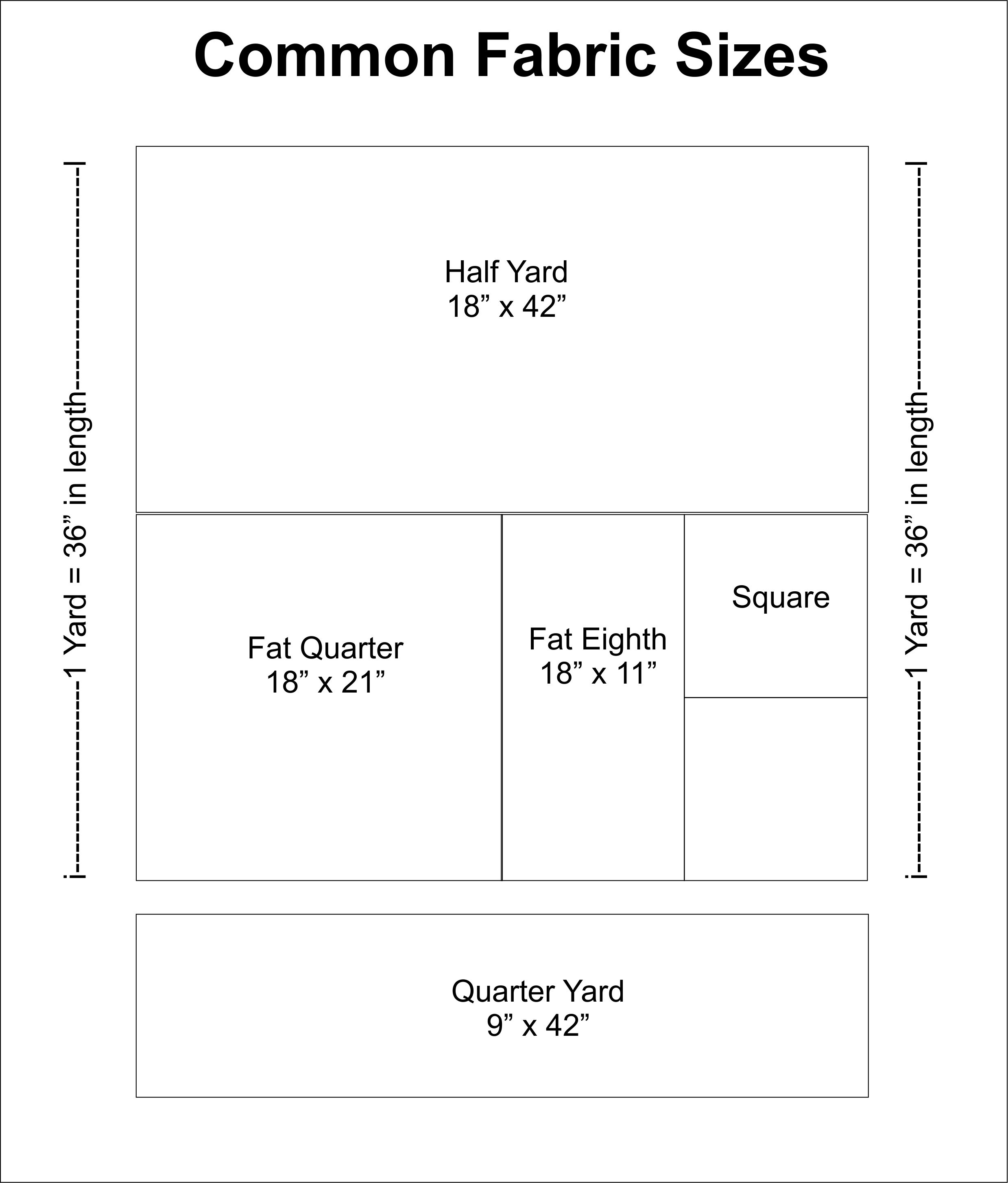
Image Source: snappy-baby.com
Deciphering Fabric Measurements: The Basics
Before we dive into the specifics of a half yard, let’s touch upon how fabric is generally measured. Fabric is typically sold off a bolt, which is a large roll of fabric. The measurement most commonly used in the United States is the yard. A yard is a unit of length equal to 3 feet or 36 inches.
However, fabric measurements involve two dimensions: fabric width and length. The length is what you typically specify when you buy fabric (e.g., “I need 2 yards of this material”). The width, on the other hand, is usually fixed by the manufacturer and depends on the type of fabric. Quilting fabric, for instance, often comes off the bolt at a standard width of 40-44 inches. Apparel fabrics can vary more widely, from 44 inches to 60 inches or even wider.
The concept of fabric yardage conversion is crucial because different countries and even different industries might use different units. However, for most home sewing and crafting in North America, the yard is the standard.
What Exactly is a Half Yard of Fabric?
A half yard is precisely what it sounds like: half of a full yard. Since a yard is 36 inches, a half yard is 18 inches.
So, a half yard of fabric measures 18 inches in length.
The width of that 18-inch length will be the width of the fabric bolt it was cut from.
The Common Half Yard Fabric Measurement
When a fabric store offers fabric “by the half yard,” it means they will cut a length of fabric that is 18 inches long from the bolt. The width remains consistent with the bolt’s width.
For example:
* If you buy a half yard of quilting fabric with a width of 42 inches, you will receive a piece measuring 18 inches by 42 inches.
* If you buy a half yard of a wider apparel fabric with a width of 60 inches, you will receive a piece measuring 18 inches by 60 inches.
This measurement system makes it easier for customers to purchase smaller amounts of fabric without having to buy a full yard when they only need a small piece.
Why Buy Fabric By The Half Yard?
The option to purchase fabric by the half yard is a boon for crafters and sewers for several reasons:
- Smaller Projects: Many projects, especially in quilting and crafting, require only small amounts of various fabrics. Buying by the half yard allows you to obtain just enough material without significant waste.
- Variety: It enables you to incorporate a wider range of colors and patterns into your work. Instead of buying multiple full yards, you can get a half yard of several different fabrics, leading to more dynamic and visually interesting results.
- Sampling: If you’re unsure about a fabric’s texture, drape, or color in person, buying a half yard is a cost-effective way to test it out before committing to a larger purchase.
- Cost-Effectiveness: For small accessories, pockets, binding, or accent pieces, a half yard is often the perfect amount, saving you money compared to buying a full yard.
This flexibility is why fabric by the half yard is a popular offering in fabric stores.
Calculating Fabric Needs: The Role of the Yardage Calculator
Knowing how much fabric to buy can be tricky, especially for beginners. This is where a yardage calculator or simple fabric math for sewing comes in handy. These tools and calculations help you determine the precise amount of fabric needed for a specific pattern or project.
When using patterns, they will typically specify the fabric requirements based on the chosen size and the width of the fabric you plan to use. These requirements are usually given in yards or fractions of a yard.
Basic Fabric Math
To convert between different units or to check your calculations, remember:
- 1 yard = 3 feet
- 1 yard = 36 inches
- 1 foot = 12 inches
Therefore:
* Half yard = 18 inches
* Quarter yard = 9 inches
Example: If a pattern calls for 1/4 yard of fabric and you are using a standard 44-inch wide quilting fabric, you need a piece that is 9 inches long and 44 inches wide.
Using a Yardage Calculator
Many online resources offer yardage calculator tools. You input the dimensions of your project (e.g., the size of a quilt block, the length and width of a skirt panel) and the width of your fabric, and it tells you how many yards you need. These calculators are invaluable for minimizing waste and ensuring you don’t run out of fabric mid-project.
Common Fabric Yardage and Their Meanings
Let’s look at some common fabric yardage you might encounter and what they mean in terms of actual fabric dimensions:
| Fabric Purchase | Length (Inches) | Length (Feet) | Common Widths (Inches) | Example Size (if 44″ wide) |
|---|---|---|---|---|
| Fat Quarter | 18 | 1.5 | 40-44 | 18″ x 44″ |
| Half Yard | 18 | 1.5 | Varies (e.g., 44″, 45″, 54″, 60″) | 18″ x 44″ |
| Three-Quarter Yard | 27 | 2.25 | Varies | 27″ x 44″ |
| Full Yard | 36 | 3 | Varies | 36″ x 44″ |
Note: A “Fat Quarter” is a popular quilting term. It’s a quarter of a yard cut in a specific way: the full width of the fabric is cut in half, and then that length is cut in half. So, a fat quarter from a 44-inch wide bolt is typically 18 inches by 22 inches. While its length is the same as a half yard, its width is different.
The Half Yard in Practice
When you purchase fabric by the half yard, you’re getting a piece that’s consistently 18 inches long. This 18-inch length is often perfect for:
- Quilting: Creating specific quilt blocks, borders, or sashing.
- Apparel: Making smaller garment components like pockets, cuffs, collars, or even simple doll clothes.
- Crafts: Producing items like coasters, small pouches, headbands, or appliqué pieces.
It’s important to remember the fabric width and length relationship. A half yard is always 18 inches long. The width can vary, and this is a critical factor when planning your projects.
Fathoming Fabric Width: A Critical Dimension
While we focus on the length of a half yard, the fabric width is equally important. This is because fabric is manufactured in specific widths, and you rarely cut across the width of the bolt to achieve your desired length. Instead, you cut along the length of the bolt.
Consider these common widths:
- Quilting Fabric: Typically 40-44 inches wide. When you buy a half yard of quilting fabric, you’re getting an 18-inch by 40-44 inch piece. This is a very versatile size for quilting.
- Apparel Fabric (Lightweight): Often around 44-45 inches wide. Similar to quilting fabric, a half yard would be 18 inches by 44-45 inches.
- Apparel Fabric (Mediumweight/Drapey): Can range from 54 inches to 60 inches wide. A half yard of this fabric would be 18 inches by 54-60 inches. This larger width is beneficial for garments as you can often get larger pieces from a single half yard.
- Upholstery/Home Decor Fabric: These can be even wider, sometimes 54 inches, 60 inches, or even 108 inches for specific types like wide-back quilt fabrics or drapery panels. A half yard here would yield a significant piece.
The width dictates how much you can get out of a given length. For instance, if you need a piece of fabric that is 30 inches wide for a project, and you are using 44-inch wide fabric, your half yard (18 inches long) will be sufficient. However, if you need a piece that is 50 inches wide, an 18-inch length of 44-inch wide fabric won’t work. You’ll need to find wider fabric or piece together smaller sections.
Making the Most of Your Half Yard: Strategic Cutting
When you have a limited amount of fabric, like a half yard, strategic cutting is key. This is where fabric math for sewing becomes even more crucial.
Planning Your Cuts
Before you cut into your precious half yard, lay out your pattern pieces or visualize your project components on the fabric.
- Consider the Grainline: Most patterns have a grainline indicated. This line usually runs parallel to the selvage (the finished edge of the fabric). Cutting with the grain ensures your fabric hangs and drapes correctly.
- Piece Layout: Can you fit all your required pieces within the 18-inch length and the fabric’s width? Sometimes rotating a piece or strategically placing it can make a big difference.
- Waste Reduction: Try to place pattern pieces close together to minimize scraps. These scraps can often be used for smaller appliqué or embellishment details.
Example: A Simple Tote Bag Panel
Imagine you’re making a small tote bag and need two panels that are 10 inches by 12 inches. You have a half yard of fabric that is 44 inches wide.
- Option 1: Lay out the panels with the 12-inch side along the 18-inch length of your half yard. You can get two 10-inch wide pieces side-by-side within the 44-inch width. This means you can cut both 10″ x 12″ panels from one half yard, with a piece of approximately 18″ x 24″ remaining (10″ + 10″ = 20″ needed from the width; you have 44″ available).
- Option 2: Lay out the panels with the 10-inch side along the 18-inch length. You would need 12 inches of width for each panel, meaning you’d need 24 inches from the 44-inch width. Again, both panels fit comfortably.
In this case, a half yard provides ample fabric for these simple panels.
Converting Half Yards to Other Units: Fabric Yardage Conversion
Sometimes you might need to convert half-yard measurements for different purposes or to compare with international standards.
Inches to Yards
- A half yard is 18 inches.
- To convert inches to yards, divide by 36 (since 1 yard = 36 inches).
- 18 inches / 36 inches/yard = 0.5 yards. This confirms our definition.
Meters to Yards
If you encounter fabric sold in meters, you’ll need to convert.
* 1 meter ≈ 1.09361 yards
* So, to convert meters to yards, multiply by 1.09361.
* To convert yards to meters, divide by 1.09361.
How Much is a Half Yard in Metric?
A half yard (0.5 yards) is approximately:
* 0.5 yards * 0.9144 meters/yard = 0.4572 meters
* Or, about 45.72 centimeters.
While sewing in North America largely uses imperial units, understanding these conversions can be helpful if you’re working with international patterns or resources.
Understanding the “Fat Quarter” vs. “Half Yard” Nuance
It’s worth reiterating the difference between a half yard and a fat quarter, as they are often confused due to similar lengths.
- Standard Half Yard: Cut as 18 inches along the length of the bolt. Width is the bolt width (e.g., 44 inches). So, 18″ x 44″.
- Fat Quarter: Cut from a full yard. The yard (36 inches long) is cut in half lengthwise (creating two 18-inch pieces), and then each of those pieces is cut in half widthwise. So, from a 44-inch wide bolt, a fat quarter is 18 inches x 22 inches.
The fat quarter provides a shorter, wider piece of fabric compared to a standard half yard, which is longer and narrower. For some projects, the shape of the fabric piece matters more than the total area. Quilters often prefer fat quarters because the wider dimension can be more suitable for cutting larger blocks.
Common Pitfalls and How to Avoid Them
- Forgetting Fabric Width: Always factor in the bolt width when planning. A half yard might not be enough if your project requires wider pieces than the fabric’s width allows.
- Not Accounting for Shrinkage: Most fabrics, especially cotton, will shrink when washed. Pre-washing your fabric before cutting is highly recommended. Account for this shrinkage in your calculations – you might need slightly more fabric than the pattern suggests if you plan to pre-wash.
- Cutting Without Planning: Always lay out your pattern pieces before cutting, especially with limited yardage like a half yard. This prevents mistakes and ensures you get the most out of your fabric.
- Confusing Half Yard with Fat Quarter: Be mindful of which measurement you are ordering or receiving, as the shape can impact your project’s feasibility.
When is a Half Yard Enough?
A half yard is often sufficient for:
- Small Projects:
- Reusable shopping bags (depending on size)
- Small zippered pouches or coin purses
- Fabric coasters
- Headbands or scrunchies
- Small placemats
- Doll clothes
- Appliqué pieces for larger projects
- Bias tape or bindings for smaller projects
- Garment Details:
- Pockets
- Collars
- Cuffs
- Waistbands
- Small yokes
- Quilting Components:
- Individual quilt blocks (especially smaller ones)
- Sashing strips
- Cornerstones
- Small borders
Always check your pattern’s specific requirements. A pattern might specify “1/2 yard of Fabric A” and “1/4 yard of Fabric B.” If you’re working with a wider fabric, a half yard might give you more than you need for certain narrow components. Conversely, if you’re working with a narrower fabric and need a wide piece, a half yard might not be enough.
Conclusion: Mastering Your Fabric Purchases
Grasping the measurement of a half yard of fabric is fundamental to successful sewing and crafting. It’s a versatile quantity that allows for creativity without excessive waste. Remember that a half yard is always 18 inches in length, but the width of that piece will depend on the fabric bolt. By combining this knowledge with careful planning, utilizing tools like a yardage calculator, and performing basic fabric math for sewing, you can confidently purchase and use fabric by the half yard for all your creative endeavors. So, the next time you see fabric by the half yard, you’ll know precisely the size you’re getting and how to best utilize it in your projects.
Frequently Asked Questions (FAQ)
Q1: What is the exact size of a half yard of fabric?
A1: A half yard of fabric is 18 inches long. Its width will be the width of the fabric bolt from which it is cut (commonly 40-44 inches for quilting fabric, or wider for apparel fabrics).
Q2: Can I make a simple t-shirt with a half yard of fabric?
A2: Generally, no. A typical adult t-shirt requires more fabric than a half yard, especially if you are using standard 44-inch wide fabric. Pattern instructions will specify the fabric yardage conversion needed for different sizes and fabric widths.
Q3: Is a half yard of fabric the same as a fat quarter?
A3: No. While both are common fabric cuts, a standard half yard is 18 inches long by the bolt’s full width (e.g., 18″ x 44″). A fat quarter is cut from a yard that’s first halved lengthwise, then halved widthwise, resulting in a piece that is 18 inches by approximately half the bolt’s width (e.g., 18″ x 22″ from a 44″ bolt).
Q4: How do I calculate how much fabric I need for a project?
A4: Refer to your sewing pattern’s instructions, which will tell you the required fabric yardage based on your size and fabric width. For custom projects, you can use a yardage calculator or perform manual calculations based on the dimensions of your project pieces and the fabric width and length.
Q5: What does “fabric by the half yard” mean in terms of pricing?
A5: Fabric is often priced per yard. When you buy “fabric by the half yard,” you are paying half the price of a full yard, but you receive half the length (18 inches).
Q6: Why is fabric width important when I buy a half yard?
A6: The width of the fabric bolt determines the maximum width of the pieces you can cut from your half yard. If your project requires a piece wider than the bolt width, a half yard (or even a full yard) might not be enough, or you may need to piece fabric together.