
Fathoming the weight of landscaping materials is crucial for project planning and budgeting. Generally, a cubic yard of pea gravel weighs between 1.4 and 1.8 tons. This conversion is essential for anyone ordering gravel for a garden, walkway, or driveway.
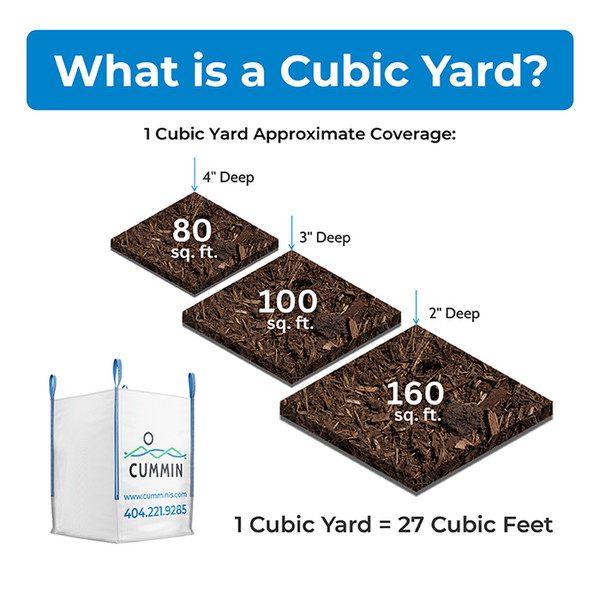
Image Source: www.cumminlandscapesupply.com
Deciphering Gravel Weights: A Deep Dive
When you’re planning a landscaping project, knowing how much material you need is key. Pea gravel, with its smooth, rounded stones, is a popular choice for many outdoor applications. But how much does it actually weigh? The question of “how many tons in a yard of pea gravel” is a common one, and the answer isn’t a single, fixed number. It depends on a few factors. We’ll explore these in detail to help you make informed decisions for your next project.
The Cubic Yard vs. The Ton: What’s the Difference?
Before we dive into the specifics of pea gravel, let’s clarify what a “cubic yard” and a “ton” represent.
-
Cubic Yard: This is a unit of volume. Imagine a cube that is three feet long, three feet wide, and three feet high. That’s one cubic yard. In landscaping, materials like soil, mulch, and gravel are often sold by the cubic yard because it measures the space the material occupies.
-
Ton: This is a unit of weight. Specifically, it usually refers to a short ton, which is 2,000 pounds. Materials are weighed to determine their mass.
So, when we talk about “how many tons in a yard of pea gravel,” we’re essentially asking how much a specific volume of pea gravel weighs.
The Key Factor: Density
The primary reason the tons per cubic yard of pea gravel can vary is density. Density is a measure of how much mass is contained in a given volume. Think of it this way: a box filled with feathers will weigh much less than the same-sized box filled with rocks. The rocks are denser.
For pea gravel, density is influenced by several things:
- Stone Type: While pea gravel is typically made of rounded river stones, the actual rock composition can vary. Some rocks are naturally heavier than others.
- Moisture Content: Wet gravel is heavier than dry gravel. If you’re measuring or ordering gravel on a rainy day, expect it to weigh more.
- Compaction: How tightly the gravel is packed can also affect its density. However, when ordering by the cubic yard, it’s usually measured loosely.
Pinpointing the Pea Gravel Weight Per Yard
So, let’s get to the heart of the matter: how much does a yard of pea gravel weigh? As mentioned, a general rule of thumb is that one cubic yard of pea gravel weighs between 1.4 and 1.8 tons.
Let’s break this down further:
- Lower End (1.4 tons): This might be for drier, less dense pea gravel.
- Higher End (1.8 tons): This could represent wetter or more compacted gravel.
To give you a clearer picture, let’s convert these tons into pounds:
- 1.4 tons * 2,000 lbs/ton = 2,800 lbs
- 1.8 tons * 2,000 lbs/ton = 3,600 lbs
Therefore, a cubic yard of pea gravel typically weighs between 2,800 and 3,600 pounds.
Gravel Density Tons Per Yard: A Closer Look
The concept of gravel density tons per yard is what dictates our conversion. Different types of gravel will have different densities. For instance, crushed stone, which has angular edges and can interlock more tightly, might be denser and therefore weigh more per cubic yard than rounded pea gravel.
Here’s a simplified look at approximate densities for common landscaping aggregates:
| Gravel Type | Approximate Weight per Cubic Yard (Tons) | Approximate Weight per Cubic Yard (Pounds) |
|---|---|---|
| Pea Gravel | 1.4 – 1.8 tons | 2,800 – 3,600 lbs |
| Crushed Stone | 1.6 – 1.9 tons | 3,200 – 3,800 lbs |
| River Rock | 1.5 – 1.8 tons | 3,000 – 3,600 lbs |
| Decomposed Granite | 1.3 – 1.6 tons | 2,600 – 3,200 lbs |
Note: These are approximate figures. Actual weights can vary based on the factors mentioned earlier.
Cubic Yard to Ton Conversion Gravel: Making the Switch
Understanding the cubic yard to ton conversion gravel is essential for ordering. If a supplier sells gravel by the ton, but you’ve calculated your needs in cubic yards, you’ll need to perform this conversion.
Let’s use our average pea gravel weight for an example:
If you need 5 cubic yards of pea gravel and the average weight is 1.6 tons per cubic yard:
5 cubic yards * 1.6 tons/cubic yard = 8 tons
So, you would need approximately 8 tons of pea gravel.
Pea Gravel Bulk Density: The Technical Side
The pea gravel bulk density refers to the weight of the gravel, including the air spaces between the stones. This is what influences the weight per cubic yard. Pea gravel, being rounded, tends to have larger air pockets compared to angular crushed stone. This means it’s generally less dense.
The bulk density of pea gravel is typically in the range of:
- 1,400 to 1,800 kilograms per cubic meter (kg/m³)
- Or, 87 to 112 pounds per cubic foot (lbs/ft³)
Converting these to tons per cubic yard:
- 1 cubic meter ≈ 1.308 cubic yards
- 1 ton ≈ 907.185 kilograms
Let’s take the higher end of the bulk density: 112 lbs/ft³.
There are 27 cubic feet in a cubic yard (3ft x 3ft x 3ft).
112 lbs/ft³ * 27 ft³/yard³ = 3,024 lbs/yard³
Converting pounds to tons:
3,024 lbs / 2,000 lbs/ton = 1.512 tons/yard³
This aligns with our earlier estimate, showing that even with slightly different data points, the conversion remains consistent.
Weight of 1 Cubic Yard of Gravel: A General Guideline
The weight of 1 cubic yard of gravel in general will vary depending on the type, as we’ve seen. However, for common gravels used in landscaping and construction, you can generally expect:
- 2,500 to 3,800 pounds per cubic yard.
This broader range accounts for various gravel types, including crushed stone, river rock, and different sizes of decorative gravel.
Using a Pea Gravel Tonnage Calculator
To simplify these calculations, many online resources offer a pea gravel tonnage calculator. These tools are incredibly helpful. You typically input:
- The dimensions of the area you need to cover (length, width, and depth).
- The type of gravel (pea gravel in this case).
- Sometimes, you can specify whether the gravel is dry or wet, or the supplier might have their own conversion factor.
The calculator then does the math for you, providing an estimate in tons. This is far more convenient than manually calculating.
Example of a basic calculation for a calculator:
Let’s say you need to cover a rectangular area:
- Length: 10 feet
- Width: 12 feet
- Depth: 4 inches (which is 4/12 = 0.33 feet)
Step 1: Calculate the volume in cubic feet.
Volume = Length × Width × Depth
Volume = 10 ft × 12 ft × 0.33 ft = 39.6 cubic feet
Step 2: Convert cubic feet to cubic yards.
There are 27 cubic feet in 1 cubic yard.
Volume in cubic yards = 39.6 cubic feet / 27 cubic feet/yard³ ≈ 1.47 cubic yards
Step 3: Convert cubic yards to tons (using our average 1.6 tons/yard³).
Tons needed = 1.47 cubic yards × 1.6 tons/cubic yard ≈ 2.35 tons
So, you’d need roughly 2.35 tons of pea gravel for this area.
Gravel Weight Conversion: Practical Tips
When you’re dealing with gravel weight conversion, keep these practical tips in mind:
- Always Round Up: It’s better to have a little extra gravel than to run out mid-project. Round your calculated tonnage up to the nearest half or whole ton.
- Check with Your Supplier: The best way to get an accurate conversion is to ask your gravel supplier. They deal with these materials daily and will know their specific product’s average weight per cubic yard.
- Consider Delivery: If you’re ordering a significant amount of gravel, it will likely be delivered in a dump truck. Knowing the pea gravel truckload weight can help you understand delivery capacities and costs. A standard dump truck might carry anywhere from 10 to 20 cubic yards of material, which translates to roughly 14 to 36 tons of pea gravel.
Why Does This Matter for Your Project?
Knowing the pea gravel bulk density and its weight per cubic yard impacts your project in several ways:
- Budgeting: Gravel is often priced by the ton or the cubic yard. Accurate weight estimates help you get precise quotes and avoid unexpected costs.
- Ordering: You need to know whether to order by the cubic yard or by the ton. Most landscaping yards sell by the cubic yard, while bulk suppliers might deal in tons.
- Transportation: If you’re picking up gravel yourself, knowing the weight per cubic yard helps you determine how much your truck or trailer can safely carry. A full cubic yard of pea gravel can weigh over 3,000 pounds, which is a substantial load.
- Job Site Management: Understanding the volume and weight helps in planning how much space you’ll need for the material on-site and how you’ll move it around.
Pea Gravel Applications and Quantities
Pea gravel is versatile. Common uses include:
- Pathways and Walkways: Provides a soft, natural look. A typical depth for a walkway is 2-3 inches.
- Driveways: Offers good drainage, but may require a thicker layer and more frequent replenishment due to its rounded nature. Depths of 4-6 inches are common.
- Garden Beds and Borders: Used for decorative purposes and to suppress weeds.
- Drainage Systems: Its rounded shape allows for good water flow.
- Playgrounds and Patios: A safe and attractive surface.
Let’s consider a common project: a backyard patio measuring 10 feet by 12 feet, with a desired gravel depth of 4 inches.
Calculation:
- Area: 10 ft × 12 ft = 120 sq ft
- Depth: 4 inches = 0.33 ft
- Volume: 120 sq ft × 0.33 ft = 39.6 cubic feet
- Cubic Yards: 39.6 cubic feet / 27 cubic feet/yard³ ≈ 1.47 cubic yards
Now, converting to tons using our average pea gravel weight per yard of 1.6 tons:
- Tons: 1.47 cubic yards × 1.6 tons/cubic yard ≈ 2.35 tons
So, for this patio, you’d need just under 2.5 tons of pea gravel. It’s always wise to order a bit more, perhaps 2.5 to 3 tons, to account for settling and any minor calculation discrepancies.
Factors Affecting Pea Gravel Weight (Recap)
To reiterate, the weight of 1 cubic yard of gravel (specifically pea gravel) is not constant. The main factors are:
- Moisture: Wet gravel is heavier.
- Rock Composition: Different types of stones have different densities.
- Particle Shape and Size: While “pea” gravel implies a certain size, variations exist.
- Compaction: How tightly the gravel is packed in the yard or truck.
When you’re working with a gravel weight conversion, it’s always best to use a reputable pea gravel tonnage calculator or consult your supplier for the most accurate figures for your specific needs. This ensures you order the correct amount, saving you time, money, and hassle.
Ordering and Delivery Considerations
When placing an order, be prepared to provide:
- Quantity: In cubic yards or tons.
- Type of Gravel: Pea Gravel.
- Delivery Location and Time: Coordinate delivery to ensure someone is present.
- Placement Instructions: Specify where on your property you want the gravel dumped.
Remember that pea gravel truckload weight can be significant. Ensure your driveway or the delivery area can support the weight of a loaded dump truck. If access is restricted, you might need to arrange for smaller loads or a different delivery method.
Conclusion: Accurate Estimates for Smooth Projects
Grasping the tons per cubic yard of pea gravel is a fundamental step in successful landscaping. By understanding the factors influencing gravel density and using reliable conversion methods, you can confidently calculate your material needs. Whether you’re covering a small garden path or a large driveway, accurate estimates ensure your project stays on budget and is completed efficiently. Always double-check with your local supplier for the most precise information, as their specific products may have slightly different weight characteristics.
Frequently Asked Questions (FAQ)
Q1: How many tons of pea gravel do I need for a 10×10 foot area at 3 inches deep?
To calculate this:
1. Area = 10 ft * 10 ft = 100 sq ft
2. Depth = 3 inches = 0.25 ft
3. Volume = 100 sq ft * 0.25 ft = 25 cubic feet
4. Volume in cubic yards = 25 cubic feet / 27 cubic feet/yard³ ≈ 0.93 cubic yards
5. Using an average of 1.6 tons per cubic yard: 0.93 cubic yards * 1.6 tons/cubic yard ≈ 1.49 tons. It’s advisable to round up and order about 1.5 to 2 tons.
Q2: Can I use pea gravel for a pathway?
Yes, pea gravel is excellent for pathways. Its smooth, rounded stones make it comfortable to walk on, and it provides a natural, attractive look. A depth of 2-3 inches is typically recommended for foot traffic.
Q3: How much does a dump truck of pea gravel weigh?
The pea gravel truckload weight can vary significantly depending on the truck’s capacity. A standard single-axle dump truck might carry around 10-14 cubic yards, which could translate to 14-22 tons of pea gravel. Larger tandem-axle trucks can carry much more. Always confirm the exact capacity and weight with your delivery service.
Q4: Is there a difference in weight between dry and wet pea gravel?
Yes, wet pea gravel is heavier than dry pea gravel because it absorbs water. This difference can be significant, so if you’re measuring your own gravel, be aware of its moisture content. Suppliers usually estimate based on average, slightly damp conditions.
Q5: Where can I find a reliable pea gravel tonnage calculator?
Many landscaping supply companies and home improvement websites offer free online pea gravel tonnage calculator tools. A quick search for “gravel calculator” or “pea gravel calculator” will yield many results.
Q6: What’s the difference between pea gravel and crushed stone in terms of weight?
Crushed stone is generally denser and weighs more per cubic yard than pea gravel. This is because crushed stone has angular edges that interlock more tightly, reducing air space. Pea gravel, with its rounded shape, has more void space, making it lighter.
Q7: How deep should I lay pea gravel for a driveway?
For a driveway, you’ll need a thicker layer to support vehicles. A depth of 4-6 inches is generally recommended. This will require a larger volume (and therefore weight) of gravel compared to pathways. Remember that rounded pea gravel can shift more under heavy loads than angular crushed stone.