
A cubic yard of mason sand typically weighs between 2,500 and 2,800 pounds. This weight can vary based on moisture content and how tightly the sand is packed.
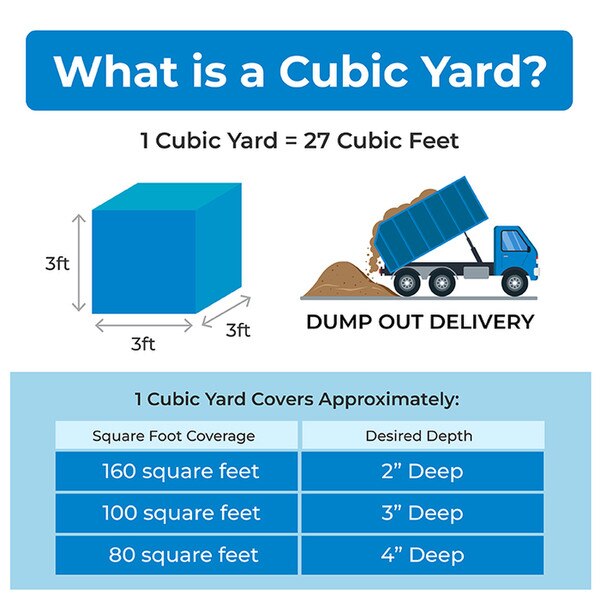
Image Source: www.cumminlandscapesupply.com
Deciphering the Weight of Mason Sand
When you’re planning a landscaping project, a construction job, or any task involving materials like sand, knowing the weight of those materials is crucial. This isn’t just for curiosity’s sake; it directly impacts your project’s budget, transportation, and structural planning. Let’s dive deep into how much does a yard of mason sand weigh.
The Factors Influencing Sand Weight
The weight of sand isn’t a fixed number. Several elements play a role in determining the final poundage. We’ll explore these key factors to give you a clear picture.
Sand Density: The Core Measurement
At the heart of determining sand’s weight is its sand density. Density is a fundamental property of matter, defined as mass per unit of volume. For sand, this means how much a certain amount of sand weighs in a given space. Different types of sand have different densities. This difference arises from the size, shape, and composition of the sand grains, as well as how tightly they are packed.
- Grain Size and Shape: Finer grains tend to pack more tightly than coarser grains, potentially leading to higher density. Irregularly shaped grains might not pack as uniformly as rounder ones.
- Moisture Content: Wet sand is heavier than dry sand because water adds mass. The more water absorbed, the heavier the sand will be.
- Compaction: How the sand is handled matters. Loose sand will weigh less per cubic yard than compacted sand. Imagine a bag of flour versus a packed brick; the principle is similar.
Sand Weight Per Cubic Yard: A Common Measure
In the construction and landscaping industries, materials are often discussed in terms of sand weight per cubic yard. This standard unit of measurement helps professionals estimate quantities and costs accurately. A cubic yard is a volume measurement representing a cube with sides of three feet (3 ft x 3 ft x 3 ft).
Bulk Density of Sand: What It Means for You
The bulk density of sand refers to the weight of a given volume of sand, including the air spaces between the grains. This is the practical measurement you’ll need for most projects. It’s different from the density of the individual sand grains themselves. Think of it like a box of marbles: the weight of the marbles is one thing, but the weight of the box filled with marbles (including the air) is another.
Masonry Sand: Specific Weight Considerations
Masonry sand, also known as mortar sand, is a specific type of sand used in construction, particularly for mortar mixes in bricklaying and stonework. Its properties are tailored for this purpose, which can influence its weight.
Masonry Sand Weight: What to Expect
Generally, masonry sand weight falls within a predictable range. As mentioned earlier, a cubic yard of masonry sand typically weighs between 2,500 and 2,800 pounds when dry and moderately compacted. However, it’s essential to remember the variables.
- Dry vs. Wet: A cubic yard of wet masonry sand can easily weigh 3,000 pounds or more.
- Compaction Level: Very tightly packed sand will be at the higher end of the weight range, while loosely shoveled sand will be lighter.
Fathoming “How Much Does Sand Weigh?”
To truly grasp how much does sand weigh, consider that different types of sand exist. River sand, play sand, and decorative sand might all have slightly different densities and, therefore, weights. Masonry sand is specifically graded and cleaned for construction use.
Loose Sand Weight vs. Dense Sand Weight
The distinction between loose sand weight and dense sand weight is significant for project planning.
- Loose Sand: This refers to sand that has not been compacted. When you first receive a load or fill a container, the sand is often loose. This will be at the lower end of the weight spectrum for its volume.
- Dense Sand: This refers to sand that has been compacted, either through natural settling or deliberate force. This will weigh more for the same volume because the air pockets are reduced.
Sand Volume to Weight Conversion
The process of converting sand volume to weight is critical for ordering materials. If you know you need a certain weight of sand for your project, but the supplier sells it by volume (cubic yards), you need to make this conversion.
Example: If your project requires 5,000 pounds of sand and a cubic yard weighs approximately 2,700 pounds, you would need about 1.85 cubic yards (5,000 lbs / 2,700 lbs/yd³).
Practical Applications of Masonry Sand Weight
Knowing the weight of masonry sand is vital for several practical reasons:
- Transportation: Understanding the weight helps you determine if your truck or trailer can legally and safely carry the load. Many trucks have weight limits.
- Ordering: When ordering from a supplier, you can request quantities by weight or volume, ensuring you get the right amount.
- Mixing Ratios: In mortar or concrete mixes, precise weight ratios are often used for optimal strength and workability.
- Cost Estimation: Sand is often priced per ton or per cubic yard. Knowing the weight helps in comparing prices and budgeting.
Uses of Masonry Sand
Masonry sand isn’t just for weighing; its physical properties make it invaluable in various applications. Its fine grain size and consistency are key.
The Role of Masonry Sand in Construction
Masonry sand is primarily used as an aggregate in mortar. Mortar is the binding agent that holds bricks, blocks, and stones together in walls and structures.
What Makes Masonry Sand Ideal for Mortar?
- Workability: The fine grains create a smooth, workable mortar that is easy for masons to spread and manipulate.
- Strength: When mixed with cement and lime, it contributes to the strength and durability of the mortar bond.
- Reduced Shrinkage: The fineness of the sand helps minimize shrinkage as the mortar cures, preventing cracks.
- Good Packing: It fills voids effectively, creating a dense mortar that resists water penetration.
Beyond Mortar: Other Applications
While its primary use is in mortar, masonry sand finds its way into other areas as well.
Landscaping and Gardening
- Soil Amendment: In heavy clay soils, adding sand can improve drainage and aeration, making it easier for plant roots to grow. It helps break up compacted soil.
- Top Dressing Lawns: A thin layer of sand can help level out bumpy lawns and improve drainage.
- Creating Paths and Patios: Sand is often used as a base material for laying pavers, bricks, or flagstones. It provides a stable, level surface.
- Sandboxes: Washed and screened masonry sand is a popular choice for children’s sandboxes due to its softness and lack of sharp particles.
Other Construction Uses
- Grout: Similar to mortar, sand is a component of grout, used to fill the gaps between tiles.
- Asphalt Paving: Certain grades of sand are used in asphalt mixes.
- Base Material: It can be used as a base layer for various construction projects, providing stability.
Calculating Sand Weight: Tools and Methods
When you need to know how much does sand weigh for your specific needs, you have a few options.
Using a Sand Weight Calculator
A sand weight calculator is an online tool that simplifies the sand volume to weight conversion. You typically input the type of sand (e.g., masonry sand), the volume needed (in cubic yards or other units), and the calculator provides an estimated weight. These calculators usually use average density figures for different sand types.
Estimating the Weight Yourself
If you don’t have access to a calculator, you can estimate the weight using the average densities.
General Formula:
Weight = Volume × Density
- Volume: If you know you need a certain number of cubic yards.
- Density: Use an average density for masonry sand, around 2,700 pounds per cubic yard.
Example: If you need 3 cubic yards of masonry sand:
Weight = 3 yd³ × 2,700 lbs/yd³ = 8,100 lbs
The Importance of Supplier Information
The most accurate way to determine how much does a yard of mason sand weigh for your specific purchase is to ask your supplier. They know the exact type of sand they are selling and its typical moisture content and density.
Factors Affecting Sand Weight Accuracy
It’s crucial to reiterate that the weight figures are estimates. Several factors can cause variations.
Moisture Content: The Silent Weight Gainer
Water is heavy! Even a small percentage of moisture in sand can significantly increase its weight.
- Damp Sand: Can be 5-10% heavier than dry sand.
- Wet Sand: Can be 15-20% or even more heavier than dry sand.
If you’re transporting sand in an open truck, rain can quickly add substantial weight.
Compaction and Handling
- Loose Fill: Sand delivered in a dump truck is often loosely piled.
- Packed: Sand in bags might be more compacted. If you manually shovel sand into a wheelbarrow or truck bed, you’ll likely create some level of compaction.
Sand Type Variations
While we focus on masonry sand, remember that other types exist.
- Play Sand: Often very fine and washed, it might have a slightly different density.
- Coarse River Sand: Larger grains may pack less densely, potentially leading to a lower weight per cubic yard for loose sand.
When You Need to Know the Exact Weight
There are specific situations where precision is paramount.
Structural Engineering and Load Calculations
For large construction projects, structural engineers need precise weights to calculate loads on foundations, beams, and other structural elements. They will often specify the required sand density or ask for test results.
Large-Scale Material Ordering
When ordering truckloads of sand, knowing the precise weight is important for:
- Avoiding Overloading: Ensuring you don’t exceed legal weight limits on roads.
- Accurate Billing: Suppliers often charge by weight (tonnage), so an accurate estimate helps confirm costs.
- Project Budgeting: Precise weight estimates lead to more accurate material cost projections.
DIY Projects Requiring Precision
Even for DIYers, knowing the approximate weight can be helpful.
- Wheelbarrow Capacity: A standard wheelbarrow can hold roughly 150-200 pounds of sand. Knowing the weight per cubic foot helps estimate how many wheelbarrows you’ll need. (A cubic yard is 27 cubic feet. If a cubic yard weighs 2700 lbs, then a cubic foot weighs about 100 lbs).
- Bagged Sand: Sand is often sold in bags, typically weighing 50 pounds. If you need 1000 pounds, you know you’ll need 20 bags.
Frequently Asked Questions (FAQ)
Here are some common questions about the weight of sand.
Q1: How much does a yard of play sand weigh?
A1: A yard of play sand typically weighs between 2,400 to 2,600 pounds, slightly less than masonry sand due to its finer grain size and washing process, which can lead to less dense packing.
Q2: Can I use a general sand weight calculator for all types of sand?
A2: While a general calculator can give you a ballpark figure, it’s best to use one that specifies the type of sand (like masonry sand) or to find density data specific to the sand you’re using for more accuracy.
Q3: What is the weight of sand per cubic foot?
A3: Based on an average of 2,700 pounds per cubic yard, a cubic foot of masonry sand weighs approximately 100 pounds (2700 lbs / 27 cubic feet). This can vary with moisture and compaction.
Q4: Does the color of the sand affect its weight?
A4: The color itself doesn’t directly affect the weight. However, different mineral compositions that give sand its color can also influence its density. For example, a sand rich in heavier minerals might be denser.
Q5: Who should I ask if I need the exact weight of sand from a specific supplier?
A5: You should always ask your sand supplier directly. They can provide the most accurate information about the density and moisture content of the sand they sell.
Conclusion
So, how much does a yard of mason sand weigh? Generally, you can expect a cubic yard of dry masonry sand to weigh between 2,500 and 2,800 pounds. Remember that moisture and compaction can significantly alter this weight. Whether you’re a seasoned contractor or a DIY enthusiast, having a good grasp of sand weight per cubic yard is essential for efficient planning, accurate budgeting, and successful project execution. Always consider asking your supplier for the most precise figures for the sand you purchase.