
What’s the best way to clear brush from your yard? The best approach involves a combination of manual labor, specific tools, and sometimes, professional help, depending on the extent of the overgrown yard and your comfort level with physical tasks. Can you do it yourself? Yes, you can handle much of it yourself with the right preparation and tools.
Dealing with a yard that’s become a tangled mess of shrubs, vines, and weeds can feel overwhelming. Whether you’re looking to reclaim space for a garden, create a safer environment, or simply improve your property’s appearance, knowing how to get rid of brush effectively is key. This guide provides a comprehensive look at brush removal, yard clearing, and vegetation control to help you tackle your overgrown yard and achieve a tidy outdoor space. We’ll cover everything from the best tools and techniques for shrub removal and bush removal to essential tips for backyard clean up and long-term landscape maintenance.
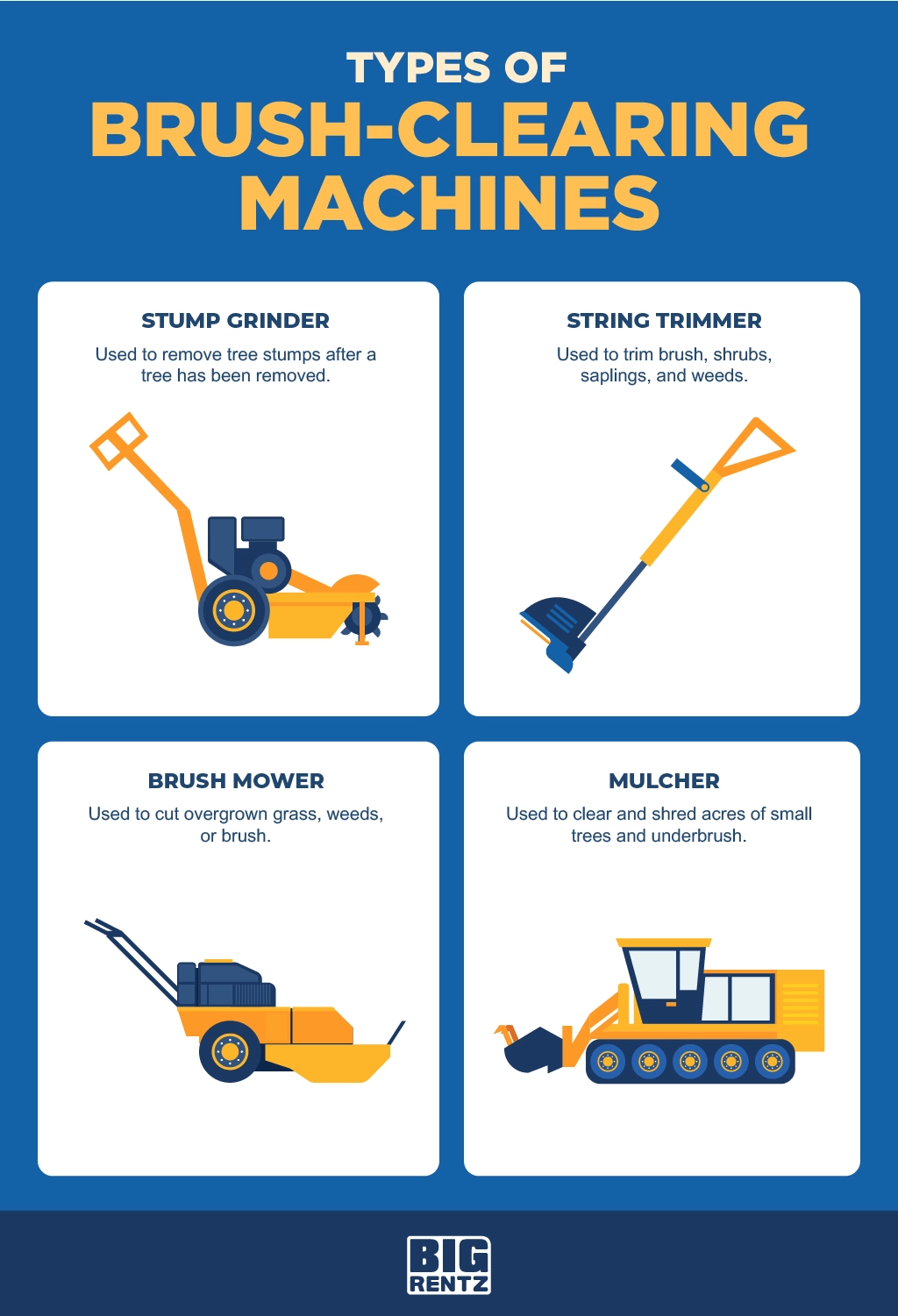
Image Source: acropolis-wp-content-uploads.s3.us-west-1.amazonaws.com
Preparing for Brush Removal
Before you grab a shovel or a chainsaw, proper preparation is crucial for safety and efficiency. This phase sets the stage for successful yard clearing and ensures you have everything you need.
Assessing Your Overgrown Yard
Take a good look at the extent of the brush. What types of plants are growing? Are there large trees or just dense undergrowth? Identifying the types of vegetation will help you choose the right tools and methods.
- Identify Target Areas: Pinpoint the sections of your yard that require the most attention.
- Note Obstacles: Look for rocks, fences, utilities, or underground pipes that might impede your work.
- Consider the Season: Some times of year are better for brush removal than others. For example, removing dead, dry brush in warmer months can increase fire risk, while removing live, thorny plants in cooler weather might be more comfortable.
Safety First!
Safety should always be your top priority when tackling brush removal. Working with dense vegetation and sharp tools can be dangerous.
- Wear Protective Gear: This includes sturdy work gloves, long pants, long-sleeved shirts, safety glasses or goggles, and steel-toed boots. If using a chainsaw, a helmet with a face shield and ear protection is essential.
- Know Your Tools: Ensure you are familiar with how to operate any tools you plan to use, especially power tools. Read the manuals.
- Be Aware of Your Surroundings: Watch out for hidden hazards like uneven ground, sharp branches, or insects like ticks and poison ivy.
- Work with a Buddy: If possible, have someone else with you, especially if you’re dealing with large areas or using powerful equipment.
Gathering the Right Tools
The tools you need will depend on the size and density of the brush. Having the right equipment makes the job easier and safer.
Manual Tools for Smaller Jobs
For light to moderate brush and smaller areas, manual tools are effective and cost-efficient.
- Loppers: Excellent for cutting branches up to 1.5 to 2 inches thick. They provide leverage for cleaner cuts.
- Pruning Saws: Ideal for branches too thick for loppers, typically up to 4 inches in diameter. Bow saws or folding saws are good options.
- Hand Pruners (Secateurs): For small stems and twigs. Bypass pruners make cleaner cuts than anvil pruners.
- Shovels and Spades: Necessary for digging out roots and removing smaller plants.
- Rakes: For gathering fallen leaves, twigs, and smaller debris.
- Wheelbarrow or Tarps: To help move cleared brush to a designated disposal area.
Power Tools for Larger Jobs
When dealing with thick brush, large shrubs, or extensive areas, power tools can significantly speed up the process.
- String Trimmers (Weed Whackers): Great for cutting down tall weeds and grass. Ensure you use a heavy-duty cutting line for thicker vegetation.
- Brush Cutters: More powerful than string trimmers, these often come with metal blades or heavy-duty cutting heads capable of tackling saplings and dense brush.
- Chainsaws: For larger branches and trees. Chainsaws require the most skill and safety precautions. Electric chainsaws are generally lighter and easier to use for smaller jobs, while gas-powered ones offer more power for tougher tasks.
- Hedge Trimmers: Useful for shaping and removing dense shrubbery, but not ideal for thick, woody stems.
- Chipper/Shredder: If you have a lot of brush, a chipper can turn branches and debris into mulch, which can be used in your garden or disposed of more easily.
Specialized Equipment for Major Land Clearing
For significant land clearing projects or extremely dense areas, you might consider renting or hiring specialized equipment.
- Heavy-Duty Brush Cutter Attachments: For tractors or skid steers.
- Stump Grinders: To remove tree stumps after clearing.
- Excavators: For very large-scale removal of brush and trees.
Effective Brush Removal Techniques
Once you’re prepared and have your tools, it’s time to get to work. Different methods work best for different types of vegetation.
Manual Removal Strategies
Manual removal is often the safest and most environmentally friendly approach, especially for smaller areas or when avoiding herbicides.
Digging Out Plants
For smaller shrubs and persistent weeds, digging them out by the root is the most effective method to prevent regrowth.
- Loosen the Soil: Use a shovel or spade to loosen the soil around the base of the plant.
- Cut Major Roots: If the plant has a taproot or thick lateral roots, try to sever them with your shovel.
- Wiggle and Pull: Gently rock the plant back and forth while pulling upwards to loosen it from the soil.
- Remove All Roots: After pulling the plant, inspect the hole and surrounding soil for any remaining root fragments. These can sprout new growth.
Cutting Back Dense Brush
For thickets of smaller plants or overgrown bushes, strategic cutting is necessary.
- Start from the Top: Begin by cutting away the upper, thinner branches. This improves access to the thicker parts.
- Work Downwards: Gradually move to thicker stems, using loppers or a pruning saw as needed.
- Cut at the Base: When removing an entire shrub or bush, aim to cut as close to the ground as possible.
- Dispose of Debris: As you cut, gather the brush into piles or directly into a wheelbarrow for disposal.
Using Power Tools for Efficiency
Power tools make quick work of tougher jobs. Always prioritize safety when operating them.
String Trimmer and Brush Cutter Tactics
These tools are excellent for clearing ground cover and smaller woody plants.
- Start with Trimmer Line: For grass and thin weeds, a standard string trimmer is sufficient.
- Switch to Blades/Heavy Line: For thicker brush, switch to a brush cutter blade or heavy-duty cutting line.
- Sweep Motion: Use a sweeping motion to cut down vegetation efficiently.
- Safety Zone: Be aware of flying debris. Ensure no people or pets are nearby.
- Gradual Approach: For very dense areas, tackle them in sections rather than trying to cut everything at once.
Chainsaw Techniques for Larger Brush and Saplings
Chainsaws are powerful and require expertise.
- Proper Stance: Stand with your feet shoulder-width apart for balance.
- Controlled Cuts: Avoid forcing the saw. Let the chain do the work.
- Watch for Kickback: Be aware of the tip of the bar and avoid cutting with it.
- Clear Workspace: Ensure you have a clear path to move around the trees you are cutting.
- Cut at the Base: For removing saplings or the main stems of larger bushes, cut them at the base.
Mechanical Brush Removal
For extensive land clearing, mechanical methods are often the most practical.
Brush Clearing with Machinery
If you have a very large area or extremely dense brush, consider hiring a service that uses equipment like mulchers or excavators. These machines can clear large areas quickly, turning brush into mulch or collecting it for disposal. This is often the fastest route for significant vegetation control.
Stump Removal
After clearing the brush, you might be left with stumps.
- Digging Out: For smaller stumps, you can dig around them and sever the roots to pull them out.
- Rotting: Covering a stump with soil or a tarp can encourage decomposition over time.
- Burning: In some areas, controlled burning might be an option, but check local regulations first.
- Stump Grinding: Renting a stump grinder or hiring a professional is the most efficient way to remove stumps.
Disposing of Cleared Brush
Once you’ve cleared the brush, you need to deal with the debris. Proper disposal is important for preventing regrowth and maintaining a tidy yard.
Options for Brush Disposal
- Composting: Small branches and leafy material can be added to a compost bin. Larger branches may need to be chipped first.
- Chipping/Shredding: Renting or owning a chipper-shredder is an excellent way to reduce the volume of brush. The resulting mulch can be used in garden beds or around trees to suppress weeds and retain moisture.
- Municipal Yard Waste Programs: Many towns and cities have specific collection days for yard waste. Check your local regulations for guidelines on how to prepare brush for pickup (e.g., bundled, bagged, or in designated bins).
- Hauling to a Landfill or Transfer Station: If municipal pickup isn’t available or sufficient, you may need to transport the debris yourself.
- Burning: In some rural areas, burning brush may be permitted, but always check local ordinances and fire restrictions. Ensure you have appropriate safety measures in place if you choose to burn.
- Donating/Repurposing: If you have clean, sturdy branches, they can sometimes be used for crafting, fencing, or even as supports for new plantings.
Preventing Regrowth and Maintaining Your Yard
Brush removal is only the first step; preventing regrowth is key to long-term landscape maintenance.
Long-Term Vegetation Control
- Regular Mowing: Keep grass and weeds short to prevent them from encroaching on cleared areas.
- Mulching: Apply a thick layer of mulch around trees and in garden beds. This suppresses weed growth and retains soil moisture.
- Ground Cover Plants: Consider planting low-growing, dense ground cover plants in areas where brush tended to grow.
- Weed Barriers: Landscape fabric can be used under mulch or gravel to further inhibit weed growth.
Strategies for Bush Removal and Shrub Management
- Pruning: Regular pruning of desirable shrubs helps maintain their shape and prevents them from becoming overgrown and unruly.
- Root Barrier Systems: For invasive plants or those that spread aggressively via roots, installing a physical root barrier can be effective.
- Manual Removal: For any new sprouts or small bushes that appear, pull them out by the root as soon as you see them. This is much easier than tackling a large thicket later.
Professional Assistance for Land Clearing
For extensive land clearing projects, severe overgrowth, or if you lack the time or physical capacity, hiring professionals is a wise choice. They have the equipment and expertise to complete the job efficiently and safely. Look for companies specializing in brush removal, yard clearing, and land clearing.
Common Issues and Solutions
When undertaking brush removal, you might encounter specific challenges.
Dealing with Invasive Species
Some plants are particularly tenacious and can quickly overtake your yard.
- Identification: First, correctly identify the invasive species.
- Manual Removal: For many invasives, thorough manual removal of roots is essential.
- Herbicides: In some cases, targeted herbicide application may be necessary, especially for widespread infestations. Always follow label instructions and safety precautions.
- Persistence: Be prepared for multiple rounds of removal, as many invasive species are difficult to eradicate completely.
Poison Ivy and Other Toxic Plants
Contact with plants like poison ivy, oak, or sumac can cause severe skin irritation.
- Identification: Learn to recognize these plants.
- Extreme Caution: Wear gloves, long sleeves, and pants when working in areas where they might be present.
- Wash Thoroughly: After working, wash all clothing and tools that may have come into contact with the plants. Wash your skin with soap and water as soon as possible.
- Avoid Burning: Burning these plants can release toxic oils into the air, which can be extremely dangerous.
Steep Slopes and Difficult Terrain
Working on slopes presents added safety challenges.
- Secure Footing: Ensure you have stable footing. Consider using ropes or securing yourself if necessary.
- Work Downhill: If possible, work downhill to make it easier to move debris.
- Use Appropriate Tools: Long-handled tools can provide more reach and leverage, reducing the need to be directly on steep sections.
- Professional Help: For very steep or treacherous slopes, it’s often best to hire professionals.
Summary Table: Brush Removal Methods
| Method | Best For | Pros | Cons |
|---|---|---|---|
| Manual Removal | Small to medium areas, light to moderate brush | Safe, environmentally friendly, low cost | Time-consuming, physically demanding for large jobs |
| Power Tools | Moderate to large areas, dense brush | Faster, more efficient than manual | Requires safety knowledge, cost of purchase/rental, noise pollution |
| Chainsaw Use | Thick saplings, larger branches | Powerful, cuts through thick wood | High risk of injury, requires skill and training |
| Mechanical Clearing | Very large areas, extreme overgrowth | Fastest, most efficient for large-scale projects | Expensive, requires specialized equipment or professional services |
| Herbicides | Persistent weeds, invasive species | Effective for eradicating stubborn plants | Environmental concerns, potential health risks, requires careful use |
Frequently Asked Questions (FAQ)
How often should I clear brush from my yard?
The frequency depends on your goals and the growth rate in your area. For general landscape maintenance, a good rule of thumb is to do a significant backyard clean up at least once a year, typically in late fall or early spring. For specific areas where brush tends to grow quickly, you might need more frequent attention, such as spot-weeding or trimming every few weeks.
What is the cheapest way to get rid of brush?
The cheapest way is usually to do it yourself using manual labor and tools you might already own. Composting or chipping the brush for mulch also reduces disposal costs. Renting tools for a day can be more cost-effective than buying them if you only need them for a single, larger project.
Can I burn brush in my yard?
Whether you can burn brush depends entirely on your local regulations. Many municipalities have strict rules against open burning due to fire hazards and air pollution. Always check with your local fire department or city hall before considering burning any yard waste.
What’s the difference between a string trimmer and a brush cutter?
A string trimmer uses nylon line to cut grass and light weeds. A brush cutter is more powerful and can be equipped with heavier cutting line, blades, or even saw chains to tackle thicker brush, saplings, and dense vegetation.
How can I prevent regrowth after clearing brush?
Several methods help prevent regrowth:
* Remove Roots: Dig out as much of the root system as possible.
* Mulch: Apply a thick layer of mulch (at least 3-4 inches) over cleared areas.
* Ground Cover: Plant dense ground cover plants that will outcompete weeds.
* Regular Monitoring: Keep an eye out for any new sprouts and remove them promptly.
* Landscape Fabric: Use weed barriers beneath mulch or gravel for extra protection.
By following this comprehensive guide, you can effectively tackle even the most overgrown yard, restore its beauty, and maintain it for years to come. Remember to prioritize safety, choose the right tools for the job, and plan for proper disposal and ongoing maintenance. Your yard clearing efforts will pay off, creating a more enjoyable and functional outdoor space.