
So, you’re wondering, “How much does a yard of sand cost?” The price of a yard of sand can range from $20 to $100 or more, depending on the type of sand, where you buy it, and how it’s delivered. This guide will help you figure out the cost for your specific needs, whether it’s for a backyard play area, a landscaping project, or a construction job. We’ll explore the factors that influence sand prices and help you find the best value.
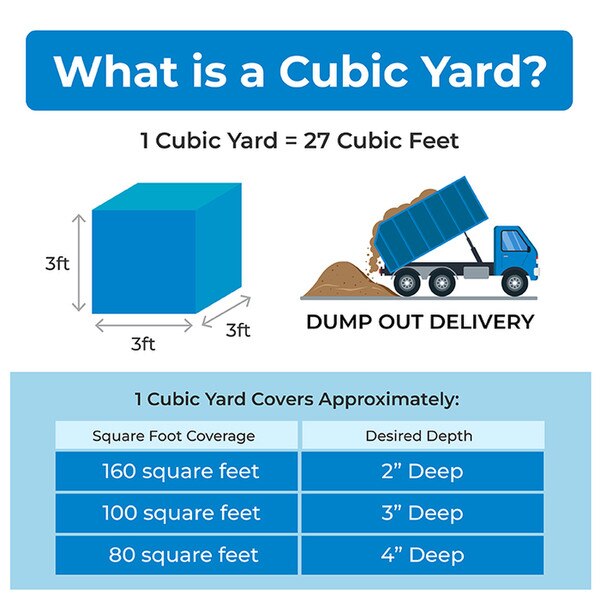
Image Source: www.cumminlandscapesupply.com
Deciphering the Cost of Sand: Key Factors
Buying sand might seem straightforward, but several elements contribute to the final sand price per cubic yard. Knowing these factors will help you make informed decisions and avoid unexpected expenses.
Types of Sand and Their Price Tags
Not all sand is created equal, and different types are suited for different purposes, each with its own price point.
-
Play Sand: This is typically clean, washed, and often rounded sand, making it safe and comfortable for children’s sandboxes. Its higher level of processing means it usually costs more than other basic sand types. The play sand price can be higher due to the cleaning and screening processes.
-
Landscaping Sand: This category is broad, but generally includes sand used for pathways, decorative elements, or improving soil drainage. The cost of sand for landscaping can vary greatly depending on the specific type, such as coarse sand for drainage or finer decorative sand.
-
Concrete Sand: This is a coarser, angular sand that provides strength and structure when mixed with cement and aggregate to make concrete. Its specific grain size and shape are crucial for concrete performance. The concrete sand cost is often based on its suitability for construction.
-
Contractor Sand: Often used for general construction purposes like base layers for patios, setting pavers, or filling voids. It’s typically a coarser, more readily available sand. The contractor sand cost generally falls in the mid-range, balancing quality and quantity.
-
Washed Sand: This sand has been processed to remove impurities like clay, silt, and organic matter. This makes it ideal for applications where cleanliness is paramount, such as in certain landscaping projects or concrete mixes where purity affects strength. Expect washed sand prices to be higher than unwashed varieties.
-
Decorative Sand: Used for aesthetic purposes in gardens, pathways, or even crafts. These can include colored sands, crushed stone sands, or sands with unique textures. Prices can be significantly higher due to aesthetic appeal and specialized processing.
Bulk vs. Bagged Sand: Quantity Matters
The way you purchase sand can significantly impact its cost.
-
Buying Sand in Bulk: This is almost always the most cost-effective option if you need a substantial amount of sand. When you buy sand in bulk, you’re typically purchasing it by the cubic yard or by the ton. Bulk pricing often means lower per-unit costs because you’re avoiding the packaging and handling associated with smaller bags. Bulk sand prices are attractive for large projects like extensive landscaping or new construction.
-
Bagged Sand: Sand sold in bags (usually 50 lb or 80 lb bags) is convenient for smaller projects. However, the per-pound or per-cubic-foot cost is significantly higher than buying in bulk. While convenient, it’s not economical for larger quantities.
Delivery Charges: The Hidden Cost
Don’t forget to factor in delivery costs, especially if you’re buying in bulk.
- Distance: The further you are from the sand supplier, the higher the delivery fee will likely be.
- Volume: Many suppliers have minimum order quantities for delivery, and larger loads might have different pricing structures.
- Site Accessibility: If your delivery site is difficult to access (e.g., narrow gates, steep slopes), there might be additional charges.
Location, Location, Location
Where you live plays a role in sand prices.
- Regional Availability: Sand is a natural resource, and its availability can vary by region. Areas with abundant local sand quarries may have lower prices.
- Market Demand: High demand in a specific area can also drive up prices.
Seasonal Demand
Like many landscaping materials, sand prices can fluctuate with the seasons. Demand often increases in spring and summer, potentially leading to slightly higher prices during peak gardening and construction periods.
Estimating Your Sand Needs
Before you can calculate the cost, you need to know how much sand you need. This is usually measured in cubic yards.
Calculating Volume
To calculate the volume of sand required, you’ll need to measure the dimensions of your project area.
-
For Rectangular Areas:
Volume (cubic yards) = (Length in feet × Width in feet × Depth in feet) / 27Example: If you need sand for a sandbox that is 8 feet long, 6 feet wide, and 1 foot deep:
Volume = (8 ft × 6 ft × 1 ft) / 27 = 48 cubic feet / 27 = approximately 1.78 cubic yards.
It’s wise to round up to ensure you have enough. -
For Circular Areas:
Radius = Diameter / 2
Area = π × Radius²
Volume (cubic yards) = (Area in square feet × Depth in feet) / 27Example: For a circular sandbox with a diameter of 8 feet (radius of 4 feet) and a depth of 1 foot:
Area = 3.14 × (4 ft)² = 3.14 × 16 sq ft = 50.24 sq ft
Volume = (50.24 sq ft × 1 ft) / 27 = approximately 1.86 cubic yards.
Always Buy a Little Extra
It’s a good rule of thumb to add about 10% to your calculated volume to account for settling and any slight inaccuracies in your measurements.
Average Sand Costs: A Breakdown
Let’s look at some typical price ranges for different types of sand per cubic yard. These are general estimates and can vary widely.
Typical Sand Price Per Cubic Yard Ranges
| Sand Type | Average Cost Per Cubic Yard | Notes |
|---|---|---|
| Play Sand | $30 – $80 | Cleaned, screened, and rounded for safety. |
| Landscaping Sand | $25 – $70 | Varies greatly by type (e.g., coarse, fine, decorative). |
| Concrete Sand | $20 – $50 | Coarse, angular for structural integrity. |
| Contractor Sand | $20 – $50 | General purpose, often coarser. |
| Washed Sand | $35 – $90 | Higher cost due to processing to remove impurities. |
| Decorative Sand | $50 – $150+ | Colored, textured, or specialty sands for aesthetic appeal. |
Bagged Sand Costs (Per 50 lb Bag)
If you’re buying smaller quantities, the cost per unit is much higher.
- Bagged Play Sand: $5 – $10 per 50 lb bag.
- Bagged All-Purpose Sand: $4 – $8 per 50 lb bag.
To convert this to a cubic yard estimate, consider that a cubic yard of sand weighs roughly 2700-3000 lbs. So, a 50 lb bag would be a small fraction of a cubic yard. This highlights why buying in bulk is more economical.
Comparing Sand vs. Gravel Costs
Often, projects might consider using either sand or gravel. It’s useful to compare their typical costs.
Gravel vs. Sand Cost
| Material | Typical Cost Per Cubic Yard | Common Uses |
|---|---|---|
| Sand | $20 – $100+ | Playgrounds, concrete, base layers, drainage, decorative. |
| Gravel | $30 – $80 | Driveways, pathways, drainage, decorative landscaping, base. |
Key Differences Affecting Cost:
- Processing: Washed and screened gravel often has higher costs, similar to washed sand.
- Source: The geological source and type of stone for gravel can impact pricing.
- Size and Shape: Different gravel sizes and crushed vs. rounded gravel will have varied prices.
Generally, basic concrete or contractor sand can be slightly cheaper than basic gravel on a per-cubic-yard basis, but the difference can be minimal depending on the specific types being compared. Decorative options for both materials can significantly increase costs.
Where to Buy Sand
Your choice of vendor can influence both price and quality.
Local Suppliers and Quarries
- Pros: Often the most cost-effective for bulk purchases, direct from the source, can offer various sand types.
- Cons: May require you to arrange your own pickup or delivery, potentially limited hours.
Garden Centers and Home Improvement Stores
- Pros: Convenient for small projects, sell bagged sand, knowledgeable staff.
- Cons: Higher prices per unit compared to bulk suppliers, limited selection of sand types.
Landscaping Supply Companies
- Pros: Wide variety of landscaping-specific sands, offer delivery services, knowledgeable about different applications.
- Cons: Can be more expensive than direct quarries, delivery fees apply.
Cost-Saving Tips for Buying Sand
Maximize your budget with these smart strategies.
Plan Your Project Meticulously
Having clear measurements and knowing the exact type of sand you need before you shop will prevent impulse buys or ordering the wrong material.
Buy in Bulk Whenever Possible
As mentioned, this is the most significant way to reduce your per-unit cost. If you don’t need a full truckload, consider pooling resources with a neighbor for a shared delivery.
Get Multiple Quotes
Don’t settle for the first price you hear. Contact several local suppliers, landscaping companies, and even quarries to compare their bulk sand prices and delivery fees.
Consider Sand Type Carefully
Do you really need highly processed, washed sand for your project? Sometimes, a coarser, less processed sand will suffice and be significantly cheaper. For example, basic contractor sand might be perfectly adequate for a paver base, making the higher cost of sand for landscaping with finer textures unnecessary.
Factor in Delivery
If delivery fees are high, consider if renting a truck and picking it up yourself is a viable option. This is usually only practical for smaller quantities and if you have a suitable vehicle.
Sand for Specific Projects: Cost Considerations
Let’s look at how the cost of sand applies to popular projects.
Cost of Sand for Landscaping
For landscaping, the landscaping sand cost depends heavily on its intended use.
- Pathway Base: Coarse, angular sand or crusher fines are ideal and generally more affordable.
- Soil Amendment: Fine sand or a sand/compost mix can improve drainage and aeration. The price will be influenced by the fineness and any blending.
- Decorative Top Dressing: Finer, lighter-colored sands or specialty decorative sands will be at the higher end of the price spectrum.
Cost for Play Sand
The play sand price is a significant consideration for families. Since safety and comfort are paramount, this sand is usually washed and screened to remove sharp objects and fine dust. This processing adds to the cost. For a standard backyard sandbox (e.g., 4×4 feet and 6 inches deep), you’d need about 0.3 cubic yards. If play sand averages $50 per cubic yard, this would be around $15-$20 for the sand itself, plus potential delivery or bag costs. Buying larger quantities from a bulk supplier might offer a better per-yard rate even for play sand.
Cost for Concrete Sand
When mixing concrete, the quality and type of sand are critical for strength and workability. Concrete sand cost is often tied to its grain size distribution and angularity. The sand constitutes a significant portion of the concrete mix by volume. For a small concrete project, like a sidewalk slab, you might need 0.5 to 1 cubic yard of concrete, which requires a proportion of concrete sand. The cost of the sand itself will be a fraction of the total concrete cost, but it’s a vital ingredient.
Frequently Asked Questions About Sand Costs
Q1: What is the cheapest type of sand to buy?
Generally, the cheapest sand types are unwashed, coarser sands like basic contractor sand or some types of concrete sand. These are readily available and require less processing.
Q2: Can I buy sand by the ton instead of the cubic yard?
Yes, many suppliers offer sand by the ton. A cubic yard of sand typically weighs between 2700 to 3000 pounds (1.35 to 1.5 tons), depending on the moisture content and density of the sand. It’s always best to clarify with your supplier whether they quote by volume or weight, and what their conversion rate is.
Q3: How much does delivery cost for a yard of sand?
Delivery costs vary widely but can range from $50 to $200 or more, depending on distance, volume, and accessibility. Always ask for a delivery quote upfront.
Q4: Is washed sand more expensive than unwashed sand?
Yes, washed sand prices are typically higher than unwashed sand because of the extra processing required to remove impurities like clay, silt, and organic matter.
Q5: What’s the difference between landscaping sand and play sand?
While both are used in outdoor settings, play sand is specifically processed to be clean, safe, and comfortable for children, often with rounded grains. Landscaping sand is a broader category and can include coarser or more angular sands used for drainage, pathways, or soil amendment, with varying levels of processing and different aesthetic qualities. The landscaping sand cost can therefore be more variable.
Q6: How much sand do I need for a small patio base?
For a small patio base, you’ll typically need to excavate the area to a depth of 4-6 inches. Calculate the volume based on your patio’s length and width, and the desired depth. For a 10×10 foot patio with a 4-inch base, you would need about 1.25 cubic yards of sand (10 x 10 x 0.33 / 27).
Q7: Is it cheaper to buy sand in bags or in bulk?
It is almost always cheaper to buy sand in bulk if you need more than a few bags. The per-unit cost is significantly lower when purchasing by the cubic yard or ton from a bulk supplier.
Conclusion
The cost of a yard of sand is not a fixed number but rather a flexible figure influenced by type, quantity, source, and delivery. By carefully planning your project, measuring your needs accurately, and comparing prices from various suppliers, you can ensure you get the best value for your money. Whether you’re building a new sandbox, enhancing your garden, or pouring a concrete foundation, knowing these cost factors will help you budget effectively and achieve your project goals. Remember to always ask for detailed quotes and inquire about any additional fees to avoid surprises.