
Can you stop flooding in your yard? Yes, you can significantly reduce or eliminate yard flooding with the right strategies and solutions. This guide provides expert advice on how to tackle waterlogged lawns and soggy gardens, ensuring a healthier and more usable outdoor space.
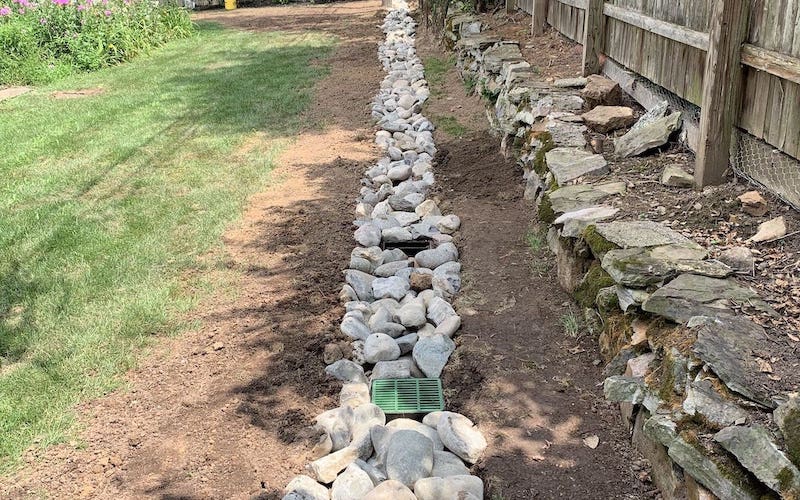
Image Source: hydroscapespa.com
Why Does Yard Flooding Happen?
Yard flooding is a common and frustrating problem. It occurs when the amount of water falling on your property exceeds the ground’s ability to absorb and drain it away. This can be due to a variety of factors, often working in combination.
Common Causes of Yard Flooding
- Heavy Rainfall: Intense storms and prolonged rainy periods can overwhelm even well-draining soil.
- Poor Soil Drainage: Some soil types, like heavy clay, hold a lot of water and drain very slowly.
- Compacted Soil: When soil becomes hard and dense, water has trouble penetrating it, leading to surface runoff.
- Improper Grading: If your yard slopes towards your house or other structures, water will naturally collect in these low spots.
- Blocked Gutters and Downspouts: Clogged gutters can overflow, sending large volumes of water directly to your foundation or yard.
- Roof Runoff: Water channeled from your roof through downspouts can concentrate in specific areas.
- High Water Table: In some areas, the natural groundwater level is very high, making it difficult for surface water to drain.
- Lack of Vegetation: Bare soil erodes easily and doesn’t absorb water as well as areas with healthy plants.
- Over-watering: Watering your lawn or garden too much can also contribute to waterlogged conditions.
Key Strategies for Yard Drainage
Stopping yard flooding involves a multi-pronged approach. We’ll explore various methods, from simple fixes to more complex drainage systems, to help you manage water management effectively.
1. Improve Surface Grading
Grading for drainage is fundamental. The slope of your land dictates where water flows. You want your yard to gently slope away from your house and any other buildings.
How Grading Works
- Positive Slope: Ensure your lawn slopes away from your foundation at a rate of at least 1 inch per foot for the first 6 feet.
- Low Spots: Identify and fill low-lying areas that collect water. Use compacted soil to create a gradual slope.
- Professional Assessment: For significant grading issues, consult a landscape architect or a drainage specialist. They can assess your property’s contours and recommend the best solutions.
2. Manage Roof Water
Your roof collects a vast amount of water. How you handle this runoff is crucial for preventing yard flooding.
Downspout Extensions
- Purpose: Downspout extensions direct water from your roof gutters away from your foundation and living areas.
- Length: Aim for extensions that carry water at least 5-10 feet away from your house.
- Types: Flexible, rigid, and underground extensions are available. Underground pipes can be discreet but require careful installation to avoid clogs.
- End Treatment: Ensure the end of the extension is in an area where water can drain away freely, perhaps a lower part of your yard or a storm drain.
Gutter Maintenance
- Cleaning: Regularly clean your gutters and downspouts to remove leaves, twigs, and debris that can cause blockages.
- Gutter Guards: Install gutter guards to minimize the amount of debris that enters your gutters.
3. Install Drainage Systems
For persistent or severe flooding, dedicated drainage systems are often necessary. These systems are designed to collect and redirect excess water.
French Drain Installation
- What is it? A french drain installation involves digging a trench, filling it with gravel, and laying a perforated pipe. This pipe collects groundwater and surface water and channels it away from problematic areas.
- How it works: Water seeps into the gravel and pipe, then flows through the pipe to a discharge point, such as a lower section of your yard, a dry well, or a storm drain.
- Installation Steps:
- Plan the Trench: Determine the best route for the trench, typically from the wet area to a suitable drainage point.
- Dig the Trench: Dig a trench about 12-24 inches deep and 12-18 inches wide. Ensure a slight slope towards the discharge point (about 1 inch per 10 feet).
- Add Filter Fabric: Line the trench with landscape fabric to prevent soil from clogging the system.
- Add Gravel: Fill the bottom of the trench with 4-6 inches of clean gravel.
- Lay the Pipe: Place the perforated drainpipe on top of the gravel, ensuring the perforations face downwards.
- Add More Gravel: Cover the pipe with another 6-12 inches of gravel, then fold the filter fabric over the top.
- Cover: Backfill the remaining trench with soil and replant grass or other ground cover.
Swale Construction
- What is it? A swale is a shallow, broad, man-made channel designed to slow down, collect, and absorb rainwater or redirect it. Swale construction is an effective way to manage surface runoff.
- How it works: Swales act like natural drainage ditches but are often gentler and more aesthetically pleasing. They capture water from surrounding areas, allowing it to infiltrate the soil or directing it to a specific outlet.
- Benefits: They can reduce erosion, improve groundwater recharge, and filter pollutants.
- Design: Swales should be wide and shallow with gentle slopes. Planting grass or other vegetation helps prevent erosion and enhances absorption.
Dry Wells
- Purpose: A dry well is an underground pit filled with gravel or stone, designed to collect and absorb surface water or water from drainage systems.
- How it works: Water flows into the dry well and slowly infiltrates into the surrounding soil.
- Installation: Dig a hole, line it with filter fabric, fill it with gravel, and connect drainage pipes to it.
Sump Pump Solutions
- When to Use: Sump pump solutions are typically used for basements or crawl spaces that flood, but they can also be part of an exterior drainage system if water is collected in a pit or basin.
- How it works: A sump pump automatically pumps water out of a collection pit when the water level rises above a certain point.
- Exterior Application: For yard flooding, a sump pit can be installed in the lowest part of the yard, connected to a drainage system, and the pump will discharge the collected water away from the property.
4. Enhance Soil Health and Absorption
The ability of your soil to soak up water is critical. Improving soil health can make a big difference.
Aeration
- Purpose: Aerating your lawn creates small holes in the soil, allowing air, water, and nutrients to penetrate more easily.
- How to do it: Use a manual aerator or a power core aerator.
- Frequency: Aerate at least once a year, especially if you have compacted soil.
Add Organic Matter
- Benefits: Composting and adding organic matter to your soil improves its structure and increases its ability to absorb and retain moisture without becoming waterlogged.
- How to do it: Top-dress your lawn and garden beds with compost or well-rotted manure.
5. Implement Rain Gardens
Rain garden benefits are numerous, making them an excellent sustainable solution for managing stormwater.
What is a Rain Garden?
A rain garden is a shallow, planted depression designed to capture and absorb rainwater runoff from roofs, driveways, and other impervious surfaces. They are typically located in low-lying areas of the yard.
How Rain Gardens Work
- Collection: They intercept runoff before it can cause flooding or enter storm drains.
- Infiltration: The soil and plants in the rain garden absorb the water.
- Filtration: Plants and soil help filter out pollutants from the water.
Designing and Installing a Rain Garden
- Location: Choose a spot that naturally collects water, ideally 10-20 feet from your foundation.
- Size and Shape: The size depends on the amount of runoff you need to manage. The shape can be organic or formal.
- Excavation: Dig a shallow basin, typically 4-8 inches deep, with gently sloping sides.
- Soil Mixture: Amend the soil with compost and sand to improve drainage.
- Plant Selection: Choose native, water-tolerant plants that can handle both wet and dry conditions. Examples include coneflowers, hostas, sedges, and irises.
- Mulching: Apply a layer of mulch to retain moisture and suppress weeds.
6. Use Permeable Paving
Permeable paving allows water to pass through it into the ground beneath, rather than running off.
Types of Permeable Paving
- Permeable Pavers: These are specially designed interlocking concrete or stone pavers with gaps that are filled with gravel or sand, allowing water to drain.
- Porous Asphalt/Concrete: These materials contain more voids than traditional asphalt or concrete, enabling water to seep through.
- Gravel: While simple, gravel surfaces can be effective for pathways and driveways, allowing good drainage.
Benefits of Permeable Paving
- Reduces Runoff: Significantly lowers the amount of water flowing across your property.
- Recharges Groundwater: Allows water to replenish underground aquifers.
- Filters Water: Helps remove pollutants from stormwater.
- Reduces Erosion: Prevents surface erosion associated with paved areas.
7. Consider Retaining Walls for Erosion Control
In sloped yards, retaining wall erosion control can be vital.
Purpose of Retaining Walls
- Stabilize Slopes: Retaining walls hold back soil on sloped areas, preventing erosion and landslides.
- Create Terraces: They can create level areas in a sloped yard, which are easier to manage and less prone to water runoff issues.
- Manage Water Flow: Strategically placed retaining walls can help direct water flow away from vulnerable areas.
Drainage Behind Retaining Walls
- Crucial Element: It’s essential to incorporate proper drainage behind retaining walls. Without it, hydrostatic pressure from trapped water can cause the wall to fail.
- Installation:
- Drainage Pipe: Lay a perforated drainpipe at the base of the wall, surrounded by gravel.
- Gravel Backfill: Use gravel as backfill behind the wall to allow water to drain towards the pipe.
- Filter Fabric: Place filter fabric between the soil and the gravel to prevent clogging.
- Weep Holes: Some retaining walls incorporate weep holes or open joints to allow water to escape.
Table: Common Yard Flooding Problems and Solutions
| Problem Area | Common Causes | Recommended Solutions |
|---|---|---|
| General Yard Saturation | Heavy rain, poor soil drainage, compacted soil | Aeration, adding organic matter, grading improvements, french drains, rain gardens |
| Water Pooling near House | Improper grading, clogged gutters, downspouts too short | Regrading away from the foundation, clean gutters, install downspout extensions |
| Soggy Lawn | Heavy clay soil, poor aeration, over-watering | Aeration, compost top-dressing, reduce watering, consider drainage solutions |
| Erosion on Slopes | Heavy rain, lack of vegetation, steep grades | Retaining walls, planting ground cover, swales, check dams |
| Basement/Crawl Space Flooding | High water table, foundation cracks, poor exterior drainage | Sump pump solutions, foundation waterproofing, perimeter drain tiles, improved grading |
| Driveways/Walkways Overflowing | Impermeable surfaces, heavy rain | Permeable paving, downspout extensions directed away, swales |
Advanced Drainage Techniques
Beyond the basics, several advanced techniques can further enhance your yard’s water management.
Hydroseeding for Erosion Control
Hydroseeding involves spraying a mixture of seed, mulch, fertilizer, and a binding agent onto the soil. This method is excellent for establishing vegetation quickly on slopes or bare areas, helping to bind the soil and absorb water, thus aiding in retaining wall erosion control if used on slopes stabilized by walls.
Bioswales
Similar to swales, bioswales are landscaped channels designed to capture, convey, and treat stormwater runoff. They often contain engineered soil and specific plant species to maximize pollutant removal and infiltration.
Geotextiles and Drainage Mats
These materials can be incorporated into landscaping projects to improve drainage and prevent soil erosion. Geotextiles are permeable fabrics that filter soil and prevent clogging, while drainage mats provide a pathway for water to flow away.
Maintaining Your Drainage Systems
Once you’ve implemented solutions, regular maintenance is key to ensuring their effectiveness.
Regular Inspections
- Gutter and Downspouts: Check for clogs, damage, and proper function at least twice a year.
- Drainage Ditches and Swales: Remove any accumulated debris that could impede water flow.
- Rain Gardens: Remove weeds and ensure plants are healthy.
- French Drains: Check discharge points for blockages.
- Sump Pumps: Test the pump periodically, especially before rainy seasons.
Seasonal Tasks
- Fall: Clean gutters and downspouts thoroughly.
- Spring: Inspect all drainage systems for winter damage.
- Throughout the Year: Monitor areas prone to flooding after heavy rains and address any new issues promptly.
Frequently Asked Questions (FAQ)
Q1: What is the best time of year to install drainage solutions?
The best time is usually during dry periods when the ground is not saturated, making excavation easier and less disruptive. Late spring or early fall are often ideal.
Q2: Can I install a french drain myself?
Yes, a french drain installation is a DIY-friendly project for those with some landscaping experience. However, for complex or extensive systems, hiring a professional is recommended.
Q3: How much does it cost to fix yard flooding?
Costs vary widely depending on the severity of the problem and the solutions implemented. Simple solutions like downspout extensions might cost under $100, while installing a comprehensive drainage system can range from hundreds to thousands of dollars.
Q4: Who is responsible for drainage issues on my property line?
Generally, you are responsible for managing water runoff on your property. However, if the flooding is caused by an upstream neighbor’s actions or a municipal issue, you may need to consult local regulations or authorities.
Q5: How deep should a french drain be?
A typical french drain is 12 to 24 inches deep, with the perforated pipe placed at the bottom and surrounded by gravel. The depth is determined by the specific drainage needs and the local water table.
Q6: How do I know if my yard needs grading?
If you notice water consistently pooling in certain areas, flowing towards your house, or causing erosion, your yard likely needs grading for better drainage.
By implementing these expert strategies and solutions, you can effectively manage water management in your yard, preventing flooding and creating a healthier, more enjoyable outdoor environment. Remember that a combination of methods often yields the best results.