
Are you constantly swatting at tiny bloodsuckers in your own backyard? If your yard seems to be a haven for mosquitoes, you’re not alone. Many factors contribute to an overabundance of these buzzing pests. The primary reasons for a mosquito infestation in your yard are the presence of standing water, which serves as mosquito breeding sites, and insufficient mosquito prevention tips being implemented.
This article will delve into the common culprits behind a mosquito-filled yard and equip you with effective backyard mosquito solutions. We’ll cover everything from identifying mosquito breeding sites to implementing larval control and adult mosquito control strategies. Whether you’re looking for DIY methods or considering professional help from pest control services, you’ll find comprehensive guidance here.
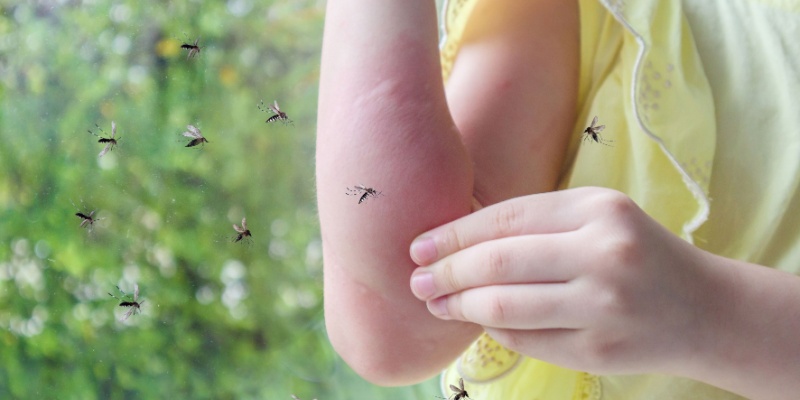
Image Source: triopestcontrol.com
The Root of the Problem: Where Mosquitoes Come From
Mosquitoes are more than just a nuisance; they can transmit diseases. Their life cycle, from egg to adult, is intricately linked to water. Understanding this cycle is the first step in effective outdoor pest management.
The Mosquito Life Cycle: A Closer Look
Mosquitoes undergo complete metamorphosis, meaning they have four distinct stages: egg, larva, pupa, and adult.
- Egg: Female mosquitoes lay eggs in or near water. Some species lay eggs on the water’s surface in rafts, while others lay them individually on damp soil that will later flood.
- Larva (Wriggler): Once the eggs hatch, they become larvae. Larvae live in water and breathe air through a siphon tube that extends to the surface. They feed on organic matter in the water. This is a critical stage for larval control.
- Pupa (Tumbler): The larvae then develop into pupae. Pupae also live in water and breathe air. They do not feed during this stage but are very active, hence the name “tumbler.”
- Adult: Finally, the adult mosquito emerges from the pupal skin at the water’s surface. Adult mosquitoes are the ones we see and swat at, and only the females bite humans and animals for blood, which they need to produce eggs.
Identifying Mosquito Breeding Sites
The most significant factor in mosquito populations is readily available water for them to lay eggs. These mosquito breeding sites can be found in the most unexpected places around your home.
Common Sources of Standing Water
Even small amounts of water can be enough for mosquitoes to breed. It’s crucial to regularly inspect your property for these common culprits:
- Containers: Flowerpot saucers, old tires, buckets, birdbaths, clogged gutters, tarps that collect water, and children’s toys left outside are prime breeding grounds.
- Natural Water Bodies: Ponds, puddles, marshes, and slow-moving streams can be significant breeding areas, especially if they have vegetation along the edges where larvae can hide.
- Man-made Structures: Unused swimming pools, wading pools, rain barrels, and even pet water bowls left outside can harbor mosquito larvae.
- Vegetation: Overgrown grass and dense shrubs can hold moisture and provide resting places for adult mosquitoes.
How Much Water is Too Much?
A mere thimbleful of standing water is enough for some mosquito species to complete their life cycle. Many species can go from egg to adult in as little as a week under favorable conditions. This highlights the importance of timely stagnant water removal.
Tackling the Problem: Effective Backyard Mosquito Solutions
Once you’ve identified the sources of mosquitoes, you can implement targeted strategies for mosquito prevention tips and control. These solutions focus on both eliminating breeding grounds and reducing the adult mosquito population.
Step 1: Eliminating Mosquito Breeding Sites (Larval Control)
The most effective way to combat mosquitoes is to stop them before they become flying pests. This involves stagnant water removal and targeted larval control.
Comprehensive Water Audit of Your Yard
Conduct a thorough inspection of your property, looking for any item that can hold water. Walk around your house, garage, and yard. Don’t forget to check:
- Gutters: Clogged gutters are notorious for collecting water. Clean them out regularly, especially after rain.
- Tires: Old tires are perfect for collecting rainwater and are often overlooked. Dispose of them properly or drill drainage holes in them if they must remain outside.
- Flowerpots and Saucers: Empty water from saucers after watering plants.
- Children’s Toys: Store toys indoors or upside down when not in use.
- Pools and Spas: Ensure unused pools and spas are properly drained or covered. Even a small amount of water in a kiddie pool can be a problem.
- Birdbaths: Change the water in birdbaths at least twice a week.
- Pet Water Bowls: Clean and refill pet water bowls daily.
- Tarps and Covers: Ensure tarps on grills, furniture, or boats are taut and have no depressions where water can collect.
- Rain Barrels: If you use rain barrels, make sure they are screened to prevent mosquitoes from entering and laying eggs.
Managing Larger Water Features
For natural or semi-permanent water features like ponds, consider these options:
- Keep Water Moving: Mosquitoes prefer still water. If you have a pond, add a pump or aerator to keep the water circulating.
- Introduce Mosquito-Eating Fish: Fish like mosquitofish (Gambusia affinis) or guppies can be introduced into ponds to eat mosquito larvae. Ensure these are legal and appropriate for your local ecosystem.
- Larvicides: For water that cannot be drained or circulated, use larvicides. These are products that kill mosquito larvae before they can mature into adults. Look for products containing:
- Bacillus thuringiensis israelensis (Bti): A naturally occurring bacterium that is toxic to mosquito larvae but harmless to other wildlife, pets, and humans. It’s often sold as “mosquito dunks” or granules.
- Methoprene: An insect growth regulator that prevents larvae from developing into adult mosquitoes.
Step 2: Targeting Adult Mosquitoes (Adult Mosquito Control)
While eliminating breeding grounds is paramount, you may also need to address the adult mosquitoes already present.
Personal Protection: Keeping Bites at Bay
When you’re outdoors, protecting yourself is key.
- Insect Repellents: Use EPA-registered insect repellents containing DEET, picaridin, oil of lemon eucalyptus, or IR3535. Apply them to exposed skin and clothing according to product instructions.
- Protective Clothing: Wear long sleeves, long pants, and socks, especially during dawn and dusk when mosquitoes are most active. Light-colored clothing is less attractive to mosquitoes.
- Fans: Mosquitoes are weak flyers. Using fans on patios or decks can create enough airflow to keep them away.
Backyard Mosquito Solutions: Environmental Control
These methods aim to reduce the adult mosquito population in your yard.
- Mosquito Traps: Various traps attract and kill mosquitoes. Some use CO2 and heat to mimic human breath, while others use UV light and attractants.
- Yard Sprays and Foggers: These products kill adult mosquitoes on contact. However, they can also harm beneficial insects like bees and butterflies. Use them sparingly and strategically, focusing on areas where mosquitoes rest, such as dense shrubs and shaded areas. Always follow label instructions carefully.
- Yard Treatments: Some services offer regular spraying of your yard to reduce mosquito populations. This can be an effective outdoor pest management strategy, but it’s important to choose a service that uses methods with minimal impact on beneficial insects.
Step 3: Professional Help: When to Call Pest Control Services
If you’ve tried various methods and are still overwhelmed by mosquitoes, it might be time to consider professional assistance.
Benefits of Professional Pest Control Services
- Expertise: Professionals have the knowledge to identify specific mosquito species and their breeding habits, leading to more targeted and effective control.
- Advanced Treatments: They have access to professional-grade products and equipment that may be more potent or efficient than over-the-counter options.
- Comprehensive Strategy: Pest control services can develop a customized outdoor pest management plan that includes monitoring, treatment, and ongoing prevention.
- Safety: Professionals are trained in the safe application of pesticides, minimizing risks to humans, pets, and the environment.
What to Look for in a Mosquito Control Service
- Integrated Pest Management (IPM): Choose a company that utilizes IPM principles, which prioritize eliminating breeding grounds and using targeted treatments only when necessary.
- Licensed and Insured: Ensure the company is licensed by your state and carries liability insurance.
- Clear Communication: They should clearly explain their methods, the products they use, and the expected outcomes.
- Focus on Prevention: A good service will not only treat the problem but also educate you on mosquito prevention tips to reduce future infestations.
Mosquito Prevention Tips: Long-Term Strategies
Consistent effort in mosquito prevention tips is key to keeping your yard enjoyable.
Seasonal Vigilance
Mosquito activity varies with the seasons. Be extra vigilant during warmer months when temperatures are conducive to breeding.
Maintaining Your Yard
A well-maintained yard is less hospitable to mosquitoes.
- Mow Regularly: Keep your lawn mowed. Tall grass and weeds provide shade and resting places for adult mosquitoes.
- Trim Bushes and Shrubs: Trim vegetation, especially around the foundation of your house and seating areas.
- Keep Gutters Clear: As mentioned, this is crucial.
- Proper Drainage: Ensure your yard has good drainage to prevent puddles from forming after rain.
Community Efforts
Mosquitoes don’t respect property lines. Engaging with your neighbors on outdoor pest management can amplify your efforts.
- Neighborhood Watch: Encourage neighbors to eliminate standing water on their properties.
- Shared Responsibility: If there’s a community pond or park that is a major breeding ground, work with local authorities or homeowner associations to address it.
Frequently Asked Questions About Backyard Mosquitoes
Here are some common questions people have about dealing with mosquitoes in their yards.
Q1: How can I get rid of mosquitoes in my yard immediately?
For immediate relief, focus on killing adult mosquitoes. Use EPA-approved mosquito sprays or foggers that are labeled for adult mosquito control. You can also use mosquito traps that attract and kill them. However, remember that these are temporary fixes. The most effective long-term solution is eliminating standing water and mosquito breeding sites.
Q2: Can I just ignore mosquitoes?
Ignoring mosquitoes is not advisable due to the discomfort they cause and the potential for disease transmission. Mosquitoes can carry viruses like West Nile virus, Zika virus, and Eastern Equine Encephalitis (EEE), though the risk varies by region. Consistent mosquito prevention tips are essential for a healthy outdoor environment.
Q3: Are natural mosquito repellents effective?
Some natural repellents, like those containing oil of lemon eucalyptus, are EPA-registered and proven effective. Others, such as citronella candles or essential oils applied directly to the skin, may offer some short-term, localized protection, but their effectiveness and duration are generally less reliable than EPA-registered repellents. Always check the EPA registration for scientifically backed products.
Q4: How often should I check for standing water?
You should check for standing water at least once a week, and especially after rainfall. This consistent inspection is a core part of effective mosquito prevention tips.
Q5: What is the best time of day to treat my yard for adult mosquitoes?
The best time to treat for adult mosquitoes is typically at dawn or dusk. This is when mosquitoes are most active, and it also minimizes the risk to beneficial insects like pollinators, which are less active during these cooler hours. Always follow product label instructions for application times.
Conclusion: A Mosquito-Free Backyard Awaits
Dealing with a mosquito infestation requires a multi-pronged approach. By diligently eliminating standing water, understanding mosquito breeding sites, and implementing effective larval control and adult mosquito control strategies, you can significantly reduce the mosquito population in your yard. Remember that consistent mosquito prevention tips are the most powerful tool in your arsenal for long-term success in outdoor pest management.
Whether you choose to tackle the problem yourself with detailed backyard mosquito solutions or enlist the help of pest control services, the goal is to reclaim your outdoor space. With a little effort and the right knowledge, you can enjoy your yard without the constant buzz and bite of mosquitoes.