
So, you’ve spotted a possum in your yard. What’s going on? Usually, a possum is in your yard because it’s found a food source or shelter. Possums are common backyard wildlife and are generally harmless to humans and pets when left alone.
This guide will delve into the reasons behind possum visits, how to safely encourage them to move on, and how to prevent future encounters. We’ll explore possum behavior, effective possum control methods, and humane pest removal techniques.
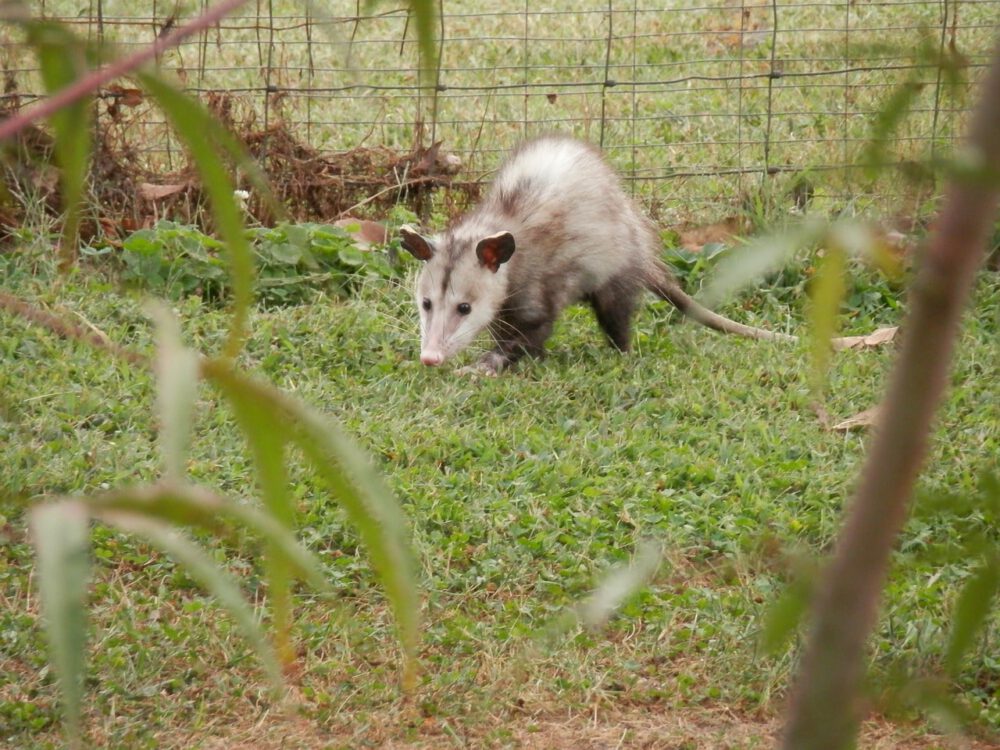
Image Source: covenantwildlife.com
Deciphering Possum Attraction: What Draws Them In?
Possums are opportunistic eaters and are always on the lookout for their next meal. Your yard might be a buffet for them.
Food Sources in Your Yard
What might a possum be munching on?
- Garbage Cans: Open or easily accessible trash cans are a treasure trove for possums. They’ll happily rummage through leftovers and discarded food.
- Pet Food: Food left out for dogs or cats can be a significant draw. Possums are not picky eaters and will take advantage of this readily available meal.
- Fallen Fruit: If you have fruit trees, fallen fruit on the ground is a favorite snack.
- Bird Feeders: Spilled birdseed or whole feeders can attract possums, especially those with nuts or seeds.
- Insects and Grubs: Possums eat a variety of insects, including beetles, caterpillars, and earthworms. Yards with plenty of these can be inviting.
- Small Animals: They may also prey on small, slow-moving creatures like snails, slugs, mice, and even unattended small pets like baby chicks or ducklings.
Shelter Opportunities
Besides food, possums need a safe place to rest and raise their young. They are nocturnal animals, meaning they are most active at night.
- Dense Vegetation: Thick bushes, overgrown areas, or brush piles provide excellent cover.
- Sheds and Garages: Unsecured sheds, garages, or outbuildings offer dark, quiet spaces.
- Under Decks and Porches: These areas create a protected environment away from predators and the elements.
- Hollow Logs or Tree Cavities: Natural shelters are always a plus for these marsupials.
- Crawl Spaces: Access to your home’s crawl space can be a dream shelter for a possum.
Interpreting Possum Behavior
Possums are shy and typically avoid confrontation. They are also quite unique in their defense mechanisms.
The Art of Playing Dead
When threatened, a possum’s primary defense is to play dead. This isn’t a voluntary action; it’s an involuntary response to extreme fear. Their body goes limp, they emit a foul-smelling fluid from their anal glands, and they may even drool or twitch. This can deter predators who are looking for live prey.
Nocturnal Habits
As nocturnal animals, possums are most active during the night. You’ll likely see them foraging for food or moving from one shelter to another after dusk. During the day, they usually sleep in a safe, secluded spot.
Solitary Nature
Possums are generally solitary creatures, except during mating season or when a mother is with her young. You are unlikely to find large groups of them together.
Gentle Nature
Despite their somewhat primitive appearance, possums are quite gentle. They rarely cause damage unless they are seeking shelter or food within your home. Their claws are not as sharp as a cat’s, and their bite is not particularly powerful.
Possum Control: Strategies for Removal
If you’ve decided you need to remove a possum from your yard, it’s essential to do so safely and humanely.
Humane Trapping and Relocation
This is a common method for possum removal, but it has its nuances.
Types of Traps
- Live Cage Traps: These are humane traps that capture the animal without harming it. They are typically made of wire mesh with a spring-loaded door that closes when the animal triggers a plate inside.
- Baiting the Trap: Use strong-smelling foods like canned cat food, ripe fruit, or peanut butter. Place the bait at the back of the trap.
Trapping Do’s and Don’ts
- Do: Check the trap frequently, at least twice a day, to avoid stressing the animal.
- Do: Wear gloves when handling the trap and the possum to avoid bites or the transfer of diseases.
- Don’t: Leave the trap in direct sunlight or extreme weather conditions.
- Don’t: Relocate the possum too far, as it may not survive in an unfamiliar territory. Check local regulations for relocation distances and legality.
Encouraging Natural Departure
Sometimes, the best approach is to make your yard less appealing.
- Remove Food Sources: This is the most critical step. Secure all garbage cans with tight-fitting lids. Do not leave pet food outside overnight. Clean up fallen fruit promptly.
- Eliminate Water Sources: Fix leaky outdoor faucets and ensure there’s no standing water.
- Seal Entry Points: Inspect your home for any openings that could allow a possum to get into crawl spaces or attics. Seal these with sturdy materials.
Possum Deterrents: Keeping Them Away
Once a possum has visited, you’ll want to implement strategies to prevent them from returning. These are effective animal deterrence methods.
Scent and Taste Deterrents
Possums have a strong sense of smell, and certain scents can be off-putting.
- Ammonia: Soak rags in ammonia and place them around areas where possums are seen. The ammonia smell can mimic the scent of a predator.
- Mothballs: While effective, mothballs can be toxic to pets and children, so use them with extreme caution and in areas inaccessible to them.
- Cayenne Pepper: Sprinkle cayenne pepper around garden beds or entry points. They dislike the spicy sensation.
- Predator Urine: Products made from fox or coyote urine can be sprinkled around your yard.
Auditory and Visual Deterrents
Noise and movement can also deter possums.
- Motion-Activated Sprinklers: These devices spray a burst of water when they detect movement, startling the possum and encouraging it to leave.
- Ultrasonic Devices: These emit high-frequency sounds that are unpleasant for possums but typically inaudible to humans and pets.
- Bright Lights: Possums are nocturnal and prefer the dark. Bright, motion-activated lights can make them feel exposed and uncomfortable.
- Wind Chimes or Noisy Objects: Sudden noises can startle them.
Yard Maintenance for Deterrence
Keeping your yard tidy is a powerful possum deterrent.
- Trim Bushes and Overhangs: Reduce hiding places and potential shelter spots by keeping vegetation trimmed and branches from touching your house.
- Clear Debris: Remove brush piles, old lumber, and other debris where possums might find shelter.
- Secure Compost Piles: If you have a compost pile, ensure it is securely enclosed.
Repellents for Gardens
Protecting your garden from possums is important for many gardeners.
- Planting Repellent Plants: Some plants are naturally disliked by possums, such as castor bean (highly toxic, use with extreme caution), garlic, and onions.
- Netting: For fruit trees or vegetable gardens, consider using fine netting to protect plants, especially during fruiting season.
Common Backyard Wildlife and Possum Interactions
Your yard is likely home to various creatures. Understanding how possums fit into this ecosystem is key to coexisting.
Possums and Rodent Control
While possums are not rodents, they do sometimes eat small rodents like mice and rats. This can be seen as a benefit for some homeowners. They can be part of natural rodent control.
Possums and Pets
Possums generally avoid dogs and cats. However, if cornered or provoked, a possum can defend itself, potentially scratching or biting a pet. It’s best to supervise pets when they are outdoors, especially at night.
Possums and Birds
Possums can be a threat to ground-nesting birds or raid bird feeders. Securing bird feeders and avoiding ground-level nesting opportunities can help protect bird populations.
Frequently Asked Questions About Possums
Here are answers to some common questions homeowners have about possums.
What diseases do possums carry?
Possums can carry diseases like leptospirosis, but the risk of transmission to humans or pets is generally low. Rabies is extremely rare in possums, as they have a lower body temperature that doesn’t support the virus well. The biggest risk is usually from bites if they feel threatened.
Are possums aggressive?
No, possums are not aggressive animals. They are very timid and will try to escape or play dead rather than fight. They only bite if they feel cornered or threatened.
Can possums damage my house?
Possums typically don’t cause structural damage to a house. However, if they get into an attic or crawl space, they might tear up insulation for nesting material or create a mess with their droppings.
Should I call a professional for possum removal?
If you are uncomfortable handling traps or dealing with wildlife, or if the possum is trapped inside your home, it’s best to call a professional wildlife removal service. They have the expertise and equipment for humane pest removal.
Are possums beneficial?
Yes, possums can be beneficial to your yard. They eat insects, slugs, snails, and even ticks, which can help reduce the pest population.
Conclusion: Living Harmoniously with Yard Wildlife
Spotting a possum in your yard is a normal occurrence in many areas. By understanding their behavior and what attracts them, you can implement effective possum control and possum deterrent strategies. Prioritizing humane pest removal and maintaining a tidy yard will help ensure that these interesting nocturnal animals remain a part of the natural environment without becoming a nuisance to your home. Remember, a little effort in deterring them can go a long way in maintaining a peaceful coexistence with common backyard wildlife.