
Can you have a possum in your yard? Yes, it’s quite common to find a possum in your yard, especially if you live in an area where they are native or have established themselves.
A possum gracing your yard with its presence might initially cause alarm or curiosity. These marsupials, often misunderstood, are a natural part of many ecosystems. Discovering a possum in your garden isn’t usually cause for panic, but rather an invitation to learn more about these fascinating creatures and their motivations for visiting your outdoor space. Let’s delve into the common reasons why a possum might be making your yard its temporary home.
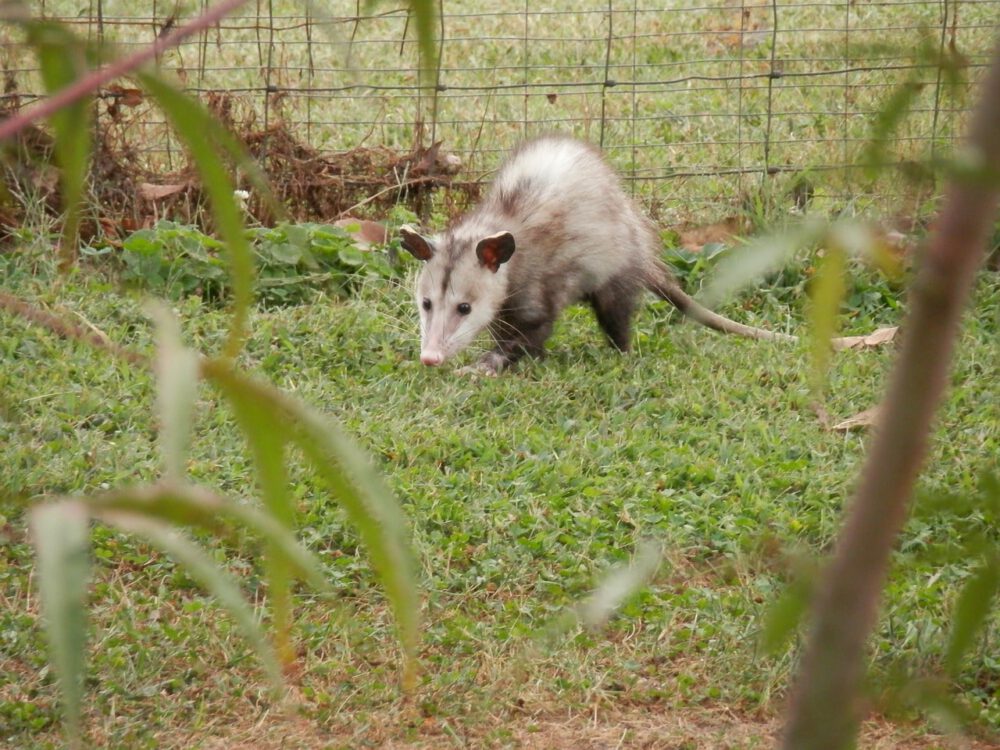
Image Source: covenantwildlife.com
Fathoming Possum Presence: The Primary Drivers
Several key factors influence why you might spot a possum around your property. These reasons for possums are generally linked to their fundamental needs: food, water, shelter, and safety.
The Allure of Food: A Possum’s Delight
The most significant draw for any wild animal, including possums, is a readily available food source. Possums are opportunistic omnivores with a diverse opossum diet. This means they will eat almost anything they can get their paws on.
What Do Possums Eat?
- Insects and invertebrates: Grubs, beetles, cockroaches, slugs, snails, earthworms.
- Small vertebrates: Rodents, frogs, small snakes (even venomous ones, as they are resistant to many snake venoms), bird eggs, and nestlings.
- Fruits and vegetables: Berries, apples, grapes, melons, leafy greens, corn. They are particularly fond of fallen fruit.
- Carrion: Dead animals, which makes them efficient natural scavengers.
- Pet food: Unsecured dog or cat food left outdoors is a major attractant.
- Garbage: Open or easily accessible garbage cans are a smorgasbord for possums.
If your yard offers any of these delicacies, it’s like an open invitation for a possum. Even a small amount of spilled birdseed or a fallen apple can be enough to entice them.
Seeking Shelter: The Need for a Safe Haven
Beyond food, possums are always on the lookout for safe and secure places to rest, sleep, and raise their young. Their natural possum habitat includes wooded areas, dense brush, and overgrown gardens. However, they are adaptable and will readily utilize man-made structures if they provide suitable conditions.
Ideal Possum Hideouts
- Under sheds and decks: These areas offer protection from predators and the elements.
- In garages and outbuildings: If accessible, these can become favored resting spots.
- In hollow logs or tree cavities: Their preferred natural shelters.
- In dense, undisturbed vegetation: Overgrown bushes, thick ivy, or brush piles provide excellent cover.
- Attics and crawl spaces: While less ideal for humans, these can offer a warm, dry, and protected environment for a possum.
If your property offers an easily accessible, sheltered, and relatively undisturbed location, a possum might decide to set up a temporary residence.
The Quest for Water: Hydration Needs
Like all living creatures, possums need access to water. While they can obtain some moisture from their food, they will actively seek out water sources, especially during dry spells.
Common Water Sources in Yards
- Bird baths: Shallow water sources that are easily accessible.
- Pet water bowls: Left out overnight.
- Puddles or standing water: In neglected garden areas or poorly draining spots.
- Leaky faucets or hoses: Providing a constant drip.
A readily available water source can be an additional incentive for a possum to visit your yard.
Deciphering Possum Behavior: What You Might Be Seeing
Observing a possum in your yard can be a unique experience. Opossum behavior is often characterized by their unique defense mechanisms and general foraging habits.
Nocturnal Habits: A Nighttime Visitor
Possums are primarily nocturnal animals, meaning they are most active from dusk till dawn. This is when they venture out to forage for food and explore their territory. If you’re seeing a possum during the day, it might be sick, injured, or disturbed, though some activity can occur during daylight hours, especially if food is abundant or they feel secure.
The Famous “Playing Possum”
One of the most well-known opossum behavior traits is their ability to feign death when threatened. This involuntary response, often called “playing possum,” is a remarkable defense mechanism. When cornered or severely stressed, a possum will collapse, become rigid, emit a foul-smelling fluid from its anal glands, and remain motionless. Predators, often seeking live prey, may lose interest and leave, allowing the possum to escape once the threat has passed.
Foraging and Exploration
Possums are not aggressive creatures. Their presence in your yard is usually a sign of them going about their daily business: searching for food, looking for a safe place to rest, or exploring their territory. They move deliberately and can often be seen sniffing the ground and investigating potential food sources.
Possum Identification: Know Your Visitor
Before you can address the reasons for a possum in your yard, it’s helpful to be able to identify one. Possum identification is usually straightforward.
Table 1: Key Possum Identification Features
| Feature | Description |
|---|---|
| Appearance | Medium-sized, grayish fur, pointed snout, long hairless prehensile tail. |
| Size | Roughly the size of a domestic cat, but can appear larger due to their bushy tail. |
| Ears | Large, round, pinkish, and hairless. |
| Face | Pointed snout, black eyes, whiskers. |
| Tail | Long, thick, scaly, and hairless, used for gripping and balance. |
| Movement | Slow, deliberate gait. |
| Vocalization | Hisses, growls, clicks, and shrieks when distressed. |
Virginia opossums are the only marsupial native to North America and are commonly found across much of the continent.
Addressing the Possum Presence: From Deterrents to Removal
Once you’ve identified why a possum is in your yard, you can decide on the best course of action. This might involve encouraging them to move on or, in some cases, humane possum removal.
Natural Possum Deterrents: Making Your Yard Less Appealing
Often, the simplest approach is to remove the attractants. Making your yard less inviting can encourage possums to find a more suitable location.
Strategies for Possum Deterrents
- Secure your garbage: Use sturdy bins with tight-fitting lids. If possible, store bins in a garage or shed until trash day.
- Remove pet food: Do not leave pet food or water bowls outside overnight.
- Clean up fallen fruit and vegetables: Regularly harvest ripe produce and clean up any fallen fruit from trees and bushes.
- Eliminate standing water: Fix leaky faucets and ensure proper drainage in your yard.
- Seal potential entry points: Block access to crawl spaces, sheds, and under decks using sturdy wire mesh or other barriers.
- Remove clutter: Clear away brush piles, woodpiles, and dense vegetation where possums might seek shelter.
- Motion-activated sprinklers: A sudden spray of water can startle and deter possums.
- Strong smells: Possums are sensitive to certain strong odors. Ammonia-soaked rags, placed in a permeable bag near their den or entry points, can be effective. Peppermint oil, cayenne pepper, and garlic are also sometimes suggested, though their efficacy can vary.
These possum deterrents work by making your yard less hospitable and removing the resources that draw them in.
Possum Control: Managing Wildlife in Your Yard
Possum control is about managing their presence to prevent them from becoming a nuisance or causing damage. This is distinct from eradication and focuses on coexisting with wildlife where possible.
- Regular yard maintenance: Keeping your lawn mowed and garden tidy reduces hiding places.
- Exclusion: Sealing off areas where possums are seeking shelter is a key part of control. Ensure any barriers are secure and don’t trap animals inside.
- Creating a less attractive environment: As detailed in the deterrents section, removing food, water, and shelter options is crucial.
It’s important to note that possums are beneficial to the environment. They help control insect populations, eat rodents, and clean up carrion. Therefore, humane and non-lethal methods of control are always preferred.
When to Consider Possum Removal
In most cases, possums are transient visitors and will move on if their needs aren’t met. However, if a possum has taken up permanent residence, is causing significant damage, or is in a location where it poses a risk, humane possum removal might be considered.
Situations Warranting Removal
- Nestling in attics or living spaces: This can lead to noise, damage, and potential health concerns.
- Repeatedly accessing secure garbage: Indicating a strong attraction to your property.
- Damaging gardens or landscaping extensively.
- Appearing sick or injured: Which could pose a risk to pets or humans.
Humane removal typically involves live trapping the animal and relocating it to a suitable habitat away from human residences. It is highly recommended to contact a professional wildlife removal service for this. They have the expertise and equipment to safely and humanely capture and relocate the possum, ensuring compliance with local wildlife regulations.
Important Note on Relocation: Relocating wildlife can be complex. Relocated animals may struggle to adapt to new environments, and it can be illegal in some areas. Always check local laws and regulations regarding wildlife relocation.
Understanding the Wider Context: Possums as Part of Your Yard’s Wildlife
Encountering a possum is a reminder that your yard is part of a larger wildlife in yard ecosystem. These animals, like many others, are simply trying to survive and thrive.
The Ecological Role of Possums
Possums play an important role in their environment:
- Pest control: They consume large numbers of insects, rodents, and snakes, including venomous ones.
- Scavenging: They help clean up dead animals, reducing the spread of disease.
- Seed dispersal: By eating fruits, they can help disperse seeds.
Recognizing their ecological benefits can foster a more tolerant attitude towards their presence.
Coexisting with Possums
The goal for most homeowners should be coexistence rather than eradication. By implementing sensible possum deterrents and practicing good yard hygiene, you can minimize any potential conflicts.
Frequently Asked Questions About Possums in the Yard
Q1: Are possums dangerous to humans or pets?
A: Possums are generally very docile and pose little threat. They are more likely to flee or play dead than to attack. However, like any wild animal, they can bite if cornered or handled. Keep pets supervised when outside, especially at night, to prevent unwanted interactions.
Q2: Can a possum transmit diseases?
A: While possums can carry diseases like any wild animal, the risk to humans and pets is generally low. They are not known to be significant carriers of rabies. It’s always wise to avoid direct contact with wild animals.
Q3: How can I safely deter a possum from my garden?
A: Focus on removing attractants. Secure garbage, clean up fallen fruit, and eliminate easy access to water and shelter. Motion-activated sprinklers are also an effective deterrent.
Q4: Is it illegal to trap and relocate a possum myself?
A: Laws regarding wildlife trapping and relocation vary by location. In many areas, it is illegal to trap and relocate wildlife without the proper permits or licenses. It’s best to contact local animal control or a professional wildlife removal service for guidance.
Q5: Why do possums hiss and make noise?
A: The hissing and growling sounds possums make are typically a warning or a sign of distress. It’s part of their defense mechanism to try and scare off potential threats before resorting to playing dead.
Q6: Can possums harm my house?
A: If a possum takes shelter in your attic or crawl space, it can cause damage by nesting, chewing on wires, or leaving droppings. Sealing entry points is crucial to prevent this.
By understanding the common reasons for possums in your yard, recognizing possum behavior, and implementing appropriate possum deterrents, you can effectively manage their presence and appreciate these unique creatures as part of your local wildlife in yard.