
Do you find yourself swatting at tiny vampires every time you step outside? A yard teeming with mosquitoes is more than just an annoyance; it’s a health concern and a major deterrent to enjoying your outdoor space. Why does your yard have so many mosquitoes? The primary reason is the presence of standing water, which serves as prime breeding sites for these pests. Mosquitoes lay their eggs in or near water, and it only takes a bottle cap’s worth of stagnant water to start a new generation. Fortunately, you can significantly reduce mosquito populations through effective mosquito control strategies, starting with source reduction.
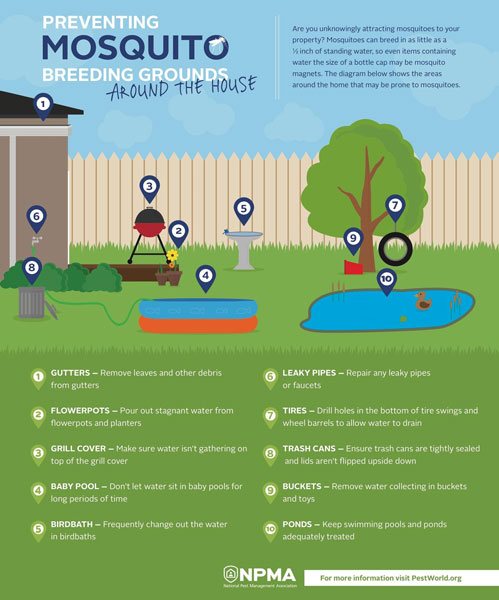
Image Source: www.rosepestsolutions.com
Fathoming the Mosquito Menace: Where They Come From
Mosquitoes are a persistent problem in many regions, and understanding their lifecycle is the first step toward effective mosquito control. These flying insects aren’t just a nuisance; their bites can transmit diseases like West Nile virus, Zika virus, and Eastern Equine Encephalitis. Identifying the root causes of your mosquito problem is crucial for implementing targeted solutions.
The Mosquito Lifecycle: A Tiny Invader’s Journey
Every mosquito begins its life in water. This is a critical fact for anyone looking to tackle backyard mosquitoes.
- Eggs: Adult female mosquitoes lay their eggs on the surface of water or on moist soil near the waterline. Some species can lay eggs that remain dormant for months, waiting for water to hatch.
- Larvae (Wrigglers): Once hatched, the larvae live in the water. They breathe air through a siphon, which is a tube that extends to the water’s surface. This is why keeping water surfaces disturbed or covered is so important.
- Pupae (Tumblers): The larvae then develop into pupae, which also live in the water. They don’t feed but are still active. This stage is a transition period before the adult emerges.
- Adult: The adult mosquito emerges from the pupal case at the water’s surface. They need to rest and dry their wings before they can fly off in search of a blood meal (females) or nectar (males).
This entire process, from egg to adult, can happen in as little as a week under warm, humid conditions.
Deciphering the Culprits: Your Yard’s Mosquito Magnet Factors
Several factors in your yard can contribute to a high mosquito population. Pinpointing these issues is essential for effective pest control.
The “Standing Water” Suspects: Common Breeding Sites
This is the number one reason for your mosquito problem. Anything that holds water for more than a few days is a potential breeding site.
Common Indoor and Outdoor Water Holders
- Rain Barrels and Buckets: Uncovered rain barrels are a haven for mosquito breeding. Even small buckets left out can collect enough water.
- Clogged Gutters: Leaves and debris can accumulate in gutters, creating perfect puddles for mosquitoes.
- Old Tires: Tires hold water effectively and are notoriously difficult to drain completely.
- Bird Baths: While lovely for birds, stagnant bird bath water needs frequent changing.
- Pet Water Bowls: Outdoor pet bowls that aren’t cleaned daily can become breeding grounds.
- Plant Saucers: The trays beneath potted plants often collect water.
- Children’s Toys: Swingsets, sandboxes, and plastic toys left outdoors can trap rainwater.
- Wheelbarrows: If left outside, especially after rain, they can become a breeding pool.
- Trash Can Lids: Improperly stored lids can collect water.
- Pool Covers: Tarps and covers can sag, forming pockets of stagnant water.
- Decorative Ponds and Water Features: If not properly maintained or stocked with mosquito-eating fish, these can be major sources.
- Natural Depressions: Low spots in your lawn that collect water after rain can also be culprits.
Plant Life and Shade: Providing Shelter and Humidity
Mosquitoes love to rest in cool, shady, and humid areas. Dense foliage, overgrown bushes, and tall grass provide them with ideal resting spots during the heat of the day.
Proximity to Natural Water Sources
If your yard is near a swamp, marsh, ditch, or slow-moving creek, you’re naturally going to have a higher mosquito presence. These larger bodies of water are significant breeding grounds that will contribute to the overall mosquito population in your neighborhood.
Strategies for Effective Mosquito Control: Taking Back Your Yard
Stopping mosquitoes requires a multi-pronged approach, focusing on eliminating breeding sites and deterring adult mosquitoes.
Source Reduction: The Most Powerful Weapon
This is the cornerstone of any successful mosquito control program. By eliminating standing water, you eliminate the source of the problem.
Practical Steps for Source Reduction
- Empty and Turn Over: Regularly empty and turn over buckets, wheelbarrows, watering cans, and any other containers that can hold water.
- Clean Gutters: Ensure your gutters are clear of leaves and debris. Consider gutter guards.
- Tire Disposal: Properly dispose of old tires. If you must store them, drill holes in the bottom to allow drainage.
- Maintain Bird Baths: Change the water in bird baths at least twice a week. Scrub them to remove any potential eggs.
- Pet Bowl Hygiene: Clean pet water bowls daily.
- Plant Care: Empty plant saucers or add sand to absorb excess water.
- Yard Maintenance: Keep your lawn mowed and trim overgrown vegetation. This reduces resting spots for adult mosquitoes.
- Cover Water Storage: Ensure rain barrels and other water storage containers are tightly covered with fine mesh screening.
- Manage Ponds and Water Features: If you have a pond, consider adding mosquito fish (Gambusia affinis) or ensuring it has adequate aeration and movement. For ornamental fountains, keep them running.
Repelling Adult Mosquitoes: Beyond Source Reduction
While eliminating breeding sites is key, you’ll also want strategies to deter adult mosquitoes that are already present. This is where mosquito repellent and other deterrents come into play.
Personal Protection: Your First Line of Defense
When you’re outdoors, protecting yourself from mosquito bites is essential.
- Mosquito Repellent: Use EPA-registered insect repellents containing DEET, picaridin, IR3535, oil of lemon eucalyptus, para-menthane-diol, or 2-undecanone. Always follow product instructions.
- Protective Clothing: Wear long sleeves, long pants, and socks when spending time outdoors, especially during peak mosquito activity (dawn and dusk). Light-colored clothing can be less attractive to some mosquito species.
Yard-Based Deterrents
- Fans: Mosquitoes are weak fliers. Placing fans on your patio or deck can create enough airflow to blow them away.
- Bug Zappers: While they kill many flying insects, bug zappers are not particularly effective against mosquitoes. They often attract and kill beneficial insects more than mosquitoes.
- Citronella Candles and Torches: These can offer limited protection in a small, confined area, but their effectiveness wanes quickly as the scent disperses.
- Mosquito Traps: Various traps use attractants like CO2, heat, or light to lure mosquitoes to their demise. Their effectiveness can vary depending on the type and placement.
- Natural Repellents in the Garden: Some plants are said to repel mosquitoes, such as citronella grass, marigolds, rosemary, and lavender. While these can provide a minor benefit, they are not a standalone solution.
Chemical Treatments: A Targeted Approach to Mosquito Control
When other methods aren’t enough, chemical treatments can be considered, but they should be used judiciously and with an understanding of their impact.
Larvicides
- What they are: Larvicides are products that kill mosquito larvae before they can develop into biting adults.
- How they work: They are typically applied to water that cannot be drained or eliminated. Common active ingredients include Bacillus thuringiensis israelensis (Bti) and methoprene. Bti is a naturally occurring bacterium that is toxic only to mosquito larvae and a few other insects. Methoprene is an insect growth regulator.
- Where to use: Apply to ornamental ponds, fountains, rain barrels, and other water bodies where mosquitoes may breed and which cannot be emptied. Always follow label instructions carefully.
Adulticides
- What they are: Adulticides are insecticides used to kill adult mosquitoes.
- How they work: These are often applied as sprays. They can be used for barrier treatments around your yard or for fogging.
- Considerations: While effective in the short term, adulticides can also kill beneficial insects like pollinators. They require professional application or careful DIY application to be safe and effective. It’s best to use these as a last resort or in targeted applications, perhaps by a professional pest control service.
Professional Pest Control: When to Call in the Experts
If your mosquito problem is severe or persistent despite your best efforts, it might be time to consult a professional pest control service.
Benefits of Professional Mosquito Control
- Expertise: Professionals have the knowledge to identify specific mosquito species and their breeding habits.
- Effective Treatments: They have access to professional-grade products and equipment for more effective application.
- Comprehensive Plans: They can develop a customized mosquito control plan for your property, including source reduction, barrier treatments, and ongoing monitoring.
- Safety: Professionals are trained in the safe and effective use of insecticides, minimizing risks to people, pets, and the environment.
Protecting Your Family from Mosquito Bites
Preventing mosquito bites is not just about comfort; it’s about health. Implementing a consistent mosquito control strategy is key.
Your Yard’s Mosquito Management Checklist
- [ ] Regularly inspect and empty all containers that hold water (buckets, pots, toys, tires, etc.).
- [ ] Clean and change water in bird baths and pet bowls frequently.
- [ ] Ensure gutters are clear and draining properly.
- [ ] Keep lawns mowed and trim overgrown vegetation.
- [ ] Cover rain barrels with fine mesh screens.
- [ ] Consider using larvicides in non-drainable water sources.
- [ ] Use personal mosquito repellent when spending time outdoors.
- [ ] Wear protective clothing during peak mosquito hours.
- [ ] Evaluate the need for professional pest control if the problem persists.
Frequently Asked Questions (FAQ)
Q1: How quickly can mosquitoes breed in my yard?
Mosquitoes can complete their life cycle from egg to adult in as little as 7-10 days under optimal warm and humid conditions. This means a small amount of standing water can quickly escalate into a significant mosquito problem.
Q2: Can I eliminate all mosquitoes from my yard?
It’s highly unlikely to achieve a completely mosquito-free yard, especially in areas with natural water sources or high humidity. The goal of mosquito control is to reduce populations to a manageable level, minimizing breeding and the risk of mosquito bites and disease transmission.
Q3: Are natural mosquito repellents effective?
Some natural repellents and plants are claimed to repel mosquitoes, but their effectiveness is generally limited and temporary compared to EPA-registered repellents. They can be a supplementary measure but shouldn’t be relied upon as the sole method of protection.
Q4: What is the best way to get rid of mosquitoes that are already in my yard?
The most effective long-term solution is source reduction – eliminating standing water to prevent breeding. For adult mosquitoes, consider using fans to create airflow on patios or decks, or consult a professional pest control service for targeted treatments if the infestation is severe. Using mosquito repellent on yourself is also crucial.
Q5: How often should I check for standing water?
You should inspect your yard for standing water at least once or twice a week, especially after rain. More frequent checks are advisable during warmer months when mosquito activity is highest.
Q6: What are “wrigglers” and “tumblers”?
“Wrigglers” is the common name for mosquito larvae, which live in the water and wriggle to move. “Tumblers” is the common name for mosquito pupae, which also live in water and tumble to move. Both stages require water and are vulnerable to control measures.
Q7: Can mosquito fogging really solve my problem?
Mosquito fogging (applying adulticides) can provide temporary relief by killing adult mosquitoes present at the time of application. However, it does not address the underlying issue of breeding sites and the problem will return as new mosquitoes emerge from larvae. It’s often used in conjunction with other mosquito control methods.
By diligently following these mosquito control strategies, you can significantly reduce the number of mosquitoes in your yard and enjoy your outdoor spaces with fewer mosquito bites. Remember, consistent effort, especially in source reduction, is the key to effective pest control against these persistent pests.