
Can you treat your whole yard for ants, and if so, how? Yes, you can treat your entire yard for ants safely and effectively by combining identification, targeted treatments, and preventative measures. This comprehensive approach ensures that ant populations are managed and future infestations are discouraged.
Dealing with ants in your yard can be a frustrating experience. From tiny trails marching across your patio to destructive mounds disrupting your lawn, these persistent pests can quickly turn a beautiful outdoor space into an ant-ridden battlefield. Fortunately, there are many ways to tackle this common yard pest control problem. This guide will walk you through how to treat your whole yard for ants, focusing on safe and effective methods for ant extermination and long-term ant control.
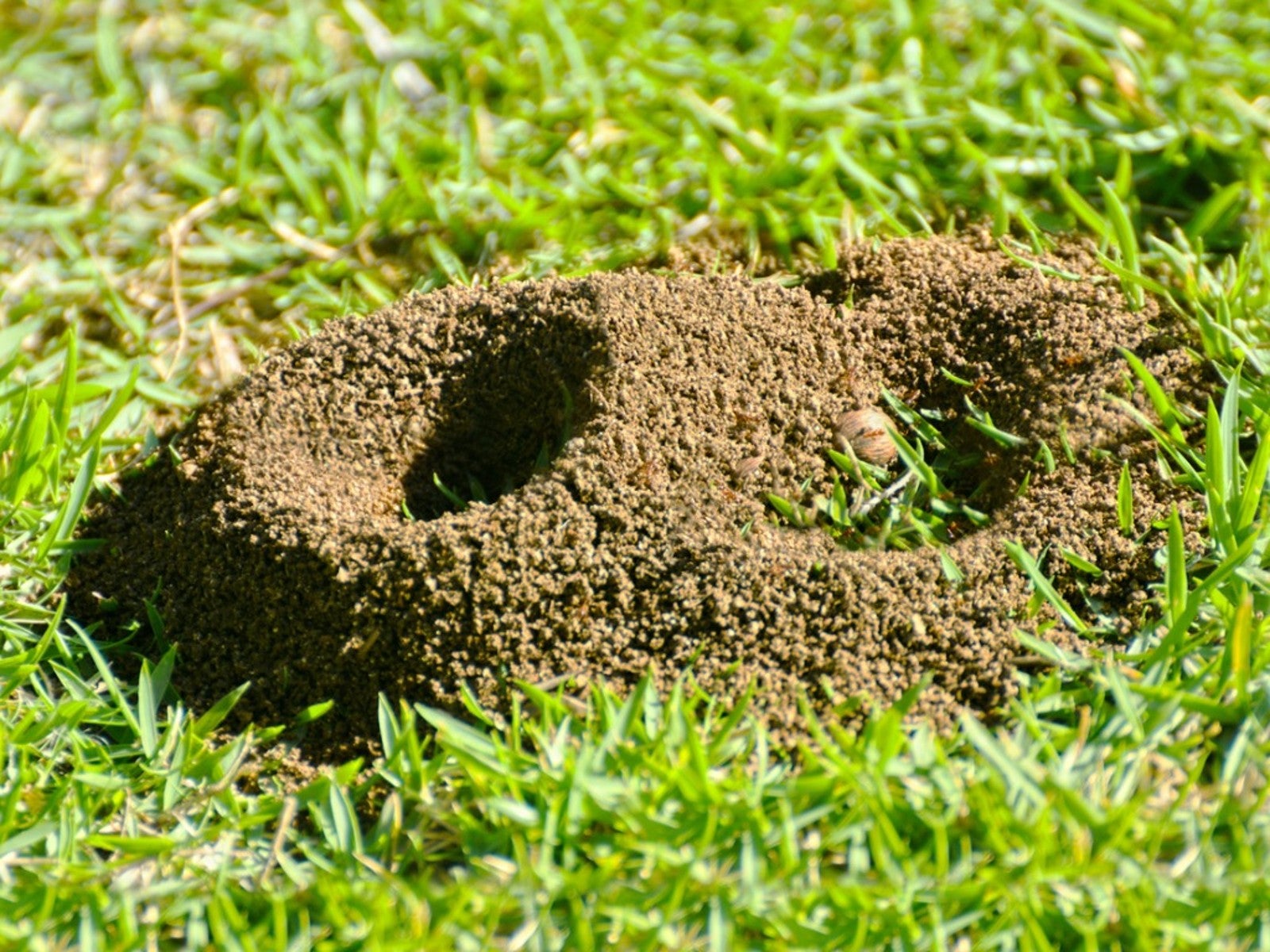
Image Source: cdn.mos.cms.futurecdn.net
Identifying Your Ant Invaders
Before you can effectively treat your whole yard for ants, it’s crucial to know what you’re dealing with. Different ant species require slightly different approaches.
Common Yard Ant Species
- Odorous House Ants: These ants are often found near moisture and can emit a coconut-like smell when crushed. They commonly build nests in soil, under rocks, and in wall voids.
- Carpenter Ants: Larger than other common ants, carpenter ants tunnel into wood to build their nests. While they don’t eat wood, their tunneling can cause significant structural damage. You might see them foraging on your lawn for food.
- Fire Ants: Known for their painful, stinging bites, fire ants build distinctive mounds in open, sunny areas of the lawn. They are highly aggressive when their nests are disturbed.
- Pavement Ants: These ants typically nest under pavement, sidewalks, and driveways, but they will also create mounds in the soil of your yard. They are often seen foraging for food in and around your home.
Signs of Ant Infestation
- Ant Trails: Visible lines of ants moving purposefully from their nest to a food source.
- Ant Mounds: Piles of soil or debris, particularly noticeable in lawns, indicating a nest beneath.
- Winged Ants (Swarmers): These are reproductive ants that emerge from established colonies, often in the spring or fall, to mate and start new colonies.
- Visible Ants: Simply seeing ants foraging on your patio, lawn furniture, or around plants is a clear sign of a problem.
Comprehensive Ant Control Strategies
Treating your whole yard for ants involves more than just spraying visible trails. A truly effective strategy encompasses ant control, ant extermination, and preventive ant control.
1. Targeting Ant Mounds: The Foundation of Yard Pest Control
Ant mounds are the heart of an ant colony. Eliminating the queen and the bulk of the worker ants residing within a mound is a critical step in ant extermination.
Granular Ant Killer for Mounds
Granular ant killer products are excellent for treating ant mounds. These granules are typically applied directly to the mound. When ants walk over the granules, they pick up the active ingredient and carry it back to the colony, effectively spreading the treatment.
How to Use Granular Ant Killer:
- Identify Mounds: Locate as many ant mounds as possible in your yard.
- Read Product Labels: Always follow the specific instructions on the product packaging.
- Application: Apply the granules evenly over and around the visible mound. Some products recommend lightly watering the granules in to activate them and help them penetrate the soil.
- Timing: Apply in the early morning or late evening when ants are most active near the surface.
Liquid Ant Killer for Mounds
Liquid treatments can also be effective for ant mound treatment. These are usually mixed with water and poured directly into or around the mound. The liquid penetrates the soil, reaching the ants within their tunnels.
How to Use Liquid Ant Killer:
- Mix Solution: Accurately mix the liquid concentrate with water according to label directions.
- Application: Pour the solution slowly and directly onto the ant mound, ensuring it saturates the soil. For larger mounds, you may need to make several applications around the perimeter as well.
- Safety: Wear protective gear like gloves and eye protection when handling liquid insecticides.
2. Creating an Ant Barrier Treatment
To prevent ants from entering specific areas of your yard or home, an ant barrier treatment is highly effective. This involves applying an insecticide around the perimeter of your home, along walkways, patios, and other high-traffic ant areas.
Granular Ant Killer for Perimeter Treatment
Granular ant killer can also be used as a perimeter treatment. These granules are spread around the foundation of your house, along garden beds, and any other areas where you want to deter ants. When activated by rain or watering, they release an insecticide that creates a protective barrier.
How to Apply Granular Ant Killer as a Barrier:
- Select an Area: Focus on the perimeter of your home, patios, decks, and around flower beds or vegetable gardens.
- Even Distribution: Use a broadcast spreader for larger areas to ensure even application.
- Watering: Water the granules lightly after application to activate the barrier.
Liquid Ant Killer for Barrier Treatment
Liquid insecticides are also commonly used for creating a perimeter barrier. They can be applied using a garden sprayer.
How to Apply Liquid Ant Killer as a Barrier:
- Mix the Solution: Prepare the liquid insecticide concentrate with water according to the product instructions.
- Application: Spray a band of the insecticide approximately 1-3 feet wide around the foundation of your house. Also, spray along pathways, driveways, and any other entry points or problem areas.
- Coverage: Ensure thorough coverage without over-saturating.
3. Broadcast Treatments for General Ant Control
For widespread ant activity across a large lawn area, broadcast applications of granular ant killer or liquid insecticides can provide a more generalized yard pest control.
Granular Ant Killer Broadcast Application
This method is ideal for covering large expanses of lawn and garden.
How to Broadcast Granular Ant Killer:
- Spreader Use: Use a quality spreader (rotary or drop) for even distribution.
- Calibration: Ensure your spreader is calibrated correctly for the specific product you are using.
- Overlap: Overlap your passes slightly to avoid strips of untreated lawn.
- Watering: As with perimeter treatments, watering after application activates the granules.
Liquid Ant Killer Broadcast Application
Liquid treatments can be applied with a hose-end sprayer or a backpack sprayer for broad coverage.
How to Broadcast Liquid Ant Killer:
- Mix and Load: Mix the insecticide concentrate with water and load it into your sprayer.
- Even Spraying: Walk at a steady pace, spraying in a consistent pattern across the lawn.
- Drift Control: Be mindful of wind conditions to avoid drift onto non-target areas.
4. Ant Baits: A Targeted Approach to Ant Extermination
Ant baits are a highly effective method for ant extermination because they are carried back to the colony by worker ants, who then feed it to the queen and other ants. This indirect killing is often more successful for long-term ant control than direct spraying.
Types of Ant Baits
- Gel Baits: Small, concentrated amounts of bait that can be placed in strategic locations where ants are seen foraging.
- Liquid Baits: Placed in small bait stations that ants can access.
- Granular Baits: Similar to granular insecticides, but formulated with an attractant and insecticide.
How to Use Ant Baits Effectively:
- Placement: Place baits along known ant trails, near activity centers, and close to their entry points but out of reach of children and pets.
- Patience: It can take a few days to a week to see a significant reduction in ant numbers as the bait is distributed through the colony.
- Do Not Spray Near Baits: Avoid spraying insecticides near bait stations, as this can deter ants from approaching the bait.
- Replenishment: Replace baits as they are consumed or become stale.
5. Natural Ant Killer Options for a Safer Yard
If you prefer a less chemical-intensive approach, several natural ant killer options can be effective for outdoor ant control.
Boric Acid and Sugar Mix
Boric acid is a naturally occurring mineral that is toxic to ants in small doses. When mixed with a sweet attractant, it becomes a potent bait.
How to Make and Use Boric Acid Bait:
- Mix: Combine 1 part boric acid with 3 parts sugar or powdered sugar. Add a small amount of water to create a paste or a thin liquid.
- Placement: Place small amounts of the bait on a piece of cardboard or in shallow containers near ant trails.
- Caution: Boric acid can be harmful if ingested by pets or children, so place it strategically and out of reach.
Diatomaceous Earth (Food Grade)
Food-grade diatomaceous earth (DE) is a fine powder made from fossilized aquatic organisms. It works by dehydrating ants when they come into contact with it.
How to Use Diatomaceous Earth:
- Application: Lightly dust DE around ant mounds, along ant trails, and in areas where ants are seen entering your yard.
- Effectiveness: It is most effective when dry. Reapply after rain.
- Safety: Use food-grade DE. While generally safe, avoid inhaling the dust.
Vinegar Spray
A solution of equal parts white vinegar and water can disrupt ant trails and deter ants.
How to Use Vinegar Spray:
- Mix: Combine equal parts white vinegar and water in a spray bottle.
- Application: Spray directly onto ant trails and mounds. This can kill ants on contact and remove scent trails that other ants follow.
- Repellent: The vinegar smell can also act as a temporary repellent.
Preventive Ant Control: Keeping Ants Away for Good
Effective ant control isn’t just about reacting to infestations; it’s also about preventive ant control to minimize future problems.
Maintaining Your Lawn and Garden
- Water Management: Avoid overwatering your lawn, as excessive moisture attracts ants. Ensure good drainage.
- Trim Vegetation: Keep tree branches and shrubs trimmed back from your house foundation. Ants often use these as bridges to reach your home.
- Clean Up Debris: Remove leaf litter, woodpiles, and other debris from your yard where ants can nest and hide.
- Manage Food Sources: Clean up fallen fruit, birdseed, and pet food spills promptly, as these attract ants. Secure trash cans with tight-fitting lids.
Sealing Entry Points
- Foundation Sealant: Inspect your home’s foundation for cracks and seal them with caulk or appropriate sealant.
- Window and Door Seals: Ensure weather stripping around doors and windows is intact.
Choosing the Right Ant Control Products
When selecting products for your yard pest control, consider the type of ant, the severity of the infestation, and your personal preference for chemical versus natural solutions.
Chemical Insecticides
- Granular Ant Killer: Good for broad-area treatment and creating long-lasting barriers. Often activated by water.
- Liquid Ant Killer: Versatile for mound treatment, barrier applications, and broadcast spraying. Available in concentrates or ready-to-use formulas.
- Ant Baits: Highly effective for colony elimination by targeting the queen. Requires patience.
Natural and Organic Options
- Boric Acid: A natural mineral effective when used as a bait.
- Diatomaceous Earth (Food Grade): A physical killer that dehydrates ants.
- Essential Oils: Some oils like peppermint, tea tree, and citrus can deter ants.
Safety Precautions for Yard Pest Control
No matter which method you choose, safety is paramount when treating your whole yard for ants.
- Read and Follow Labels: Always read and follow the product label instructions carefully.
- Protective Gear: Wear gloves, long sleeves, pants, and eye protection when handling insecticides.
- Keep Away from Children and Pets: Store all pest control products securely and out of reach. Ensure children and pets are not in the treatment area during application and until the product has dried or settled as per the label.
- Environmental Considerations: Avoid applying insecticides when rain is expected, as this can wash the product into waterways. Consider the impact on beneficial insects like bees.
- Spot Treatment: Whenever possible, opt for targeted treatments (like baits or mound treatments) rather than broadcast applications to minimize chemical use.
Frequently Asked Questions (FAQ)
Q1: How long does it take for ant treatments to work?
A1: The timeframe varies depending on the product and the ant species. Baits can take several days to a week to show significant colony reduction as the poison is distributed. Sprays and granules can show immediate results on contact, but complete colony elimination might take longer.
Q2: Can I use the same treatment for all types of ants?
A2: While many general ant control products are effective against a range of ants, some species, like carpenter ants, may require more specific ant extermination methods due to their wood-boring habits. Fire ants, with their aggressive nature and distinct mounds, also benefit from specialized treatments.
Q3: Is it safe to treat my lawn if I have pets or children?
A3: Yes, but you must exercise caution. Always choose products labeled as safe for use around children and pets when applied according to directions. Keep them away from treated areas until the product is completely dry or has settled, as indicated on the label. Consider natural ant killer options for a safer approach.
Q4: How often should I reapply ant treatments?
A4: The frequency of reapplication depends on the product used and the persistence of the ant problem. Granular barriers may last several weeks to months. Baits need to be replenished as they are consumed. Regular inspection and preventive ant control are key to maintaining a pest-free yard.
Q5: What is the best time of day to treat ants in my yard?
A5: Early morning or late evening are often the best times. During these cooler periods, ants are typically more active on the surface foraging for food, making them more likely to encounter baits and treatments applied to mounds or trails.
By implementing a combination of targeted ant mound treatment, strategic ant barrier treatment, and diligent preventive ant control, you can effectively manage ant populations and reclaim your yard. Remember to prioritize safety and choose the methods that best suit your specific needs and environment for successful outdoor ant control.