
Can you treat your yard for roundworms? Yes, you can, and it’s crucial for your pet’s health and preventing the spread of these common parasites. This guide will walk you through the process of effectively treating your yard for roundworms, ensuring a safer environment for your furry friends and family.
Roundworms are a pervasive threat to pet health, capable of causing significant issues from mild discomfort to severe illness, especially in young animals. Identifying and managing them in your yard is a key part of comprehensive parasite control. This article will delve into why treating your yard is important, how to identify signs of infestation, and the most effective methods for elimination and prevention. We’ll cover everything from environmental sanitation to antiparasitic medication, and when to seek professional help through a veterinary consultation.
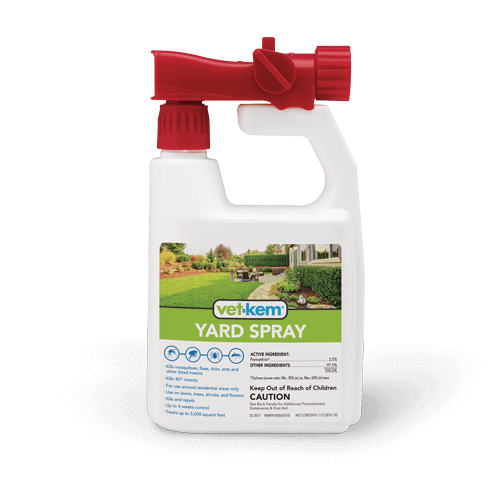
Image Source: www.prnpharmacal.com
Why Treat Your Yard for Roundworms?
The primary reason to treat your yard is to break the life cycle of roundworms and prevent reinfection of your pets and potential infection of humans. Roundworm eggs are incredibly hardy and can survive in the soil for years, making your yard a persistent source of infection.
The Roundworm Life Cycle and Yard Contamination
To effectively treat your yard, it’s important to grasp the roundworm life cycle. Most commonly, pets like dogs and cats become infected by ingesting infective larvae or eggs present in the environment.
- Ingestion: Pets ingest roundworm eggs or larvae found in contaminated soil, feces, or through contact with infected animals.
- Larval Migration: Once ingested, the larvae hatch in the intestines and then migrate through the pet’s body, often passing through the liver and lungs.
- Maturation: The larvae return to the intestines, where they mature into adult worms.
- Egg Production: Adult female worms produce thousands of eggs, which are then passed in the feces.
- Environmental Survival: These eggs can contaminate soil and remain infective for long periods, typically 1-3 years, depending on environmental conditions. This soil contamination is the core issue in yard treatment.
This continuous cycle means that even if your pet is treated, if the yard remains contaminated, reinfection is highly probable. This is particularly concerning for puppies and kittens, who are more susceptible to severe disease.
Risks of Unchecked Roundworm Infestation
An untreated roundworm infestation in your yard poses several risks:
- Pet Illness: Roundworms can cause a range of symptoms in pets, including poor growth, dull coat, pot-bellied appearance, vomiting, and dog diarrhea or cat intestinal worms being visible in stool or vomit. In severe cases, particularly in young animals, they can lead to intestinal blockages and even death.
- Human Health: While less common, humans, especially children, can become infected with roundworms (zoonotic transmission). Ingesting infective eggs from contaminated soil can lead to visceral larva migrans (VLM) or ocular larva migrans (OLM), which can cause serious health problems.
- Widespread Contamination: Infected pets can track eggs into the house, contaminating carpets, furniture, and other areas, further spreading the problem.
Identifying Roundworm Presence in Your Yard
Detecting roundworm infestation in your yard isn’t always straightforward, as the eggs themselves are microscopic. However, there are several indicators to look for:
Signs in Your Pets
The most direct way to suspect roundworms in your yard is through observing signs in your pets.
- Visible Worms: You might see adult roundworms, which look like long, thin spaghetti, in your pet’s feces, vomit, or around their anus.
- Digestive Issues: Persistent dog diarrhea or cat intestinal worms in the stool are strong indicators. Other signs include vomiting, poor appetite, and weight loss.
- Behavioral Changes: Lethargy, weakness, and a generally unthrifty appearance can also be signs of a significant worm burden.
Signs in the Environment
While less common, some environmental signs can suggest roundworm contamination:
- Feces Accumulation: Areas where pets frequently defecate and feces are not promptly removed are high-risk zones for soil contamination.
- Visible Contamination: In rare cases, if a pet has a very heavy infestation, you might see actual worms or egg masses in feces left on the ground.
Confirming Roundworm Infestation: The Fecal Exam
The most reliable way to confirm the presence of roundworms (and other parasites) is through a fecal exam.
What is a Fecal Exam?
A fecal exam is a diagnostic test performed by a veterinarian. It involves analyzing a fresh stool sample from your pet under a microscope to detect parasite eggs, larvae, or other abnormalities.
How to Prepare for a Fecal Exam
- Collect a Fresh Sample: Gather a small amount of your pet’s most recent feces. It’s best to collect it within 12-24 hours of the vet visit.
- Store Properly: Place the sample in a clean, airtight container or a specialized stool collection kit. Avoid letting it dry out or get contaminated with soil or other debris.
- Deliver Promptly: Bring the sample to your veterinarian as soon as possible.
A positive fecal exam will confirm roundworm eggs or larvae and help your vet recommend the most appropriate treatment plan for your pet. This is the first step in any effective parasite control program.
Treating Your Pet for Roundworms
Before focusing on the yard, it’s paramount to treat your pet. Treating your pet alone, without addressing the yard, will likely lead to reinfection.
Veterinary Consultation is Key
Always start with a veterinary consultation. Your vet can:
- Accurately diagnose the type of parasite your pet has through a fecal exam.
- Prescribe the correct antiparasitic medication.
- Advise on the appropriate deworming schedule based on your pet’s age, health, and the specific parasite.
- Provide guidance on environmental management.
Antiparasitic Medications
Your veterinarian will prescribe an antiparasitic medication (dewormer) that is effective against roundworms. These medications are generally safe and highly effective when used as directed. It’s crucial to administer the full course of medication as prescribed.
Deworming Schedule
A proper deworming schedule is vital, especially for puppies and kittens. They are often born with roundworms passed from their mother, or they can become infected soon after birth.
- Puppies and Kittens: Typically require deworming every 2-3 weeks starting at 2 weeks of age until they are about 8-12 weeks old, and then monthly until 6 months.
- Adult Dogs and Cats: While they may not need regular deworming if kept in a clean environment and not showing symptoms, they should be checked annually with a fecal exam. If they spend a lot of time outdoors or are exposed to other animals, more frequent deworming might be recommended.
Treating Your Yard: A Multi-faceted Approach
Once your pet is on a treatment plan, you must address the yard to eliminate the source of reinfection. This involves a combination of cleaning, disinfection, and potentially environmental treatments.
Step 1: Immediate Cleanup of Feces
This is the most critical and immediate step for environmental sanitation.
- Daily Collection: Pick up all pet feces from the yard daily. Do not let feces accumulate, as this is where infective eggs are shed.
- Proper Disposal: Dispose of feces immediately in sealed plastic bags and place them in an outdoor garbage can with a lid. Never compost pet feces, as this can spread contamination.
- High-Traffic Areas: Pay extra attention to areas where your pets frequently defecate, such as favorite napping spots or areas near entryways.
Step 2: Cleaning and Disinfection of Hard Surfaces
Hard surfaces like patios, decks, and concrete walkways can harbor eggs.
- Scrubbing: Scrub these areas thoroughly with a strong detergent and hot water.
- Disinfection: After cleaning, you can use a disinfectant solution. A bleach solution (1 part bleach to 10 parts water) can be effective, but ensure it is rinsed thoroughly afterwards and that pets are kept away from treated areas until dry and rinsed. Always follow product instructions and safety precautions.
Step 3: Addressing Soil Contamination
This is the most challenging aspect due to the hardiness of roundworm eggs.
Methods for Soil Treatment
-
Sunlight and Drying: Roundworm eggs are sensitive to prolonged exposure to direct sunlight and drying conditions. Aerating compacted soil and allowing it to dry out can help reduce viability. However, this is rarely sufficient on its own.
-
Chemical Treatments: There are no readily available, pet-safe household chemicals that reliably kill roundworm eggs in soil.
- Nematodes: Some commercially available products contain beneficial nematodes that prey on roundworm larvae and eggs in the soil. Research these products carefully to ensure they are safe for your lawn and pets and follow application instructions precisely.
- Fungicides/Insecticides: Some general garden fungicides or insecticides might have secondary effects on parasite eggs, but their primary purpose is not roundworm control and their efficacy and safety for this specific purpose are often unproven and may harm beneficial soil organisms or pets.
-
Soil Removal and Replacement: For heavily contaminated areas, the most effective but labor-intensive method is to remove the top layer of soil (at least 6-8 inches) and replace it with fresh, clean topsoil. This is often a practical solution for small, high-traffic areas like dog runs.
-
Solarization: This method involves covering the contaminated soil with clear plastic sheeting during the hottest months of the year. The plastic traps heat, raising the soil temperature to levels that can kill parasite eggs. This process can take several weeks and requires consistent high temperatures.
Important Considerations for Soil Treatment
- Pet Safety: Always prioritize the safety of your pets. Ensure any treatment used is labeled as safe for use in areas frequented by animals, or keep pets away from treated areas for the recommended period.
- Persistence of Eggs: Remember that roundworm eggs are very resilient. Even with aggressive treatment, some may survive.
Step 4: Ongoing Management and Prevention
Effective parasite control is not a one-time event. Consistent practices are key.
- Regular Fecal Exams: Continue to have your pet undergo regular fecal exams as recommended by your veterinarian.
- Prompt Feces Removal: Make daily feces collection a non-negotiable part of your routine.
- Limit Exposure to Unknown Sources: Prevent your pet from accessing areas where they might encounter feces from unknown animals, such as public parks with poor waste management or communal dog areas.
- Proper Pet Hygiene: Wash your hands after handling pet waste or interacting with your pet, especially before eating.
- Secure Fencing: Ensure your yard is securely fenced to prevent stray animals from entering and potentially contaminating the area.
- Educate Family Members: Ensure everyone in the household understands the importance of hygiene and feces cleanup.
Factors Affecting Roundworm Survival in the Yard
Several environmental factors influence how long roundworm eggs can survive in your yard:
| Factor | Impact on Roundworm Eggs | Notes |
|---|---|---|
| Sunlight | UV radiation is detrimental; prolonged direct sun can kill eggs. | Shaded areas protect eggs, allowing them to survive longer. |
| Moisture | High moisture levels generally favor survival. | Very dry conditions can hinder egg development but eggs can remain dormant. |
| Temperature | Freezing temperatures can kill eggs, but they can survive mild winters. | Eggs are most viable in moderate temperatures. Extreme heat can also be detrimental if prolonged and dry. |
| Soil Type | Sandy, well-draining soils may allow eggs to wash away. | Compacted, moist soils can retain eggs more effectively. |
| Organic Matter | Can protect eggs from environmental damage. | Areas with lots of decaying leaves or grass clippings can offer protection. |
When to Seek Professional Help Beyond Your Vet
While your veterinarian is your primary resource for pet health and parasite control, there may be instances where you need additional advice.
- Persistent Infestations: If despite diligent treatment of your pet and yard, your pet continues to test positive for roundworms, consult your veterinarian for a more in-depth investigation. This might include looking at alternative sources of infection or resistance to medication.
- Large Properties or Public Areas: For owners of large properties, boarding kennels, or community areas, consult with an animal health specialist or a veterinarian with a focus on public health. They can provide tailored strategies for extensive parasite control.
- Human Exposure Concerns: If you have young children or immunocompromised individuals in your household and are concerned about potential human infection due to significant soil contamination, speak with your doctor or a public health official.
Frequently Asked Questions (FAQ)
Q1: How long do roundworm eggs survive in the yard?
A1: Roundworm eggs are incredibly resilient and can survive in the soil for 1 to 3 years, depending on environmental conditions like sunlight, moisture, and temperature.
Q2: Can I use bleach to kill roundworm eggs in my entire yard?
A2: Bleach can be effective on hard surfaces after cleaning, but it is generally not recommended for use directly on soil or lawns. It can harm plants, beneficial soil organisms, and is toxic to pets if ingested or if they come into contact with it before it evaporates and is washed away. Always dilute bleach and use with extreme caution, keeping pets away.
Q3: How often should I get my pet tested for roundworms?
A3: Puppies and kittens typically need frequent deworming and fecal exams. For adult pets, an annual fecal exam is generally recommended. Your veterinarian can advise on a specific deworming schedule and testing frequency based on your pet’s lifestyle and risk factors.
Q4: What are the most common symptoms of roundworms in dogs and cats?
A4: Common symptoms include vomiting (sometimes with visible worms), dog diarrhea or cat intestinal worms in feces, a pot-bellied appearance, poor growth, dull coat, coughing, and lethargy.
Q5: Is it possible to completely eliminate roundworm eggs from my yard?
A5: While complete eradication is very difficult due to the longevity and resilience of the eggs, a comprehensive and consistent approach involving pet treatment, diligent feces removal, and environmental sanitation can significantly reduce the population of eggs and minimize the risk of infection.
Q6: What is the best way to prevent my pet from getting roundworms?
A6: Prevention involves regular veterinary check-ups, adhering to a deworming schedule as advised by your vet, practicing good environmental sanitation (especially prompt feces removal), and preventing your pet from ingesting feces or contaminated materials.
By diligently following these steps and maintaining consistent vigilance, you can create a safer and healthier environment for your beloved pets and your family. Remember, effective parasite control is a partnership between you, your veterinarian, and a commitment to good hygiene and environmental sanitation.