
Can I compost rabbit poop? Yes, rabbit poop is excellent for composting and can be used as a natural fertilizer for your garden. How often should I clean rabbit droppings? Regular removal, ideally daily or every other day, will keep your yard tidy and reduce the risk of parasites or attracting unwanted pests.
Dealing with bunny poop in yard can seem like a daunting task, but with the right approach, rabbit dropping cleanup becomes manageable and even beneficial. Whether you have pet rabbits that enjoy supervised outdoor time or are simply dealing with wild rabbit visitors, knowing how to effectively handle outdoor rabbit defecation is key to maintaining a clean and healthy yard. This guide will walk you through simple steps and valuable tips for pet rabbit waste removal, transforming potential nuisances into valuable garden resources.
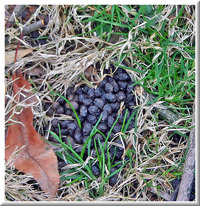
Image Source: 9a3b1f6d90-custmedia.vresp.com
Why Remove Rabbit Droppings?
While rabbit droppings are natural, there are several good reasons for pet waste disposal from your yard:
- Hygiene: Accumulations of backyard rabbit droppings can attract flies and other insects, potentially spreading germs. If you have children or other pets, it’s important to keep areas clean.
- Aesthetics: No one wants to see unsightly piles of droppings scattered across their lawn or garden.
- Parasite Prevention: While less common in domestic rabbits when managed properly, wild rabbit droppings can sometimes harbor parasites that could potentially affect other animals or even humans if not handled with care.
- Gardening Benefits: As mentioned, rabbit droppings are a nutrient-rich addition to your compost pile. However, you still need to manage their placement.
Step-by-Step Guide to Rabbit Poop Cleanup
The process of how to clean up rabbit waste is straightforward. Here’s a breakdown of the steps involved:
Step 1: Gather Your Supplies
Before you begin, ensure you have the necessary tools. This makes the job quicker and more efficient.
- Gloves: Always wear protective gloves. Disposable latex or nitrile gloves are a good choice.
- Scoop or Shovel: A small garden trowel, a flat spade, or even a dedicated pet waste scoop works well. For larger areas, a leaf rake with closely spaced tines can also be useful.
- Collection Container: A bucket, a sturdy plastic bag, or a wheelbarrow are suitable for gathering the droppings.
- Optional: Rake or Broom: For collecting droppings scattered across a larger area.
Step 2: Locate the Droppings
Take a walk around your yard, paying close attention to areas where rabbits tend to congregate. Look for the characteristic small, round, pellet-like droppings. They are typically dry and firm to the touch.
Step 3: Collection Methods
The best method for collection depends on the density and location of the droppings.
For Piles of Droppings
- Scoop and Bag: Use your scoop to gather the droppings directly into your collection container or a bag. If using a bag, you can scoop the droppings into the bag itself.
For Scattered Droppings
- Raking: For lawns or larger areas with thinly spread droppings, a rake can be very effective. Gently rake the droppings into a pile, then scoop them up. A metal garden rake with close tines is ideal.
- Leaf Blower (Use with Caution): In some cases, a leaf blower on a low setting can be used to gather droppings into a manageable pile. However, be cautious not to scatter them further or create airborne dust.
Step 4: Dispose of the Droppings
Proper pet waste disposal is important.
- Composting: This is the most eco-friendly option. Rabbit droppings are considered “green” material in composting and are rich in nitrogen. Mix them with “brown” materials like dry leaves, straw, or shredded paper to create a balanced compost. Ensure your compost pile gets hot enough to kill any potential pathogens, or allow it to age for at least six months before using it on edible plants.
- Trash: If you don’t compost, place the droppings in a sealed bag and dispose of them in your regular household trash.
Step 5: Clean Up Your Tools
After you’ve finished collecting, clean your tools.
- Gloves: Dispose of disposable gloves properly.
- Scoop/Rake: Wash reusable tools with soap and water. You can also disinfect them with a mild bleach solution (1 part bleach to 10 parts water) if you are concerned about hygiene, especially if dealing with droppings from unknown wild rabbits. Rinse them thoroughly and allow them to dry completely before storing.
Dealing with Specific Situations
Pet rabbit care outdoor often involves managing their droppings in designated play areas or enclosures. Here’s how to handle those specifics:
Enclosures and Hutches
- Regular Spot Cleaning: For outdoor hutches or runs, spot clean droppings daily. Remove soiled bedding along with the droppings.
- Full Cleaning: Periodically, you’ll need to do a full clean-out. Remove all bedding, scrub the enclosure with a pet-safe cleaner or a vinegar-water solution, rinse, and allow it to dry completely before adding fresh bedding.
Lawn and Garden Areas
- Protecting Plants: If your pet rabbit has access to your garden, you might find droppings mixed in with the soil around your plants. Gently scoop these away. Rabbit droppings are excellent natural fertilizer for garden applications, but it’s best to collect them and add them to your compost rather than leaving them directly on plants, which could be too concentrated.
- Preventing Over-Concentration: Even though they are a good fertilizer, too much rabbit poop in one spot can burn plants. Regular collection helps distribute the nutrients more evenly if you choose to use them directly (after composting is best).
Tips for Easier Rabbit Poop Removal
- Consistency is Key: The more often you clean, the less work each individual cleanup will be. Making it a daily or every-other-day habit prevents large accumulations.
- Designated Outdoor Areas: If your pet rabbit spends a lot of time outdoors, consider setting up a dedicated run or play area. This helps contain the droppings and makes pet rabbit waste removal simpler. You can even line a portion of the area with hay or straw, which can absorb some moisture and make cleanup easier.
- Use a Dustpan and Brush: For very small amounts or in tight spots, a dustpan and brush can be surprisingly effective for collecting garden rabbit droppings.
- Water for Stubborn Residue: If droppings have become stuck to a surface, a little water and scrubbing can help loosen them before scooping.
- Compost Smart: Remember to balance your compost. Mix your rabbit droppings (greens) with carbon-rich materials (browns) like dried leaves or cardboard. This helps the compost break down effectively.
The Nutritional Value of Rabbit Droppings
Rabbit droppings are often referred to as “nature’s perfect fertilizer,” and for good reason. They are rich in nitrogen, phosphorus, and potassium – the three primary macronutrients essential for plant growth.
Here’s a quick look at why they are so valuable:
| Nutrient | Significance for Plants |
|---|---|
| Nitrogen | Promotes lush, green leafy growth and is vital for photosynthesis. |
| Phosphorus | Essential for root development, flowering, and fruiting. |
| Potassium | Supports overall plant health, disease resistance, and water regulation. |
Unlike chicken manure, which is very “hot” and can easily burn plants if not composted, rabbit droppings are considered a “cool” fertilizer. This means they are less likely to damage plants even when applied directly, although composting is still the recommended practice for maximum benefit and pathogen elimination.
Addressing Wild Rabbit Droppings
If you’re dealing with wild rabbits, the principles of rabbit dropping cleanup remain the same. However, there are a few additional considerations:
- Identification: Ensure what you are cleaning is indeed rabbit droppings. They are typically pellet-shaped, about the size of a pea or a little larger, and range in color from dark brown to black.
- Discouraging Visitors: If wild rabbits are becoming a nuisance, you might consider deterrents. This could include fencing off garden beds, planting rabbit-repellent plants (like marigolds, rosemary, or lavender), or using commercial repellents. However, for simple outdoor rabbit defecation control, regular cleanup is the most direct approach.
When Rabbit Poop Becomes a Problem: Health Considerations
While generally safe, it’s good to be aware of potential issues, especially with pet rabbit care outdoor or dealing with large populations of wild rabbits.
- Flystrike: In warm, humid conditions, soiled bedding or accumulated droppings can attract flies, which can lay eggs. The hatching maggots can cause a serious, life-threatening condition called flystrike, particularly in rabbits with hindquarter soiling. This is why regular cleaning of pet rabbit enclosures is crucial.
- Coccidia: Rabbits can carry a protozoan parasite called Coccidia, which lives in the intestines. While many rabbits have it without symptoms, stress or poor hygiene can lead to an outbreak, causing diarrhea. Rabbit droppings can contain oocysts (eggs) of Coccidia. Proper composting of droppings helps to break down these oocysts.
- Pasteurellosis: Although not directly transmitted through droppings, a rabbit with “snuffles” (Pasteurellosis) may have nasal discharge that could contaminate their living area and droppings. Good hygiene practices, including cleaning and disinfecting enclosures, are important.
Frequently Asked Questions (FAQ)
Q1: Can I leave rabbit poop in my garden?
A1: While rabbit poop is a natural fertilizer, leaving large accumulations can be unsightly and may lead to over-fertilization in specific spots. It’s best to collect it and either compost it or scatter it thinly.
Q2: How do I get rid of rabbit poop that is stuck to the grass?
A2: For droppings stuck to grass blades, you can try gently scraping them off with a trowel or a stiff brush. A light watering can sometimes help loosen them before you try to scoop or rake them away.
Q3: Is rabbit poop safe for my dog or cat to walk on?
A3: It’s generally best to keep pets from walking through or ingesting any animal waste, including rabbit droppings. While not as hazardous as some other animal feces, it’s a good practice to keep your yard clean for your pets’ health and hygiene.
Q4: What’s the best way to clean rabbit droppings from a paved patio?
A4: For hard surfaces like patios, a stiff brush or a trowel works well. You can then sweep the droppings into a dustpan. For any residue, a hose and a scrub brush can be used.
Q5: How long does it take for rabbit droppings to break down in the yard?
A5: In dry conditions, rabbit droppings can remain intact for a long time. In moist soil with microbial activity, they will break down much faster, releasing their nutrients into the soil over several weeks to months.
By following these simple steps and tips, you can effectively manage backyard rabbit droppings, ensuring a clean, healthy, and potentially more fertile environment for your garden. Remember, consistent rabbit dropping cleanup is the most effective strategy for dealing with outdoor rabbit defecation and enjoying the benefits of pet rabbit care outdoor without the mess.