
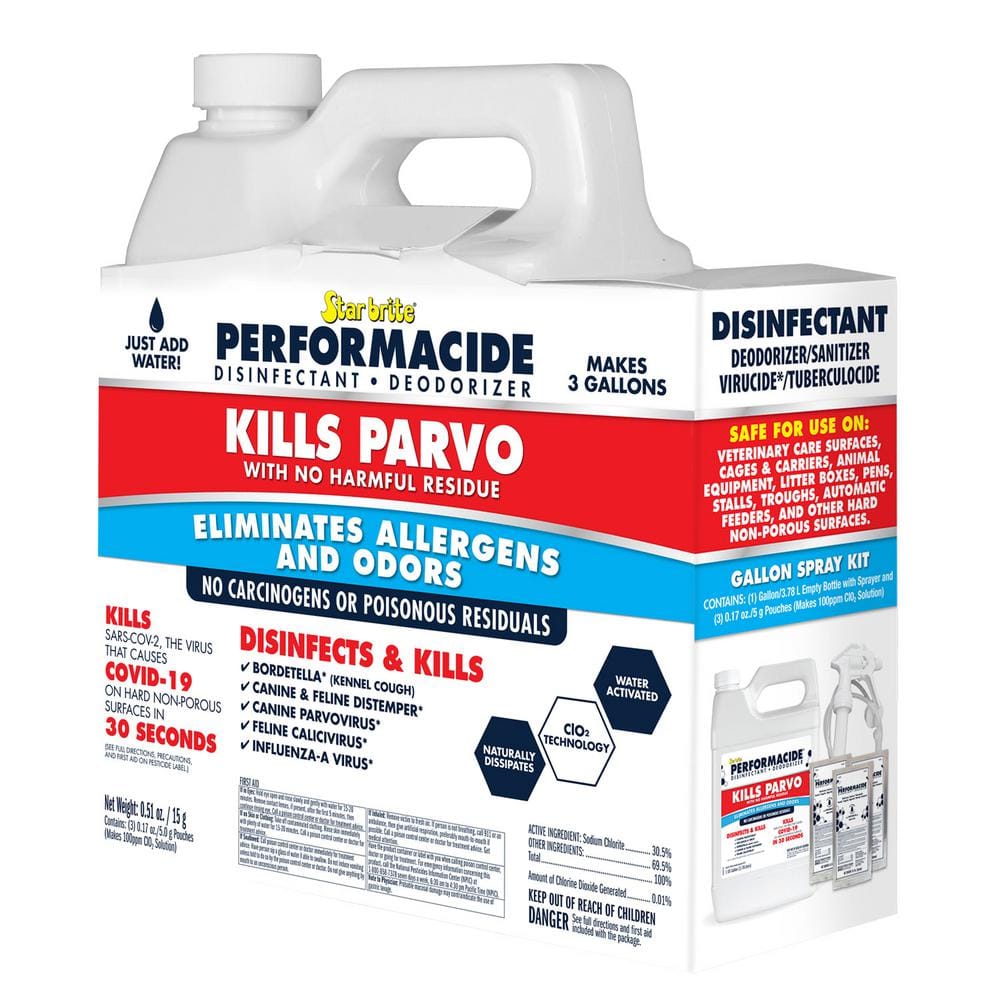
Image Source: images.thdstatic.com
How To Kill Parvo In Yard Safely & Effectively
Can you kill parvo in your yard, and how do you do it safely? Yes, you absolutely can kill parvo in your yard safely and effectively, but it requires a thorough and consistent approach using the right products and methods. The goal of parvo yard treatment is to eliminate the highly resilient parvovirus from your outdoor space, protecting other dogs from this potentially deadly disease.
Parvovirus is a highly contagious and often fatal viral illness that primarily affects puppies and unvaccinated dogs. It attacks the gastrointestinal tract, causing severe vomiting, diarrhea, dehydration, and lethargy. Once a yard is contaminated, the virus can survive for extended periods – up to a year or even longer in ideal conditions – posing a constant threat to unvaccinated or immunocompromised dogs. Therefore, effective parvo yard sanitation is crucial if your dog has contracted the virus or if an infected dog has been in your yard.
Deciphering the Parvo Threat in Your Yard
Parvovirus is notoriously hardy. It can withstand a wide range of temperatures and environmental conditions, making it a formidable adversary. This means simply waiting for the virus to die off naturally is not a viable or safe strategy. Active intervention is necessary for successful parvo decontamination.
Key Characteristics of Parvovirus Survival:
- Longevity: Can survive for 12-24 months in soil and on surfaces.
- Resistance: Withstands many common disinfectants and cleaning agents.
- Transmission: Spreads through direct contact with infected dogs or indirect contact with contaminated feces, vomit, or environments.
Steps for Disinfecting Dog Yard and Killing Parvo Virus
A multi-pronged approach is essential for removing parvo from grass and other yard surfaces. This involves physical cleaning followed by disinfection with appropriate agents.
1. Immediate Containment and Removal
The first step in parvo yard treatment is to prevent further spread.
- Isolate Affected Dog: Keep any sick or suspected sick dogs away from the yard entirely. If they must go outside for potty breaks, use a designated, separate area that can be thoroughly disinfected afterward.
- Remove Feces and Vomit: Immediately and carefully remove any feces, vomit, or soiled organic material from the yard. Use gloves and a plastic bag. Double-bag the waste and dispose of it in an outdoor trash receptacle, preferably one that is sealed.
- Clean Affected Areas: For any visible contamination, scoop up as much of the affected soil, grass, or debris as possible. Place this material in a sealed bag for disposal.
2. Physical Cleaning of the Yard
Before disinfection, a thorough physical cleaning is necessary to remove as much organic matter as possible. Organic matter can shield the virus from disinfectants, making them less effective.
- Scrape and Bag: For hard surfaces like patios or concrete, scrape away any visible debris. For grassy areas, if there are heavily soiled spots, you may consider cutting the grass very short and bagging the clippings.
- Rinse and Wash: Rinse down all hard surfaces with a hose. If you have a pressure washer, this can be very effective for scrubbing and rinsing.
3. Selecting Safe Yard Chemicals for Parvo
This is where careful selection is paramount. Not all disinfectants kill parvovirus, and some can be harmful to pets, people, or the environment. The key is to find an outdoor parvo killer that is effective against the virus and safe for your yard once properly used and diluted.
Effective Disinfectants Against Parvovirus:
- Potassium Peroxymonosulfate (Virkon™ S or similar): This is widely recognized as one of the most effective and safe broad-spectrum disinfectants against parvovirus. It is often used in veterinary clinics. It’s a powder that you mix with water.
- Pros: Highly effective against parvo, relatively safe for the environment once diluted and dried, can be used on many surfaces.
- Cons: Can be a bit more expensive, requires proper mixing ratios.
- Sodium Hypochlorite (Bleach): A diluted bleach solution is also effective against parvovirus. A solution of 1:30 (1 part bleach to 30 parts water) is commonly recommended.
- Pros: Readily available, inexpensive.
- Cons: Can damage or discolor fabrics and some surfaces, strong fumes, requires thorough rinsing, can be harmful to plants and wildlife if not used carefully, and can be neutralized by organic matter. Crucially, never mix bleach with other cleaning products, especially ammonia, as this creates toxic fumes.
- Accelerated Hydrogen Peroxide (e.g., Rescue™ Disinfectant): Some hydrogen peroxide-based disinfectants are formulated to be effective against parvovirus and are generally considered safer for the environment and for use around pets once dry. Always check the product label for efficacy against canine parvovirus.
- Pros: Often considered safer for animals and the environment than bleach, effective against a broad spectrum of pathogens.
- Cons: May be more expensive, requires adherence to contact times.
Important Considerations When Choosing Disinfectants:
- Efficacy Against Parvovirus: Always check the product label to confirm it is effective against canine parvovirus. Not all “disinfectants” are potent enough.
- Contact Time: Most disinfectants require a specific “contact time” – the amount of time the surface must remain wet with the disinfectant for it to kill the virus. This can range from several minutes to an hour or more.
- Dilution Ratios: Improper dilution can render the disinfectant ineffective or too harsh. Follow the manufacturer’s instructions precisely.
- Safety for Pets and Plants: Consider how the disinfectant will affect your pets, especially if they have sensitive skin or are prone to licking surfaces. Also, think about its impact on your lawn, plants, and any water sources.
4. The Parvo Decontamination Process: Applying Disinfectants
The application method is as important as the disinfectant itself.
-
Application Methods:
- Sprayers: A garden sprayer is ideal for applying disinfectants evenly over larger areas like grass and patios.
- Scrub Brushes/Mops: For hard surfaces, a stiff brush or mop can help work the disinfectant into crevices.
- Watering Cans: Can be used for smaller areas or spot treatments.
-
Application Steps:
- Pre-Clean: Ensure the area is as free of debris as possible.
- Mix Solution: Accurately mix your chosen disinfectant according to the manufacturer’s instructions.
- Saturate Surfaces: Thoroughly wet all surfaces with the disinfectant solution. Ensure no areas are missed. For grassy areas, ensure the solution reaches the soil.
- Observe Contact Time: Allow the disinfectant to remain wet on the surface for the recommended contact time. This is critical for killing parvo virus.
- Rinse (if necessary): Some disinfectants, like bleach, require thorough rinsing with clean water after the contact time to remove residue and prevent damage or harm. Others, like Virkon™ S or Rescue™, may not require rinsing once dry, making them more convenient for yard use. Always check the product label.
- Drying: Allow treated areas to dry completely before allowing pets back into the yard.
5. Addressing Grass and Soil
Removing parvo from grass and soil is challenging because the virus penetrates the soil.
- Dilution and Penetration: For grassy areas, you want the disinfectant solution to penetrate the soil. Potassium Peroxymonosulfate and Accelerated Hydrogen Peroxide solutions are generally preferred for this as they are less likely to harm grass and soil organisms than highly diluted bleach.
- Multiple Treatments: You may need to repeat the disinfection process multiple times over several weeks or months to ensure the virus is eradicated. The frequency will depend on the chosen disinfectant, environmental conditions (sunlight can degrade some viruses but not parvo effectively), and the severity of the contamination.
- Sunlight and Heat: While sunlight and heat can help degrade the virus over time, they are not sufficient on their own to kill it quickly or reliably.
6. Cleaning Dog Yard After Parvo – Ongoing Measures
Parvo prevention yard strategies are vital even after initial decontamination.
- Regular Disinfection: Depending on the situation and your vet’s advice, you might need to continue regular disinfection of high-traffic areas.
- Limit Access: If possible, limit your dog’s access to areas where contamination was highest.
- Good Hygiene: Continue to practice excellent hygiene: pick up feces immediately, wash your hands after handling your dog or cleaning the yard, and wash your dog’s bedding and toys regularly.
- Vaccination: Ensure all dogs in your household and any visiting dogs are up-to-date on their parvovirus vaccinations and other core vaccines.
Specific Area Treatments
Different parts of your yard will require slightly different approaches.
Hard Surfaces (Patios, Decks, Fences)
- Scrubbing: Use a stiff brush with your chosen disinfectant solution.
- Rinsing: Thoroughly rinse with clean water if using bleach.
- Drying: Allow to dry completely.
Grass and Soil
- Penetration is Key: Use a sprayer to ensure good coverage and penetration into the soil.
- Multiple Applications: Expect to repeat treatments.
- Consider Soil Replacement: In extreme contamination cases, especially on a small patio or play area, removing and replacing the top layer of soil might be considered, but this is a significant undertaking for a whole yard.
Wooden Structures and Fences
- Wipe Down/Spray: Apply disinfectant solution and allow it to sit for the recommended contact time.
- Rinsing: May be necessary depending on the product.
Dog Houses and Outdoor Kennels
- Empty Completely: Remove all bedding, toys, and food/water bowls.
- Scrub and Disinfect: Thoroughly clean and disinfect the interior and exterior.
- Allow to Dry: Ensure everything is dry before returning items.
Parvo Prevention Yard Strategies
Preventing parvovirus from entering your yard is always better than dealing with an outbreak.
- Vaccination Status: Know the vaccination status of any dogs that enter your yard.
- Puppy Safety: Keep unvaccinated puppies away from public areas where other dogs frequent.
- Hygiene: If you suspect a dog with parvo has been in your yard, be extremely diligent with cleaning and disinfection, even if your own dog is vaccinated.
Important Safety Precautions
- Personal Protective Equipment (PPE): Wear gloves, eye protection, and appropriate clothing when handling disinfectants.
- Ventilation: Ensure good ventilation if using disinfectants with strong fumes.
- Pet Safety: Always ensure pets are kept away from treated areas until they are completely dry and any rinsing has been completed according to product instructions.
- Environmental Impact: Be mindful of where the runoff goes. Avoid direct application into storm drains or bodies of water.
- Read Labels: Always read and follow the manufacturer’s instructions for any disinfectant you use.
Table: Comparison of Disinfectant Options for Parvovirus
| Disinfectant Type | Efficacy Against Parvo | Safety (General) | Yard Application Considerations |
|---|---|---|---|
| Potassium Peroxymonosulfate | Excellent | Good | Mix with water. Effective on most surfaces. Reaches soil well. Often requires rinsing for some applications but may not for others. Check label. |
| Sodium Hypochlorite (Bleach) | Good (at proper dilution) | Fair | Dilute 1:30 with water. Can damage surfaces. Strong fumes. Must be rinsed thoroughly. Harmful to plants if not diluted or rinsed. |
| Accelerated Hydrogen Peroxide | Excellent | Very Good | Mix with water. Effective on many surfaces. Generally safe for plants and pets once dry. Check label for specific dilution and contact times. |
Frequently Asked Questions (FAQ)
Q1: How long does parvo live in the yard?
A1: Parvovirus can survive in the environment for up to a year or even longer, especially in shaded or protected areas. This is why thorough disinfection is crucial.
Q2: Can my vaccinated dog still get parvo from the yard?
A2: While vaccinated dogs have strong protection, no vaccine is 100% effective. A highly challenged environment with a significant viral load can sometimes overwhelm a dog’s immunity, especially if the vaccine series wasn’t fully completed or if the dog is immunocompromised.
Q3: What if I can’t access a specific disinfectant like Virkon™ S?
A3: A properly diluted bleach solution (1:30) is the next best readily available option. However, be extremely cautious with its application, ensure thorough rinsing, and protect your plants and pets. Accelerated hydrogen peroxide products are also excellent alternatives if available.
Q4: How often do I need to treat my yard for parvo?
A4: This depends on the severity of contamination and the product used. For initial decontamination, multiple treatments may be needed over several weeks. Follow your veterinarian’s advice. Regular disinfection of high-traffic areas may be necessary for an extended period.
Q5: Can I use bleach on my grass?
A5: Diluted bleach (1:30) can be used on grass, but it’s not ideal. It can kill grass and harm beneficial soil organisms. It’s best to rinse it thoroughly after the contact time. Potassium peroxymonosulfate or accelerated hydrogen peroxide are generally safer for grass.
Q6: What about my dog’s toys and bedding?
A6: All washable items like bedding, towels, and durable toys should be washed in hot water with a strong detergent and then soaked in a diluted bleach solution or an effective parvovirus disinfectant (like Virkon™ S or Rescue™) for the recommended contact time. Non-washable toys or items that cannot be disinfected should be discarded.
Q7: My vet recommended I avoid certain areas of the yard. Why?
A7: Your vet might suggest avoiding certain areas if they are particularly hard to disinfect (e.g., heavily shaded spots, areas with lots of organic debris) or if those areas are where the infected dog spent most of its time and therefore have the highest viral load. They might recommend those areas be cordoned off for a longer period or even have the soil removed and replaced.
Q8: Is it safe to walk my dog in my yard after cleaning?
A8: Only after the treated areas are completely dry and any necessary rinsing has been completed. Always follow the specific product’s instructions regarding re-entry for pets.
Q9: How can I protect my other dogs from parvo?
A9: The most critical step is ensuring all dogs in your household are fully vaccinated and their booster shots are up-to-date. Practice excellent hygiene, and if you know of a parvo exposure, be extra vigilant with cleaning and disinfection.
Q10: Can I use natural remedies to kill parvo?
A10: While some natural products have disinfectant properties, they are generally not potent or reliable enough to kill parvovirus, which is extremely resilient. For effective parvo yard sanitation, it is essential to use EPA-approved disinfectants specifically proven to kill canine parvovirus. Relying solely on natural remedies can leave your yard contaminated and put other dogs at risk.
Effectively tackling parvovirus in your yard requires diligence, the right products, and a commitment to thoroughness. By following these steps, you can significantly reduce the risk and create a safer environment for your canine companions. Always consult your veterinarian for specific advice tailored to your situation.