
Image Source: cdn.mos.cms.futurecdn.net
How To Get Rid Of Wild Onions In The Yard: Effective Methods
Can you get rid of wild onions in your yard? Yes, you can effectively get rid of wild onions using a combination of methods, including manual removal, cultural practices, and targeted treatments.
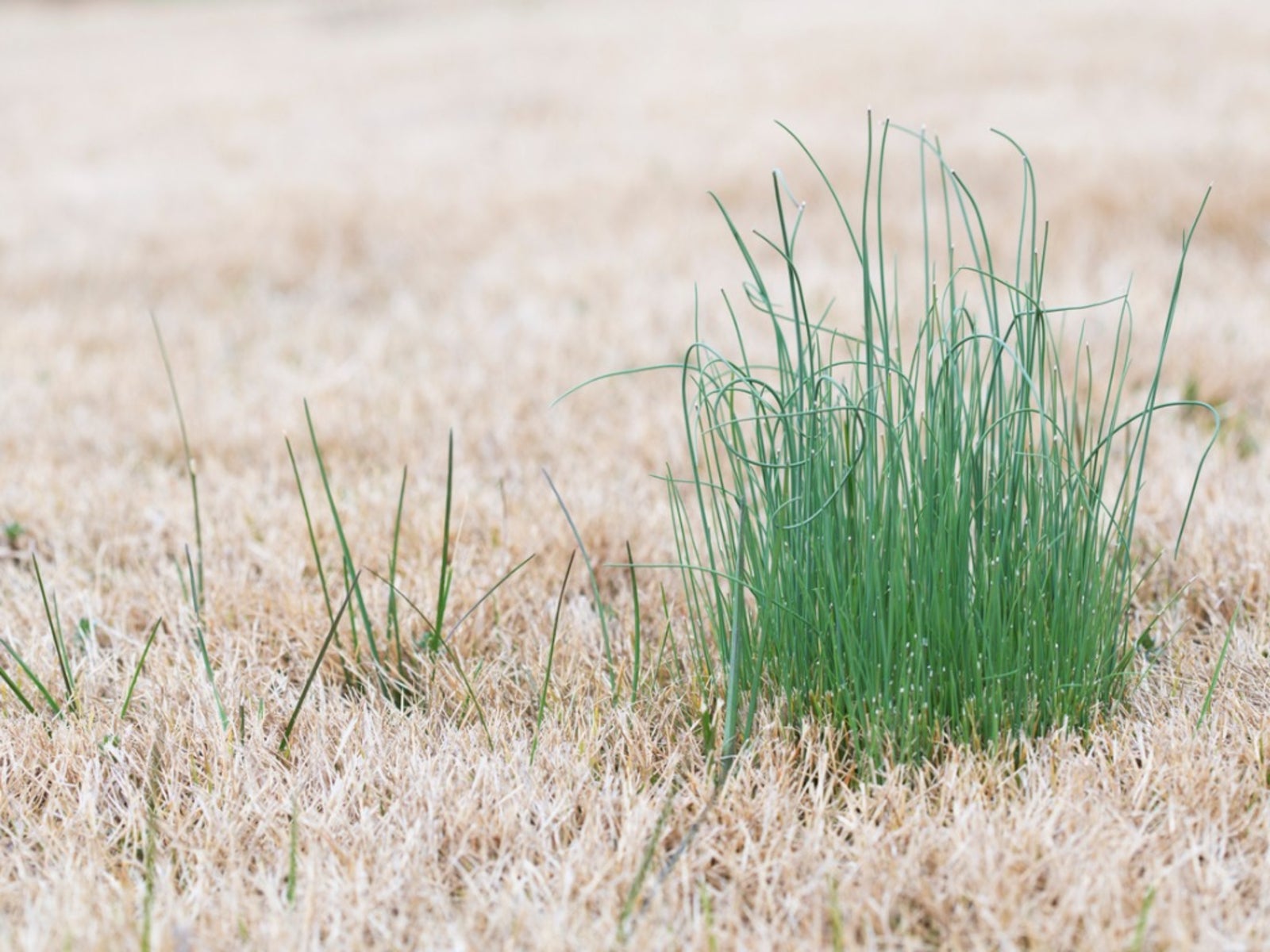
Wild onions and wild garlic, scientifically known as Allium species, are common invaders in many lawns and gardens. Their distinctive oniony or garlicky scent when crushed, along with their grassy appearance, makes them easily identifiable. While they might seem harmless, these plants can outcompete desirable grass species, spread rapidly, and their bulbs can clog lawnmowers and create unsightly patches. The good news is that with persistence and the right strategies, you can achieve successful wild onion control.
Identifying the Culprit: What Exactly Are Wild Onions?
Before diving into removal methods, it’s crucial to correctly identify these unwanted guests. Wild onions (Allium canadense) and wild garlic (Allium vineale) are perennial plants that reproduce through bulbs, bulblets (offsets), and sometimes aerial bulblets (called cloves or “peanuts”). They typically emerge in cooler weather, often in late fall or winter, and remain active through spring.
Key Identification Features:
- Leaves: They have long, narrow, hollow, and cylindrical leaves, similar to grass. This can sometimes make them tricky to distinguish from certain types of turfgrass.
- Smell: The most telling sign is the pungent onion or garlic odor released when the leaves or stems are crushed or bruised.
- Flowers: In late spring or early summer, they produce spherical clusters of pinkish or whitish flowers atop a leafless stalk. Some varieties also produce small bulblets within the flower cluster.
- Bulbs: Underground, they have small, clustered bulbs, often covered in a papery tunic. These bulbs are the primary means of reproduction and survival.
Distinguishing between wild onion and wild garlic can be subtle. Wild garlic often has more numerous and smaller aerial bulblets (cloves) within its flower heads, and its leaves may be slightly more rounded than the flattened or channeled leaves of wild onion. However, for practical onion weed removal purposes, the management strategies are largely the same.
Why Are Wild Onions a Problem?
Beyond their less-than-ideal aesthetic, wild onions pose several challenges to a healthy yard:
- Competition: They compete with your lawn for water, nutrients, and sunlight, weakening your desired grass.
- Taste Contamination: If you have pets that graze on grass, or if your lawn is used for grazing livestock, wild onions can impart an unpleasant flavor to milk, eggs, and meat.
- Clogging Mowers: Their dense growth and tough leaves can clog lawnmower blades, making mowing difficult and potentially damaging your equipment.
- Rapid Spread: Their efficient reproduction means a small patch can quickly become a widespread problem.
Effective Methods for Wild Onion Control
Getting rid of onion grass in lawn areas requires a multi-pronged approach. Combining different strategies will yield the best results for eliminating wild onions.
1. Manual Removal: The Hands-On Approach
For smaller infestations, manual removal is a viable and environmentally friendly option. This involves physically pulling the plants from the ground.
When to Do It:
- Best Time: Late fall or early spring, when the soil is moist, making it easier to pull the entire plant, including the bulb.
- Avoid Dry Conditions: Trying to pull them when the soil is dry will likely result in breaking the plant, leaving the bulb intact to regrow.
How to Do It:
- Digging: Use a trowel, spade, or specialized weed puller to loosen the soil around the base of the plant.
- Pull Gently: Grasp the plant near the base and pull upwards, trying to extract the entire root system and bulb.
- Inspect: After pulling, inspect the soil for any remaining bulb fragments, as these can also sprout.
- Dispose: Bag the removed plants and dispose of them in a way that prevents them from resprouting (e.g., municipal compost if accepted, or sealed in trash bags). Do not compost them in your home compost bin unless you are certain your compost reaches temperatures high enough to kill the bulbs.
Pros:
- Environmentally friendly, no chemicals involved.
- Effective for small, localized patches.
- Immediate visual improvement.
Cons:
- Labor-intensive and time-consuming for larger areas.
- Can be difficult to remove every bulb, leading to regrowth.
- May disturb the surrounding lawn, requiring reseeding or repair.
2. Cultural Practices: Strengthening Your Lawn
A healthy, vigorous lawn is the best defense against weed invasion. Implementing good lawn care practices can help your grass outcompete wild onions.
Key Cultural Practices:
- Proper Mowing: Maintain your lawn at the recommended height for your grass type. Taller grass shades the soil, discouraging weed seed germination and helping the turf grow more robustly. Never mow lower than the recommended height, as this weakens the grass.
- Adequate Watering: Water your lawn deeply and infrequently. This encourages deep root growth in your turf, making it more resilient to stress and competition. Avoid shallow, frequent watering, which favors shallow-rooted weeds.
- Fertilization: Feed your lawn with the right nutrients at the appropriate times of the year. A well-fed lawn has the density and vigor to resist weed encroachment. Use a slow-release fertilizer to provide consistent nourishment.
- Aeration: Aerating your lawn helps to relieve soil compaction, allowing water, nutrients, and air to reach the grass roots more effectively. This promotes healthier, denser turf.
- Overseeding: In the fall, overseeding your lawn with a high-quality grass seed appropriate for your region can help fill in thin areas and create a thicker turf that suppresses weeds.
These methods contribute to wild onion eradication by creating an environment where your desired grass thrives and can naturally outcompete invasive species.
3. Chemical Treatments: Targeted Application
For more stubborn or widespread infestations, chemical herbicides may be necessary. It’s important to use these products responsibly and according to label instructions.
Choosing the Right Herbicide:
- Broadleaf Herbicides: Wild onions are broadleaf plants, so herbicides designed to control broadleaf weeds are generally effective.
- Selective Herbicides: Look for selective herbicides that target broadleaf weeds without harming your lawn grass. Common active ingredients include 2,4-D, MCPP (mecoprop), and dicamba.
- Combination Products: Many commercial products combine these active ingredients for broader spectrum control.
- Post-Emergent Applications: These are applied to actively growing weeds.
Application Timing:
- Best Window: The most effective time to apply herbicides for wild garlic removal and wild onion control is during the late fall or early spring. This is when the plants are actively growing and drawing nutrients down to the bulbs, making them more susceptible to herbicide uptake.
- Second Application: A follow-up application in early spring may be necessary to catch any plants that emerged later or survived the first treatment.
- Avoid Drought/Heat: Do not apply herbicides during periods of drought or extreme heat, as this can stress the lawn and reduce herbicide effectiveness.
Application Methods:
- Spot Treatment: For scattered plants, use a ready-to-use spray bottle or a backpack sprayer to apply the herbicide directly to the weeds.
- Broadcast Application: For larger areas, use a broadcast spreader or boom sprayer. Ensure even coverage.
- Read the Label Carefully: Always read and follow the herbicide label instructions for proper mixing ratios, application rates, safety precautions, and re-entry intervals.
Important Considerations for Chemical Control:
- Grass Type: Be aware of your lawn’s grass type. Some herbicides can damage or kill certain grass species.
- Wind: Avoid spraying on windy days to prevent drift onto desirable plants.
- Temperature: Many herbicides are most effective when temperatures are between 60°F and 85°F (15°C and 30°C).
- Pet Safety: Keep pets and children off the treated area until the herbicide has dried completely.
Chemicals to Consider (Always check local regulations and product availability):
| Herbicide Type | Common Active Ingredients | Target Weeds | Notes |
|---|---|---|---|
| Selective Broadleaf | 2,4-D, MCPP, Dicamba | Wild Onion, Wild Garlic, Dandelions, Clover | Effective on mature, actively growing plants. |
| Glyphosate (Non-selective) | Glyphosate | All plant types (grasses, broadleaf weeds) | Use for spot treatment or before establishing a new lawn. Will kill grass. |
Glyphosate Caution: While glyphosate is effective at how to kill wild onions, it is a non-selective herbicide. This means it will kill any plant it comes into contact with, including your lawn grass. Therefore, it should only be used for spot treatment on individual plants or in areas where you intend to renovate the lawn.
4. Natural Wild Onion Removal: Eco-Friendly Options
For those seeking to avoid synthetic chemicals, several natural wild onion removal methods can be employed. These often require more persistence and may not be as immediately effective as chemical treatments.
- Corn Gluten Meal: Applied in early fall or early spring, corn gluten meal acts as a pre-emergent herbicide, inhibiting root formation in germinating seeds and bulbs. It also provides nitrogen to the lawn. Proper timing is critical for its effectiveness.
- Vinegar (Horticultural Vinegar): Horticultural vinegar (acetic acid concentration of 10-20%) can burn the foliage of wild onions. However, it is non-selective and can damage grass. It is best used as a spot treatment on a calm day. Multiple applications may be needed, and it typically kills only the top growth, not the bulb.
- Boiling Water: Pouring boiling water directly onto the plants can kill them. This is a labor-intensive method and is best suited for very small patches. Like vinegar, it may not kill the bulb and can harm surrounding grass.
- Salt: While salt can kill plants, its use in the lawn is generally discouraged as it can sterilize the soil and damage grass. It’s not a recommended method for widespread wild onion eradication.
Important Note on Natural Methods: While these can be effective, they often require repeat applications and may not provide the same level of control as targeted herbicides, especially for established infestations.
Dealing with Wild Garlic vs. Wild Onion: Similarities and Differences in Management
While the terms “wild onion” and “wild garlic” are often used interchangeably in casual conversation, and their management strategies are largely the same, there are subtle differences that might influence your approach.
- Growth Habit: Wild garlic tends to form more aerial bulblets (cloves) in its flower heads, giving it a more “garlicky” appearance. Wild onion may have fewer or no aerial bulblets, relying more heavily on underground bulbs.
- Leaf Structure: Wild garlic leaves are often more rounded and hollow, while wild onion leaves can be flatter or U-shaped and somewhat hollow.
- Chemical Susceptibility: Generally, herbicides that target broadleaf weeds are effective against both. However, the density and type of bulblets can sometimes affect how readily the herbicide is absorbed.
For practical purposes in lawn care, consider them both as onion grass in lawn problems requiring similar solutions. The key is to target them during their active growth phases for maximum impact.
When to Seek Professional Help
If you have a severe infestation or are struggling to control wild onions with DIY methods, consider contacting a professional lawn care service. They have access to a wider range of herbicides and specialized equipment, and their expertise can ensure effective and safe onion weed removal.
Prevention is Key: Stopping Wild Onions Before They Start
The best way to deal with wild onions is to prevent them from establishing in the first place.
- Maintain a Healthy Lawn: As discussed earlier, a dense, healthy lawn is your best defense.
- Monitor New Areas: If you’re planting new garden beds or sodding new areas, carefully inspect the soil for any signs of wild onion bulbs.
- Early Detection: Be vigilant in identifying and removing any stray wild onion plants as soon as you see them. Early intervention makes wild onion control much easier.
- Mulching: In garden beds, a thick layer of mulch can help suppress weed growth, including wild onions.
Frequently Asked Questions (FAQ)
Q1: Can I just mow over wild onions?
While mowing will remove the top growth, it won’t eliminate the plant. The bulbs will remain in the soil and will regrow. Mowing also doesn’t address the taste contamination issue if you have livestock.
Q2: Will herbicides kill my grass if I use them for wild onions?
Selective herbicides are designed to kill broadleaf weeds without harming most lawn grasses. However, it’s crucial to use the correct product for your grass type and to follow label instructions precisely. Non-selective herbicides like glyphosate will kill all plants, including grass.
Q3: How long does it take to get rid of wild onions?
Complete wild onion eradication can take several seasons. It requires consistent effort, as new bulbs can sprout from the soil or be introduced from surrounding areas.
Q4: Is there a way to get rid of wild onions naturally without chemicals?
Yes, manual removal, improving lawn health through cultural practices, and using methods like corn gluten meal are natural ways to manage wild onions. These methods often require more patience and persistence.
Q5: What is the best time of year to treat wild onions?
The most effective time for both manual removal and chemical treatment is during the late fall or early spring when the plants are actively growing and drawing nutrients down to the bulbs.
Q6: I’ve heard about “garlic mustard control.” Is that related to wild onions?
Garlic mustard (Alliaria petiolata) is a different invasive plant entirely, though it also has a distinctive smell when crushed. While it’s also an unwanted plant, the methods for controlling garlic mustard are distinct from those for wild onion and wild garlic.
By employing a combination of these effective methods, you can regain control of your lawn and enjoy a weed-free outdoor space. Remember that consistency and persistence are key to successful wild onion control and onion weed removal.