
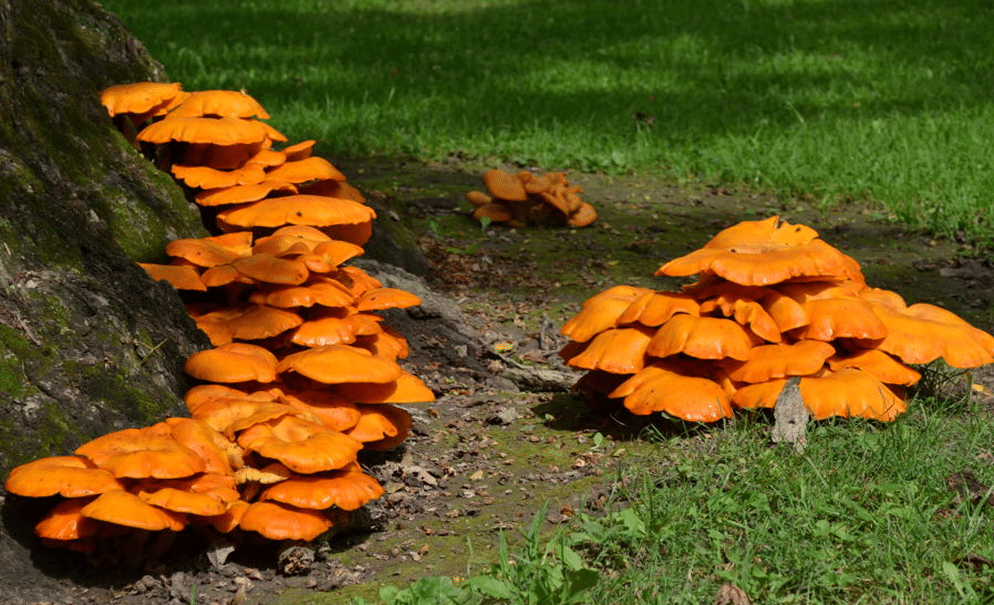
Image Source: holdenfg.org
How To Get Rid Of Orange Mushrooms In Yard: Easy Fixes
Can you get rid of orange mushrooms in your yard? Yes, you can get rid of orange mushrooms in your yard by addressing the underlying cause of their growth and by employing several removal methods.
Orange mushrooms popping up in your lawn can be a common, albeit unwelcome, sight. While they might add a splash of color, they often signal underlying issues with your yard’s environment and can sometimes indicate the presence of poisonous mushrooms. Fortunately, getting rid of them is usually straightforward with the right approach. This guide will walk you through how to get rid of orange mushrooms in your yard, covering everything from identifying yard mushrooms to implementing effective mushroom removal techniques and improving your overall lawn care.
Why Do Orange Mushrooms Appear in My Yard?
The appearance of orange mushrooms, or any mushrooms for that matter, is a sign that the soil in your yard is rich in organic matter and has sufficient moisture. Mushrooms are the fruiting bodies of fungi that live underground. They decompose dead organic material, which is a vital part of a healthy ecosystem. However, when they become an eyesore or a concern for safety, it’s time to take action.
Several factors contribute to their growth:
- Excess Moisture: This is perhaps the most significant factor. Overwatering, poor drainage, or consistently damp conditions create an ideal environment for fungi to thrive.
- Thatch Buildup: A thick layer of dead grass and organic debris (thatch) on your lawn can trap moisture and provide a food source for fungi.
- Decomposing Organic Matter: Old tree stumps, buried wood, leaf litter, animal waste, or even pet excrement can serve as a food source for mushroom-producing fungi.
- Shady Conditions: Areas of your yard that receive less sunlight tend to stay moister for longer, promoting fungal growth.
- Soil Compaction: Compacted soil hinders drainage, leading to moisture retention and a fertile ground for mushrooms.
- Fertilizer Use: Over-fertilizing, especially with nitrogen-rich fertilizers, can sometimes encourage fungal growth.
Identifying Your Orange Visitors: Is It Safe?
Before you start your mushroom removal mission, it’s crucial to try and identify the specific type of orange mushroom. This is important because some mushrooms can be poisonous mushrooms, posing a risk to children and pets who might be tempted to taste them.
Identifying yard mushrooms can be tricky, as many look similar. Generally, the bright orange varieties you might find are often species like Omphalotus illudens (Jack-o’-lantern mushroom) or various Galerina species.
- Jack-o’-lantern mushrooms: These grow in clusters on decaying wood or buried roots. They have a bright orange color and often have a slightly sticky cap. A key characteristic, though not always visible, is that they can sometimes exhibit a faint bioluminescent glow in the dark. While not deadly, they can cause severe gastrointestinal upset if ingested.
- Little Brown Mushrooms (LBMs): Some smaller, less conspicuous orange or brownish mushrooms can be LBMs. Many LBMs are harmless decomposers, but some can be toxic.
Key identification points to consider:
| Feature | Description |
|---|---|
| Color | Bright orange, pale orange, rusty orange. |
| Size | Small button-like, medium-sized, or larger shelf-like. |
| Shape | Cap-and-stem, puffball, bracket or shelf-like. |
| Texture | Smooth, sticky, velvety. |
| Gills | Attached to stem, free, or absent. Color can vary. |
| Stem | Present, absent, solid, hollow, presence of a ring or volva (cup). |
| Growth Pattern | Single, scattered, in clusters, on wood, on grass. |
| Odor | Pleasant, earthy, unpleasant, none. |
Crucial Safety Warning: If you have any doubt about the identity of a mushroom, especially if you have children or pets, it is best to err on the side of caution. Do not touch or consume them. Consider consulting a local mycologist or a reliable online identification guide with a strong disclaimer. For practical purposes in mushroom removal, you can treat all unknown mushrooms as potentially harmful and focus on their elimination.
Easy Fixes: How to Get Rid of Orange Mushrooms in Your Yard
The most effective way to get rid of orange mushrooms is to address the environmental conditions that encourage their growth. Simply removing the visible mushrooms is a temporary fix. Think of it as treating the symptom, not the cause.
Method 1: Physical Removal – The Direct Approach
This is the most immediate way to deal with the visible mushrooms.
- What to do:
- Wear gloves.
- Gently dig up the mushrooms, including their base, using a trowel or spade. Try to get as much of the underground mycelium (the root-like structure of the fungus) as possible.
- Place the removed mushrooms in a plastic bag, seal it tightly, and dispose of them in the trash. Do not compost them, as this can spread spores.
- Why it works: This removes the visible fruiting bodies, preventing them from releasing more spores.
- Considerations: This is a recurring task, especially after rain. It doesn’t solve the underlying problem.
Method 2: Water Management – The Foundation of Lawn Care
Controlling moisture is key to preventing lawn fungus and yard mold.
- Improve Drainage:
- Aeration: This process creates small holes in the soil, allowing air, water, and nutrients to penetrate deeper. This is particularly helpful for compacted soil. You can rent an aerator or hire a professional.
- Core Aeration: This method pulls out plugs of soil, which is more effective than spike aeration.
- Dethatching: Remove the thick layer of thatch that holds excess moisture. A power rake or dethatcher can be used. Aim to remove thatch when it’s more than half an inch thick.
- Adjust Watering Schedule:
- Water your lawn deeply but infrequently. This encourages deeper root growth, making the lawn more resilient.
- Water in the morning. This allows the grass blades to dry off during the day, reducing the risk of fungal diseases.
- Avoid overwatering. Check soil moisture by inserting a screwdriver; if it goes in easily, the soil is moist enough.
Method 3: Organic Mushroom Control – Nature’s Way
For those seeking organic mushroom control, focusing on improving soil health is paramount.
- Remove Organic Debris:
- Rake up fallen leaves, twigs, and any other organic debris that can act as a food source for fungi.
- If you have old tree stumps or buried wood, these are prime culprits. Consider removing them. If removal is not feasible, you can accelerate their decomposition using natural methods like drilling holes and filling them with compost or nitrogen-rich material, which might initially encourage fungal growth but ultimately breaks down the wood faster.
- Improve Soil Aeration:
- Besides mechanical aeration, you can top-dress your lawn with compost. This introduces beneficial microorganisms that compete with fungi and improves soil structure.
- Beneficial Microorganisms:
- Introducing beneficial fungi and bacteria can help outcompete the parasitic fungi that cause mushrooms. Products containing mycorrhizal fungi or specific soil amendments can aid in this.
Method 4: DIY Mushroom Killer – Natural Solutions
While there isn’t a magic DIY mushroom killer that instantly eradicates the entire fungal network, some solutions can help manage the visible mushrooms and discourage regrowth.
- Baking Soda Solution:
- How to make: Mix one tablespoon of baking soda with one gallon of water.
- How to use: Spray directly onto the mushrooms and the affected soil area.
- Why it works: Baking soda increases the soil’s pH, making it less hospitable to many types of fungi.
- Caution: Use sparingly, as excessive baking soda can harm your grass.
- Vinegar Solution:
- How to make: Mix one part white vinegar with two parts water.
- How to use: Spray directly onto the mushrooms.
- Why it works: The acetic acid in vinegar can kill fungal cells on contact.
- Caution: Vinegar is acidic and can damage grass if used too concentrated or too often. Test on a small area first.
Method 5: Chemical Control – When Other Methods Fail
Chemical fungicides are an option, but they should be a last resort, especially if you’re aiming for organic mushroom control.
- Types of Fungicides:
- Broad-spectrum fungicides: These can kill a wide range of fungi, but they can also harm beneficial soil organisms.
- Targeted fungicides: These are designed for specific types of fungal diseases.
- How to use:
- Always read and follow the label instructions carefully.
- Apply according to the product’s recommendations, typically when mushrooms first appear.
- Ensure the product is labeled for use on lawns and for the type of fungus you suspect.
- Considerations: Chemicals can have environmental impacts and may not be suitable for everyone, especially those with children or pets.
Long-Term Lawn Care and Maintenance
Consistent yard maintenance is the best strategy for preventing future mushroom outbreaks.
- Regular Dethatching and Aeration: Make these part of your annual lawn care routine.
- Proper Fertilization: Fertilize your lawn at the right times of year and avoid over-fertilizing.
- Mulching: Use mulch in garden beds and around trees, but keep it away from the lawn’s surface. Ensure mulch isn’t piled up against tree trunks, as this can lead to rot and encourage fungi.
- Soil Testing: Periodically test your soil’s pH and nutrient levels. This helps you make informed decisions about amendments and fertilizers. An ideal soil pH for most lawns is between 6.0 and 7.0, which is less conducive to fungal growth.
- Address Shade Issues: If excessive shade is a problem, consider pruning overhanging tree branches or choosing shade-tolerant grass varieties.
Preventing Future Mushroom Growth: A Holistic Approach
Think of your lawn as a living ecosystem. When mushrooms appear, it’s a signal that something in the ecosystem needs adjusting.
- Focus on Soil Health: Healthy soil supports healthy grass. Good soil health means better drainage, fewer fungal pathogens, and stronger turf that can outcompete weeds and fungi.
- Diversify Your Lawn: Consider overseeding with different grass types or introducing clover. These can improve soil nitrogen levels and overall resilience.
- Patience and Persistence: Reclaiming your lawn from persistent lawn fungus can take time. Be consistent with your yard maintenance practices.
Summary Table of Mushroom Removal Strategies
| Strategy | Primary Action | Best For | Potential Downsides |
|---|---|---|---|
| Physical Removal | Digging up visible mushrooms | Immediate aesthetic improvement | Temporary; doesn’t address root cause |
| Water Management | Aeration, dethatching, adjusting watering schedule | Long-term prevention, improving drainage | Requires effort and potentially equipment |
| Organic Control | Removing debris, improving soil structure, compost | Sustainable, environmentally friendly | Slower results; requires consistent effort |
| DIY Solutions | Baking soda or vinegar sprays | Mild cases, quick surface treatment | Can harm grass if overused; requires testing |
| Chemical Control | Fungicide application | Severe infestations, persistent problems | Environmental concerns, can harm beneficial organisms |
Frequently Asked Questions (FAQ)
- Q1: Are orange mushrooms in my yard dangerous?
- Some orange mushrooms, like the Jack-o’-lantern mushroom, can cause severe gastrointestinal distress if ingested. It’s safest to assume any unknown mushroom could be harmful, especially if you have pets or young children.
- Q2: How quickly can I get rid of orange mushrooms?
- You can remove visible mushrooms quickly through physical removal. However, addressing the underlying cause to prevent regrowth can take several weeks or months of consistent yard maintenance and environmental adjustments.
- Q3: Can I just mow over the mushrooms?
- Mowing over mushrooms will break them up and spread their spores, potentially making the problem worse. It’s best to remove them physically.
- Q4: Is it bad for my lawn to have mushrooms?
- Mushrooms themselves aren’t inherently bad for your lawn; they are a sign of decomposition, which is natural. However, their presence often indicates excessive moisture or organic matter, which can lead to other lawn fungus issues or weaken the turf.
- Q5: How do I prevent mushrooms from coming back?
- The best prevention is consistent yard maintenance, focusing on proper watering, good drainage, regular dethatching, and removing decaying organic matter from your lawn. Improving soil health is the most effective long-term strategy.
By understanding the causes of mushroom growth and implementing these practical solutions, you can effectively manage and eliminate orange mushrooms from your yard, ensuring a healthier and more attractive lawn. Remember, a healthy lawn is your best defense against unwanted lawn fungus and yard mold.