
Can you get rid of yard mold permanently? Yes, by identifying and addressing the underlying causes of moisture and poor air circulation, you can effectively manage and prevent yard mold from returning permanently.
Mold is an unwelcome guest in any yard. Whether it’s black mold in yard areas, fuzzy growth on your lawn, or that unsightly green mold on patio surfaces, mold thrives in damp, shady conditions. Dealing with mold isn’t just about aesthetics; some molds can even pose health risks. This guide will walk you through the process of yard mold removal and how to achieve mold remediation yard success, focusing on eliminate mold on grass and effective outdoor mold treatment. We’ll also delve into compost pile mold and offer tips on moldy lawn care and how to prevent yard mold from becoming a recurring problem.
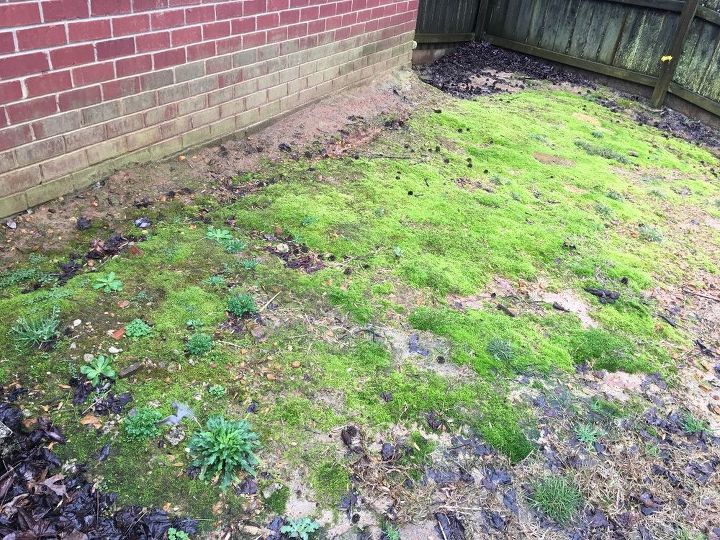
Image Source: cdn-fastly.hometalk.com
Fathoming the Causes of Yard Mold
Before we can talk about getting rid of mold, it’s crucial to understand why it appears in the first place. Mold is a type of fungus, and like all fungi, it needs specific conditions to grow and spread. The primary culprits are:
- Excess Moisture: This is the single biggest factor. Leaky sprinklers, poor drainage, prolonged periods of rain, and even dew can create the damp environments mold loves.
- Lack of Sunlight: Shady areas, especially those blocked by trees, buildings, or dense foliage, don’t dry out as quickly. This prolonged dampness is a mold breeding ground.
- Poor Air Circulation: Stagnant air traps moisture, preventing surfaces from drying. Overgrown plants, dense mulch layers, and closely packed structures can all contribute to this.
- Organic Matter: Mold feeds on decaying organic material. This includes thatch buildup in lawns, fallen leaves, grass clippings, and rotting wood.
- High Humidity: Humid climates naturally provide the moisture mold needs to thrive, even without obvious standing water.
Identifying Mold in Your Yard
Spotting mold is key to tackling it. Common signs include:
- Patches of Discoloration: This can range from white, fuzzy patches to black, green, or even orange spots on grass, soil, or hard surfaces.
- Foul Odors: Some molds emit a musty, earthy smell, especially when the weather is damp.
- Slimy or Fuzzy Textures: Mold can appear as a powdery or fuzzy growth on surfaces.
- Deterioration of Materials: Mold can break down wood, siding, and other yard materials.
Your Step-by-Step Guide to Yard Mold Removal
Getting rid of yard mold is a process. It requires diligent effort and a commitment to changing the conditions that allow mold to grow.
Step 1: Assess the Extent of the Mold Problem
First, take a good look around your yard. Where is the mold most prevalent? Is it on your grass, your patio, your fence, or your mulch? Knowing the scope helps you plan your mold remediation yard strategy.
Common Mold Locations:
- Lawns: Often appears as circular patches of discolored grass, sometimes with a fuzzy white or pinkish growth. This is often a sign of fungal disease in the grass itself.
- Patios and Decks: Green or blackish stains on concrete, wood, or composite materials are common.
- Mulch and Soil: Patches of white or gray fuzzy growth are typical.
- Fences and Siding: Particularly on wooden structures in shaded, damp areas.
- Compost Piles: While some mold is natural and beneficial in compost, excessive or unusual mold can indicate an imbalance.
Step 2: Choose Your Treatment Method
There are several approaches to outdoor mold treatment. Your choice will depend on the type of mold, the affected surface, and your preference for chemical versus natural solutions.
Chemical Treatments (Use with Caution)
While effective, chemical treatments should be used judiciously and with protective gear.
- Chlorine Bleach: A common household item, bleach can kill surface mold.
- Mixture: Typically a 1:10 ratio of bleach to water.
- Application: Apply with a sprayer, let it sit for 10-15 minutes, then rinse thoroughly.
- Caution: Bleach can damage plants, discolor surfaces, and is harsh on skin and lungs. Always wear gloves, eye protection, and a mask. Avoid letting it run into waterways.
- Commercial Mold Removers: Many products are available specifically designed for outdoor mold. Read labels carefully for suitability for your specific surfaces (e.g., concrete cleaner, wood cleaner).
- Hydrogen Peroxide: A less harsh alternative to bleach, 3% hydrogen peroxide can be sprayed directly onto moldy areas. Let it sit for 10-15 minutes, then scrub and rinse.
Natural Mold Killer Outdoors Options
For those who prefer eco-friendly solutions, several natural mold killer outdoors options exist.
- Vinegar: White distilled vinegar is a potent natural mold killer outdoors. Its acidity breaks down mold.
- Application: Spray undiluted vinegar directly onto the moldy area. Let it sit for at least an hour before scrubbing and rinsing with water.
- Benefits: It’s non-toxic and readily available. The smell dissipates.
- Baking Soda: A mild abrasive and deodorizer, baking soda can also inhibit mold growth.
- Application: Mix with water to create a paste, apply to mold, scrub, and rinse. Or, dissolve a quarter tablespoon in a spray bottle of water and spray the area.
- Benefits: Safe, inexpensive, and helps with scrubbing.
- Tea Tree Oil: Known for its powerful antifungal properties.
- Mixture: Mix 1-2 teaspoons of tea tree oil with 2 cups of water in a spray bottle.
- Application: Spray onto the moldy area and let it air dry. Do not rinse.
- Caution: Tea tree oil can be potent. Test on an inconspicuous area first.
- Grapefruit Seed Extract: Another natural antifungal.
- Mixture: Mix 20-30 drops of grapefruit seed extract with 2 cups of water in a spray bottle.
- Application: Spray onto the moldy area and let it air dry.
Step 3: Tackle Mold on Different Surfaces
The method of yard mold removal will vary depending on where the mold is growing.
Eliminating Mold on Grass
Dealing with mold on grass is a bit different as it often indicates a fungal disease affecting the turf.
- Identify the Type: Different grass molds (like dollar spot, fairy ring, or slime mold) might require slightly different approaches, but general principles apply.
- Improve Drainage: Aerate your lawn to allow water to drain more effectively.
- Reduce Thatch: Thatch is a layer of dead grass and organic matter that holds moisture. Dethatch your lawn if the thatch layer is more than half an inch thick.
- Improve Air Circulation: Prune overhanging tree branches and trim shrubs that are too close to the lawn.
- Water Wisely: Water your lawn in the morning so it has time to dry before evening. Avoid overwatering.
- Fertilize Appropriately: Over-fertilizing, especially with high-nitrogen fertilizers, can make grass more susceptible to fungal diseases.
- Apply Fungicides: For persistent or severe cases, a fungicide specifically designed for lawn diseases may be necessary. Look for products containing propiconazole, myclobutanil, or chlorothalonil. Always follow label instructions carefully.
- Remove Debris: Rake up fallen leaves, grass clippings, and other organic debris promptly.
Cleaning Mold from Patios and Decks
This is where those green mold on patio patches are most common.
- For Concrete Patios:
- Sweep the area clean of loose debris.
- Apply your chosen cleaner (bleach solution, vinegar, or commercial cleaner).
- Let it sit for 10-15 minutes.
- Scrub with a stiff brush.
- Rinse thoroughly with a hose. A pressure washer on a low setting can be effective but be cautious not to damage the concrete surface.
- For Wooden Decks:
- Clear the deck of all furniture and belongings.
- Sweep away loose debris.
- Apply a deck cleaner specifically designed for mold and mildew. Many contain oxygen bleach, which is less harsh than chlorine bleach. Alternatively, use a diluted vinegar solution.
- Allow the cleaner to work according to the product instructions.
- Scrub the deck with a stiff brush or broom.
- Rinse thoroughly with a hose.
- Allow the deck to dry completely before applying any sealants or stains, if desired.
Addressing Mold in Mulch and Soil
- Remove Affected Mulch: If the mold is localized and not widespread in your mulch beds, carefully remove the top layer of moldy mulch and dispose of it properly (in a sealed bag).
- Improve Drainage: Ensure mulch beds have good drainage and are not holding excess water.
- Turn the Mulch: Gently turn or loosen the mulch with a rake to improve air circulation and allow it to dry out.
- For Soil: If mold is present in the soil itself, especially in new beds, it often indicates overwatering or poor aeration. Improving drainage and allowing the soil to dry can help.
Tackling Compost Pile Mold
Compost pile mold is a complex topic. Some mold is essential for decomposition. However, if you see excessive, unusual-looking mold, or if the pile isn’t breaking down properly, it could signal an issue.
- What’s Normal: White, fuzzy mold is a good sign your compost is working. It’s breaking down organic matter.
- What Might Be Wrong:
- Too Wet: The pile is too soggy, hindering aeration.
- Not Enough “Greens”: A lack of nitrogen-rich materials can lead to imbalances.
- Poor Aeration: The pile needs to be turned to allow air circulation.
- Solutions:
- Turn the Pile: Aerate your compost pile regularly. This is the most crucial step.
- Balance Greens and Browns: Ensure you have a good mix of nitrogen-rich materials (grass clippings, food scraps) and carbon-rich materials (dry leaves, shredded paper).
- Add More Browns: If the pile is too wet and dense, add more dry, carbon-rich materials.
- Improve Drainage: Ensure your compost bin or pile isn’t sitting in a puddle.
Step 4: Dry Out the Area
Once the visible mold is gone, the critical next step is to dry out the area. Mold cannot grow without moisture.
- Improve Drainage:
- For Lawns: Aerate, dethatch, and ensure downspouts are directed away from the lawn.
- For Patios: Check for low spots where water collects and consider adding gravel or improving grading.
- For Garden Beds: Ensure they are not compacted and allow for good water flow.
- Increase Sunlight: Trim overgrown trees and shrubs that cast excessive shade on mold-prone areas.
- Enhance Airflow: Prune dense plantings. Avoid overcrowding plants. Space out your garden beds.
- Remove Excess Moisture: Use a blower to dry off surfaces after cleaning, especially after rain or watering.
Preventing Yard Mold: Your Long-Term Strategy
The most effective way to “permanently” get rid of yard mold is to prevent yard mold from returning. This involves continuous monitoring and maintenance.
Maintain Proper Hydration Practices
- Water in the Morning: This allows grass and surfaces to dry throughout the day.
- Water Deeply, Less Often: Encourage deeper root growth in lawns, making them more resilient.
- Check Sprinkler Systems: Ensure sprinklers aren’t spraying onto buildings or creating puddles. Repair leaks promptly.
Ensure Good Air Circulation
- Prune Trees and Shrubs: Regularly trim back branches that overhang your lawn or block sunlight and airflow.
- Space Out Plants: Avoid overcrowding in garden beds.
- Keep Lawn Edges Clear: Trim edges to allow for better airflow.
Manage Organic Matter
- Rake Leaves Promptly: Don’t let fallen leaves sit on your lawn or in garden beds for extended periods.
- Compost Properly: Manage your compost pile to ensure healthy decomposition.
- Remove Dead Plant Material: Clear away dead plants and debris from your garden.
- Manage Mulch: Apply mulch in a thin layer (2-3 inches) and keep it away from tree trunks and plant stems to prevent moisture buildup.
Consider Landscape Design
- Grading: Ensure your yard’s grading slopes away from your home’s foundation to direct water away.
- Plant Selection: Choose plants that are well-suited to your climate and the specific light and moisture conditions of their location. Drought-tolerant or shade-tolerant plants can make a difference.
Regular Inspections
Make it a habit to walk around your yard weekly, especially after rainy periods, to spot any early signs of mold. Early detection makes yard mold removal much easier.
Common Mold Issues and Solutions
Here’s a quick reference for common mold scenarios in your yard:
| Mold Location | Common Appearance | Solution | Prevention |
|---|---|---|---|
| Grass | White/pink fuzzy patches, circular brown spots | Dethatch, aerate, improve drainage, fungicides (if severe), proper watering and fertilization. | Morning watering, adequate sunlight, good air circulation, avoid over-fertilizing. |
| Patios (Concrete) | Green, black, or gray stains | Bleach solution, vinegar, commercial cleaner, scrub, rinse. Pressure wash carefully. | Regular sweeping, ensure good drainage around patio, consider sealing concrete. |
| Decks (Wood) | Greenish or blackish fuzzy growth | Deck cleaner for mold, oxygen bleach solutions, vinegar, scrub, rinse. | Regular cleaning, proper sealing/staining, ensure boards aren’t touching soil, good air circulation under deck. |
| **Mulch ** | White, gray, or brown fuzzy/powdery patches | Remove affected mulch, turn mulch to dry, add new mulch. | Avoid over-mulching, keep mulch away from plant stems, ensure good drainage in beds. |
| Fences (Wood) | Greenish or blackish stains, decaying wood | Wood cleaner, bleach solution, scrub, rinse. Replace heavily damaged sections. | Regular cleaning, sealing/staining, ensure good air circulation, keep away from constant soil moisture. |
| Compost Pile | Excessive white or unusual colored fuzzy growth | Turn the pile, balance greens/browns, add more dry carbon material if too wet, improve aeration. | Regular turning, proper material balance, adequate aeration, good drainage. |
Frequently Asked Questions (FAQ)
Q1: Is yard mold dangerous to my pets or children?
A1: While not all outdoor molds are toxic, some can cause allergic reactions or respiratory irritation. It’s best to keep pets and children away from heavily moldy areas until the mold is removed and the area is dried. Always use protective gear when treating mold yourself.
Q2: How quickly does yard mold grow back?
A2: If the underlying conditions (moisture, shade, lack of airflow) are not corrected, mold can return relatively quickly, sometimes within days or weeks after treatment, especially in humid weather. Permanent removal requires addressing these root causes.
Q3: Can I just paint over mold on my fence or patio?
A3: No, painting over mold is not a solution. The mold will continue to grow underneath the paint, causing it to peel and creating a larger problem. Always treat and remove the mold first before painting or sealing.
Q4: What is the best time of year to treat yard mold?
A4: The best time is generally in drier, warmer weather when surfaces can dry out more quickly after treatment. However, mold can appear year-round in suitable conditions. Early spring and fall are also good times for preventative treatments and tidying up.
Q5: I have a lot of mold on my lawn. Is it a disease or just surface mold?
A5: Mold on lawns is often a sign of a fungal disease in the grass itself. The fuzzy growth, especially if it’s pink or white and appears in circles, is usually a disease. Addressing it requires lawn-specific care like dethatching, aeration, and potentially fungicides, along with improving environmental conditions.
Q6: How do I know if I have black mold in my yard, and is it dangerous?
A6: “Black mold” is a common term, but often refers to Stachybotrys chartarum, which is toxic. In yards, black spots or patches can be various fungi. If you suspect toxic mold, especially if you have respiratory issues or allergies when in your yard, consider professional assessment. For typical outdoor mold, focus on removal and preventing recurrence.
By following these steps and committing to consistent maintenance, you can significantly reduce and ultimately prevent yard mold from taking over your outdoor spaces. Achieving a healthy, mold-free yard is a rewarding endeavor that enhances both the beauty and usability of your property.