
Can you get rid of magpies in your yard? Yes, you can implement various magpie deterrents and magpie control methods to keep them away. This guide will explore effective strategies for deterring magpies and keeping magpies away from your property.
Magpies, with their striking black and white plumage and often boisterous personalities, can be both fascinating and frustrating garden visitors. While some appreciate their intelligence and curiosity, others find their scavenging habits, territorial behaviour, and sometimes aggressive nature to be a nuisance. If you’re struggling with magpies raiding your bird feeders, damaging your garden, or causing general disruption, this comprehensive guide will walk you through humane magpie removal and magpie nuisance control. We’ll cover everything from understanding their behaviour to implementing effective magpie exclusion techniques and using natural magpie repellents.
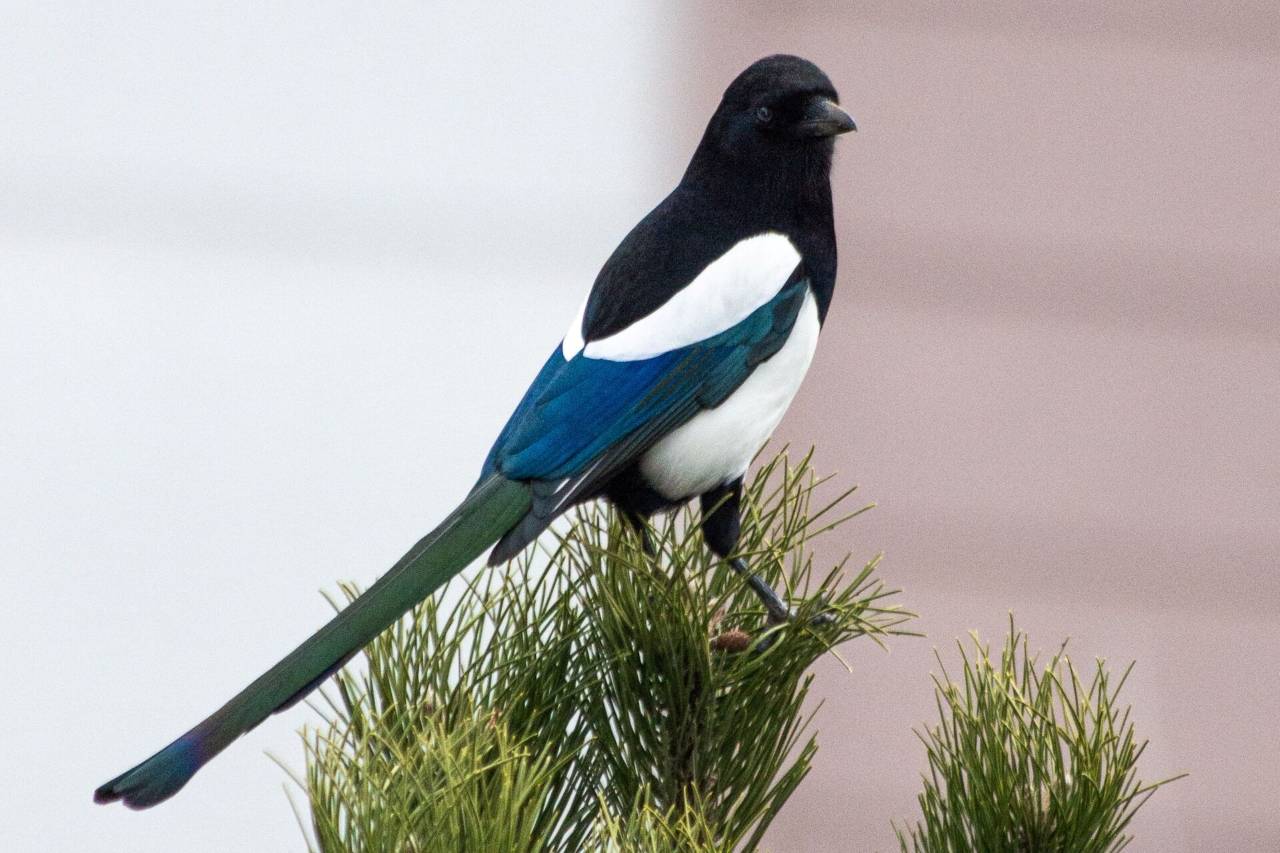
Image Source: uploads.prod01.london.platform-os.com
Why Are Magpies Visiting Your Yard?
Before we dive into preventing magpies, it’s helpful to understand what attracts them in the first place. Magpies are opportunistic omnivores, meaning they eat a wide variety of food. Your yard might be a beacon for them due to several factors:
-
Food Sources:
- Bird Feeders: Seeds, suet, and scraps are a primary attraction. Magpies are known to raid feeders, often scattering seed and chasing away smaller birds.
- Insects and Grubs: Well-maintained lawns can be a rich source of insect larvae and grubs, a favourite food for magpies.
- Fallen Fruit: Ripe or fallen fruit from trees provides an easy meal.
- Pet Food: Unattended pet food left outdoors is a strong attractant.
- Scavenging Opportunities: Open compost bins, unsecured rubbish bins, or even discarded food items can draw them in.
-
Nesting Sites and Shelter:
- Tall Trees and Dense Shrubs: These offer ideal nesting locations and protection from predators.
- Roosting Spots: Magpies need safe places to rest, especially at night.
-
Water Sources:
- Bird Baths and Ponds: Access to clean water for drinking and bathing is essential for all birds.
-
Territorial Behaviour:
- Magpies are highly territorial, especially during breeding season. They may defend their chosen area aggressively.
Common Magpie Problems
When magpies become a nuisance, the issues can range from minor annoyances to more significant problems:
- Aggression Towards Other Birds: Magpies can chase smaller garden birds away from feeders or even prey on their eggs and young.
- Damage to Gardens: They can dig up lawns in search of grubs, peck at ripening fruits and vegetables, and sometimes pull up young plants.
- Mess and Noise: Their feeding habits can be messy, scattering seed and debris. They are also known for their loud calls, which can be disruptive.
- Scavenging from Bins: They can easily overturn or open unsecured rubbish bins, spreading waste.
- Damage to Property: While less common, in some instances, magpies may peck at outdoor furniture, cars, or even house exteriors.
Strategies for Deterring Magpies
Dealing with magpies requires a multi-pronged approach, combining various magpie deterrents and magpie control methods. The key is to make your yard less appealing and accessible to them.
Making Your Yard Less Attractive
The most effective way to manage magpie populations is to remove the attractions that draw them in.
1. Managing Food Sources
This is arguably the most critical step in preventing magpies.
-
Bird Feeder Management:
- Choose Magpie-Proof Feeders: Look for feeders with cages that only allow smaller birds to access the food.
- Avoid Feeding Magpies Directly: While tempting to feed all birds, by providing specific food, you can inadvertently attract magpies. Consider offering food types less appealing to them, like nyjer seed (loved by finches) or suet pellets.
- Clean Feeders Regularly: Remove spilled seed and clean feeders to prevent attracting pests and diseases.
- Feed at Specific Times: Put out food only for short periods, perhaps in the morning, and remove it before magpies become a problem later in the day.
- Location Matters: Place feeders away from dense cover where magpies can easily observe and approach.
-
Securing Pet Food:
- Never leave pet food or water bowls outdoors overnight or unattended. Feed pets at specific times and remove any uneaten food promptly.
-
Compost and Bin Management:
- Compost Bins: Use secure compost bins with sturdy lids to prevent magpies from scavenging.
- Rubbish Bins: Ensure all rubbish bins have tight-fitting lids and are securely closed. Consider using bins with locking mechanisms if magpies are a persistent problem.
-
Harvesting Fruit and Vegetables:
- Promptly harvest ripe fruits and vegetables from your garden.
- Clear away any fallen fruit from the ground.
2. Modifying Their Environment
Altering the physical landscape of your yard can also help in deterring magpies.
-
Pruning Dense Vegetation:
- While birds need cover, excessively dense shrubs or trees close to your house might provide ideal, undisturbed nesting or roosting spots for magpies. Lightly pruning these can make them less appealing. However, be mindful of other birds that might rely on these areas for shelter.
-
Removing Potential Nesting Materials:
- If you notice magpies collecting materials like twigs or string from your yard, try to remove these accessible items.
Using Visual Deterrents
Magpies are intelligent and wary birds. Visual deterrents exploit their cautious nature. The key is to move these deterrents regularly, as magpies can quickly become accustomed to stationary objects.
-
Scare Tape and Reflective Surfaces:
- Mylar Tape or Scare Tape: Shiny, reflective tape that moves in the breeze can startle birds. Hang strips of this tape from branches or structures.
- Old CDs or DVDs: Hanging old discs can create flashing lights that deter birds.
- Shiny Objects: Aluminium foil strips or reflective garden ornaments can also be effective.
-
Predator Decoys:
- Owl or Hawk Decoys: Realistic-looking decoys of natural predators can deter magpies. Move these decoys around your yard every few days to maintain their effectiveness. Magpies are smart, and a stationary decoy will soon be ignored.
- Scarecrows: While traditional scarecrows might work for some birds, magpies are often less deterred by these unless they are regularly moved and perhaps feature reflective elements or flapping parts.
-
Kites and Balloons:
- Bird Scarer Kites: Kites shaped like predatory birds or with erratic movement patterns can be effective in open areas.
- Terror Eyes Balloons: Large inflatable balloons with large, staring “eyes” are designed to mimic predator eyes and can be quite unnerving to birds.
Employing Auditory Deterrents
Sound can also be used to discourage magpies.
-
Noise Makers:
- Wind Chimes: Gentle, melodic wind chimes might offer a pleasant sound for you, but sudden, discordant noises from metal chimes can startle birds.
- Ultrasonic Devices: These devices emit high-frequency sounds that are unpleasant for birds but usually inaudible to humans. Their effectiveness can vary, and some studies suggest birds may habituate to them over time.
-
Recorded Predator Calls:
- Playing recordings of predator calls (like those of birds of prey) can scare magpies away. However, this needs to be used judiciously and rotated with other methods to prevent habituation.
Physical Barriers and Exclusion
For specific areas like vegetable patches or fruit trees, physical barriers are a robust solution for magpie exclusion.
-
Netting:
- Garden Netting: Fine mesh netting can be draped over fruit bushes and vegetable patches to protect crops from magpies pecking at them. Ensure the netting is secured well at the edges to prevent birds from getting trapped underneath.
- Bird Netting Kits: Specific kits are available for covering fruit trees.
-
Cages and Cloches:
- Constructing small cages or using cloches over individual plants or small garden beds offers excellent protection for vulnerable seedlings and produce.
Humane Trapping and Relocation (Use with Caution)
In situations where other methods fail and the problem is severe, humane trapping and relocation might be considered. This is a more involved process and often requires permits or professional assistance.
- Live Traps: Specially designed live traps can be used to catch magpies. The trap should be baited with something appealing, like a small amount of birdseed or a piece of food.
- Relocation: If you trap a magpie, it’s important to relocate it to a suitable habitat far from your property. However, be aware that relocated birds may struggle to adapt, and the territorial void might be filled by other magpies. This method is often controversial and may not be legal or practical in all areas. Always check local wildlife regulations before considering this option.
Professional Assistance
If you’re facing a persistent and significant magpie problem that you can’t resolve on your own, consider contacting professional wildlife control services. They have the expertise and specialized tools for magpie nuisance control and can offer tailored solutions, including humane magpie removal where appropriate.
Natural Magpie Repellents
For those seeking gentler methods, several natural magpie repellents can be effective:
-
Strong Scents:
- Chili Powder or Pepper Flakes: Sprinkle chili powder or flakes around areas you want to protect, such as vegetable patches or around bird feeders. Birds have sensitive eyes and nostrils, and the irritation can deter them. Reapply after rain.
- Garlic or Citrus Peels: Some people find that the strong scent of garlic or citrus peels can deter magpies. Place these around affected areas.
-
Water Sprays:
- Motion-Activated Sprinklers: These devices detect movement and spray a jet of water, startling and deterring birds without causing harm. This is a highly effective magpie deterrent.
-
Companion Planting:
- While not a direct repellent, planting certain strong-smelling herbs like mint, rosemary, or lavender nearby can sometimes create an environment that is less appealing to scavenging birds.
Dealing with Magpies Effectively: A Step-by-Step Approach
To effectively manage magpies, follow these steps:
- Identify the Attraction: Determine exactly why magpies are visiting your yard. Is it food, shelter, or water?
- Remove Attractions: Prioritise removing or securing all food sources. This is the most crucial step.
- Implement Visual Deterrents: Start with simple, cheap options like shiny tape or old CDs. Rotate their placement frequently.
- Consider Physical Barriers: If specific crops or feeders are being targeted, install netting or cages.
- Use Auditory Methods Cautiously: Employ noise deterrents as a supplementary measure, being mindful of potential habituation.
- Maintain Consistency: Regularity is key. Keep feeders clean, bins secured, and deterrents in place.
- Observe and Adapt: Pay attention to what works and what doesn’t. Magpies are intelligent, so you may need to adjust your strategies over time.
Table: Effectiveness of Different Magpie Deterrents
| Deterrent Type | Mechanism | Effectiveness | Considerations |
|---|---|---|---|
| Food Source Removal | Eliminates the primary attraction | Very High | Requires consistent vigilance and good housekeeping. |
| Netting | Physical barrier | High | Effective for specific areas, can be labour-intensive. |
| Scare Tape/Reflectors | Visual disturbance, flashes of light | Moderate | Birds can habituate; needs frequent repositioning. |
| Predator Decoys | Mimics natural predators | Moderate | Birds habituate quickly; requires constant movement. |
| Motion-Activated Sprinklers | Sudden water spray startles birds | High | Effective, but requires a water source and can be triggered by other animals. |
| Ultrasonic Devices | High-frequency sound unpleasant to birds | Low to Moderate | Effectiveness varies; birds may habituate. |
| Live Trapping | Captures birds for relocation | High | Labour-intensive, requires expertise, legal restrictions, ethical considerations. |
Fostering a Bird-Friendly Yard (Without Magpie Problems)
It’s important to remember that many deterrents can also affect desired bird species. The goal is to target magpies specifically.
- Provide Suitable Feeder Types: As mentioned, caged feeders are excellent.
- Offer Diverse Food: A variety of seeds, suet, and natural food sources (like berry-producing shrubs) will attract a wider range of birds, including those less aggressive than magpies.
- Water Sources: A clean bird bath is a great addition, but consider its placement – if it’s near a sheltered area magpies favour, it might inadvertently attract them.
Frequently Asked Questions About Magpies
Q1: Are magpies harmful to humans?
Generally, no. Magpies are not typically aggressive towards humans unless they feel their nest or young are threatened, which is rare. They might swoop defensively during nesting season, but actual attacks are uncommon.
Q2: Can I feed magpies?
While you can feed magpies, doing so will likely attract more of them and may exacerbate the problems they cause in your yard. If you wish to feed them, it’s best to do so in a designated area away from your main garden or feeders for smaller birds.
Q3: What is the best natural way to get rid of magpies?
Removing food sources is the most effective natural method. Additionally, using visual deterrents like shiny, moving objects and motion-activated sprinklers are excellent natural approaches.
Q4: Are magpies protected by law?
In many regions, magpies are common species and are not protected in the same way as rare or endangered birds. However, it’s always wise to check your local wildlife regulations regarding the disturbance or removal of any bird species.
Q5: How do I stop magpies from stealing from my bird feeders?
The most effective ways are to use feeders with cages that only allow smaller birds access, or to remove feeders altogether during peak magpie activity times.
Q6: Will planting specific plants keep magpies away?
There isn’t a definitive list of plants that act as strong magpie repellents. However, planting dense, thorny shrubs can sometimes make nesting less appealing for them. Their attraction is primarily to food and open spaces for foraging.
Q7: What should I do if a magpie is attacking my pet?
This is a rare occurrence, but if a magpie is aggressively attacking a pet (especially a cat or dog), the primary steps are to remove any attractants that might have brought the magpie to that specific spot and to consider deterrents like motion-activated sprinklers or visual scare tactics. In extreme and persistent cases, contacting animal control or a wildlife professional might be necessary, though this is highly uncommon.
Q8: How can I stop magpies from digging up my lawn?
Magpies dig for grubs and insects. To stop this, you may need to address the grub problem in your lawn. Using natural pest control methods for lawn grubs or aerating your lawn can make it less appealing for magpies to forage. Additionally, visual deterrents placed on the lawn can help.
Conclusion
Dealing with magpies in your yard can be a challenge, but with the right knowledge and consistent application of magpie control methods, you can effectively manage their presence. By focusing on removing attractants, employing strategic deterrents, and considering physical barriers, you can reclaim your garden and enjoy the company of other, less intrusive bird species. Remember that patience and adaptation are key, as magpies are intelligent birds that learn quickly. Implement these strategies thoughtfully, and you’ll find success in keeping magpies away while maintaining a welcoming environment for the birds you do want to see.