
Can you get rid of clover in your yard permanently? While complete, permanent eradication can be challenging because clover seeds can remain dormant for years and are easily spread by birds and wind, a dedicated, multi-pronged approach significantly reduces clover populations and prevents its return. This guide will walk you through everything you need to know to remove clover from your lawn.
Clover, often recognized by its distinctive three-leaf (or sometimes four-leaf!) pattern, is a common sight in many lawns. While it has its benefits, like fixing nitrogen and attracting pollinators, for many homeowners, it’s an unwelcome guest that disrupts the uniform green carpet they desire. Dealing with clover isn’t just about pulling it out; it’s about creating a healthier lawn that naturally crowds out unwanted weeds. This comprehensive guide offers proven clover removal methods, covering everything from natural approaches to more aggressive treatments, and crucially, how to prevent clover regrowth.
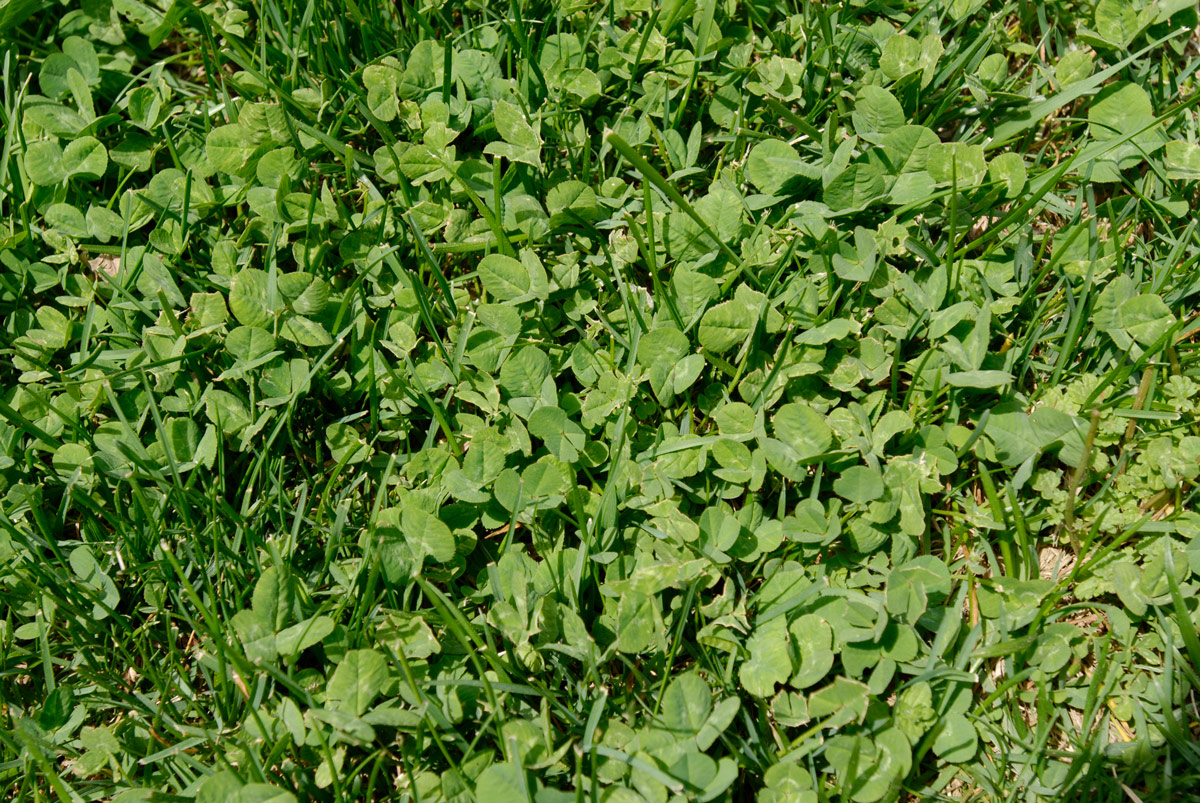
Image Source: naturalawn.com
Why Clover Thrives in Your Lawn
Before we dive into eradication, let’s explore why clover seems to love your yard so much. Clover typically flourishes in lawns that are:
- Poorly Drained: Soggy soil provides the moisture clover enjoys.
- Low in Nitrogen: As a legume, clover fixes its own nitrogen, giving it an advantage in nutrient-poor soil where grass struggles.
- Compacted: Compacted soil limits grass root growth, making it weaker and more susceptible to weed invasion.
- Mowed Too High or Too Low: Both extremes can stress your turf, creating an opening for clover. Mowing too low removes too much of the grass blade, reducing its ability to photosynthesize and compete. Mowing too high can lead to weak, leggy growth that is prone to disease.
- Suffering from Drought: Clover is generally more drought-tolerant than many common turfgrass species.
Strategies to Eliminate Clover from Grass
Getting rid of clover from your lawn requires a strategic approach. It’s not usually a one-time fix, but rather a process of improving your lawn’s overall health so it can outcompete the clover. Here are the primary ways to eliminate clover from grass:
1. Improving Lawn Health: The Best Defense
The most effective long-term strategy to get rid of clover naturally and permanently is to build a thick, healthy lawn. Healthy turfgrass naturally crowds out weeds, including clover. Focus on these core lawn care practices:
Fertilizing Regularly
Clover excels in low-nitrogen soil. By fertilizing your lawn with a nitrogen-rich fertilizer, you give your grass the nutrients it needs to grow thick and healthy, outcompeting the clover.
- Timing: Apply fertilizer in the spring and fall, which are the active growing seasons for most cool-season grasses. Warm-season grasses have different needs; adjust your schedule accordingly.
- Type: Use a slow-release nitrogen fertilizer. This provides a steady supply of nutrients without shocking the grass and encourages deep root growth.
- Application: Follow the product instructions carefully. Over-fertilizing can damage your lawn and the environment.
Proper Mowing Techniques
Mowing plays a crucial role in lawn health and weed control.
- Height: Mow your lawn at the higher end of the recommended range for your grass type. For most cool-season grasses like fescue and ryegrass, this means 3 to 4 inches. Taller grass shades the soil, keeping it cooler and moister, and its deeper roots can access more water and nutrients. This makes it harder for clover to establish.
- Sharp Blades: Always use sharp mower blades. Dull blades tear grass, leaving jagged edges that are prone to disease and stress. Clean cuts promote faster healing and healthier growth.
- Mulching: Leave grass clippings on the lawn (grasscycling). These clippings decompose, returning valuable nutrients, including nitrogen, to the soil. This reduces the need for supplemental fertilizer and helps your grass stay strong.
Smart Watering Practices
Consistent, deep watering encourages strong root systems in your grass, making it more resilient to drought and competition.
- Frequency: Water deeply but infrequently. Aim for about 1 inch of water per week, either from rainfall or irrigation. Water in the early morning to allow the grass to dry before evening, reducing the risk of fungal diseases.
- Avoid Shallow Watering: Frequent, shallow watering promotes shallow root growth, which makes grass more vulnerable to stress and weeds.
Aeration and Dethatching
Over time, soil can become compacted, and a layer of thatch (dead organic matter) can build up on the soil surface. Both hinder air, water, and nutrient penetration to the grass roots, weakening the lawn and creating an ideal environment for clover.
- Aeration: This process involves removing small plugs of soil from the lawn, allowing air, water, and nutrients to reach the root zone. Aerate in the fall for cool-season grasses or late spring for warm-season grasses.
- Dethatching: This removes the excess thatch layer. Dethatch when the grass is actively growing and can recover quickly.
2. Manual Clover Removal
For smaller patches or early infestations, manual removal is an effective way to remove clover from your lawn without chemicals.
Hand Pulling
This is the most straightforward method.
- Best Time: Pull clover when the soil is moist, after a rain or watering. This makes it easier to extract the entire root system.
- Technique: Grasp the clover plant at its base, close to the soil, and pull upwards with a steady motion. Try to get the entire root.
- Tools: A weeding tool or a trowel can help loosen the soil around the clover and ensure you get the roots.
- Persistence: This method requires diligence, especially if clover is widespread. You’ll need to repeat this regularly to catch new growth.
Using Tools
Specialized weeding tools can make the job easier.
- Dandelion Diggers/Crabgrass Pullers: These tools are designed to get under weeds and lever them out, often with their roots intact.
- Garden Forks: For larger areas, a garden fork can help loosen the soil, making it easier to lift out patches of clover.
3. Natural Clover Killer Options
If you prefer to avoid synthetic chemicals, there are several natural clover killer and organic ways to kill clover options. These methods often work best on young clover plants or when used in conjunction with other practices.
Vinegar Solutions
Horticultural vinegar (around 10-20% acetic acid) can kill clover on contact. Household vinegar (5%) can also work but is less potent.
- Application: Spray directly onto the clover leaves on a sunny, warm day. Avoid spraying desirable grass, as vinegar is non-selective and will damage any plant it touches.
- Effectiveness: Vinegar burns the foliage but may not kill the entire root system, so repeat applications might be necessary.
- Caution: High concentrations of vinegar can lower soil pH, so use it judiciously.
Boiling Water
Pouring boiling water directly onto clover can kill it instantly by scalding the plant tissues.
- Application: Use a kettle or pot to pour boiling water directly onto the clover patches. Be extremely careful to avoid contact with your skin or desired plants.
- Limitations: Like vinegar, this method is non-selective and can damage surrounding grass. It’s best suited for cracks in patios or driveways, or very small, isolated clover patches away from your lawn.
Corn Gluten Meal
Corn gluten meal acts as a pre-emergent herbicide, meaning it inhibits root formation in germinating seeds.
- Application: Apply corn gluten meal in early spring, before clover seeds germinate.
- Benefits: It also provides nitrogen to the soil, acting as a mild fertilizer.
- Limitations: It’s not effective against established clover plants. Its effectiveness can vary, and it requires precise timing.
Essential Oils
Some essential oils, like clove oil or citrus oil, can have herbicidal properties.
- Application: Mix a few drops of essential oil with water and a carrier like dish soap to help it stick to the leaves. Spray directly onto the clover.
- Effectiveness: Similar to vinegar, this can burn the foliage but may not kill the roots. It’s best for spot treatments.
4. Chemical Clover Treatment Options
For more persistent clover infestations, chemical treatments can be effective. It’s crucial to use these products according to label instructions to protect your lawn, yourself, and the environment.
Selective Herbicides
These herbicides are designed to kill broadleaf weeds like clover while leaving grasses unharmed.
- Active Ingredients: Look for products containing 2,4-D, MCPP (mecoprop), or dicamba. These are common components in many broadleaf weed killers.
- Timing: Apply when clover is actively growing and when temperatures are between 60°F and 85°F. Avoid applying before rain, as it can wash the herbicide away.
- Application: Use a spreader or sprayer according to the product’s directions. Spot treating is often more effective than broadcast applications for smaller infestations.
- Multiple Applications: It may take several applications, spaced a few weeks apart, to fully eliminate clover.
Non-Selective Herbicides
These herbicides kill all vegetation they come into contact with, including your grass.
- Use Cases: These are typically used for clearing areas before renovation or for spot-treating clover in areas where you don’t mind killing the grass as well (e.g., garden beds, cracks in pavement).
- Active Ingredient: Glyphosate is a common non-selective herbicide.
- Caution: Extreme care must be taken to avoid drift onto desirable plants.
Post-Emergent vs. Pre-Emergent Herbicides
- Post-Emergent: These are applied directly to actively growing weeds to kill them. Most herbicides used for clover are post-emergent.
- Pre-Emergent: These are applied before weed seeds germinate to prevent them from sprouting. While some pre-emergents can target certain types of weeds, they are generally less effective for established clover.
5. Lawn Renovation and Clover Control
In severe cases where clover has taken over large portions of the lawn, a full renovation might be the most effective solution.
Overseeding
If your lawn is thin and struggling, overseeding can introduce new grass seed that will grow and help crowd out clover.
- Timing: Fall is the ideal time to overseed cool-season grasses.
- Preparation: Mow the lawn short, dethatch, and lightly rake the area to expose the soil.
- Application: Spread high-quality grass seed appropriate for your region and grass type.
- Aftercare: Keep the seeded areas consistently moist until the new grass is established.
Complete Renovation
This involves removing the existing lawn entirely and starting fresh.
- Methods: This can be done by applying a non-selective herbicide (like glyphosate) and waiting for all vegetation to die, or by physically removing the sod.
- Soil Preparation: Amend the soil with compost and nutrients as needed.
- Reseeding/Resodding: Plant new grass seed or lay sod to establish a new, healthy lawn that is less prone to clover.
Preventing Clover Regrowth
Once you’ve successfully removed clover, the key to permanent control is prevent clover regrowth. This involves maintaining a healthy, dense lawn that can naturally outcompete any returning clover.
Continue Best Lawn Care Practices
The strategies mentioned earlier – proper mowing, consistent watering, and regular fertilization – are your first line of defense against clover returning. A vigorous lawn will always be more resistant to weed invasion.
Address Soil Issues
- Soil Testing: Periodically test your soil’s pH and nutrient levels. Adjust as needed to create an environment that favors grass growth. Most turf grasses prefer a slightly acidic to neutral pH (6.0-7.0).
- Improve Drainage: If your soil is compacted or poorly drained, incorporate aeration and consider topdressing with compost to improve soil structure.
Monitor and Spot Treat
Even with the best practices, a few clover plants might reappear.
- Early Detection: Regularly inspect your lawn for new clover growth. The sooner you catch it, the easier it is to remove.
- Spot Treatment: Use manual pulling or a targeted application of a selective herbicide for any new clover plants that emerge.
Manage Mowing Height Carefully
Remember, a taller lawn shades out weed seeds and encourages deeper grass roots. Don’t scalp your lawn!
Control Foot Traffic
Excessive foot traffic can compact soil and create bare spots, which are prime real estate for clover to establish.
Table: Clover Control Methods at a Glance
| Method | Pros | Cons | Best For |
|---|---|---|---|
| Lawn Health Improvement | Long-term, sustainable, improves overall lawn appearance. | Takes time and consistent effort; results are not immediate. | All lawn types; foundational strategy for permanent control. |
| Manual Pulling | Eco-friendly, no chemicals, precise. | Labor-intensive, only effective for small infestations or spot treatment. | Small clover patches, early detection. |
| Vinegar/Boiling Water | Natural, readily available. | Non-selective (kills grass), may not kill roots, can affect soil pH. | Very small, isolated patches, cracks in pavement. |
| Corn Gluten Meal | Natural pre-emergent, acts as fertilizer. | Only prevents germination, not effective on established plants. | Preventing new clover seeds from sprouting. |
| Selective Herbicides | Effective on clover, safe for grass when used properly. | Chemical application, requires careful timing and follow-up. | Moderate to severe clover infestations where grass is established. |
| Lawn Renovation | Can completely reset the lawn, providing a fresh start. | Time-consuming, costly, requires significant effort. | Severe infestations where clover dominates the lawn. |
Frequently Asked Questions (FAQ)
What is the fastest way to get rid of clover?
The fastest way to see immediate results is often with a selective herbicide, applied when clover is actively growing. However, “fastest” doesn’t always mean “permanent.” For long-term success, improving your lawn’s health is the most effective, albeit slower, approach.
Will a thick lawn naturally kill clover?
Yes, a thick, healthy lawn is the best natural defense against clover. Dense turfgrass shades the soil, outcompetes clover for water and nutrients, and makes it difficult for clover seeds to germinate and establish.
Is clover bad for my lawn?
Clover itself isn’t inherently “bad.” It fixes nitrogen, which can benefit your soil, and it’s a good food source for pollinators. However, if your goal is a uniformly green, manicured lawn, clover can be considered an undesirable weed because it disrupts that aesthetic and often thrives in conditions where grass struggles.
How do I get rid of clover from my lawn without killing the grass?
To remove clover from your lawn without harming the grass, focus on improving lawn health through proper fertilization, mowing, and watering. When using herbicides, opt for selective, broadleaf weed killers designed to target clover while leaving grass unharmed. Manual pulling is also a safe option for the grass.
Why is clover coming back even after I treated it?
Clover can be persistent. Reasons for its return include:
- Dormant Seeds: Clover seeds can remain viable in the soil for many years.
- Incomplete Root Removal: If roots are left behind during manual removal, the plant can regrow.
- Favorable Conditions: If the underlying soil conditions (poor drainage, low nitrogen) that favor clover haven’t been corrected, it will continue to thrive.
- Off-Target Application: Herbicides might not have covered all the clover plants, or the application wasn’t timed correctly.
- Seed Dispersal: Birds, animals, or wind can bring new clover seeds into your yard.
Can I use a weed killer on clover?
Yes, you can use a weed killer on clover. It is important to choose a selective broadleaf weed killer that is specifically labeled for use on lawns and targets clover. Always read and follow the product’s label instructions carefully regarding application rates, timing, and safety precautions.
By implementing these strategies and committing to consistent lawn care for clover infestation, you can significantly reduce and manage clover, working towards a healthier, greener, and more uniformly beautiful lawn.