
What are the safest ways to get rid of black widow spiders in my yard? The safest ways involve a combination of preventative measures and careful, targeted removal. You should always wear protective gear, use methods that minimize exposure to the spider’s venom, and consider professional help for severe infestations.
Black widow spiders are a common concern for homeowners, especially in warmer climates. Their distinctive red hourglass marking on their underside is a warning sign of their potent venom. Encountering them in your yard can be unsettling, but with the right knowledge and approach, you can effectively manage and remove them safely. This guide will walk you through various methods for spider control in yard settings, focusing on venomous spider removal and outdoor spider treatment while prioritizing safety for you, your family, and your pets.
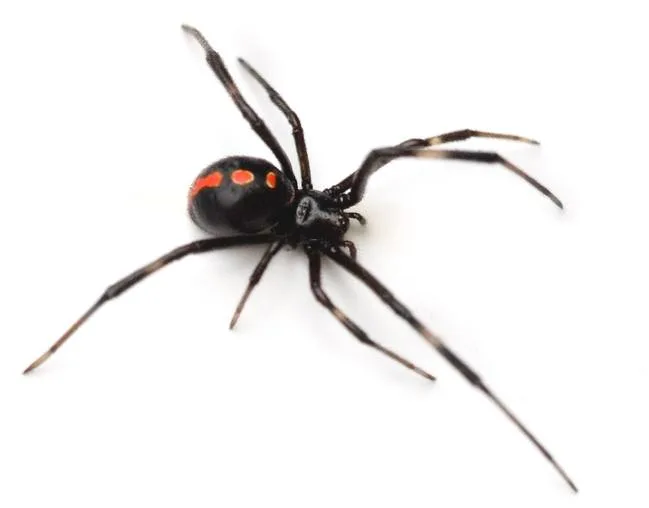
Image Source: images.surferseo.art
Identifying Black Widow Spiders
Before you can get rid of them, it’s important to know what you’re looking for.
The Adult Female Black Widow
- Appearance: Shiny, jet-black body.
- Marking: A bright red, hourglass-shaped marking on the underside of its abdomen. This marking can sometimes be broken or irregular.
- Size: Body is about 1/4 to 1/2 inch long. Legs can extend that length further.
- Webs: They build irregular, tangled webs, often close to the ground, in dark, sheltered locations.
The Adult Male Black Widow
- Appearance: Smaller than the female, often brown or gray.
- Marking: May have red or white markings on its back, but not the distinct hourglass.
- Venom: Males are not considered dangerous to humans.
Spiderlings
- Appearance: Young black widows are often pale or white with dark markings. They gradually darken as they mature.
Common Habitats for Black Widows in Your Yard
Black widow spiders prefer dark, undisturbed, and sheltered areas. Knowing where to look is crucial for effective pest management in yard.
Prime Locations
- Woodpiles: Stacked firewood provides numerous nooks and crannies.
- Outdoor Furniture: Undersides of chairs, tables, and storage bins.
- Garages and Sheds: Corners, under workbenches, and in storage areas.
- Debris: Piles of leaves, rocks, bricks, or general yard clutter.
- Vegetable Gardens: Around planters, compost bins, and garden tools.
- Playhouses and Swingsets: Undersides of structures and seating areas.
- Water Meter Boxes and Irrigation Systems: These often create protected spaces.
- Around the Foundation: Cracks and crevices in walls, particularly where soil meets the house.
Safety First: Essential Precautions
Dealing with venomous spiders requires a cautious approach. Your personal safety is paramount during any black widow extermination or safe spider removal.
Essential Protective Gear
- Long Sleeves and Pants: Tuck your pants into your socks and wear long sleeves to cover your skin.
- Gloves: Thick, puncture-resistant gloves are recommended.
- Closed-Toe Shoes: Protect your feet.
- Eye Protection: Safety glasses can prevent accidental contact with venom or debris.
- Face Mask: Consider wearing a mask if using pesticides, to avoid inhalation.
Handling Webs and Spiders
- Never Reach into Unseen Areas: Always use a tool to probe before reaching with your hands.
- Avoid Direct Contact: Do not touch the spider or its webs with bare skin.
- Keep Pets and Children Away: Ensure children and pets are not in the area while you are working.
Methods for Removing Black Widow Spiders from Your Yard
A multi-pronged approach is often most effective for yard pest control. This includes physical removal, targeted treatments, and long-term deterrents.
Method 1: Physical Removal
This is often the safest and most direct method, especially for individual spiders or small webs.
Using a Long-Handled Tool
- Equip Yourself: Put on your protective gear.
- Locate the Web: Carefully identify the spider and its web.
- Employ a Tool: Use a long-handled broom, stick, or vacuum cleaner with a hose attachment.
- Dislodge and Destroy: Gently sweep the web and spider into a sealable container.
- Seal and Dispose: Place the container in a sealed plastic bag and dispose of it in an outdoor trash bin, preferably one with a tight-fitting lid.
Vacuuming
A shop vacuum with a long hose attachment can be very effective for removing webs and spiders from hard-to-reach areas.
- Attach Hose: Securely attach the hose to the vacuum.
- Target Webs: Vacuum up the webs and any visible spiders.
- Dispose of Bag: Once you’ve finished, immediately remove the vacuum bag, seal it in a plastic bag, and dispose of it outdoors. If your vacuum has a canister, empty the contents into a sealed plastic bag and dispose of it.
Method 2: Targeted Insecticides
When physical removal isn’t enough, or for more extensive infestations, insecticides can be used. Always choose products specifically labeled for spiders and follow instructions precisely. This is a key aspect of black widow extermination.
Types of Insecticides
- Contact Sprays: These kill spiders on contact. Look for pyrethroids (like permethrin or cypermethrin) or natural pyrethrins (derived from chrysanthemums).
- Residual Sprays: These leave a residue that continues to kill spiders for a period after application.
- Dusts: Insecticidal dusts (like diatomaceous earth or silica gel) can be applied to cracks, crevices, and voids where spiders hide.
Application Tips
- Spot Treat: Apply sprays directly to webs, spiders, and known hiding spots.
- Targeted Areas: Focus on areas identified in the “Common Habitats” section.
- Follow Label Instructions: This cannot be stressed enough. The label is the law and provides critical safety information.
- Ventilation: Ensure good ventilation if using sprays in enclosed outdoor spaces like sheds or garages.
- Timing: Apply treatments in the early morning or late evening when spiders are more active.
Important Considerations for Insecticide Use
- Pet and Child Safety: Keep pets and children away from treated areas until the product has dried completely, or as directed by the product label.
- Environmental Impact: Be mindful of beneficial insects, like pollinators, when applying any pesticides. Avoid spraying flowering plants directly.
- Resistance: Over-reliance on a single type of insecticide can lead to resistance in spider populations. Rotating insecticide types can be helpful.
Method 3: DIY Spider Control and Natural Deterrents
Several natural methods can help reduce the black widow population in your yard without resorting to harsh chemicals. These are excellent for DIY spider control and garden spider extermination.
Natural Deterrents
- Vinegar Solution: Mix equal parts white vinegar and water in a spray bottle. Vinegar can kill spiders and deter them from treated areas. Spray directly on webs and spiders.
- Peppermint Oil: Spiders are believed to dislike the scent of peppermint. Mix 10-15 drops of peppermint essential oil with water in a spray bottle and spray around entry points and common spider areas.
- Citrus Peels: The scent of citrus can deter spiders. Place citrus peels in areas where you’ve seen spiders.
- Chestnuts or Horse Chestnuts: Some people believe placing these in corners and entryways can deter spiders. While evidence is anecdotal, it’s a harmless method to try.
Diatomaceous Earth (Food Grade)
This is a natural powder made from fossilized aquatic organisms.
- How it Works: It dehydrates insects and spiders by scratching their exoskeletons.
- Application: Sprinkle a thin layer in dry areas where spiders are found, such as cracks, crevices, and around foundations.
- Caution: While natural, avoid inhaling the dust.
Method 4: Professional Black Widow Extermination
For severe infestations or if you are uncomfortable dealing with black widow spiders yourself, professional black widow extermination is the safest and most effective option.
When to Call a Professional
- Widespread Infestation: If you see numerous webs and spiders throughout your yard.
- High-Risk Areas: If spiders are consistently found near play areas, doorways, or windows.
- Lack of Success with DIY Methods: If your efforts haven’t yielded results.
- Personal Discomfort: If you have a phobia or anxiety about dealing with spiders.
What Professionals Offer
- Expert Identification: Professionals can accurately identify black widow spiders and other common pest species.
- Targeted Treatments: They use professional-grade products and application techniques to effectively eliminate spiders.
- Integrated Pest Management (IPM): They can develop a comprehensive plan that includes prevention and control measures.
- Safety Assurance: Professionals are trained in safe product handling and application, minimizing risks to people and pets.
Prevention: Keeping Black Widows Out
The best strategy for spider control in yard is prevention. Reducing their habitat and food sources can make your yard less appealing to them.
Yard Maintenance Practices
- Declutter: Remove any unnecessary piles of wood, rocks, leaves, or debris from your yard. Keep storage areas tidy.
- Mow Regularly: Keep grass mowed short. This removes potential hiding spots.
- Trim Vegetation: Trim back bushes, shrubs, and trees that touch your house. This prevents spiders from using them as bridges.
- Seal Entry Points: Inspect your home’s exterior for cracks and crevices. Seal them with caulk to prevent spiders from entering. Pay attention to window frames and door sweeps.
- Outdoor Lighting: Reduce outdoor lighting, or use yellow “bug lights,” as bright lights attract insects, which are a food source for spiders.
- Proper Trash Management: Keep trash cans sealed and away from the house if possible.
Specific Prevention Tips
- Regularly Inspect Outdoor Structures: Routinely check sheds, garages, playhouses, and under decks for webs.
- Clean Gutters: Remove debris from gutters to eliminate potential nesting sites.
- Water Source Management: Address any leaky outdoor faucets or standing water, as this can attract insects that spiders feed on.
Understanding Black Widow Spider Behavior
Knowing their habits helps in managing them.
Web Building
Black widows create messy, irregular, three-dimensional webs. These are not the tidy, orb-shaped webs of some other spiders. Their webs are typically built in dark, sheltered locations, often close to the ground.
Diet
Their diet consists mainly of insects that get caught in their webs, such as flies, mosquitoes, and beetles. By controlling insect populations in your yard, you indirectly reduce the food available for black widow spiders.
Reproduction
A female black widow can produce several egg sacs throughout her life. Each sac contains hundreds of spiderlings. This rapid reproduction rate highlights the importance of addressing infestations promptly.
Table: Comparison of Removal Methods
| Method | Pros | Cons | Best For |
|---|---|---|---|
| Physical Removal | Safe, immediate results, no chemicals | Labor-intensive, may miss hidden spiders | Small infestations, individual spiders, accessible webs |
| Targeted Insecticides | Effective, can treat larger areas, residual effect possible | Risk of exposure to chemicals, potential harm to beneficial insects | Moderate to significant infestations, treating specific problem areas |
| Natural Deterrents | Safe for pets and humans, environmentally friendly | Less potent, results may vary, often require frequent reapplication | Mild infestations, preventative measures, sensitive areas |
| Professional Help | Highly effective, expert knowledge, handles severe infestations | Costly, requires scheduling | Severe infestations, recurring problems, or when personal safety is a concern |
Frequently Asked Questions (FAQ)
Q1: Can I get rid of black widow spiders in my yard permanently?
While permanent eradication is difficult due to the natural presence of spiders, consistent management and preventative measures can significantly reduce their population and presence in your yard.
Q2: Are black widow bites always dangerous?
Black widow spider bites can be dangerous, especially to children, the elderly, and those with compromised immune systems. While not always fatal, the venom can cause severe symptoms requiring medical attention. Prompt medical care is crucial if bitten.
Q3: What is the best time of year to deal with black widow spiders?
The warmer months, from spring through fall, are when black widow spiders are most active. This is the prime time for removal and prevention efforts.
Q4: How often should I inspect my yard for black widow spiders?
It’s recommended to inspect your yard, especially common hiding spots, at least once a month during the warmer seasons. More frequent checks are advisable if you’ve previously had an infestation.
Q5: Can I use bug spray meant for other insects to kill black widow spiders?
It’s best to use products specifically labeled for spider control. While some general insecticides might kill spiders on contact, they may not be as effective or could pose unnecessary risks if not formulated for spider treatment. Always check the product label carefully.
By combining diligent yard maintenance with targeted removal strategies, you can effectively manage and minimize the presence of black widow spiders in your yard, ensuring a safer outdoor environment for your family and pets. Remember to always prioritize safety and consider professional assistance when necessary for comprehensive yard pest control.