
Can you find water lines in your yard? Yes, you can locate water lines in your yard using a combination of readily available clues, simple tools, and sometimes, professional assistance. Locating buried water pipes is crucial for preventing accidental damage during landscaping or construction, ensuring your irrigation systems function correctly, and even for troubleshooting low water pressure. This guide will walk you through the process of finding your water service line, from the street to your house, and even help with finding sprinkler lines.
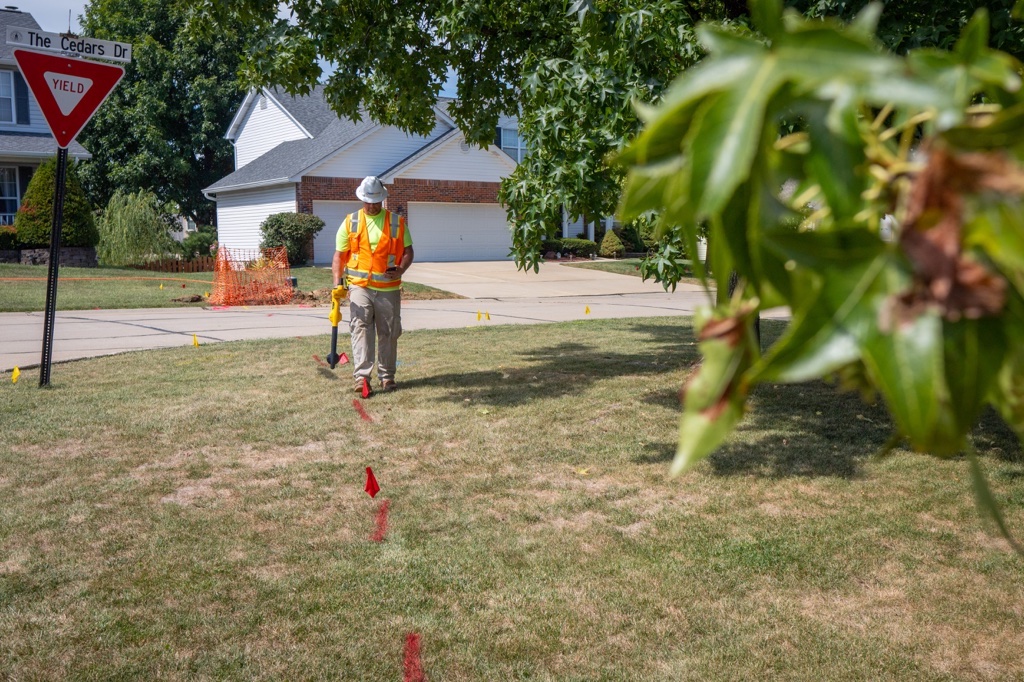
Image Source: utilisource.us
Why Locating Water Lines Matters
Knowing where your water lines run is more than just a good idea; it’s a practical necessity. Damaging a water line can lead to costly repairs, water wastage, and potential property damage. Whether you’re planning a new garden, installing a fence, or digging a foundation, accurate underground utility detection is the first step to a successful and safe project. Accurately locating buried water pipes protects your property and ensures your water supply remains uninterrupted. It’s about safeguarding your investment and maintaining the functionality of your home’s essential services.
Preventing Costly Damages
Hitting a water line can be a homeowner’s nightmare. The gushing water can flood your yard, damage landscaping, and even seep into your home’s foundation. Repairs can be expensive, often involving excavation and replacement of the damaged pipe. Understanding water service line mapping before you dig can save you thousands of dollars in potential repair costs and water bills.
Ensuring Irrigation System Functionality
If you have an underground sprinkler system, knowing the layout of your water lines is paramount. Accidental damage to a sprinkler line can render parts of your system useless or cause leaks that lead to overwatering and increased utility bills. Finding sprinkler lines ensures that your irrigation system is protected and operates efficiently, keeping your lawn and garden healthy.
Troubleshooting Water Issues
Sometimes, low water pressure or inconsistent water flow can be traced back to issues with the main water line. Knowing the path your water takes from the street to your home can help you identify potential problem areas, especially if you suspect a leak or blockage. How to trace water lines can be a valuable skill for any homeowner.
Initial Steps: Gathering Clues
Before you grab a shovel or specialized equipment, start with the simplest methods. These initial steps can often provide significant clues about the location of your water lines.
Checking Your Home’s Plumbing Layout
The first place to look is inside your house.
* Main Shut-off Valve: Locate your main water shut-off valve. This is typically found in the basement, crawl space, garage, or sometimes on an exterior wall where the water line enters the house. The location of this valve often indicates the general direction from which the water enters your property.
* Plumbing Fixtures: Notice where your kitchen sink, bathrooms, and outdoor spigots are located. Water lines generally run in relatively straight paths from the main entry point to these fixtures.
Examining Your Yard for Surface Indicators
Nature sometimes leaves clues on the surface.
* Slight Depressions or Settling: Over time, underground pipes can cause slight depressions or settling in the soil above them, especially if there have been minor leaks.
* Unusual Green Patches: A consistently greener, lusher patch of grass in an otherwise dry area can sometimes indicate a slow leak from an underground pipe.
* Visible Risers or Valves: Look for any above-ground components like outdoor faucets (hose bibs), irrigation system valve boxes, or clean-out fittings. These are often connected to the buried water lines.
* Previous Excavation Areas: If you’ve had recent landscaping, foundation work, or utility repairs, there might be disturbed soil or backfill that indicates where trenches were dug.
Consulting Utility Records and Home Plans
Official records can be incredibly helpful.
* Call Before You Dig (811): This is the most important step before any digging. Dialing 811 connects you to the local utility locating service. They will send professionals to mark the approximate location of underground utilities, including water lines, for free. This is a critical safety measure and a vital part of underground utility detection.
* Homeowner’s Association (HOA) or Municipality Records: Some HOAs or local municipalities maintain records of utility line installations for newer properties.
* Original Home Plans: If you have access to the original blueprints or construction plans for your house, they may show the layout of underground utilities.
Methods for Locating Underground Water Pipes
Once you’ve gathered initial clues, you can employ more direct methods to pinpoint the exact location of your water lines.
Using Simple Tools and Techniques
These methods are accessible and can be quite effective.
The Metal Detector Approach
While not specifically designed for plastic pipes, a good quality metal detector can locate metallic water service lines and any metal components associated with them, such as shut-off valves or fittings.
- How it works: Metal detectors emit an electromagnetic field. When this field encounters a metal object, it creates a detectable signal.
- Limitations: This method won’t work for non-metallic pipes (like PVC or PEX). You’ll need to sweep systematically across your yard.
Listening for Water Flow
This method is particularly useful for detecting leaks or confirming the presence of active water lines.
- How it works: Find a quiet time of day, preferably at night when water usage is low. Place your ear against the ground or use a listening device (like a metal rod or a mechanic’s stethoscope) pressed against accessible pipes or valves. You might be able to hear the faint sound of water flowing.
- Tips: Start near known entry points or fixtures and work outwards. This is a good way to start underground pipe tracing.
The Probe and Dig Method (with Extreme Caution)
This is a last resort and should only be attempted with extreme care after all other methods have been exhausted and after calling 811.
- How it works: Use a thin, pointed rod (like a rebar or a long screwdriver) to gently probe the soil.
- Procedure:
- Call 811 First: Ensure all public utilities are marked.
- Start Probing: Begin in areas where you suspect the line runs, based on your initial clues.
- Gentle Probing: Push the probe slowly and vertically into the ground.
- Feel for Resistance: You’ll feel a distinct change in resistance when you hit a pipe.
- Shallow Probing: Probe only a few inches to a foot deep. If you encounter resistance, try probing slightly to the side.
- Mark Your Findings: Once you feel a pipe, mark the location carefully.
- Caution: This method carries a risk of damaging the pipe if done carelessly. It’s best used for shallow lines or confirming suspected locations.
Utilizing Specialized Water Line Locator Tools
For more definitive results, especially with non-metallic pipes or complex layouts, specialized tools are invaluable. These tools are the backbone of professional underground utility detection.
Electronic Line Locators (Pipe and Cable Locators)
These are the most common and effective tools for locating buried water pipes. They work in two main ways:
-
Conductive Method (for metallic pipes):
- How it works: A transmitter is connected to a metallic pipe (often via an outdoor faucet or clean-out valve). The transmitter sends a signal along the pipe. A receiver is then used to follow this signal above ground, pinpointing the pipe’s location. The strength of the signal will peak directly over the pipe.
- Requirement: Requires a conductive path (metal pipe).
-
Inductive Method (for both metallic and some non-metallic pipes with tracer wire):
- How it works: The transmitter is placed on the ground directly over the suspected pipe. It induces a signal into the ground and any conductive material beneath it. The receiver then picks up this signal.
- Tracer Wire: Many modern plastic water lines are installed with a thin tracer wire buried alongside them. This wire allows the inductive method to work effectively, even for plastic pipes. If you have a plastic pipe and no tracer wire, locating it becomes much more challenging.
Ground Penetrating Radar (GPR)
GPR is a more advanced technique that uses radar pulses to image the subsurface.
- How it works: A GPR unit emits electromagnetic energy into the ground. When this energy encounters an object or a change in soil density (like a buried pipe), it reflects back to the antenna. The system analyzes these reflections to create a map of underground features.
- Advantages: Can detect a wider range of materials, including plastic pipes without tracer wire, concrete, and other buried objects. It provides a non-destructive view of the subsurface.
- Disadvantages: Can be expensive to purchase or rent, and interpreting GPR data requires specialized training.
Finding Sprinkler Lines
Sprinkler systems often have their own network of pipes, which can be made of PVC, polyethylene, or metal.
- Using the Main Water Line as a Starting Point: Your sprinkler system’s main supply line will connect to your home’s main water service line. Identify where that connection occurs.
- Valve Boxes: Locate the valve boxes for your sprinkler system. These boxes house the solenoid valves that control different zones. The pipes leading to and from these valve boxes are crucial for finding sprinkler lines.
- Specialized Sprinkler Locators: Some electronic line locators have specific frequencies or modes designed to pick up signals from sprinkler system components or tracer wires often buried with them.
- Visual Inspection: Look for signs of the irrigation system’s control wires running from your controller to the valve boxes. These wires often run parallel to or near the sprinkler pipes.
Professional Assistance: When to Call in the Experts
While DIY methods can be effective, some situations warrant professional help.
When to Hire a Professional Utility Locator
- Complex Yard Layouts: If your yard is large, has unusual terrain, or you have multiple buried utilities, a professional can navigate the complexity more effectively.
- Plastic Pipes Without Tracer Wire: Locating non-metallic pipes without a tracer wire is extremely difficult without specialized equipment like GPR.
- Critical Projects: For major construction, landscaping, or any project where accuracy is paramount, hiring professionals ensures safety and precision.
- Lack of Success with DIY Methods: If you’ve tried various methods without success, it’s time to call in the experts. Professionals have access to high-end water line locator tools and the expertise to use them.
What Professionals Do
Professional utility locators use advanced electronic line locators, GPR, and their extensive knowledge of utility infrastructure. They can provide detailed water service line mapping and accurate markings, giving you peace of mind before you start any digging. They are skilled in underground pipe tracing and can identify not just water lines but also gas, electric, sewer, and communication lines.
Step-by-Step Guide to Locating Your Water Lines
Here’s a summarized approach to help you find your water lines.
Step 1: Preparation and Information Gathering
- Call 811: Schedule a utility locate at least a few business days before you plan to do any digging.
- Gather Home Information:
- Locate your main water shut-off valve.
- Note the location of outdoor faucets and other visible plumbing fixtures.
- If possible, obtain your home’s plumbing plans.
- Inspect Your Yard: Look for surface indicators like depressions, unusually green grass, or visible valve boxes.
Step 2: Initial On-Site Investigation
- Follow the Water: Mentally (or physically) trace the likely path from the street connection point to your house, considering the location of your main valve and fixtures.
- Listen Carefully: During a quiet period, try to hear any water flow sounds.
Step 3: Using Basic Tools (Optional)
- Metal Detector: If you suspect metal pipes, sweep the area with a metal detector.
- Probing Rod: If you have a strong suspicion about a specific spot, carefully probe the soil at shallow depths.
Step 4: Employing Specialized Tools (If Available or Necessary)
- Rent or Borrow a Line Locator: For metallic pipes or plastic pipes with tracer wire, rent an electronic line locator. Follow the manufacturer’s instructions for connecting the transmitter and using the receiver.
- Consider GPR: For difficult cases, especially plastic pipes without tracer wire, GPR might be necessary.
Step 5: Marking and Verification
- Mark the Line: Once you believe you’ve located the water line, mark its path clearly using flags, stakes, or spray paint.
- Verify: If you’re doing a project, it’s often wise to have a second opinion or re-verify the location before digging.
Table: Tools for Locating Water Lines
| Tool Type | Description | Best For | Considerations |
|---|---|---|---|
| Metal Detector | Detects metallic objects buried underground. | Metallic water service lines, valves, fittings. | Cannot detect plastic pipes. Requires careful calibration. |
| Mechanic’s Stethoscope | Amplifies faint sounds. | Listening for water flow or leaks. | Requires a quiet environment and direct contact with pipe or ground. |
| Probing Rod (Rebar, etc.) | A long, thin metal rod used to probe the soil. | Confirming suspected shallow pipe locations. | High risk of damaging pipes if not used with extreme caution. Call 811 first. |
| Electronic Line Locator | Transmitter and receiver system that tracks signals along buried utilities. | Metallic pipes; plastic pipes with tracer wire; cables. | Requires a conductive path (metal) or tracer wire for plastic. Professional grade. |
| Ground Penetrating Radar | Uses radar pulses to create subsurface images, detecting various materials. | Plastic pipes without tracer wire, concrete, other buried objects; comprehensive mapping. | Expensive to purchase/rent; requires specialized training to operate and interpret. |
| Sprinkler System Locators | Specialized electronic locators designed to find irrigation system components and associated tracer wires. | Sprinkler pipes, valves, and control wires. | Often part of a broader electronic line locator system. |
Frequently Asked Questions (FAQ)
Q1: How deep are water lines usually buried?
A1: The depth can vary significantly depending on your region’s climate (to prevent freezing), local regulations, and the type of pipe. However, residential water service lines are typically buried between 4 to 7 feet deep. This depth is usually sufficient to prevent freezing in most areas. Sprinkler lines are often buried shallower, typically 6 to 12 inches deep.
Q2: Can I find my water line with just a shovel?
A2: While a shovel is essential for excavation, it’s not a tool for locating buried pipes. You should never dig randomly with a shovel without first identifying the approximate location of utilities. Using a shovel without prior knowledge significantly increases the risk of damaging underground lines. Always call 811 before you dig.
Q3: What if my water line is made of plastic?
A3: Locating plastic water lines without a tracer wire can be challenging. Many modern plastic pipes are installed with a thin, conductive tracer wire running alongside them. If you have tracer wire, an electronic line locator can find it. If there is no tracer wire, you may need to rely on visual clues, listening methods, or specialized equipment like Ground Penetrating Radar (GPR).
Q4: How do I know if there is a tracer wire with my plastic water line?
A4: Tracer wire is typically a thin, insulated copper wire installed directly alongside the plastic pipe during installation. You might be able to see it if you’ve had recent underground work done. Sometimes, the end of the tracer wire is accessible at a clean-out or valve box. If you’re unsure, a professional locator can attempt to find it.
Q5: How do I find water lines when 811 marked them?
A5: When you call 811, technicians will mark the approximate location of underground utilities with colored paint or flags. Red typically indicates electric utilities, yellow for gas, orange for communication, blue for water, and green for sewer. Water lines are usually marked with blue. While these marks are very helpful, they are approximations. It’s still wise to use the methods described in this guide to pinpoint the exact line and depth, especially if you are digging near the marked area. Always dig carefully even after 811 has marked the lines.
Q6: What is the best way to find underground water pipe location?
A6: The most reliable method for finding underground water pipe location is using an electronic line locator, especially if the pipe is metallic or if plastic pipes have a tracer wire. For plastic pipes without a tracer wire, Ground Penetrating Radar (GPR) is the most effective, though it often requires professional assistance. Always start by calling 811.
Q7: Can I find sprinkler lines easily?
A7: Finding sprinkler lines can be easier if they have a tracer wire installed with them. If not, you’ll need to follow the main water supply to your irrigation system, locate the valve boxes, and look for signs of pipe trenches. Specialized sprinkler locators or multi-utility locators can often detect the pipes and control wires.
Q8: What if I can’t find any clues for my water line?
A8: If you’ve exhausted all visual clues and simple listening methods, and you don’t have access to specialized tools, it’s time to call a professional utility locating service. They have the equipment and expertise to accurately locate buried lines. This is crucial for avoiding costly mistakes and ensuring safety.
By following these guidelines and employing the right methods, you can effectively locate water lines in your yard. Remember, safety and accuracy are paramount when dealing with underground utilities. Always prioritize calling 811 before any digging project.