
Can you legally attract deer to your yard? Yes, in many areas, it is legal to attract deer to your yard, but you must always check your local wildlife regulations and hunting laws. What is deer baiting? Deer baiting is the practice of placing food or other attractants to lure deer, which is often regulated and may be illegal in certain locations, especially during hunting seasons.
Attracting deer to your yard can be a rewarding experience, offering a chance to observe these magnificent creatures up close. Whether you’re a nature enthusiast, a photographer, or simply enjoy the presence of wildlife, creating a deer-friendly yard can transform your outdoor space into a haven. This guide will walk you through proven strategies for attracting deer, focusing on natural elements and understanding deer behavior. We’ll cover everything from selecting the right plants to understanding their foraging habits, helping you create a welcoming habitat.
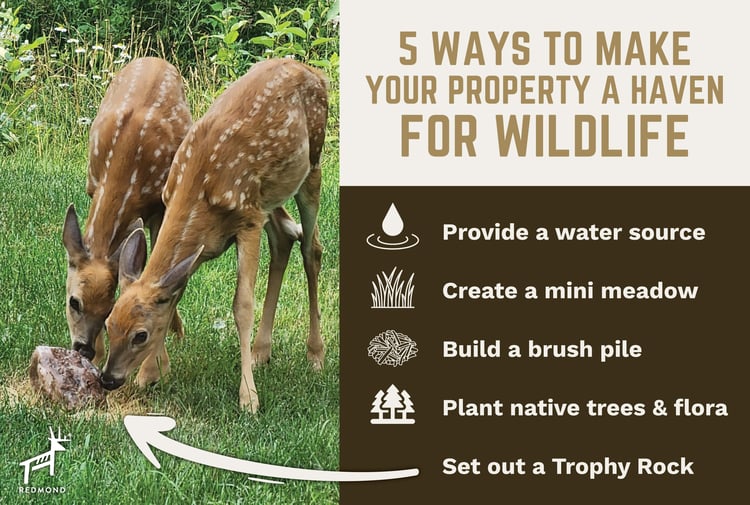
Image Source: blog.redmondhunt.com
Creating a Welcoming Deer Habitat
To effectively attract deer, you need to think about what makes a space appealing to them. This involves providing essential elements like food, water, and shelter. Building a successful deer habitat isn’t just about placing food out; it’s about creating an environment that meets their needs naturally.
Understanding Deer Needs
Deer are herbivores with specific dietary requirements that change with the seasons. They need a consistent supply of nutritious food, clean water, and safe places to rest and escape predators.
Seasonal Food Preferences
Deer foraging habits vary throughout the year. In spring and summer, they actively seek out fresh, green vegetation. Fall brings a focus on energy-rich foods like acorns and fruits to build fat reserves for winter. In winter, they rely on woody browse and any remaining vegetation.
- Spring: Tender shoots, grasses, new leaves, wildflowers.
- Summer: Broadleaf plants, flowers, fruits, agricultural crops.
- Fall: Acorns, nuts, fruits, berries, grains.
- Winter: Twigs, buds, bark, evergreen needles.
Water Sources
A reliable water source is crucial for deer, especially during dry periods. This can be a pond, a stream, or even a well-maintained bird bath.
Shelter and Safety
Deer prefer areas with cover for bedding and protection from weather and predators. Dense shrubs, tall grasses, and wooded areas provide this essential security.
Essential Elements for a Deer-Friendly Yard
Creating a deer friendly yard involves a holistic approach, considering the interconnectedness of food, water, and shelter.
Planting Deer-Attracting Vegetation
The most natural and effective way to attract deer is by planting species they love to eat. These deer food sources should be chosen based on your local climate and soil conditions.
Preferred Plant Species
Consider incorporating a mix of plants that offer year-round food.
- Forbs and Wildflowers: Plants like clover, alfalfa, chicory, coneflowers, and sunflowers are highly nutritious and attractive.
- Shrubs: Dogwood, serviceberry, hawthorn, and viburnum offer fruits, berries, and browse.
- Trees: Oaks (for acorns), fruit trees, and maples provide valuable food sources.
- Grasses: Native grasses offer sustenance, especially during warmer months.
Creating Food Plots
A dedicated food plot can be a powerful deer attractant. Even a small area planted with a mix of deer-preferred seeds can draw them in.
- Clover and Chicory Mix: This is a highly popular and nutritious combination that deer readily consume.
- Winter Forage Mixes: Oats, rye, and wheat can provide crucial food during the colder months.
- Fruit and Nut Trees: Planting these can provide long-term food sources as they mature.
Providing Water
A constant supply of fresh water is vital for attracting and keeping deer in your area.
- Ponds or Water Features: Natural or man-made ponds are ideal. Ensure they have gently sloping sides for easy access.
- Bird Baths: Larger, sturdy bird baths can be used by deer, especially fawns.
- Automatic Waterers: For a more consistent supply, consider an automatic waterer designed for livestock.
Offering Shelter and Cover
Deer feel safest when they have places to hide.
- Dense Shrubs and Evergreens: These provide year-round cover from weather and predators.
- Brush Piles: Natural brush piles offer excellent bedding and hiding spots.
- Native Grasses and Tall Vegetation: These can create natural bedding areas and visual screening.
Natural Deer Attractants and Luring Techniques
Beyond planting, various deer attractant products and techniques can be used to draw them to your property. It’s important to use these responsibly and in accordance with local regulations.
Using Natural Lures and Scents
Deer rely heavily on their sense of smell. Natural scents can be a powerful tool for deer luring techniques.
Scent Lures
Commercial scent lures mimic natural deer scents like urine, musk, and food.
- Urine-Based Lures: Doe urine is particularly effective during the breeding season (rut). Buck urine can also attract bucks.
- Food-Based Lures: Scents that mimic acorns, apples, or other preferred foods can draw deer in.
Application Tips
- Apply lures to natural objects like leaves, branches, or logs near trails or feeding areas.
- Avoid over-application, as a strong, unnatural scent can be off-putting.
- Consider the wind direction when applying scents to ensure they drift towards deer.
Natural Food Scents
If you’re growing fruit trees or have berry bushes, the natural aroma can be a potent attractant.
- Apple Trees: The scent of ripe apples in the fall is irresistible to deer.
- Berry Bushes: Raspberry, blackberry, and elderberry bushes release enticing scents.
Strategic Placement of Food Sources
Where you place your deer food sources matters. Think about how deer naturally move and where they feel secure.
Creating Trails and Corridors
Deer often follow established trails. Creating or enhancing these can guide them to your yard.
- Clearing Paths: Gently clear paths through dense vegetation leading towards your food plots or water sources.
- Planting Along Travel Routes: Planting preferred browse along existing deer trails can encourage them to use your property.
Bedding Areas
Deer need safe places to rest. Providing comfortable bedding areas can make your yard more attractive.
- Dense Cover: Areas with thick shrubs, tall grasses, or conifer trees are ideal.
- Sun and Shade Balance: Deer prefer bedding areas that offer both sun exposure for warmth and shade for cooling.
Understanding Deer Browsing Habits
Deer browsing refers to their feeding behavior. Observing their preferred plants and feeding times will help you refine your strategies.
Identifying Preferred Browse
- Tender Shoots: Deer love the new growth on many plants, especially in spring.
- Buds and Twigs: In winter, they will readily consume twigs and buds from deciduous trees.
- Fruits and Nuts: Acorns, berries, apples, and other fruits are highly sought after.
Feeding Times
Deer are most active during dawn and dusk, known as crepuscular periods. They also feed at night.
- Dawn: As the sun rises, deer emerge from their bedding areas to feed.
- Dusk: As daylight fades, they again become more active in their search for food.
- Night: Deer will also feed throughout the night, especially in areas where they feel safe.
Legal and Ethical Considerations
When aiming to attract deer, it’s crucial to be aware of legalities and ethical practices.
Local Wildlife Regulations
Deer baiting is a sensitive topic and is often regulated or prohibited, particularly during hunting seasons, to prevent the spread of diseases like CWD (Chronic Wasting Disease) and to ensure fair chase hunting practices.
- Check with Your Local DNR/Wildlife Agency: Always verify your local laws regarding feeding or baiting wildlife. These regulations can vary significantly by state, county, and even specific wildlife management units.
- Hunting Season Restrictions: Many jurisdictions ban baiting and feeding during hunting seasons.
Disease Prevention
Concentrating deer through feeding can increase the risk of disease transmission.
- Hygiene: If you are feeding deer, maintain strict hygiene. Clean feeders regularly and remove any uneaten food that can spoil or attract rodents.
- Avoid Over-Feeding: Providing too much food can artificially inflate local deer populations and lead to unhealthy concentrations.
Impact on Your Property and Neighbors
Attracting deer can have unintended consequences.
- Damage to Landscaping: Deer are notorious for browsing on ornamental plants and garden vegetables. Consider planting deer-resistant species or using protective measures like fencing.
- Neighbor Relations: Ensure your efforts don’t negatively impact your neighbors, such as by drawing deer to their gardens or creating traffic hazards.
Advanced Deer Luring Techniques
For those looking to go beyond basic planting, several advanced deer luring techniques can be employed.
Using Mineral Supplements
Deer require essential minerals for their health. Providing these can be a significant attractant.
Mineral Sites
Create a mineral site by mixing a deer-specific mineral supplement with soil.
- Preferred Minerals: Look for supplements containing salt, calcium, phosphorus, and trace minerals like magnesium, potassium, and zinc.
- Application: Mix the supplement with soil and create a shallow pit or mound in an area where you want to attract deer. This mimics natural mineral licks.
Timing for Mineral Supplements
- Spring and Summer: Mineral supplements are most effective during these times when deer are actively growing antlers and when does are lactating.
Trail Camera Monitoring
Trail cameras are invaluable tools for observing deer activity and understanding their patterns.
Placement Strategies
- Near Food Sources and Water: Place cameras overlooking established feeding areas or water sources.
- Along Deer Trails: Cameras on well-used trails can capture deer movement.
- Near Mineral Sites: Monitor the use of your mineral sites.
Analyzing Footage
- Identify Key Deer: Note the number of deer, their age and sex, and their preferred visiting times.
- Evaluate Attractants: See which food sources or lures are most effective.
- Understand Movement Patterns: Map out the travel corridors deer are using on your property.
Creating Travel Corridors and Funnels
Deer often travel through predictable pathways. You can influence these with strategic landscaping.
- Planting Dense Rows: Planting rows of shrubs or trees can create natural funnels, guiding deer towards specific areas.
- Brush Piles: Strategically placed brush piles can act as visual barriers, channeling deer movement.
Making Your Yard a Year-Round Deer Haven
Sustaining your efforts ensures that your yard remains an attractive destination for deer throughout the year.
Adapting to Seasonal Changes
Deer needs and preferences shift with the seasons.
- Spring: Focus on planting new, tender vegetation and ensuring water sources are clean.
- Summer: Continue to provide lush green forage. Monitor for ticks and other parasites.
- Fall: Ensure ample access to mast (acorns, nuts) and fruits. Consider planting fall grains.
- Winter: Provide browse if natural sources are scarce. Ensure water sources are accessible if they freeze over.
Maintenance of Food Plots and Feeders
Regular upkeep is essential for the success of your deer-attracting efforts.
Managing Food Plots
- Weeding and Fertilizing: Keep your food plots free of weeds and fertilize as needed to promote healthy growth.
- Overseeding: Consider overseeding in the fall to ensure a continuous supply of food.
Feeder Hygiene
- Regular Cleaning: Clean feeders at least once a week to prevent mold and bacteria growth.
- Feed Quality: Use high-quality deer feed that is nutritionally balanced.
Attracting Wildlife Beyond Deer
While focusing on deer, your efforts can also benefit other local wildlife.
Creating a Biodiverse Ecosystem
A yard that attracts deer often provides resources for other animals as well.
- Bird Feeders: Complement deer attractants with feeders for birds.
- Insect Habitats: Native plants that attract deer also attract pollinators like bees and butterflies.
- Small Mammal Shelters: Brush piles and dense vegetation offer shelter for rabbits, squirrels, and other small mammals.
Beneficial Insects and Pollinators
Many plants that deer eat are also excellent for supporting beneficial insects and pollinators.
- Native Wildflowers: These provide nectar and pollen for a wide range of insects.
- Flowering Shrubs: Serviceberry, elderberry, and viburnum are attractive to both deer and pollinators.
Frequently Asked Questions (FAQ)
What is the best time of year to start attracting deer?
The best time to start attracting deer depends on your goals. For general attraction, planting is most effective in spring or fall. For attracting bucks during the rut, late fall is key. For fawns, spring and summer are important for nutrition.
How can I prevent deer from eating my garden while still attracting them to other parts of my yard?
- Fencing: Use deer-resistant fencing around your garden. Tall fences (8 feet or more) are most effective.
- Repellents: Use deer repellents on your garden plants. These often work by scent or taste deterrents.
- Strategic Planting: Plant preferred deer attractants away from your garden and near areas where you want them to congregate.
Are there any natural deer attractants that are illegal to use?
Yes, some natural attractants, particularly urine-based ones, can be restricted or illegal to use for baiting, especially during hunting seasons. Always check your local regulations.
How much food do deer typically eat?
Adult deer can consume up to 6-8 pounds of vegetation per day, depending on the season and the nutritional quality of the food available.
Can I use salt blocks to attract deer?
Salt blocks can attract deer, but it’s important to use them responsibly and in moderation. Excessive salt intake can be detrimental to their health. Many specialized mineral supplements designed for deer are a better option.
How close is too close to my house to place deer attractants?
While deer can become accustomed to human presence, it’s generally advisable to place food sources and attractants away from your immediate house to avoid conflicts and potential damage to your property. Consider areas closer to property lines or less trafficked parts of your yard.
By implementing these strategies, you can create a safe, inviting, and sustainable environment that will naturally draw deer to your yard, offering a unique opportunity to connect with nature and observe wildlife up close. Remember to always prioritize responsible practices and adherence to local wildlife laws.