
One cubic yard of mulch can cover approximately 108 square feet at a depth of 3 inches. This is a common question for homeowners and gardeners, and the answer depends on a few key factors: the desired depth of your mulch layer, the size of the area you need to cover, and the type of mulch you choose. This guide will help you accurately estimate your mulch needs, ensuring you buy the right amount for your landscaping projects.
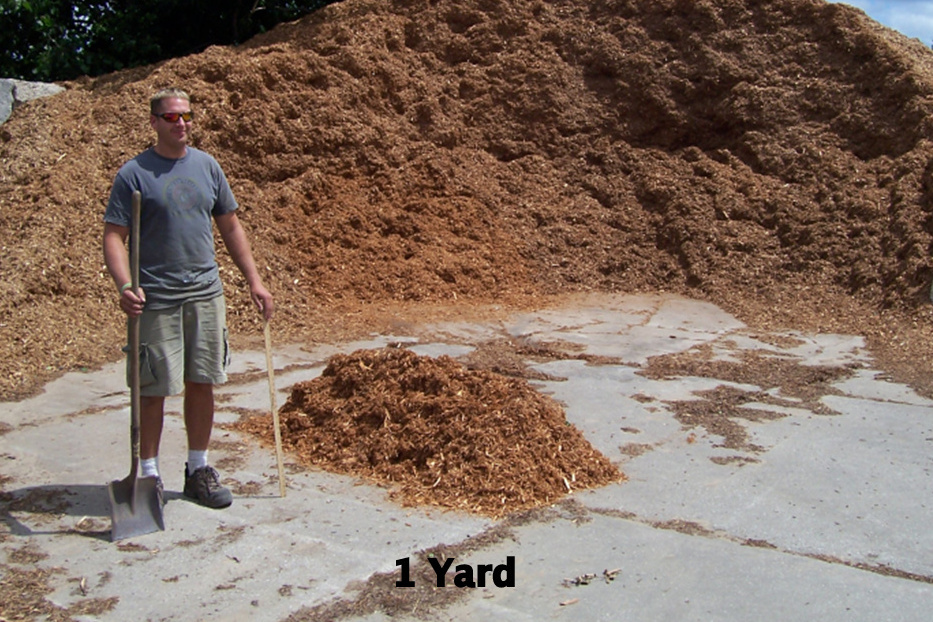
Image Source: klsupplies.com
Deciphering Mulch Coverage: The Basics
Mulch is a fantastic addition to any garden or landscape. It helps retain moisture, suppress weeds, regulate soil temperature, and improve soil health over time. But before you load up your truck or order a delivery, knowing how much you need is crucial. Buying too much can lead to waste, while buying too little means more trips to the store or an incomplete job.
How to Calculate Mulch Needed: Your Step-by-Step Approach
The primary calculation for estimating mulch per square foot revolves around the area you want to cover and your desired mulch depth. Here’s a breakdown of the process:
-
Measure Your Area: The first step is to determine the size of the space you want to mulch.
- Rectangular or Square Beds: Multiply the length by the width to get the square footage. (Length x Width = Square Feet)
- Circular Beds: Measure the diameter of the circle. Divide the diameter by 2 to get the radius. Then, use the formula: π * radius² = Square Feet (use 3.14 for π).
- Irregular Shapes: Break down the area into smaller, manageable shapes (rectangles, squares, triangles). Calculate the area of each shape and add them together for the total square footage.
-
Determine Your Desired Mulch Depth: This is a critical factor in mulch quantity calculation. Different mulch types and landscaping goals may suggest different depths. A mulch depth guide is essential here.
- General Landscaping Beds: A depth of 2-3 inches is typically recommended.
- Around Trees and Shrubs: A depth of 2-4 inches, keeping it away from the trunk itself, is ideal.
- Weed Suppression: Deeper layers (3-4 inches) are more effective at blocking sunlight for weeds.
- Erosion Control: Slopes might benefit from a slightly deeper layer to help hold the soil.
-
Convert Depth to Feet: Since mulch is sold by the cubic yard (which is measured in cubic feet), you need to convert your desired depth from inches to feet.
- Divide your desired depth in inches by 12 (inches in a foot).
- Example: For a 3-inch depth, the calculation is 3 inches / 12 inches/foot = 0.25 feet.
-
Calculate the Volume Needed: Now, you can calculate the total cubic feet of mulch you need.
- Multiply your total square footage by your desired depth in feet.
- Volume (cubic feet) = Square Footage × Depth (feet)
-
Convert Cubic Feet to Cubic Yards: Mulch is usually sold in cubic yards. There are 27 cubic feet in one cubic yard.
- Divide your total cubic feet by 27.
- Cubic Yards = Total Cubic Feet / 27
Example Calculation:
Let’s say you have a rectangular garden bed that is 10 feet long and 6 feet wide, and you want a mulch depth of 3 inches.
- Area: 10 feet x 6 feet = 60 square feet.
- Depth in Feet: 3 inches / 12 inches/foot = 0.25 feet.
- Volume in Cubic Feet: 60 square feet x 0.25 feet = 15 cubic feet.
- Volume in Cubic Yards: 15 cubic feet / 27 cubic feet/yard = 0.56 cubic yards.
In this case, you’d likely want to round up to a full cubic yard to ensure you have enough, especially if you account for settling or uneven distribution.
Typical Mulch Coverage: A Helpful Reference
While the calculation above is precise, having a general idea of typical mulch coverage can be very helpful for quick estimates. The most common and useful figure to remember is the cubic yard mulch coverage for a standard depth.
Mulch Coverage Chart (Based on Depth)
This chart illustrates how much area one cubic yard of mulch will cover at various depths. This is a crucial part of using a mulch coverage calculator effectively.
| Desired Mulch Depth | Square Feet Covered by 1 Cubic Yard |
|---|---|
| 1 inch | 324 sq ft |
| 2 inches | 162 sq ft |
| 3 inches | 108 sq ft |
| 4 inches | 81 sq ft |
| 5 inches | 64.8 sq ft |
| 6 inches | 54 sq ft |
Why the difference? Imagine a cube of mulch that is 3 feet long, 3 feet wide, and 3 feet high (3x3x3 = 27 cubic feet, which is one cubic yard). When you spread this out, the thinner you spread it, the larger the area it covers.
Factors Influencing Mulch Coverage
While the depth is the primary determinant of coverage, several other factors can influence how much ground your mulch actually covers:
Mulch Type and Consistency
Different types of mulch have varying densities and particle sizes.
- Shredded Bark Mulch: Tends to compact a bit but generally spreads evenly.
- Wood Chips: Can be chunkier and might not settle as tightly, potentially requiring a bit more to achieve the same visual depth.
- Pine Needles or Straw: Very lightweight and can blow around. They also compress significantly. You might need a deeper layer of these for comparable coverage to wood products.
- Composted Materials: Often have a finer texture and can compact more readily.
The spread rate mulch is intrinsically linked to its physical properties. A chunkier mulch might spread out more thinly if not applied carefully, whereas a finer mulch might be easier to distribute evenly.
Application Technique
How you apply the mulch also plays a role:
- Even Distribution: Aim for a consistent layer. Over-applying in some spots and under-applying in others means you’ll effectively use more mulch than necessary.
- Compaction: While you don’t want to stomp on your mulch, natural settling will occur. Heavier mulches might settle more than lighter ones.
- Edging: If you have very distinct borders, you might be more precise with your application. In more naturalistic settings, some overlap might occur.
Site Conditions
- Windy Areas: Lighter mulches can be blown away, reducing effective coverage over time and requiring more frequent topping up.
- Steep Slopes: Mulch can slide down slopes. A thicker layer or a mulch with better binding properties (like shredded bark) is often preferred here.
Using a Mulch Coverage Calculator
For those who prefer digital tools, a mulch coverage calculator can simplify the process. These online tools typically ask for:
- The dimensions of your area (length, width, or radius).
- Your desired mulch depth.
The calculator then performs the necessary calculations to tell you how many cubic yards of mulch you need. Many landscaping supply companies offer these tools on their websites, making it easy to get an instant estimate. These calculators are designed around the standard mulch application rate that is generally recommended.
When is a Deeper Mulch Layer Necessary?
While 2-3 inches is a good general guideline, there are specific reasons why you might opt for a deeper mulch layer:
Weed Suppression
Weeds thrive when they can access sunlight. A thin layer of mulch (1-2 inches) might not be enough to block the sun completely, allowing some weed seeds to germinate. A mulch depth guide for weed control would recommend 3-4 inches, creating a dense barrier.
Moisture Retention
In hot, dry climates or during periods of drought, a thicker layer of mulch acts as a more effective blanket, reducing evaporation from the soil surface. This is particularly important for newly planted trees and shrubs that are establishing their root systems.
Soil Temperature Regulation
A deep mulch layer provides excellent insulation. In summer, it keeps the soil cooler, protecting delicate roots from overheating. In winter, it helps insulate the soil, protecting plants from harsh freezes and thaws that can damage roots.
Aesthetics
Some gardeners prefer the visual impact of a deeper, more pronounced mulch layer. It can give garden beds a finished, well-maintained appearance. However, it’s important not to over-mulch, as this can lead to other problems.
The Dangers of Over-Mulching
While mulch is beneficial, more is not always better. Applying mulch too thickly can create several issues:
Root Suffocation
Roots need oxygen to survive. If mulch is piled too high against the trunk of a tree or the crown of a plant, it can suffocate the roots by preventing air circulation. This can lead to root rot and eventual plant death.
Disease and Pest Issues
Excessive moisture trapped by thick mulch can create a perfect breeding ground for fungal diseases and certain pests like slugs and earwigs.
Mulch Volatiles
In some cases, especially with certain types of wood mulch, a very thick layer can trap volatile organic compounds (VOCs) released by the decomposing wood. These can be harmful to plants.
Barrier to Water Penetration
Paradoxically, a mulch layer that becomes too compacted or too thick can sometimes prevent water from effectively reaching the soil.
A good mulch depth guide will always caution against piling mulch too high, typically recommending no more than 4 inches for most situations, and always keeping it a few inches away from tree trunks and plant stems.
Calculating Mulch for Different Project Sizes
Let’s explore how the landscaping mulch coverage changes with project size.
Small Garden Bed (e.g., 4ft x 8ft)
- Area: 4 ft x 8 ft = 32 sq ft
- At 3 inches depth (0.25 ft): 32 sq ft x 0.25 ft = 8 cubic feet
- In cubic yards: 8 cubic feet / 27 = 0.3 cubic yards
- Recommendation: Buy 0.5 cubic yards (half a yard) or a full yard if you want to be sure and account for settling.
Medium Flower Bed (e.g., 10ft x 15ft)
- Area: 10 ft x 15 ft = 150 sq ft
- At 3 inches depth (0.25 ft): 150 sq ft x 0.25 ft = 37.5 cubic feet
- In cubic yards: 37.5 cubic feet / 27 = 1.39 cubic yards
- Recommendation: You’ll need to buy 1.5 cubic yards.
Large Tree Ring (e.g., 6ft diameter circle)
- Radius: 6 ft / 2 = 3 ft
- Area: 3.14 x (3 ft)² = 3.14 x 9 sq ft = 28.26 sq ft
- At 4 inches depth (0.33 ft): 28.26 sq ft x 0.33 ft = 9.33 cubic feet
- In cubic yards: 9.33 cubic feet / 27 = 0.34 cubic yards
- Recommendation: Buy 0.5 cubic yards for this tree ring.
These examples highlight how estimating mulch per square foot is key to accurate purchasing.
Frequently Asked Questions About Mulch Coverage
Here are some common questions related to mulch coverage:
How many bags of mulch are in a cubic yard?
The number of bags in a cubic yard varies significantly depending on the bag size and the density of the mulch. However, a common bag size is 2 cubic feet. In this case, one cubic yard (27 cubic feet) would contain approximately 13.5 bags (27 / 2 = 13.5). Always check the bag size on the product label.
Can I use shredded mulch and wood chips for the same area?
Yes, you can mix mulch types, but be mindful of their spread rate mulch and how they compact. For instance, using a finer mulch as a base and topping it with chunkier wood chips can create a nice layered look and provide good coverage.
How often do I need to replenish mulch?
This depends on the mulch type and the conditions. Generally, you might need to top up your mulch once a year, typically in the spring or fall. Shredded mulches may break down faster than chunky wood mulches.
What if my area isn’t a standard shape?
For irregular shapes, breaking them down into simpler geometric forms (rectangles, circles, triangles) and calculating the area of each part before summing them up is the most accurate method for how to calculate mulch needed. Alternatively, you can use online tools that allow you to draw shapes on a map or enter multiple dimensions.
Does the moisture content of mulch affect its coverage?
Yes, freshly harvested mulch might be wetter and heavier, and it could compact more. Dry mulch might be lighter. However, for standard cubic yard mulch coverage calculations, the dry volume is usually assumed. Once wet, mulch will settle and compact, so it’s often wise to buy slightly more than your exact calculation.
What is the best mulch for weed suppression?
For the best weed suppression, aim for a mulch with a good density and a depth of at least 3-4 inches. Shredded bark mulches, hardwood mulches, and composted materials are often good choices. Avoid lightweight mulches like straw or pine needles if weed suppression is your primary goal, as they can shift and allow light to penetrate.
By following these guidelines and using the provided calculations, you can confidently determine exactly how much mulch you need for your next landscaping project, ensuring beautiful and healthy results.