
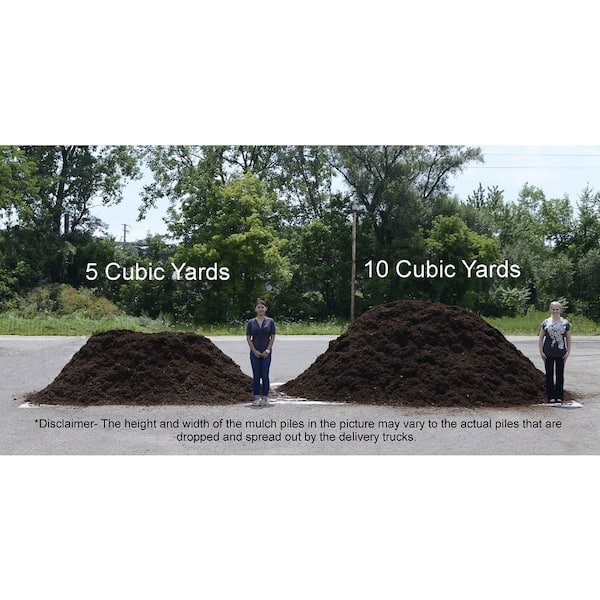
Image Source: images.thdstatic.com
How Much Is a Yard of Dirt? The Ultimate Cost Guide & Pricing Factors
So, how much does 1 cubic yard of dirt cost? The price for a yard of dirt can range from $10 to $75 or more, depending on the type of soil, quality, location, and delivery fees. This guide will help you figure out exactly how much you’ll need and what factors influence the final price.
Planning a landscaping project? Whether you’re building a new garden bed, leveling your yard, or starting a playground, knowing the cost of a cubic yard of soil is a crucial first step. Many people wonder about the dirt prices by the yard, and this article will break down all the essential elements.
Deciphering the Cost of Dirt: What Influences the Price?
The price per yard of topsoil isn’t a simple, one-size-fits-all number. Numerous variables come into play, shaping the final amount you’ll pay. Let’s delve into these key factors that determine the cost of landscaping dirt per yard.
Type of Soil Matters
Not all dirt is created equal. The specific type of soil you need will significantly impact its cost.
- Topsoil: This is the uppermost layer of soil, rich in nutrients and organic matter. It’s ideal for gardens, lawns, and general landscaping. Because it’s a valuable resource, high-quality topsoil usually costs more.
- Fill Dirt: This is generally less processed and may contain more clay, sand, or even small stones. It’s often used for filling holes, grading land, or creating raised beds where nutrient content isn’t the primary concern. Fill dirt is typically less expensive than topsoil.
- Composted Soil/Amendments: If you’re looking for soil enriched with compost, manure, or other organic matter, the price will likely be higher. These soils offer enhanced fertility and improved soil structure.
- Specialty Mixes: Some suppliers offer specialized blends, like loam (a mix of sand, silt, and clay), or soils formulated for specific plants or applications. These can come at a premium.
Quality and Purity of the Dirt
Beyond the type, the quality and purity of the dirt play a significant role in its price.
- Screened vs. Unscreened: Screened dirt has had rocks, debris, and clumps removed, resulting in a finer, more consistent texture. This screening process adds labor and equipment costs, making screened dirt more expensive. Unscreened dirt is cheaper but might contain undesirable materials.
- Nutrient Content: Topsoil with a higher organic matter content and essential nutrients will command a higher price. Labs can test soil for nutrient levels, but generally, darker, richer-looking soil is considered higher quality.
- Source: The origin of the dirt can also influence price. Soil sourced from reputable farms or specially managed sites might be more costly than soil from general excavation sites.
Bulk vs. Bagged Dirt
When purchasing dirt, you’ll typically have the option of buying in bulk or in pre-packaged bags.
- Bulk Dirt: This is the most economical option for larger projects. Dirt is sold by the cubic yard or ton and is usually delivered by dump truck. This is where you’ll find the best bulk dirt prices.
- Bagged Dirt: Bags typically contain about 0.5 to 1 cubic foot of soil. While convenient for small jobs, the price per cubic yard is significantly higher due to packaging, handling, and retail markups. This is useful if you only need a small amount and don’t want to deal with delivery.
Delivery Costs: A Major Component
Unless you have a truck and can pick up the dirt yourself, delivery fees are almost always a factor.
- Distance: The further you are from the supplier, the higher the delivery cost will be. Many suppliers have a radius for their standard delivery fees, and anything beyond that may incur additional charges.
- Volume: Some suppliers might offer free delivery for very large orders, while others charge a flat fee regardless of the quantity. It’s important to inquire about their delivery policies.
- Site Accessibility: If your delivery location is difficult to access (e.g., narrow driveways, steep slopes, or properties with limited turn-around space), there might be extra charges. The driver needs to be able to maneuver their truck safely.
- Expedited Delivery: If you need the dirt sooner than the standard delivery schedule, you might be charged a premium for rush service.
Location, Location, Location
Geographic location plays a surprisingly large role in the cost of a cubic yard of soil.
- Regional Availability: In areas where good quality topsoil is abundant, prices might be lower. Conversely, in regions where it’s scarcer or heavily regulated, costs can be higher.
- Local Market Demand: High demand in a particular area, perhaps due to a boom in construction or landscaping, can drive up prices.
- Taxes and Fees: Local taxes, environmental fees, or permits associated with soil extraction or transport can add to the final cost.
How Much Dirt Do I Actually Need? Calculating Your Requirements
One of the most common questions is how many cubic yards of dirt do I need? Accurately calculating this can save you money and prevent over or under-ordering.
The Cubic Yard Explained
A cubic yard is a unit of volume. It’s equivalent to a cube that is 3 feet long, 3 feet wide, and 3 feet high (3′ x 3′ x 3′ = 27 cubic feet). When you buy “a yard of dirt,” it refers to one cubic yard.
Simple Calculation Method
To estimate how much dirt you need, you’ll need to measure the dimensions of the area you want to fill or cover.
-
Measure the Area:
- Length: Measure the longest side of your area in feet.
- Width: Measure the shorter side of your area in feet.
- Depth: Determine how deep you want the layer of soil to be in feet.
-
Convert Depth to Feet: If your desired depth is in inches, divide by 12 to convert it to feet (e.g., 6 inches = 0.5 feet).
-
Calculate Volume in Cubic Feet:
- Multiply Length × Width × Depth = Cubic Feet
-
Convert Cubic Feet to Cubic Yards:
- Divide the Cubic Feet by 27 (since there are 27 cubic feet in a cubic yard).
Formula: (Length in feet × Width in feet × Depth in feet) / 27 = Cubic Yards Needed
Example:
Let’s say you want to create a garden bed that is 10 feet long, 5 feet wide, and 6 inches deep (0.5 feet).
- Length = 10 ft
- Width = 5 ft
- Depth = 0.5 ft
Cubic Feet = 10 ft × 5 ft × 0.5 ft = 25 cubic feet
Cubic Yards = 25 cubic feet / 27 ≈ 0.93 cubic yards
Accounting for Compaction
It’s important to remember that dirt often settles and compacts after it’s laid and watered. Suppliers often recommend ordering an extra 10% to account for this.
- Multiply your calculated cubic yards by 1.10.
In our example: 0.93 cubic yards × 1.10 ≈ 1.02 cubic yards. In this case, you would likely round up to 1.5 cubic yards or even 2 cubic yards to be safe, especially if you’re ordering from a supplier that only sells in half-yard increments.
Using a Yard of Dirt Price Calculator
Many landscaping supply companies and online calculators can help you with this. You input your dimensions, and they estimate the volume needed and sometimes even the cost, including delivery. These are excellent tools for getting a quick estimate, but always double-check your measurements.
Typical Pricing Structures and Estimates
Now that you know what influences the cost, let’s look at some typical price ranges. Remember, these are estimates and can vary significantly by region and supplier.
Average Costs for Different Soil Types (per Cubic Yard)
| Soil Type | Estimated Price Range (per Cubic Yard) | Notes |
|---|---|---|
| Fill Dirt | $10 – $30 | Less processed, suitable for bulk filling, grading. |
| Topsoil | $20 – $50 | General purpose, good for gardens and lawns. |
| Screened Topsoil | $30 – $60 | Finer texture, free of rocks and debris. |
| Composted Soil | $40 – $75+ | Enriched with organic matter, higher nutrient content. |
| Specialty Mixes | $50 – $100+ | Custom blends, loam, specific plant mixes. |
Delivery Cost Breakdown (per Yard)
The dirt delivery cost per yard can also vary. Some suppliers charge a flat delivery fee for a certain volume, while others charge per yard delivered.
- Small Delivery Fee (for up to 3-5 cubic yards): $50 – $150
- Larger Delivery Fee (for bulk orders): May be included or a lower per-yard rate.
- Long-Distance Delivery: Can add $5-$10 per mile over a certain radius.
Therefore, the total cost of a yard of dirt, including delivery, can easily range from $60 to $125 or more.
Where to Buy Dirt and Get the Best Prices
Finding the right supplier is key to getting the best price per yard of topsoil or any other type of soil.
Local Landscaping Supply Companies
These are often the best bet for bulk purchases. They specialize in landscaping materials and can provide quality products and delivery services.
- Pros: High-quality products, knowledgeable staff, delivery options, often competitive bulk dirt prices.
- Cons: May have minimum order requirements, delivery fees can add up.
Garden Centers and Home Improvement Stores
These stores sell bagged dirt and sometimes smaller quantities of bulk soil.
- Pros: Convenient for small projects, readily available.
- Cons: Significantly higher price per cubic yard compared to bulk suppliers, quality can vary.
Excavation Companies
Sometimes, excavation companies have excess dirt from construction sites that they might sell.
- Pros: Potentially very low prices for fill dirt.
- Cons: Dirt quality may be variable (unscreened, may contain debris), delivery might be less reliable or more expensive.
Online Retailers
While many online retailers sell bagged soil, some bulk suppliers also have an online presence.
- Pros: Convenience of ordering from home.
- Cons: Delivery costs are a major factor, hard to assess quality without seeing it.
Getting the Most Bang for Your Buck: Tips for Saving Money
Here are some strategies to help you manage the cost of landscaping dirt per yard:
- Shop Around: Get quotes from several local suppliers before making a decision.
- Buy in Bulk: For larger projects, buying in bulk is almost always cheaper than buying bags.
- Consider Fill Dirt for Non-Critical Areas: If you’re just filling holes or grading, less expensive fill dirt is a smart choice.
- Plan Your Project: Accurately calculate how many cubic yards of dirt do I need? to avoid waste.
- Factor in Delivery Costs: If possible, try to consolidate orders or arrange pickup yourself if you have a suitable vehicle.
- Ask About Quality: Don’t assume the cheapest option is the best. Understand what you’re buying, especially regarding topsoil quality.
- Timing: Sometimes, suppliers offer discounts during the off-season or at specific times of the year.
Frequently Asked Questions About Dirt Pricing
Q1: What is the cheapest way to buy dirt?
Buying dirt in bulk from a local landscaping supply company is generally the cheapest way. Fill dirt is typically less expensive than topsoil.
Q2: Can I pick up dirt myself to save on delivery costs?
Yes, if you have a truck or trailer capable of hauling the volume you need, picking it up yourself can save significantly on delivery fees. Check with the supplier about their pickup policies and any weight limits.
Q3: How is dirt measured for purchase?
Dirt is most commonly sold by the cubic yard. Some suppliers may also sell by the ton, but cubic yard is the standard for landscaping.
Q4: How much does a truckload of dirt cost?
A standard dump truck can typically carry between 8 to 15 cubic yards of dirt, depending on the truck’s capacity and the density of the soil. The cost will be the per-yard price multiplied by the volume, plus any applicable delivery fees.
Q5: Is there a difference between “dirt” and “soil”?
In common language, the terms are often used interchangeably. However, “soil” technically refers to the upper layer of the Earth that contains organic matter and nutrients, suitable for plant growth. “Dirt” can sometimes refer to soil that is less rich or even just the mineral component. For landscaping purposes, you’re usually looking for “soil,” especially “topsoil.”
Q6: What is a “yard of dirt price calculator” for?
A yard of dirt price calculator is an online tool that helps you estimate how much dirt you need by inputting your project’s dimensions. It can also give you an approximate cost, often including delivery charges based on your location.
By carefully considering these factors and using the provided calculation methods, you can confidently determine how much is a yard of dirt for your next project and make an informed purchasing decision. Happy landscaping!