
Curious about the sand price per cubic yard? Generally, you can expect to pay anywhere from $20 to $100 or more per cubic yard for sand, depending on the type, quality, and where you’re buying it. This guide will help you pinpoint the factors that influence the cost of sand for landscaping and construction, ensuring you get the best value for your project.
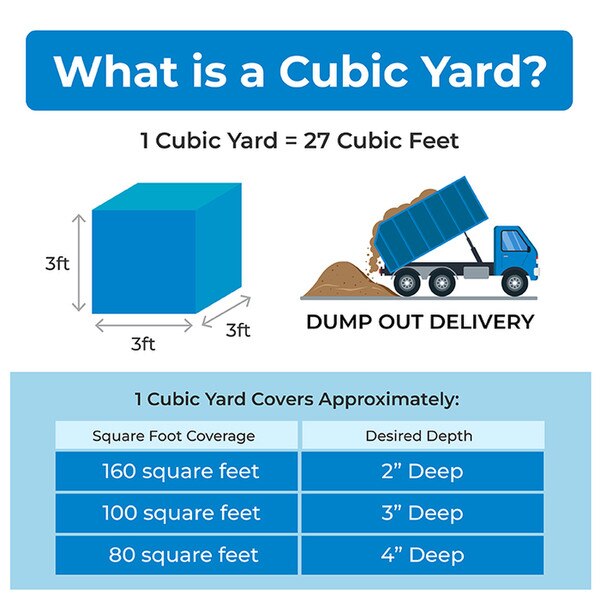
Image Source: www.cumminlandscapesupply.com
Figuring Out Your Sand Needs
Before you can figure out how much sand you need, you have to know what you’re using it for. Different projects call for different types and amounts of sand.
Common Sand Uses
- Landscaping: For pathways, play areas, and mixing with soil.
- Construction: For concrete, mortar, and base layers for patios and driveways.
- Gardening: To improve drainage and aeration in garden beds.
- Playgrounds: For safe and soft play surfaces.
Calculating Sand Volume
To estimate how much sand you need, you’ll measure the area of your project in square feet and the desired depth in feet. Then, you multiply these numbers to get cubic feet. Since sand is usually sold by the cubic yard, you’ll divide your cubic feet by 27 (because there are 27 cubic feet in one cubic yard).
Formula: Cubic Yards = (Length in feet × Width in feet × Depth in feet) / 27
Let’s say you need a 4-inch layer of sand for a patio that is 10 feet by 12 feet.
- Convert inches to feet: 4 inches is equal to 4/12 = 0.33 feet.
- Calculate cubic feet: 10 ft × 12 ft × 0.33 ft = 39.6 cubic feet.
- Convert to cubic yards: 39.6 cubic feet / 27 cubic feet per yard = 1.47 cubic yards.
It’s always a good idea to round up to the nearest whole or half yard to account for settling and any minor miscalculations.
Factors Affecting Sand Costs
Several things change the sand price per cubic yard. Knowing these can help you find the best deal.
Types of Sand and Their Prices
The kind of sand you choose is a big factor in its cost. Some sands are more processed or have special qualities, making them pricier.
- All-Purpose Sand (Construction Sand): This is a common and affordable option. It’s great for mixing concrete, laying bricks, and general construction. It’s typically coarser.
- Price Range: $20 – $50 per cubic yard.
- Play Sand: This sand is usually finer and washed to remove impurities, making it safer for children’s play areas. This extra processing means it costs more.
- Price Range: $30 – $70 per cubic yard.
- Mason Sand: A finer sand, ideal for mortar and stucco. It’s smoother than construction sand.
- Price Range: $30 – $60 per cubic yard.
- Coarse Sand/Pea Gravel Sand: This has larger grains and can be used for drainage or as a decorative element in landscaping.
- Price Range: $25 – $55 per cubic yard.
- Decorative Sand: This includes colored sands or sands with unique textures for landscaping and crafts. It’s often the most expensive due to its specialized appearance.
- Price Range: $50 – $100+ per cubic yard.
Quality and Purity
The cleaner and more uniform the sand, the higher the price. Sand with fewer impurities like clay, silt, or organic matter will cost more. Play sand and some landscaping sands are washed and screened, increasing their cost but also their suitability for specific uses.
Bulk vs. Bagged Sand
Buying sand in bulk is almost always cheaper than buying it in bags.
- Bulk Sand: This is sand delivered by a dump truck, usually in quantities of a cubic yard or more. You get more sand for your money. This is where you’ll find the cheapest sand per yard.
- Price Range: $20 – $70 per cubic yard (plus delivery).
- Bagged Sand: Typically sold in 50-pound or 80-pound bags. A 50-pound bag might yield about 0.5 cubic feet of sand. You’ll need many bags to equal a cubic yard, making it more expensive per unit.
- Price Range: $5 – $10 per 50-pound bag. To get a cubic yard (27 cubic feet), you’d need about 54 bags (27 / 0.5). That’s $270 – $540 for a cubic yard!
Location and Supplier
Where you buy your sand and where you live matters.
- Local Quarries and Landscape Supply Yards: These are often the best places to find competitive bulk sand prices.
- Home Improvement Stores: While convenient, they often sell bagged sand at a higher price per yard.
- Online Retailers: Can offer competitive prices, especially for specialty sands, but you’ll need to factor in shipping.
Your geographical location also plays a role. Areas with high demand or limited local supply will naturally have higher sand prices.
How Much Does a Truckload of Sand Cost?
A “truckload” can mean different things. A standard pickup truck can haul about 0.5 to 1 cubic yard of sand. Larger commercial dump trucks can carry 10 to 20 cubic yards or more.
- Pickup Truck Load: If you’re buying just a yard or two, the price is simply the per-yard cost plus any small delivery fee if the supplier delivers.
- Dump Truck Load: For larger projects, a full dump truck delivery is more economical. The sand delivery cost is a major factor here. A full dump truck might carry 10 cubic yards. If the sand is $40 per cubic yard, your sand cost alone is $400. Delivery could add another $100 to $300, making a full truckload anywhere from $500 to $700+.
Sand Delivery Cost: An Important Factor
Don’t forget to factor in sand delivery cost! This can significantly impact your total budget.
- Distance: The further the delivery location is from the supplier, the higher the charge.
- Volume: Some suppliers have minimum delivery fees, while others charge more for larger loads or multiple trips.
- Accessibility: If the delivery site is difficult to access (e.g., narrow streets, tight driveways), there might be an extra charge.
Always ask for a total quote that includes sand and delivery before you commit.
Gravel vs. Sand Cost
When planning projects like pathways or driveways, you might compare the gravel vs. sand cost.
- Sand: Generally cheaper per cubic yard than gravel. Its finer texture makes it good for compacting into a smooth surface.
- Gravel: Prices vary widely based on type and size. Pea gravel or decorative gravel can be more expensive than basic construction sand. Gravel offers better drainage and a more natural, textured look.
For a base layer on a driveway, rough construction sand is often a very cost-effective choice. For top dressing a garden or creating a beach-like area, decorative gravel might be preferred, but at a higher price point.
Step-by-Step Guide to Buying Sand
Here’s a practical approach to getting the sand you need:
1. Define Your Project and Sand Type
- What is the sand for? (Landscaping, construction, play area?)
- What type of sand is best suited? (Play sand, construction sand, mason sand?)
2. Calculate Your Quantity
- Measure your project area (length x width).
- Determine the desired depth.
- Convert measurements to cubic yards using the formula.
- Add about 10% extra for settling and waste.
3. Research Suppliers
- Check local landscape supply yards, quarries, and home improvement stores.
- Get quotes from at least 2-3 suppliers.
- Inquire about bulk sand prices versus bagged prices.
4. Get Quotes Including Delivery
- When you call, ask for the sand price per cubic yard and the total delivery cost to your address.
- Clarify what a “truckload” means for their delivery service.
5. Compare and Purchase
- Weigh the total cost, including sand, quality, and delivery fees.
- The supplier with the best combination of price, quality, and reliable delivery is your winner.
Estimating Costs for Common Projects
Let’s look at some examples to help you estimate.
Landscaping Projects
For cost of sand for landscaping, you might use it for a sandbox, a pathway, or to mix into garden beds.
- Sandbox (e.g., 8ft x 8ft, 1ft deep):
- Volume: (8 x 8 x 1) / 27 = 2.37 cubic yards.
- You’d need about 2.5 cubic yards.
- Using play sand at $50/yard + $50 delivery (for a small load): 2.5 x $50 + $50 = $175.
- Pathway (e.g., 3ft wide, 30ft long, 4 inches deep):
- Volume: (3 x 30 x 0.33) / 27 = 1.1 cubic yards.
- You’d need about 1.25 cubic yards.
- Using decorative sand at $70/yard + $70 delivery: 1.25 x $70 + $70 = $157.50.
Construction Projects
For construction sand cost, think about concrete or a base for pavers.
- Concrete Patio Base (e.g., 10ft x 10ft, 6 inches deep):
- Volume: (10 x 10 x 0.5) / 27 = 1.85 cubic yards.
- You’d need about 2 cubic yards.
- Using all-purpose sand at $30/yard + $100 delivery: 2 x $30 + $100 = $160.
These are just estimates, and actual prices will vary.
Tips for Saving Money on Sand
- Buy in Bulk: This is the single biggest way to save.
- Choose the Right Type: Don’t overspend on fancy sand if basic construction sand will do.
- Shop Around: Get quotes from multiple suppliers.
- Pick Up Yourself (If Possible): If you have a truck and the distance is short, picking it up might save on delivery fees. However, be aware of your truck’s weight capacity.
- Consider Timing: Sometimes, suppliers offer seasonal discounts.
Frequently Asked Questions About Sand Costs
How much does a cubic yard of sand weigh?
A cubic yard of sand typically weighs between 2,700 and 3,000 pounds (1.35 to 1.5 tons), depending on its moisture content and type.
Can I get sand delivered in less than a cubic yard?
Some suppliers might offer smaller deliveries, but you’ll likely pay a premium. Many have a minimum charge equivalent to a full cubic yard, even for smaller amounts.
Is washed sand more expensive?
Yes, washed sand is generally more expensive because the washing and screening process adds to the labor and operational costs. However, it’s often necessary for specific applications like play areas or when a very clean product is required.
How do I know how much sand I really need?
It’s better to buy a little extra than to run short. Account for settling (sand compacts when it gets wet or is walked on) and potential waste during transport or placement. Adding 10% extra is a good rule of thumb.
What’s the difference between sand and gravel costs?
Generally, basic construction sand is cheaper per cubic yard than most types of gravel. However, specialty decorative gravel or rounded river rock can be more expensive than even premium sand. The intended use will dictate which material is more appropriate and cost-effective.
By carefully considering your project needs, calculating quantities accurately, and comparing prices from various suppliers, you can effectively manage the cost of sand for landscaping or construction and ensure your project stays within budget.