
How much is a yard of compost? The price of a yard of compost typically ranges from $30 to $70 per cubic yard for bulk delivery, with bagged compost costing more per unit. Many factors influence this cost, including the type of compost, delivery fees, and where you purchase it.
Compost is a gardener’s best friend, a true miracle worker for your soil. It improves soil structure, adds vital nutrients, and helps retain moisture. But before you can reap these benefits, you need to know how much it will cost to get this black gold into your garden. This guide will break down the cost of compost, from bagged options to bulk deliveries, helping you budget for your next landscaping or gardening project.
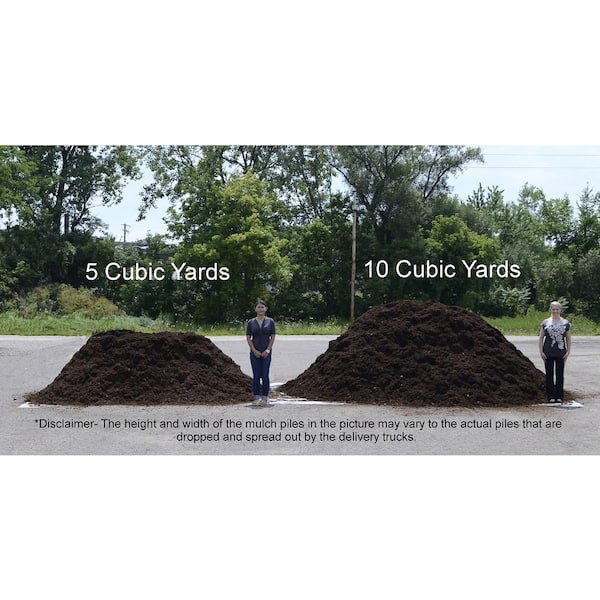
Image Source: images.thdstatic.com
Deciphering Compost Pricing: What Influences the Cost?
The compost price per cubic yard isn’t a fixed number. Several elements play a role in determining how much you’ll pay. Think of it like buying lumber; the type of wood, where you buy it, and how much you need all affect the final price.
Key Factors Affecting Compost Prices
- Type of Compost: Not all compost is created equal. The source materials and the processing methods can significantly impact the price.
- Yard Waste Compost: Often the most affordable, this is typically made from grass clippings, leaves, and small branches collected from residential areas.
- Mushroom Compost: Known for its rich nutrients, this compost is derived from the spent substrate of mushroom cultivation. It usually commands a slightly higher price due to its specialized origin.
- Manure-Based Compost: Made from animal manure (cow, horse, chicken) that has been aged and composted. Its nutrient density often places it in a mid-to-higher price range.
- Specialty Blends: Compost mixed with other beneficial ingredients like worm castings, biochar, or specific amendments for particular plant needs (e.g., vegetable gardens, acid-loving plants) will be more expensive.
- Form (Bulk vs. Bagged): This is a major price differentiator.
- Bulk Compost: Purchased by the cubic yard or half-yard. This is generally the most cost-effective option for larger projects.
- Bagged Compost: Sold in bags typically ranging from 0.75 to 2 cubic feet. While convenient for small jobs, the bagged compost cost per cubic yard is considerably higher due to packaging and handling.
- Delivery Fees: If you’re buying in bulk, the cost of compost delivery can add a significant amount to your total bill. This varies based on distance from the supplier and the volume purchased. Some suppliers offer free delivery above a certain quantity.
- Supplier Location: Prices can differ regionally based on the availability of raw materials, labor costs, and local market demand.
- Seasonality: While less of a factor than with some other gardening supplies, prices can sometimes see slight fluctuations based on seasonal demand, especially during peak spring planting times.
- Quality and Certifications: High-quality, well-screened compost that is free of weeds and pathogens, or certified organic compost, may command a higher price.
Comprehending Bulk Compost Pricing
When you need a substantial amount of compost for a large garden bed, a new lawn, or a significant landscaping project, buying in bulk is the way to go. This is where you’ll find the best bulk compost pricing.
How Much is a Cubic Yard of Compost in Bulk?
As mentioned, the average compost price per cubic yard for bulk delivery falls between $30 and $70. However, you might find it as low as $20-$25 in some regions for basic yard waste compost or as high as $80-$100 for premium, screened, or specialty blends, especially if delivery is included.
Table 1: Estimated Bulk Compost Prices (per Cubic Yard)
| Compost Type | Estimated Price Range (per Cubic Yard) | Notes |
|---|---|---|
| Yard Waste Compost | $30 – $50 | Most common and affordable |
| Mushroom Compost | $40 – $60 | Nutrient-rich, often has a finer texture |
| Manure Compost | $40 – $65 | High in nutrients, good for soil fertility |
| Specialty Blends | $50 – $75+ | Often includes amendments or higher quality |
| Premium/Screened | $45 – $70 | Finer texture, fewer impurities |
Important Considerations for Bulk Purchases:
- Minimum Order Quantities: Many suppliers have a minimum order, often 1 to 2 cubic yards.
- Delivery Area: Check if the supplier delivers to your specific location. Delivery fees are usually calculated based on distance.
- Delivery Method: Bulk compost is typically delivered in large trucks, often with a dump bed. Ensure you have a clear, accessible area for the truck to unload.
- Ordering in Half Yards: If you need less than a full yard, many suppliers offer half-yard increments, though the per-yard price might be slightly higher.
Fathoming Delivery Costs
The cost of compost delivery can be a significant portion of your total expense.
- Distance: The further you are from the supplier, the higher the delivery fee.
- Volume: Some suppliers offer discounted or free delivery if you purchase a certain volume (e.g., 5 cubic yards or more).
- Fuel Surcharges: Like many services, delivery costs can be affected by fluctuating fuel prices.
- Drop-off Location: While most deliveries are to your driveway or front yard, special placement requests might incur extra charges.
Typically, delivery fees can range from $25 to $100 or more, depending on these factors. It’s always best to get a quote that includes both the compost soil cost and delivery.
Grasping Bagged Compost Costs
For smaller gardening needs, like refreshing a few planters, amending a small raised bed, or starting seedlings, bagged compost is more convenient. However, this convenience comes at a price.
How Much Does Bagged Compost Cost?
The bagged compost cost varies significantly by brand, bag size, and the type of compost within.
- Bag Size: Bags commonly contain 0.75, 1, 1.5, or 2 cubic feet of compost.
- Price per Bag: You can expect to pay anywhere from $4 to $15 per bag.
- Cost per Cubic Yard: To compare this to bulk pricing, you need to do a little math. There are 27 cubic feet in a cubic yard (3ft x 3ft x 3ft). So, if a bag holds 1.5 cubic feet and costs $5, the cost per cubic yard is roughly ($5 / 1.5 cu ft) * 27 cu ft = $90. This illustrates why bulk is cheaper for larger quantities.
Table 2: Bagged Compost Price Comparison (Illustrative)
| Bag Size (cu ft) | Typical Price Range ($) | Estimated Cost per Cubic Yard ($) |
|---|---|---|
| 0.75 | $4 – $7 | $43 – $84 |
| 1.0 | $5 – $9 | $54 – $97 |
| 1.5 | $6 – $12 | $54 – $108 |
| 2.0 | $8 – $15 | $54 – $108 |
Note: These are estimates. Actual prices will vary.
Where to Buy Bagged Compost:
- Garden Centers & Nurseries: Offer a wide selection, often including premium and organic options.
- Home Improvement Stores (e.g., Home Depot, Lowe’s): Carry a variety of brands and types, usually at competitive prices.
- Grocery Stores & Hardware Stores: May have limited selections, often focused on smaller bags for houseplants or small container gardens.
- Online Retailers: Can offer convenience but be mindful of shipping costs, which can significantly increase the compost soil cost.
When buying bagged compost, always check the contents. Some bags are pure compost, while others might be a compost blend with added peat moss or perlite, which can affect their effectiveness and price.
Looking at Landscaping and Garden Compost Prices
The terms landscaping compost price and garden compost prices often refer to the same thing: compost used to enrich soil for growing plants. Whether you’re a home gardener or a professional landscaper, the pricing structures are similar.
Bulk vs. Bagged for Landscaping Projects
- Large Landscaping Projects: For extensive flower beds, large vegetable gardens, or new lawn installations, bulk compost is almost always the economical choice. You’ll need to calculate the volume required.
- Smaller Landscaping Tasks: Touch-ups, container planting, or adding compost to individual trees and shrubs might be better suited for bagged compost.
Compost as Mulch: A Dual Purpose
Compost can also serve as a mulch, a layer of material spread over the soil surface. While wood mulches are more common for this purpose, compost mulch offers excellent benefits.
- Compost Mulch Price: When used as mulch, the price is the same as for soil amendment. You’ll still be looking at bulk prices for larger areas and bagged for smaller ones.
- Benefits of Compost Mulch: Unlike wood mulches that break down slowly, compost mulch enriches the soil as it decomposes, adding nutrients and improving soil health. It also suppresses weeds and helps retain moisture.
Calculating Your Compost Needs: A Practical Approach
Before you can figure out the cost, you need to know how much compost you need. This is where a compost cost calculator comes in handy, or you can do a simple calculation yourself.
How to Calculate Compost Volume
- Determine the Area: Measure the length and width of the area you want to cover.
- Example: A garden bed is 10 feet long and 5 feet wide. Area = 10 ft * 5 ft = 50 square feet.
- Determine the Depth: Decide how deep you want to apply the compost. A common recommendation is 2-4 inches. Let’s say you want 3 inches.
- Convert inches to feet: 3 inches / 12 inches/foot = 0.25 feet.
- Calculate Cubic Feet: Multiply the area by the depth.
- Example: 50 square feet * 0.25 feet = 12.5 cubic feet.
- Convert to Cubic Yards: Since compost is often sold by the cubic yard, divide your cubic feet by 27 (because there are 27 cubic feet in a cubic yard).
- Example: 12.5 cubic feet / 27 cubic feet/yard ≈ 0.46 cubic yards.
In this example, you’d likely need to order a half-yard of bulk compost or purchase several bags. Always round up to ensure you have enough.
Using a Compost Cost Calculator
Many online gardening resources offer compost cost calculator tools. You input the dimensions of your area and the desired depth, and they’ll tell you how many cubic yards or bags you need and sometimes even estimate the cost based on average prices.
Comparing Compost Prices: Finding the Best Deal
To get the most bang for your buck, it’s essential to shop around and compare prices.
Where to Compare Prices
- Local Garden Centers & Nurseries: These often have knowledgeable staff who can advise on the best compost for your needs.
- Landscape Supply Yards: These are dedicated suppliers of bulk landscaping materials and are often the most economical for large quantities.
- Big Box Home Improvement Stores: Good for both bagged and sometimes bulk options, with competitive pricing.
- Online Retailers: Can be convenient, but factor in shipping.
- Local Municipalities/Waste Management: Some cities or counties sell compost made from their yard waste programs at very affordable prices.
Tips for Saving Money
- Buy in Bulk: For anything more than a few small containers, bulk is almost always cheaper.
- Order with Neighbors: If you and your neighbors need compost, placing a combined order can help you meet minimum delivery quantities and potentially get a better delivery rate.
- Consider Basic Yard Waste Compost: Unless you have specific needs, a good quality yard waste compost will be the most budget-friendly.
- Make Your Own Compost: While this takes time and effort, it’s the most cost-effective method in the long run.
Garden Compost Prices: Your Investment in Soil Health
Investing in compost is investing in the long-term health and productivity of your garden. The garden compost prices reflect the value it brings to your soil.
- Nutrient Boost: Compost is packed with essential macro- and micronutrients that plants need to thrive.
- Improved Soil Structure: It helps sandy soils retain moisture and nutrients, and it loosens heavy clay soils, improving drainage and aeration.
- Beneficial Microbes: Compost teems with beneficial bacteria, fungi, and other microorganisms that help break down organic matter, make nutrients available to plants, and suppress plant diseases.
- Water Retention: Compost acts like a sponge, helping your soil hold more water, which means less frequent watering.
- pH Buffering: Compost can help buffer soil pH, making it more hospitable to a wider range of plants.
When you consider these benefits, the compost soil cost becomes a worthwhile investment for a healthier, more vibrant garden.
How Much Does Compost Cost? A Summary
To reiterate, the how much does compost cost question has a varied answer:
- Bulk Compost: $30 – $70 per cubic yard (plus delivery)
- Bagged Compost: $4 – $15 per bag (which equates to roughly $43 – $108 per cubic yard)
The landscaping compost price and garden compost prices are generally aligned with these figures. The compost mulch price is the same as its soil amendment price. The cost of compost delivery is an additional variable that needs to be factored in for bulk purchases.
By knowing the factors that influence prices and calculating your needs accurately, you can make informed decisions and secure the best value for your gardening and landscaping projects. Happy gardening!
Frequently Asked Questions (FAQ)
Q1: How many cubic feet are in a cubic yard of compost?
A1: There are 27 cubic feet in one cubic yard.
Q2: Is bagged compost more expensive than bulk compost?
A2: Yes, bagged compost is significantly more expensive per cubic yard than bulk compost due to packaging and smaller quantities.
Q3: What is the average cost of compost delivery?
A3: The cost of compost delivery varies widely but typically ranges from $25 to $100 or more, depending on distance and volume.
Q4: Can I use compost as mulch?
A4: Yes, compost can be used as a mulch. It offers the benefits of weed suppression and moisture retention, plus it enriches the soil as it breaks down.
Q5: Where can I find affordable compost?
A5: Look for bulk compost at local landscape supply yards, compare prices at home improvement stores, or check with your local municipality for yard waste compost programs. Sometimes, ordering with neighbors can reduce costs.
Q6: How deep should I apply compost to my garden beds?
A6: A common recommendation is to apply a layer of 2 to 4 inches of compost to garden beds, mixing it into the top few inches of soil or leaving it as a top dressing.
Q7: Does the type of compost affect the price?
A7: Yes, different types of compost (e.g., yard waste, mushroom, manure-based, specialty blends) have different price points due to the cost of raw materials and processing.