
The price of a yard of bark mulch can range from $25 to $70, depending on the type of bark, its quality, where you buy it, and delivery fees. This guide will break down all the factors influencing the cost of bark mulch, helping you make informed decisions for your landscaping projects. We’ll delve into the different types of bark, understand pricing structures, and explore how to get the best value for your money.
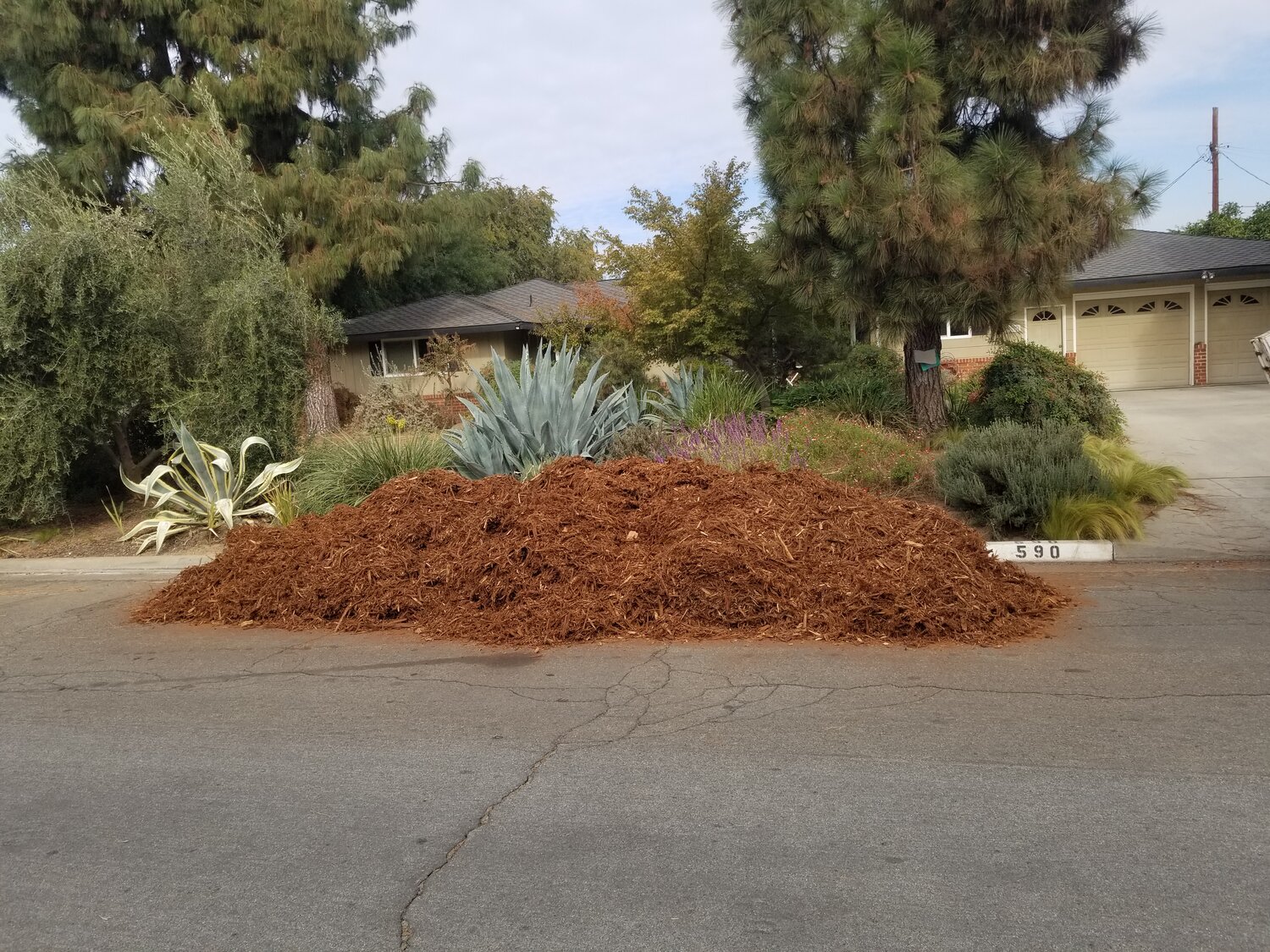
Image Source: static1.squarespace.com
Deciphering the Bark Mulch Cost
When planning your garden or landscape, figuring out how much to buy bark is just as crucial as knowing the price. The bark mulch cost is influenced by a variety of elements, from the type of tree the bark comes from to how it’s processed and transported. Let’s explore these components to get a clear picture of the cost of bark per yard.
Types of Bark and Their Price Points
The most significant factor affecting the price of bark mulch is the type of wood it originates from. Different trees produce bark with unique textures, colors, and durability, all of which contribute to their market value.
Conifer Bark (Pine, Fir, Cedar)
Conifer bark is a popular choice for many gardeners. It’s known for its longevity, resistance to decay, and attractive reddish-brown or golden hues. Pine bark, in particular, breaks down slowly, offering long-lasting ground cover. Cedar bark is also prized for its aromatic qualities and insect-repellent properties.
- Pros: Durable, slow to decompose, attractive colors, good for acid-loving plants.
- Cons: Can be more expensive than hardwood mulches.
Estimated Cost:
- Bagged: $4 – $8 per cubic foot (which translates to roughly $20 – $40 per cubic yard if you were to calculate it, though bagging adds significant cost per unit volume).
- Bulk: $30 – $55 per cubic yard.
Hardwood Bark (Oak, Maple, Walnut)
Hardwood bark mulches are typically darker in color, often appearing as rich black, deep brown, or a mix of both. They tend to break down faster than conifer barks, meaning they enrich the soil with organic matter more quickly. However, their shorter lifespan might require more frequent replenishment.
- Pros: Enriches soil quickly, available in various colors, generally more affordable.
- Cons: Decomposes faster, may require more frequent application.
Estimated Cost:
- Bagged: $3 – $7 per cubic foot.
- Bulk: $25 – $45 per cubic yard.
Specialty Bark (Cypress, Redwood)
Cypress and redwood barks are premium options. Redwood bark is renowned for its vibrant red-orange color and exceptional durability, making it a long-lasting and visually striking mulch. Cypress bark offers a similar aesthetic and resistance to decay.
- Pros: Highly durable, unique and vibrant colors, excellent for aesthetics.
- Cons: Typically the most expensive option.
Estimated Cost:
- Bagged: $5 – $10 per cubic foot.
- Bulk: $50 – $70+ per cubic yard.
Quality and Grade of Bark Mulch
The processing and grading of bark mulch also play a role in its bark chips price.
- Fine Grade: Smaller chips and shredded pieces. This can look neater and is good for flower beds and vegetable gardens. It tends to break down faster.
- Medium Grade: A mix of chip sizes. This is a versatile option suitable for most landscaping needs.
- Coarse Grade: Larger chunks of bark. This provides a more rustic look and is very durable, meaning it decomposes slowly. It’s excellent for pathways or areas where you want a long-lasting effect.
Higher quality, cleaner, and more uniformly sized bark will generally command a higher price. Bark that contains fewer contaminants (like dirt or debris) and has been screened for consistent particle size will be more expensive.
Factors Influencing Bulk Bark Cost
When you’re looking to cover a large area, buying in bulk is almost always more economical. Understanding the bulk bark cost involves more than just the per-yard price.
Sourcing Your Bark
Where you purchase your bark mulch significantly impacts its final price.
Local Nurseries and Garden Centers
These are convenient sources for bagged and sometimes bulk bark. They cater to retail customers, so prices might be slightly higher due to overheads and smaller order volumes.
- Pros: Accessible, convenient for smaller projects, knowledgeable staff.
- Cons: Potentially higher prices per cubic yard compared to direct suppliers.
Landscape Supply Companies
These businesses specialize in bulk landscaping materials. They often have direct relationships with bark producers, allowing them to offer competitive wholesale bark price options. Buying directly from them can often lead to substantial savings, especially for larger quantities.
- Pros: Best prices for bulk orders, wider variety of materials, often offer delivery.
- Cons: May require larger minimum orders, delivery fees can add up.
Direct from Producers/Harvesters
For very large projects or if you have connections, buying directly from sawmills or bark processing facilities can yield the lowest prices. This is the true wholesale bark price.
- Pros: Lowest possible price, direct access to materials.
- Cons: Requires significant volume, you’ll likely need to arrange your own transportation.
Delivery Fees
If you’re buying in bulk, delivery is almost a necessity. Delivery fees can vary widely based on:
- Distance: The further the delivery location from the supplier, the higher the fee.
- Volume: Some companies charge per delivery trip, while others might base it on the number of yards delivered.
- Accessibility: If the delivery location is difficult to access (e.g., narrow driveways, steep slopes), there might be an additional charge.
Always factor in delivery costs when comparing prices. Sometimes, a slightly higher per-yard price from a closer supplier with a lower delivery fee can be more cost-effective.
Bagged vs. Bulk Bark
The yard of mulch price can look very different depending on whether it’s bagged or sold in bulk.
- Bagged Bark: Generally costs more per cubic yard because the cost of the bag, labor for bagging, and transportation of individual bags are factored in. Bags typically contain 2 or 3 cubic feet of bark. To get a cubic yard (which is 27 cubic feet), you’d need 9 to 13 bags.
- If a bag costs $6, then 9 bags cost $54 and 13 bags cost $78. This is considerably more than buying in bulk.
- Bulk Bark: Purchased by the cubic yard, this is the most economical option for larger landscaping projects. Suppliers deliver it loose in trucks.
Here’s a quick comparison:
| Material | Typical Bag Size | Estimated Price Per Bag | Equivalent Cubic Yards Needed | Estimated Cost Per Cubic Yard (Bagged) | Estimated Cost Per Cubic Yard (Bulk) |
|---|---|---|---|---|---|
| Pine Bark Mulch | 2 cubic feet | $5 | 13.5 | $67.50 | $30 – $55 |
| Hardwood Mulch | 2 cubic feet | $4 | 13.5 | $54 | $25 – $45 |
| Premium (Redwood) | 2 cubic feet | $8 | 13.5 | $108 | $50 – $70+ |
Note: These are estimates. Actual prices will vary by region and supplier.
Calculating How Much Bark You Need
Knowing how much to buy bark is essential to avoid waste or running short. A cubic yard of mulch covers a specific area at a certain depth.
The Cubic Yard Conversion
- 1 cubic yard = 27 cubic feet
- 1 cubic yard = 3 feet (length) x 3 feet (width) x 3 feet (height)
Mulch Depth Recommendations
The ideal depth for bark mulch is typically 2 to 4 inches.
- 2 inches: Good for general use, weed suppression, and moisture retention.
- 3 inches: Ideal for most garden beds and around trees.
- 4 inches: Best for areas with significant weed problems or for pathways where stability is important.
Important Note: Avoid piling mulch directly against tree trunks or plant stems, as this can lead to rot and pest problems. Maintain a small gap.
Using a Mulch Calculator
Most landscape supply companies offer online mulch calculators. You’ll input:
- The length and width of the area you want to mulch.
- The desired depth of the mulch.
The calculator will then tell you how many cubic yards you need.
Example Calculation:
Let’s say you have a garden bed that is:
- Length: 20 feet
- Width: 5 feet
- Desired Depth: 3 inches (which is 0.25 feet, as 3 inches / 12 inches per foot = 0.25 feet)
Area = Length x Width
Area = 20 feet x 5 feet = 100 square feet
Volume (in cubic feet) = Area x Depth
Volume = 100 sq ft x 0.25 ft = 25 cubic feet
Volume (in cubic yards) = Volume (cubic feet) / 27
Volume = 25 cubic feet / 27 cubic feet/cubic yard ≈ 0.93 cubic yards
So, for this garden bed, you would need to purchase 1 cubic yard of bark mulch to be safe, accounting for settling and slight variations. It’s always a good idea to round up to the nearest full yard when buying in bulk.
The Cost of Garden Bark: Beyond the Price Tag
The cost of garden bark isn’t just the sticker price. Several other factors contribute to the overall investment in your landscaping.
Durability and Longevity
Higher-quality bark, especially from conifer trees or premium wood types, will last longer. This means you’ll need to replenish it less frequently, potentially saving you money and labor in the long run. A cheaper mulch that decomposes quickly might require an extra application within the same season, negating its initial cost advantage.
Soil Improvement
As bark mulch decomposes, it adds organic matter to your soil, improving its structure, fertility, and water retention. This natural fertilization can reduce the need for chemical fertilizers over time, adding to the long-term value.
Weed Suppression
A thick layer of mulch is an excellent natural weed suppressant. By blocking sunlight, it prevents weed seeds from germinating. This reduces the time and effort you spend on weeding and can also decrease the need for chemical herbicides.
Water Conservation
Mulch helps retain soil moisture by reducing evaporation from the soil surface. This means you’ll need to water your plants less frequently, saving water and potentially lowering your water bill. This is particularly beneficial in dry climates or during hot summer months.
Aesthetic Appeal
The right type and color of bark mulch can dramatically enhance the visual appeal of your garden and landscaping. This aesthetic value is subjective but contributes to the overall enjoyment and perceived value of your property. The landscaping bark cost should also be viewed through this lens.
Frequently Asked Questions About Bark Costs
Here are some common questions people have about the cost of bark mulch:
Q1: What is the cheapest type of bark mulch?
A1: Generally, hardwood mulches (like oak or maple) tend to be the most affordable options, especially when purchased in bulk.
Q2: How much does a cubic yard of bark mulch typically weigh?
A2: The weight of a cubic yard of bark mulch can vary significantly depending on the type of wood, moisture content, and chip size. However, a rough estimate for dry bark mulch is between 400 to 800 pounds per cubic yard. When wet, it can weigh considerably more, sometimes doubling in weight.
Q3: Can I get a discount for buying a large quantity of bark?
A3: Yes, most landscape supply companies offer tiered pricing. The more cubic yards you buy, the lower the price per cubic yard becomes. This is where you can really benefit from wholesale bark price structures.
Q4: Are there hidden costs associated with buying bark mulch?
A4: The most common hidden cost is delivery. Always confirm delivery fees and any potential surcharges for difficult access before placing your order. Some very cheap mulches might also have a higher percentage of dirt or debris, which isn’t ideal for garden health.
Q5: When is the best time to buy bark mulch to get the best price?
A5: Prices can fluctuate based on demand and season. Often, buying in late fall or early spring, before the peak landscaping season hits, might yield slightly better prices. However, availability might also be more limited. Many suppliers offer consistent pricing year-round.
Q6: How much does it cost to spread a yard of bark mulch?
A6: If you’re hiring professionals, the cost to spread mulch can range from $50 to $150 per cubic yard, depending on the complexity of the job and your location. Doing it yourself will save you this labor cost but requires your time and physical effort.
Making the Most of Your Mulch Investment
When considering the cost of bark per yard, remember that you’re investing in the health and beauty of your landscape.
Compare Prices Thoroughly
Don’t just buy from the first place you see. Get quotes from several local landscape supply companies and compare their prices, including delivery fees. Check their online reviews for customer satisfaction regarding material quality and service.
Consider the Long-Term Value
A slightly more expensive, high-quality bark mulch might be a better investment if it lasts significantly longer and requires less frequent replenishment. Calculate the cost over several years, not just for a single season.
Plan Your Project
Knowing exactly how much you need before you buy prevents overspending or making extra trips for more material. Use a mulch calculator and measure your areas carefully.
Factor in DIY vs. Professional Installation
Are you able to haul and spread the mulch yourself? If so, you’ll save considerably on labor costs. If not, get quotes for installation services. The landscaping bark cost can increase substantially when labor is included.
Conclusion: Fathoming the Value of Bark Mulch
The price of bark mulch is a variable that depends on many factors, but with careful research and planning, you can find excellent value for your landscaping needs. From the type of wood to the quantity you purchase and where you source it, each element plays a role in the final bark mulch cost. By balancing initial expense with long-term benefits like soil improvement, water conservation, and aesthetic enhancement, you can make an informed decision that contributes to a beautiful and healthy outdoor space. Whether you’re looking for the subtle charm of pine bark or the rich tones of hardwood, knowing the cost of garden bark empowers you to achieve your landscaping goals effectively.