
So, you’re wondering, “How much is a 20 yard dumpster?” The 20 cubic yard dumpster rental cost can vary significantly, but generally, you can expect to pay between $300 and $700. This price covers the rental period, delivery, pickup, and disposal fees.
When planning a project, whether it’s a home renovation, a large cleanout, or a commercial endeavor, having the right dumpster is key. Among the most popular choices is the 20-yard dumpster. It offers a good balance of capacity and maneuverability, making it suitable for a wide range of jobs. But what does it really cost to bring one of these workhorses to your site? Let’s dive deep into the factors that influence dumpster rental prices 20 yards and how to get the most accurate 20 yard dumpster rental quote.
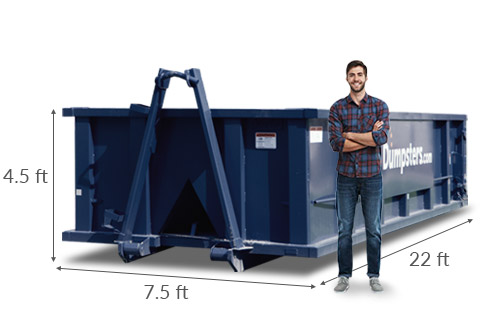
Image Source: www.dumpsters.com
Deciphering 20 Yard Dumpster Rental Costs
The cost to rent a 20 yard dumpster isn’t a one-size-fits-all figure. Several elements come into play, and knowing them can help you budget effectively. Think of it like buying a car; the base price is one thing, but add-ons and features can change the final cost.
Key Factors Affecting 20 Yard Dumpster Prices
- Location: This is a major driver of cost. Dumpster rental prices are often higher in major metropolitan areas due to increased demand, higher operational costs for haulers, and landfill fees. Conversely, rural areas might see lower prices, though delivery costs could potentially offset this.
- Rental Period: Most companies offer standard rental periods, often around 7-14 days. If you need the dumpster for longer, you’ll likely incur daily or weekly extension fees. Conversely, if you finish your project early and arrange for pickup, you might not save money, as the rental fee is usually a flat rate for the agreed-upon period.
- Type of Debris: What you plan to throw away can impact the price.
- General Household Waste/Construction Debris: This is typically the standard category, and prices are set accordingly.
- Heavy Materials: Items like concrete, dirt, brick, or asphalt are much heavier. Because these materials are denser, they can lead to overweight charges if the dumpster exceeds the weight limit set by the rental company. Some companies may also charge a premium for these materials due to the strain they put on their equipment and the specialized disposal methods required. Always clarify if your project involves heavy materials.
- Hazardous Waste: You generally cannot put hazardous waste in a standard dumpster. Items like paint, solvents, chemicals, batteries, and asbestos require special disposal and cannot be included in your rental. Attempting to dispose of them this way can result in significant fines and extra fees.
- Weight Limits and Overages: Every dumpster rental comes with a weight limit. For a 20-yard dumpster, this limit is often around 2-4 tons, but it can vary by provider. If your dumpster exceeds this limit, you’ll be charged an overage fee per ton over the limit. This is where separating heavy materials can be crucial.
- Landfill Fees (Tipping Fees): Landfills charge a fee to accept waste, often referred to as “tipping fees.” These fees are factored into your rental cost and can vary based on the landfill’s location and the type of waste.
- Delivery and Pickup: While usually included in the base price, some companies might have separate charges or minimum distance requirements for delivery and pickup, especially in more remote locations.
- Fuel Surcharges: Similar to many service industries, fuel costs can influence dumpster rental prices. Some companies may add a fuel surcharge to account for fluctuating gas prices.
- Permits: In some municipalities, you might need a permit to place a dumpster on public property, like a street or sidewalk. The cost of this permit is usually your responsibility.
- Company Policies: Different rental companies have different pricing structures, service areas, and included features. It’s always best to get quotes from multiple providers.
What Can You Fit in a 20 Yard Dumpster?
A 20-yard dumpster is a versatile size, often described as being able to hold about 8-10 pickup truck loads of debris. Its dimensions are typically around 22 feet long, 8 feet wide, and 4 feet high. This makes it ideal for:
- Medium to Large Home Renovations: Kitchen remodels, bathroom renovations, or general home improvement projects.
- Garage and Basement Cleanouts: Clearing out years of accumulated junk.
- Roofing Projects: Replacing a moderate-sized roof.
- Demolition of Smaller Structures: Sheds, decks, or interior walls.
- Landscaping Projects: Removing trees, brush, or large amounts of yard waste.
- Small Construction Sites: For general debris removal.
- Estate Cleanouts: Handling the contents of a house.
Estimating Debris Volume
To estimate how much debris you’ll have, consider the scope of your project.
- Renovations: Think about the materials being removed – drywall, old cabinets, flooring, fixtures, lumber.
- Cleanouts: Imagine furniture, boxes, appliances, and general clutter.
- Demolition: Estimate the volume of building materials.
A good rule of thumb is to visualize your debris as if it were spread out. If you have a large pile of materials, a 20-yard dumpster is likely a good fit. If you’re unsure, it’s often better to err on the side of a slightly larger dumpster to avoid costly additional trips or overage fees.
Getting Your 20 Yard Dumpster Rental Quote
When you’re ready to get a 20 yard dumpster rental quote, be prepared to provide specific information to the rental company. The more accurate you are, the more precise your quote will be.
Information to Have Ready:
- Project Type: Briefly describe what you’ll be using the dumpster for (e.g., “kitchen renovation,” “garage cleanout,” “deck demolition”).
- Type of Debris: Specify if you’ll be disposing of general waste, heavy materials (concrete, dirt), or a mix.
- Estimated Volume/Weight: While not always exact, giving an estimate helps the company recommend the right size.
- Location: Provide the full delivery address.
- Desired Delivery Date: Let them know when you need the dumpster.
- Estimated Duration: How long do you anticipate needing the dumpster?
- Placement Location: Will the dumpster be placed on your property (driveway, yard) or on a public street? If on a street, mention if you anticipate needing any special considerations.
What to Expect in a Quote:
A comprehensive 20 yard roll off dumpster prices quote should clearly outline:
- Rental Period: The number of days included.
- Base Rental Fee: The cost for the dumpster and its standard use.
- Weight Allowance: The maximum weight (in tons) included in the base price.
- Overage Charge: The cost per ton if you exceed the weight allowance.
- Disposal Fees: Any landfill or tipping fees.
- Delivery and Pickup Fees: Whether these are included or separate.
- Taxes: Applicable local and state taxes.
- Fuel Surcharge: If applicable.
- Any Additional Fees: Such as fees for specific types of waste or extended rental periods.
Always ask for clarification if anything in the quote is unclear. Don’t hesitate to ask about what’s included and what could lead to extra charges. This ensures you get the most accurate dumpster size 20 yard cost.
Comparing 20 Yard Dumpster Rental Rates
The 20 yard container rental rates can vary significantly between providers. It’s a good idea to gather quotes from at least three different companies in your area. This allows you to compare pricing and services side-by-side.
Tips for Comparing Prices:
- Look Beyond the Lowest Price: While cost is important, also consider the company’s reputation, customer service, reliability, and what’s included in their price. A slightly higher price might be worth it for better service.
- Read Reviews: Check online reviews to gauge customer satisfaction with delivery, pickup, and overall experience.
- Ask About Included Weight: Some companies offer higher weight allowances in their base price, which can be a significant cost saver if you have a lot of material.
- Clarify Overage Charges: Make sure you understand the cost per ton for exceeding the weight limit.
- Inquire About Extension Fees: If your project might run long, ask about the cost of extending the rental.
Sample Price Comparison Table (Illustrative)
This table is a hypothetical example to show you how prices might be presented. Actual prices will vary greatly by location and provider.
| Feature | Company A | Company B | Company C |
|---|---|---|---|
| Base Rental Cost | $450 | $420 | $480 |
| Rental Period | 7 days | 10 days | 7 days |
| Weight Limit | 3 tons | 3.5 tons | 4 tons |
| Overage Fee | $80/ton | $75/ton | $70/ton |
| Delivery/Pickup | Included | Included | Included |
| Tipping Fees | Included | Included | Included |
| Fuel Surcharge | $25 | $0 | $30 |
| Taxes | $45 | $42 | $48 |
| Total Estimated Cost | $520 | $462 | $558 |
Note: This is a simplified example. Always get a detailed quote from the rental company.
When you receive your 20 yard bin rental prices, break down the total cost to see what each component contributes. This helps in making an informed decision.
Making the Most of Your 20 Yard Dumpster Rental
Once you’ve secured your dumpster, there are ways to ensure your rental goes smoothly and efficiently.
Efficient Loading Practices
- Fill Level: Do not overfill the dumpster. Debris should not extend above the top edge of the container. This is a safety hazard during transport and can lead to extra charges or refusal of pickup.
- Even Distribution: Distribute the weight evenly inside the dumpster. Avoid piling all heavy items on one side.
- Break Down Large Items: Break down cardboard boxes, flatten appliances (if permissible and safe), and dismantle furniture to maximize space.
- Keep Heavy Materials Separate: If possible, keep heavy materials like concrete, brick, or dirt in a separate pile or a different dumpster if your project generates a large volume. This can help you avoid exceeding weight limits in your primary dumpster.
- Know What’s Not Allowed: Double-check with your rental company about prohibited items. Common exclusions include tires, electronics, batteries, paint cans, chemicals, and flammable materials.
Scheduling Pickup
- Communicate: Let the rental company know in advance when you expect to be finished. This helps them schedule your pickup efficiently and prevents the dumpster from sitting longer than necessary, potentially incurring extra charges.
- Clear Access: Ensure the area around the dumpster is clear of obstructions on pickup day. This includes vehicles, equipment, or debris piles. The driver needs ample space to access the dumpster with their truck and equipment.
Frequently Asked Questions About 20 Yard Dumpster Rentals
Here are some common questions people have about how much to rent a 20 yard dumpster:
Q1: What is the typical weight limit for a 20-yard dumpster?
A typical weight limit for a 20-yard dumpster is around 2 to 4 tons (4,000 to 8,000 pounds). However, this can vary significantly between rental companies and is heavily influenced by the type of debris you’re disposing of. Always confirm the specific weight limit with your provider.
Q2: Can I put electronics or paint in a 20-yard dumpster?
Generally, no. Most standard dumpster rentals prohibit hazardous waste, electronics (like TVs, computers, appliances containing refrigerants), batteries, paint, solvents, chemicals, tires, and fluorescent bulbs. These items require special disposal methods. Check your rental agreement or ask the company directly about what is prohibited.
Q3: What happens if my dumpster is overweight?
If your dumpster exceeds the allowed weight limit, you will typically be charged an overweight fee, often calculated per ton over the limit. These fees can be substantial, so it’s crucial to estimate your debris weight and be mindful of heavy materials.
Q4: How long can I keep a 20-yard dumpster?
Standard rental periods are usually between 7 to 14 days. If you need the dumpster for longer, you’ll likely need to arrange an extension with the rental company, which usually incurs additional daily or weekly fees.
Q5: Do I need a permit for a 20-yard dumpster?
If you plan to place the dumpster on a public street or sidewalk, you will likely need a permit from your local municipality. If the dumpster will be placed entirely on your private property (like a driveway or yard), a permit is usually not required. It’s best to check with your local city or county government.
Q6: What’s the difference between a 20-yard dumpster and other sizes?
A 20-yard dumpster is a mid-size option. Smaller dumpsters (like 10 or 15 yards) are good for smaller projects like garage cleanouts or small renovations. Larger dumpsters (like 30 or 40 yards) are designed for major construction projects, demolition, or large-scale cleanups where a significant volume of debris is expected. The 20-yard offers a good balance for many common home improvement and cleanout tasks.
Q7: How do I get the best pricing for a 20-yard dumpster rental?
To get the best pricing, gather quotes from multiple local dumpster rental companies. Compare not only the base price but also what’s included (weight limits, rental duration) and any potential extra fees. Reading customer reviews and asking clarifying questions can also help you find a reliable provider at a competitive rate.
When considering the pricing for a 20 yard dumpster, thorough research and clear communication with rental providers will ensure you get the best value for your project. A 20-yard dumpster is a powerful tool for managing waste, and knowing its costs helps make your project planning more efficient and budget-friendly.